Why Does My Cat Drool When I Pet Him? 4 Vet-Verified Reasons for This Behavior

In this article
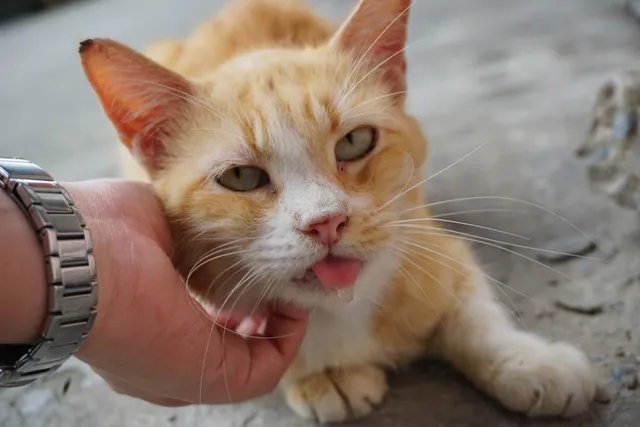
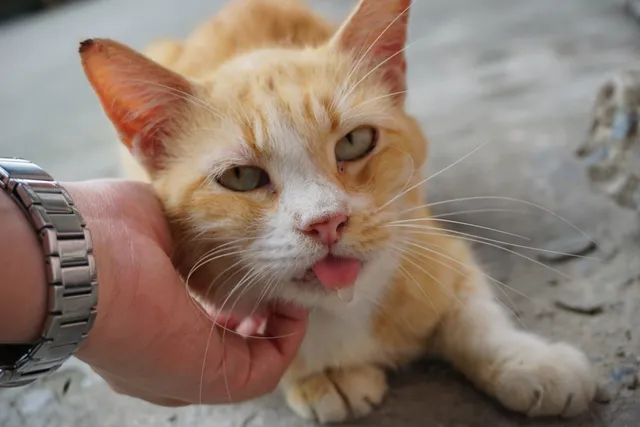
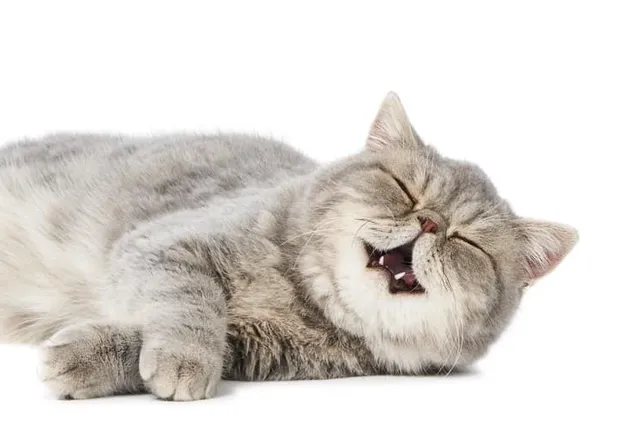
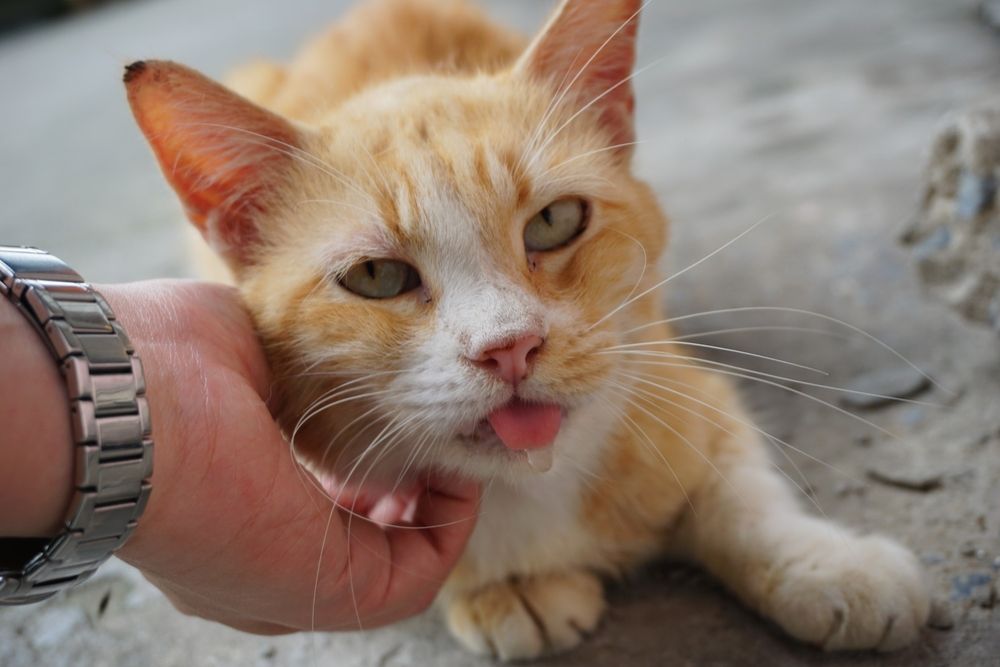
There’s nothing quite like the shared bliss of having a purring cat sleeping on your lap or chest, but nothing ruins these joyful moments like the feeling of warm saliva dripping down your arm or neck! If you have a drooly-sleeper, you’ll know exactly what this is like, and you’ll undoubtedly be wondering why it happens, and if there’s something you can do to stop it.
Let’s start with the bad news – if your cat drools when they sleep or when they’re happy, it’s likely to get worse as they get older, not better. The good news is that we can help you with some tips for staying dry and how you can tell the difference between ‘happy drool’ and ‘unhealthy drool’.
Read on to learn more about this sticky situation.

Why Do Cats Drool?
Before we tackle the somnolent saliva situation, it makes sense to briefly touch on the main reasons that may cause a cat to drool. If we’re talking about a cat that only drools when they sleep or when you are petting or stroking them, it is unlikely that there is a health issue to blame, but if your cat is producing more saliva in general, there could be a more serious problem.
Here are reasons why cats drool, in general:


Why Do Cats Drool When They Are Petted? 4 Reasons
1. Relaxation of Muscles
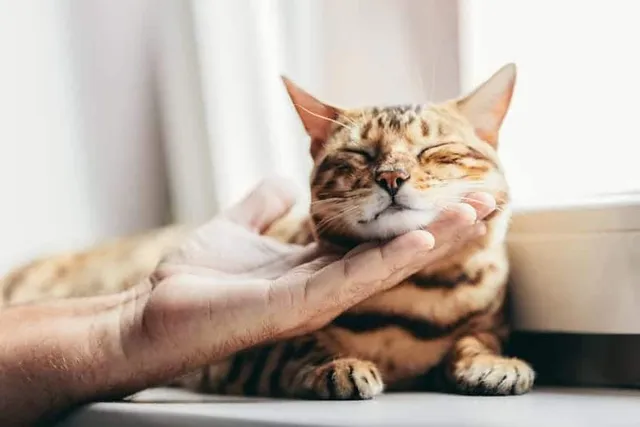
For some cats, simply feeling calm and relaxed can cause the body to relax, including the muscles around the mouth and neck. Just like some humans who drool in their sleep, some cats will relax their muscles enough that a trickle of drool can escape. Take it as a compliment - they feel so mellow that even their lips are relaxed!
2. Stimulation of the Parasympathetic Nervous System
You may have heard the terms ‘fight or flight’ and ‘rest and digest’. They relate to the two key parts of the autonomic nervous system, which regulate bodily functions in response to different conditions.
The Sympathetic Nervous System - ‘fight, flight, or flee’
In response to the presence of predators, prey, competitors, or anything else that may require speed, strength, and quick reflexes.
The Parasympathetic Nervous System - ‘rest & digest’ or ‘feed & breed’
The coast is clear, it’s safe to relax, so the body is optimized for digestion, rest, and all the functions that are put on hold when danger is around. One of those functions is saliva production. When your cat is feeling safe and relaxed, the parasympathetic system may be behind that increased salivation.

3. Throwback to Kittenhood
You may be aware that the adorable habit of kneading or “making biscuits” is believed to be linked to the contentment kittens feel when nursing, the kneading being how they stimulate milk production. Similarly, the comfort and protection a cat may feel when being cuddled and stroked may trigger those same feelings, taking them back to their younger days, when such a feeling was linked with meal times. It’s not unusual for cats that drool when being petted or held to also suckle on fabric, which certainly supports this theory.
4. Health Problem
If drooling while being stroked or when they are happy and relaxed is a new behavior for your cat, it could be a sign of a health problem. This also applies if they normally drool, but the amount and/or frequency has suddenly increased. Any of the previously mentioned issues could be the culprit, so you’ll need to pay attention to other changes in their behavior or habits.
- Have they lost weight?
- Are they eating more or less than usual?
- Has anything changed with their toileting habits?
- Does their breath smell more than usual?
- Are they hiding away more?
- Do they resent having their face or mouth touched?
Early intervention will always give you the best chance of a positive outcome, so it’s best to seek veterinary advice sooner rather than later. Make note of any other changes so you can give your vet as much information as possible.

How Can I Stop My Cat From Drooling?
As we mentioned at the start, it’s not necessarily going to be possible to put a stop to this behavior, but we can make life a little less damp.
First and foremost, make sure that your cat isn’t suffering from any health conditions that may be causing or contributing to their drooling. Dental disease is often overlooked in cats, as they will suffer in silence and show few outward signs of pain or discomfort. If your cat is suddenly drooling when sleeping or being stroked, or if they are drooling more than usual, a check-up with the vet will put your mind at rest, and may even put a stop to the drooling!
If your cat has a clean bill of health but is a happy little drool machine, there are a couple of things you can do to help:
- Keep a towel handy – a small cloth for wiping or a larger one to place over your lap can help dry out the situation.
- Give them a small snack – saliva production as part of the parasympathetic nervous function is about readying the body for a meal. By giving your cat a little snack, it may trick the nervous system into entering the digestive phase instead of the food anticipation stage.
- Suck it up – not literally of course! At the end of the day, what’s a little bit of drool between friends, especially if it’s a sign that your cat feels safe and secure with you.
Final Thoughts
Although it may not be the most pleasant sign of affection, cats that drool when you pet or cuddle them are telling you, on a subconscious level, that they feel safe, secure, and relaxed when you’re around, so take it as a compliment!
It’s important to be aware that there are certain health conditions, substances, or medications that may cause an increase in your cat’s saliva production, and any sudden changes in the appearance or amount of drool your cat is producing warrants further investigation.
Unfortunately, there’s not a lot to be done about cats that drool simply because they feel relaxed and happy, but you can take steps to protect your clothing, give them a small amount of food to trick their digestive system, or simply enjoy the fact that your cat is able to completely relax with you.
Also see:
What Causes Mouth Ulcers in Cats? Our Vet Explains Signs, Causes & Prevention
Why is My Cat Breathing So Hard? Vet-Approved Reasons & What to Do
Featured Image Credit: Ling_Chen, Shutterstock

Expert cat care, straight to your inbox
Vet-reviewed advice, behavior tips, and the best of Catster. Free, and you can unsubscribe anytime.
By signing up, you agree to our Terms & Conditions and Privacy & Cookies Policy.
Dr. Karyn Kanowski BVSc MRCVS (Veterinarian)
Dr. Karyn comes from Queensland, Australia, and has lived in the UK for the past 10 years. In 2010, she graduated from The University of Queensland School of Veterinary Science and also has a Bachelor’s degree in Zoology. She is passionate about using evidence, experience, and owner collaboration to provide the best solutions for pets, and believes in making reliable information about animal health accessible to all. Dr. Karyn shares her home with five cats, four dogs, and one husband. When she is not in the scrubs, she spends her time writing, gardening, and cleaning up pet hair!
Join the conversation
Ask a question, share your story, or send private feedback.