Why Do Cats Like Dryer Sheets? Vet-Reviewed Causes & Safety Precautions


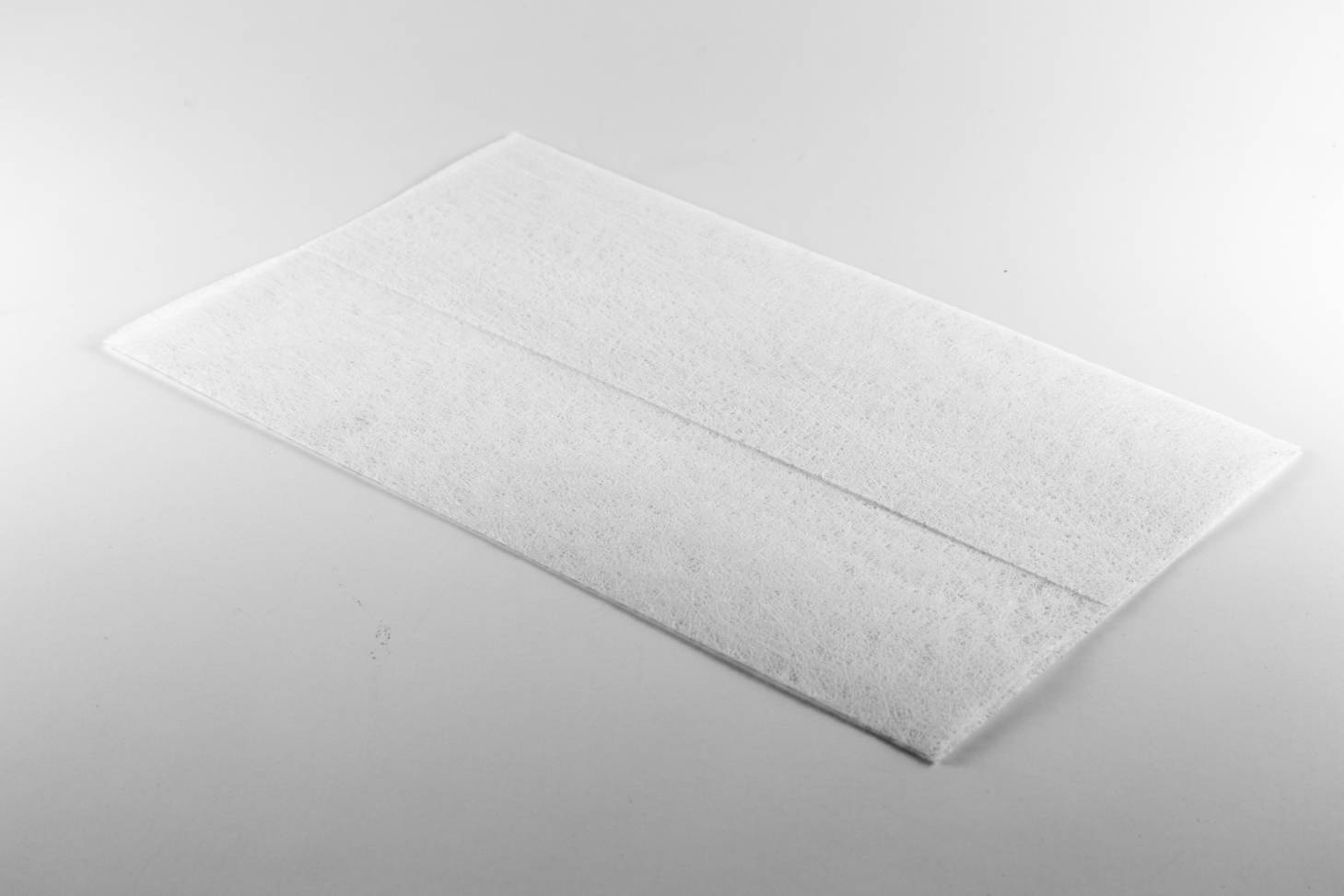
Do you like to use dryer sheets when you do your laundry? They make your clothes smell nice, feel soft, and remove static from clothing. Who doesn’t want fresh laundry? As it turns out, cats like dryer sheets, too.
Dryer sheets are semi-rough, smell good, and slide around easily on hard flooring. A bored cat can quickly have a ball with a dryer sheet. Some pet owners are also using dryer sheets to repel pet fur on furniture. However, dryer sheets can be a big problem for cats, due to their harmful chemical composition, if cats come in contact with them or if they ingest one.

Why Dryer Sheets Wreak Havoc on Cats
Think back to high school chemistry, if you can. Atoms and molecules are constantly losing and gaining electrons. Dryer sheets are cationic detergents, where the active part of the molecule is a positive ion charge. This is important because of how the detergent acts and reacts. The positive charge in fabric softener and dryer sheets helps neutralize the clothing, removing static.

So, What Does This Have to Do With Cats?
Cationic detergents are powerful corrosive agents. They can easily cause damage to the eyes, mouth, skin, and digestive tract. Cats have impeccable grooming habits, so any contact with a dryer sheet will cause a cat to spread the chemicals around their body.
What to Do if Your Cat Eats a Dryer Sheet
Typical signs of cationic detergent ingestion include:
If you believe your cat has eaten a dryer sheet, take them to the veterinarian. Your cat will become sick and need veterinary care urgently, so it’s best to stay ahead of the game and start treatment as soon as possible.
After ingesting particular toxic items, within a certain short timeframe of generally only a few hours, veterinarians may recommend inducing vomiting and administering activated charcoal. However, since cationic detergents can burn and damage the tissue, this can cause more harm than good.
Instead, your veterinarian will administer symptomatic treatments, such as intravenous fluids, painkillers and gastric protectants, in order to minimize the effects of the harmful substances. If your cat swallowed a whole dryer sheet or more, this can also lead to a gastrointestinal blockage, and may require gastroscopy or surgery. Other treatments may be necessary depending on how the detergent affected your cat.
You can also consult a vet online if you need quick and easy access to an expert's opinion.
Keeping Your Cat Safe, Dryer Sheets Alternatives
The best way to keep your cat away from dryer sheets is not to use them, or to keep your cat away from your laundry room, by keeping it closed at all times. You can use safer alternatives or choose pet-safe dryer sheets.
Wool Balls
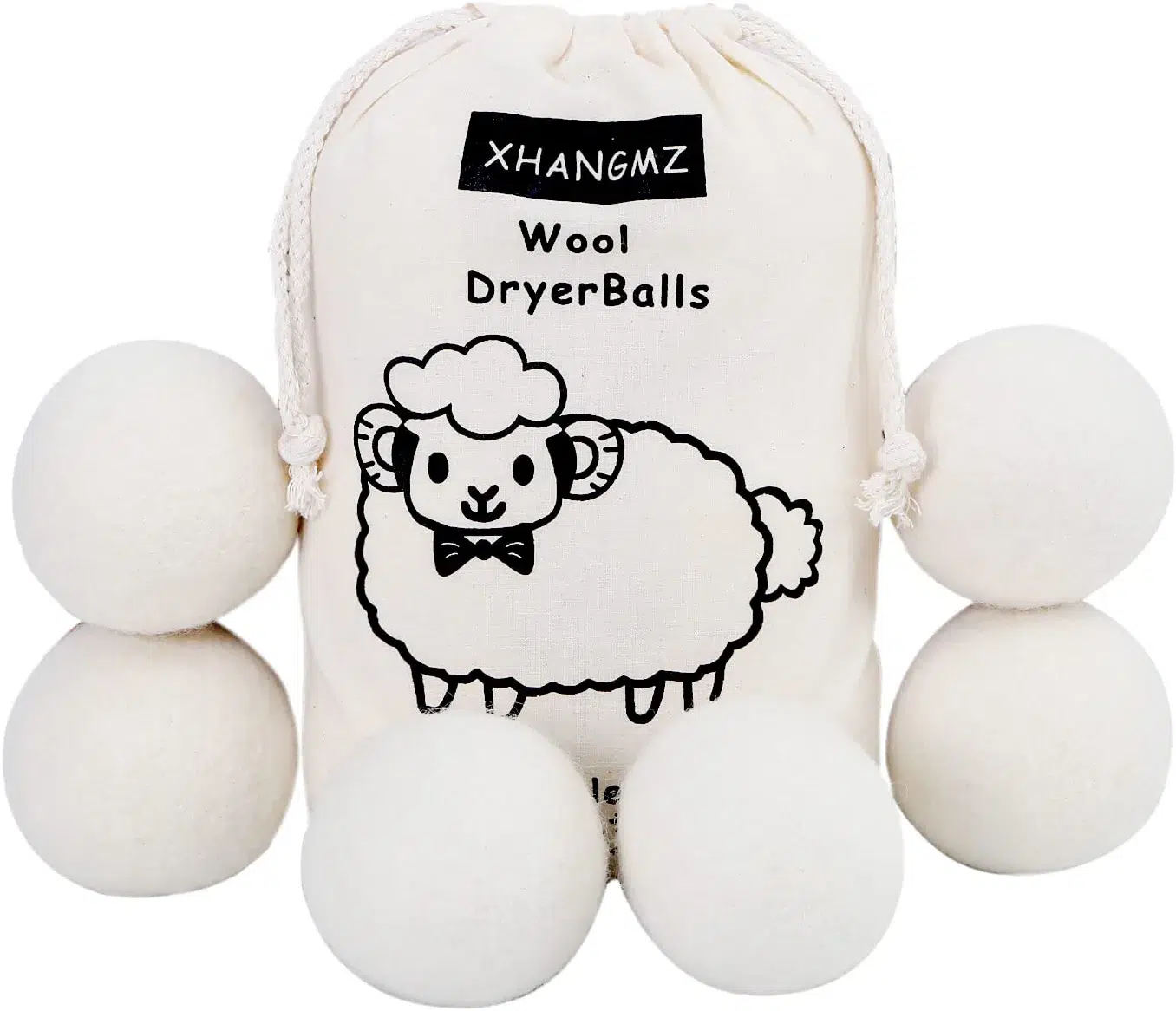
wool dryer balls can be an excellent alternative to dryer sheets. They contain zero chemicals and save money since you won’t have to constantly re-purchase new wool balls. They also speed up drying, leaving your clothes soft and pet hair-free. Still, it’s a good idea not to let your cat play with them, as they may ingest wool fibers trying to pick them off the ball.
Vinegar
Grandma knew what she was doing when using vinegar. Vinegar is a natural fabric softener that is safe around animals when appropriately diluted with water. You can add some to your washing machine, and your clothes will come out of the dryer soft. Concentrated vinegar on the other hand is also an irritant, causing mouth injuries and digestive issues in cats, and should be avoided as such.
Be careful with how much you use. Otherwise, your clothes will smell like vinegar. Still, you’d have to use a lot for that to happen. Be very careful if you are adding any essential oils to the load to help your clothes smell fresh, as they are extremely toxic to cats. They will cause gastrointestinal issues, neurological signs, breathing difficulties and liver damage, depending on the amount of type of contact. Essential oils are best avoided in households with cats, or kept safely stored away and never used around cats.
Conclusion
Although dryer sheets help our clothes smell great, they can harm our cats if they come in contact with them. Truthfully, you don’t need dryer sheets anyway. There are plenty of safe alternatives that people have used for centuries before dryer sheets existed.
Try doing laundry without dryer sheets, or try the alternatives we mentioned above. They're better for the environment, and you won’t have to worry about your pet. If your cat has come in contact with or swallowed a dryer sheet, contact your vet immediately.
Featured Image Credit: Crucible Pictures, Shutterstock

Expert cat care, straight to your inbox
Vet-reviewed advice, behavior tips, and the best of Catster. Free, and you can unsubscribe anytime.
By signing up, you agree to our Terms & Conditions and Privacy & Cookies Policy.
Cassidy's journey from vet tech and professional pet sitter to pet writer showcases her lifelong passion for animals, both domestic and wild. Throughout the years, she has cared for many pets and enjoys writing about the animal-human bond. She and her husband have settled in Wichita, where they live with their German Shepherd, Raven, two cats, Lucy and Strudel, and a small flock of backyard chickens.
Join the conversation
Ask a question, share your story, or send private feedback.