Cats love to pounce! While it’s a normal activity that’s linked to their hunting skills, there are times when your cat’s pouncing can become a bit too enthusiastic and cross the line into aggression, particularly in indoor cats that don’t have the same ways to engage their instincts as pets with access to the outdoors. Keep reading to learn more about cat pouncing and why they do it.

What Is Cat Pouncing?
Pouncing occurs when cats stalk and then spring on victims. Outdoor cats pounce to catch their prey, but indoor cats also engage in the activity, often when playing. Cats generally enjoy engaging in play activities that mimic the things they do when hunting, such as chasing, staking, and pouncing.
However, cats can sometimes become overstimulated and pounce on other pets in ways that aren’t always appreciated, and some have predilections for hiding behind furniture and pouncing on unsuspecting humans as they wander by.
When cats pounce on their people, it’s often just a sign they want to play or want attention. Many have figured out that it’s a pretty solid way to get a response.

What Are the Signs of Cat Pouncing?
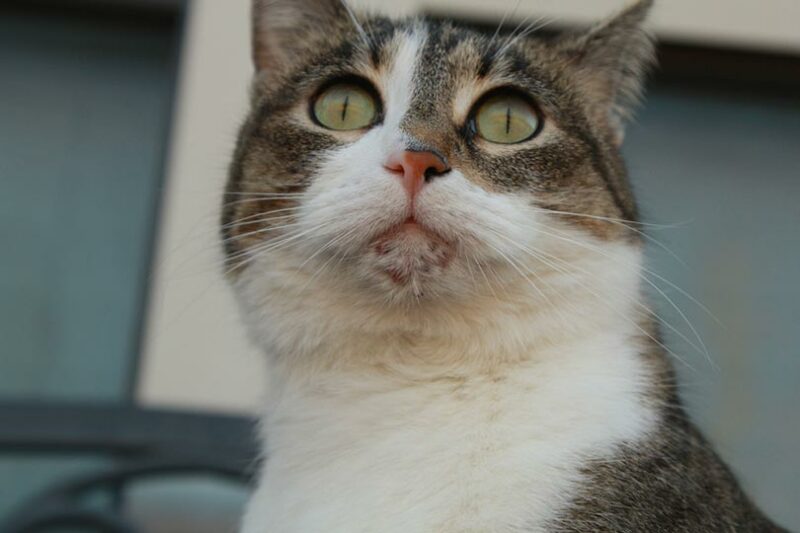
Cats often do a butt wiggle just before they spring into action, and their eyes become saucer-wide when they’re on the verge of leaping. Other characteristics that indicate cats are getting ready to pounce include their whiskers and ears pointing forward and lots of tail twitching.
They sometimes move forward in short, quick scurries, and chattering occasionally occurs when they’re excited.

What Are the Reasons for Pouncing?
We know that wild and outdoor cats will pounce on their prey, but they will also engage in this behavior when fighting and playing. Although our pet felines don’t usually need to catch and kill their food, those hunting instincts are still intact and will find their way into the daily life of even the most pampered pet.
To understand why our cats might pounce, it’s important to realize that when they do pounce, they are putting themselves in a potentially vulnerable position, which is why pouncing is usually reserved for animals smaller than they are, or those that are considered friendly.
Let’s take a look at the common reasons cats will pounce.
Hunting
The primary reason for pouncing is cats that hunt for prey, whether out of necessity in the wild or as extracurricular activities for pet cats that have access to the great outdoors. Although you might see footage of lions pouncing on the back of an unwary zebra or wildebeest, they will usually only do this if they have safety in numbers. When taking down larger prey, the feline hunter is more likely to launch at the neck rather than pounce on top.
When hunting smaller prey, however, pouncing on top of their quarry is the best way to immobilize them and prevent them from running off in any direction.
Fighting
If a cat is feeling truly threatened, pouncing usually won’t be their go-to move. Cats are much more likely to use claws to lash out or dive in quickly with teeth bared. However, if they are winning the battle and want to end the fight, they might pounce on their opponent to get complete control of them. But if their foe is of a similar size or larger, pouncing on them may increase their risk of being thrown off or bitten.
Mating
Feline copulation is not exactly a gentle undertaking, and the female often takes some convincing. A male may pounce on his intended mate, grabbing her scruff in his teeth to prevent her from getting away. Consent is not in the feline vocabulary!

Playing
Most play behavior in cats can also be classified as ‘rehearsal’ behavior, designed to prepare them for real-world applications. What looks like lots of fun is also helping cats practice their hunting, fighting, and mating techniques if and when they need them in the future.
Redirected Aggression
Cats occasionally behave aggressively when they see or hear something that scares them that they can’t do anything about. They’ll redirect the aggression they can’t unleash on the triggering object on unsuspecting people and pets.

Should I Stop My Cat From Pouncing?
Pouncing is a completely natural and normal behavior for your cat, but it can sometimes become a problem. Cats that pounce playfully on each other, on toys, or on moving shadows do not need to be interrupted. However, there are some pouncing behaviors that need to be nipped in the bud:
1. Obsessive Laser Chasing
Laser toys can be a really effective way to keep an indoor cat exercised and entertained, but for some cats, they can become an addiction. While it might be fun to watch your cat race around and pounce on that evasive red dot, if your cat becomes obsessed, constantly searching for their glowing quarry, and overwhelmed with excitement by the sound of the laser coming out of the drawer, you should look for other ways to keep them occupied.
2. Escalating Violence
Pouncing and playing can be fun and lighthearted, even if it sometimes gets a little bit heated at the end. But if your cats’ playful pouncing regularly ends in hisses, growls, and flying fur, or if one cat is constantly bullying the other, you need to take steps to reduce this friction before it gets out of hand.
3. Pouncing on Humans
It is undeniably adorable when kittens pounce and grab and bite playfully at our hands as we engage them in mini wrestling matches. However, this is one activity you should NOT engage in. Part of play fighting between cats is to test out and learn how rough they can be with each other. When we allow our kittens to treat our hands and arms like a chew toy, we are giving them the green light to continue with this behavior as they get older.
It is unfair to expect our cats to understand that this sort of play is only acceptable until they are 4 or 5 months old, and you’re going to have a much harder time getting them to stop if you’ve allowed them to do it in the past.
It is extremely important that cats pouncing on human hands or feet are stopped immediately, and certainly not encouraged, no matter how cute it may seem at the time. Standing up and walking away from a pouncing kitty is the best way to prevent a future problem.

How Can I Stop My Cat From Pouncing On Me?
It’s often much harder to get an animal to stop doing something than it is to get them to start or continue it. That’s because positive reinforcement – pairing an action with a reward or pleasant experience – is the most effective training method. While ignoring or walking away from a cat that is pouncing may help, the best way to tackle or prevent this sort of behavior is by providing them with an appropriate outlet for their pouncing needs.
1. Exercise
Cats that aren’t able to run, jump, pounce, and play are going to get bored and frustrated and start acting out, so it’s important to provide your cat with plenty of opportunities to burn energy safely. That can be through interactive toys, exercise wheels, cat trees and gyms, and laser toys (for the non-obsessive types).
2. Toys
When cats play fight with each other, they’ll often pounce, grab, bite, and kick, so providing your kitty with a soft toy that is large enough to wrestle with will give them hours of fun.
3. Company
There’s only one thing that’s better than a cat: two cats! Although adult cats don’t always appreciate newcomers, young cats and kittens will thrive in the company of another. By having another livewire of a feline to play, pounce, and fight with, your cats will get all that energy out of their system, leaving the cuddles and affection for you.
4. Distraction
Cats on the verge of pouncing can be encouraged to move their attention to more appropriate targets by throwing a toy for them to chase. When cats do pounce, ignoring the behavior is often the best step, as being yelled at or punished stresses them out, which can make the behavior worse.
5. Nutrition
We are becoming more and more aware of how much animal nutrition impacts their behavior, and getting their diet right can have a huge positive impact on their happiness and behavior. Getting it wrong can be disastrous.
Always make sure you are giving your cat a high quality diet with the correct balance of nutrients for their age, lifestyle, and activity level.

Frequently Asked Questions
Are There Other Options That May Help Improve the Situation?
There are a few medications veterinarians can prescribe to help reduce feline aggression, and pheromone products may also bring peace to some situations. Veterinary behaviorists can be helpful in situations where pet parents feel as if they’ve tried everything and need professional assistance.
If you need to speak with a vet but can't get to one, head over to PangoVet. It's an online service where you can talk to a vet online and get the advice you need for your pet — all at an affordable price!

What Should I Do if My Cat Is Getting Ready to Pounce?
Providing a distraction can prevent cats from pouncing. Cats on the verge of pouncing can be encouraged to move their attention to more appropriate targets by throwing a toy for them to chase. When cats do pounce, ignoring the behavior is often the best step, as being yelled at or punished stresses them out, which can make the behavior worse.
Conclusion
Cats are gifted hunters who chase and pounce with stunning elegance as they go after and catch prey, but indoor cats sometimes go a bit overboard with the pouncing activities, which can lead to uncomfortable situations for people and other pets. Dealing with pouncing depends on identifying the cause and addressing what’s triggering the behavior, and punishing cats can make the problem more difficult to solve.
Featured Image Credit: Viacheslav Lopatin, Shutterstock