Reintroducing Cats After the Vet: Feline Non-Recognition Aggression Explained


In this article
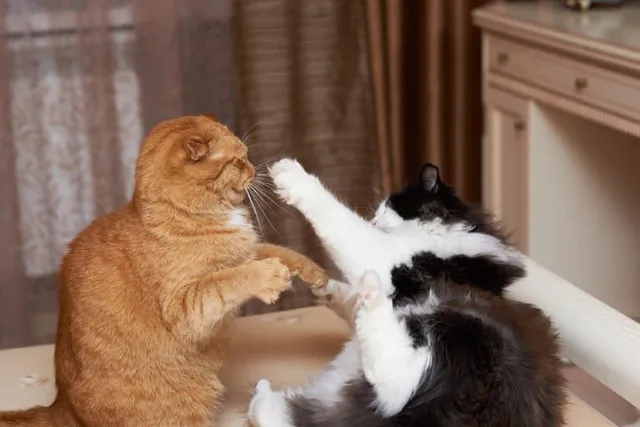
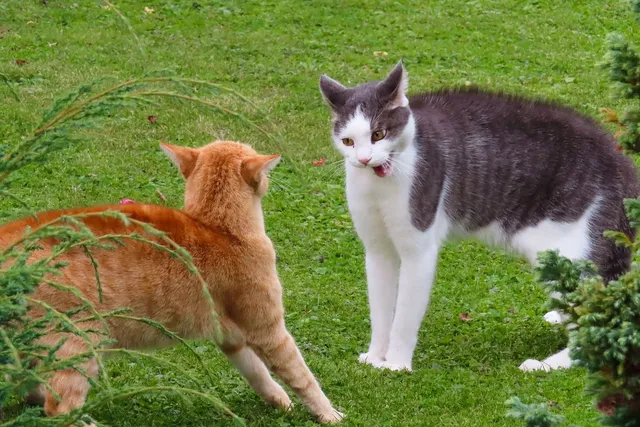
Feline non-recognition aggression is a phenomenon that occurs when one cat has been away from the house and, on their return, the home cat acts aggressively towards them. The returning cat will usually become defensive, and the two may end up fighting. It can be heartbreaking to witness this kind of aggression between two cats that have previously shared a close bond.
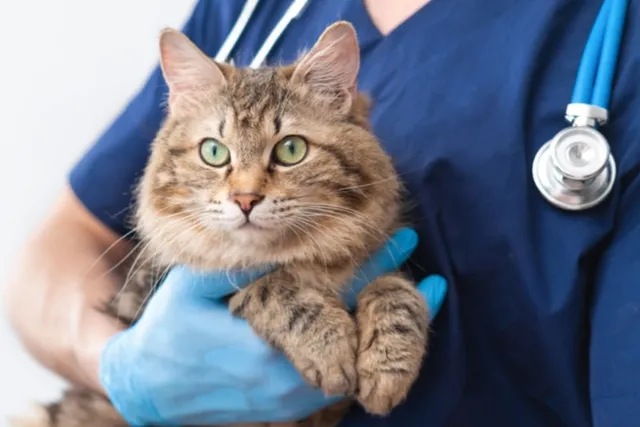
While this kind of aggression can happen when a cat has been to the groomer, pet-sitter, or for any other appointment, it most often occurs following a vet visit. It usually occurs because the returning cat has lost the group scent and may have taken on the scent of other humans, other animals, or even the vet or groomer. It is possible to help prevent non-recognition aggression, although with varied results, and it may require that the cats go through the whole introduction process again.
Read on for more information on this phenomenon, how to rectify the problem and how long feline non-recognition aggression lasts.

What Is Feline Non-Recognition Aggression?
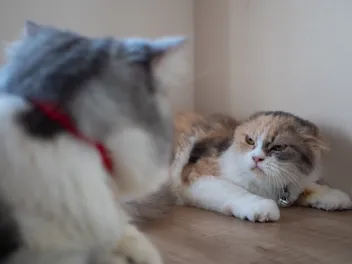
Even with cats that have bonded in a home or family unit, there may be occasional signs of aggression. One might do something to irritate the other, or there might be occasional competition over food or the best spot on the bed. But, for the most part, the cats will get along well. This can change when one cat leaves the house, for example, to visit the vet or groomer. When they return, the remaining cat can become aggressive towards the returning cat.
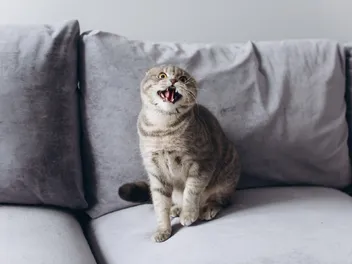
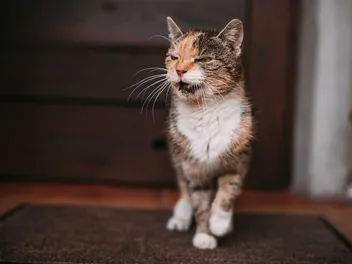
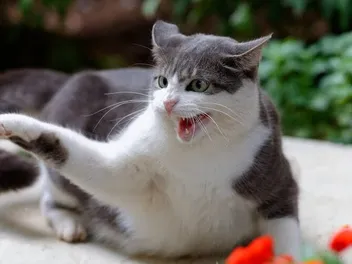
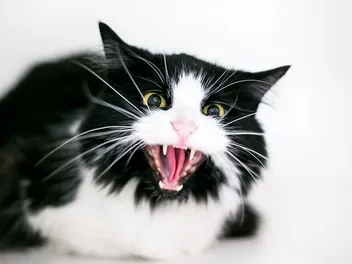
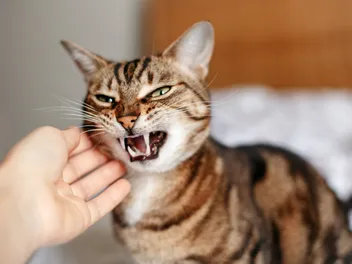
Signs of aggression include arching the back and hair standing on end, but this can progress to hissing, scratching, and biting. The returning cat will usually act defensively when the other cat becomes aggressive, and it can result in serious cat fights, although if you’re lucky, one or the other cat will retreat to a safe place.
While this type of aggression can rectify itself as the returning cat is allowed to settle back in and adopt the smell of the home and family again, if it is serious, owners may need to take steps to help the two get along.
This type of aggression can occur when one cat leaves the house for any reason. If one cat visits the groomer, or they have to go in a cattery while the other cat stays home, this can lead to aggression. However, a major contributor is when one cat visits the vet.

Causes
Non-recognition aggression can occur when a cat is away from the home for just a couple of hours, and even after the cats have spent years living together. It can occur when the leaving cat visits the vet, groomer, or pet shop, or is just taken on a car ride or walk.
The likely causes of this phenomenon include:
Prevention
Prevention of aggression is better than dealing with the aftermath, because if your cats do fight, it can cause a rift, and this can make it much more difficult to reintegrate the returning cat and ensure the home cat is comfortable in their presence again.
- To help prevent non-recognition aggression, you can try to keep the departing cat as calm as possible. This will prevent it from getting stressed or anxious, which can modify their behavior.
- You can also keep them apart until the returning cat has fully recovered from the medication they are on.
- Take a towel or cat bed with you to the vet, and when your cat gets in the car, rub the object on the cat to transfer some of the home scent.
- Alternatively, you can take both cats with you when you leave the house, even if only one of them needs to see the vet.

Solutions
If your cat has returned from a visit and there have been signs of aggression, there are steps you can take to try and remedy the situation.
- Bathe the Returning Cat – Bathing the returning cat can get rid of any unwanted and unrecognized smells, but this can also introduce new smells, which could cause further confusion with the cats at home. If the aggression is being caused because the cat at home doesn’t like the smell of the vet, this might help solve the problem, however.
- Supervise Closely – When reintroducing your cats, supervise them closely, and look for any signs of aggression between them. This can include hissing, a tense body, and even striking out.
- Separate and Try Again – If there are signs of aggression, separate the cats, let things calm down, and try introducing them again at a later time.
- Don’t Rush It – It is much easier to reintroduce cats that haven’t attacked one another or fought. So, if you see any signs of aggression, separate them, and be prepared to try again later. Don’t try rushing things or it can make the process much slower and more difficult than it needs to be.
Frequently Asked Questions
How Long Does Feline Non-Recognition Aggression Last?
Non-recognition aggression in cats can last a few minutes, or it can last hours or even days. Typically, how long the aggression lasts will depend on how gradually and carefully the cats are reintroduced. If you try rushing the introduction, it can lead to fights, and this will often prolong the time it takes them to get used to one another again.
Unfortunately, this kind of aggression can be unexpected, especially if your cats have lived together in harmony for many years.
What if the Cats Fight?
If your cats fight after reintroducing them, you need to carefully separate them. Once separated, check for any signs of injury. Then, take things very slowly when reintroducing them again. You can use a barrier to let the cats sniff one another without being able to come in contact.
In time, the returning cat will take on some of the group scent once again and this should make the next introduction go a lot smoother.
Why Are My Cats Acting Like They Don’t Know One Another?
Cats rely heavily on their sense of smell, and when two or more cats live together, their smells will mingle and create a group scent. All the cats in your house will naturally have this group scent, and if one leaves to visit the vet or go on any other excursion, they may lose this group scent and potentially replace it with another.
The cats at home will not recognize the scent and may be afraid of the new smell.

Conclusion
Even if your cats have been living together peacefully for years, feline non-recognition aggression can occur when one cat leaves the house without the other. When they return, they have lost some or all of the group scent.
They may also be acting peculiarly because of medication, anxiety, or stress, and if the cat at home recognizes the scent of the vet waiting room, this can also cause anxiety in them. To prevent non-recognition aggression, try taking the cats out together, rub them with a familiar bed or towel, and give them time before you try reintroducing them after the excursion.
Introductions can take time, but if you rush them, it can lead to fighting and this will make the process go much slower.
See Also:
Featured Image Credit: Nils Jacobi, Shutterstock
Expert cat care, straight to your inbox
News, insights, and useful advice, delivered to you.

No spam — unsubscribe anytime.
By signing up, you agree to our Terms & Conditions and Privacy & Cookies Policy.
How useful was this post?
Click a star to rate. You can leave written feedback afterwards. (We read all feedback.)
Matt is a freelance writer from the UK. He lives with his partner and daughter, as well as one dog and two cats.
A data analyst by trade, Matt moved from numbers to words more than 15 years ago and has been writing content ever since. Having volunteered at a local animal sanctuary, he has a lot of experience with different breeds of cats, dogs and horses. He currently shares his home with his partner and daughter, as well as a rescue dog from Macedonia (which might be an Akita cross) and two cats. Matt has also kept bearded dragons, a variety of birds, fish, guinea pigs, hamsters, mice, and rats. His daughter has adopted the same passion for animals, keeping and breeding snakes.
A geek at heart, Matt is a member of a local board gaming group that meets weekly, and regularly forces his family to “enjoy” board games with him at home.