Have you ever looked into your backyard only to find your cat rolling and writhing around on the ground? If so, there should be no need to worry about your cat’s health or well-being. In contrast, cats roll around on the ground for a number of reasons, all of which should cause no need for concern in normal circumstances.
To learn about the six main reasons cats roll around in the dirt, keep reading. We explain this common behavior and provide helpful tips for discouraging your cat from doing it in the future. Let’s get started.
The Behavior Explained
Because cats do not have the body construction of humans, with two legs and two arms, they sometimes have to use their entire body to fully take care of themselves. This includes rolling around in the dirt.
Cats are not the only animals who have to do this. In actuality, many four-legged animals have to roll around in the dirt to fulfill many of their maintenance and health needs. Dogs, for example, roll around in the dirt probably more regularly than cats.
In other words, cats rolling around in the dirt is just an example of them taking care of themselves or displaying natural and instinctive behaviors.
The 6 Reasons Why Cats Roll in Dirt
Here are the six main reasons that a cat may roll around in the dirt:
1. To Cool Down
This may sound a little gross, but cats sometimes roll around in the dirt to keep themselves cool. Cats don’t sweat like we do, and they need to find ways to cool down, despite their layers of insulation. Whenever soil has been freshly dug, the layer underneath will be soft and moist.
Whenever cats roll around in this moist layer, they get moisture on their fur and skin. Cats are not the only animals to do this. In fact, many animals all over the globe use dirt and mud to cool off and protect their bodies.

2. To Scratch Themselves
Don’t you hate it when you have an itch you can’t reach? So do cats. Since cats cannot fully reach their backs or other parts of their body, one clever way to scratch themselves is to rub against different objects, whether it be furniture or the ground.
You don’t need to worry if this is an occasional itch. However, if your cat has a regular itch and you find them excessively rolling or scratching, it can be a sign that they have fleas, a skin infection, or an allergy of some kind. Talk to your veterinarian to see why your cat is itching before it becomes a bigger issue.
If you need to speak with a vet but can't get to one, head over to PangoVet. It's an online service where you can talk to a vet online and get the advice you need for your pet — all at an affordable price!

3. To Mark Their Territory
Cats rely on scent-based signals to communicate with other cats in multiple situations. How cats typically mark their territory is by rubbing their scent on the object or ground. One of the best ways to do this is to roll around on the ground since scent glands are located on the flanks, paws, top of the head, and cheeks.
While they are marking their territory, they may be checking to see if another cat has been there before and how long ago. If they smell another cat’s scent, they might work hard to overpower that scent, showing the location as being theirs.
4. They Are in Heat
Female cats that have not been spayed will likely be seen rolling on their backs whenever they are in heat. Cats go into heat for the first time when they are approximately 5 to 6 months old, and they will have multiple estrus cycles during the “breeding season.” In the northern hemisphere, this starts approximately in January and February, is linked to the increased length in daylight, and will last approximately until late October through November. A full cycle can last 2 to 3 weeks and the phase of the cycle when a cat is in heat can last from as little as 2 days to as long as 19 days, meaning that a non-spayed cat may go through up to 12 heat cycles each year.
There is no way you could overlook a cat in heat. She will crouch with her front legs pressed to the ground and the tail turned to one side to show her vulva. It is common for them to roll on the floor and vocalize loudly to attract a mate. If you’ve never experienced your cat in heat, it’s even possible that you interpret all the above signs as injury or illness. Don’t hesitate to contact your vet in case of doubt.

5. To Play or as a Sign of Submission
Studies have shown that cats involved in mutual social play will roll on their backs exposing their abdomen. They may also do so as a gesture of appeasement or submission, depending on the context. It is unclear the exact role that this behavior plays between cats and even between cats and humans.
6. To Show They’re Happy!
Finally, the last reason your cat may be rolling around in the dirt is to simply show that they are happy and having fun. In many ways, your backyard is your cat’s playground. Rolling in the dirt keeps your cat entertained and happy, just as climbing a tree or chasing a bird would.
What to Do About It
Because cats roll on the ground for a number of reasons, some of which include aiding their health, it is generally not recommended to discourage your cat from this behavior. However, there may be instances when you want to discourage the behavior, such as when there are things on the ground that could harm your cat, such as sharp objects, pesticides, or other toxic chemicals.
Here are some ideas about how to prevent your cat from rolling around in the dirt:
Do Not Punish the Cat
First and foremost, do not punish your cat for this behavior. Punishment will only scare your cat and have a negative impact on your relationship, without leading to any real changes in their behavior. Whenever you scare your cat, they will be less likely to trust or listen to you in the future.
Instead, it is best to distract your cat and reward them for good behavior. Doing these two things will help mitigate the behavior while ensuring your cat is not scared of you. For example, mitigate some of the causes for rolling around in the dirt and give them other opportunities to express their natural instincts.

Keep Them Indoors
If you do not want your cat to roll around on the ground because of some sort of harmful chemical you have put on it, simply do not let your cat outside during this time. This will be the safest way to ensure that your cat does not ingest the chemicals or toxins.
Ensure Your Cat Is Cool
Additionally, make sure your cat has opportunities to stay cool whenever they are outside. This includes giving them a nice shady area, providing water, or bringing them inside on very hot days. This will mitigate your cat from rolling around due to heat.

Inspect Their Coat
If you think your cat is rolling around in the dirt because they are scratching themselves, it is crucial to maintain their coat and keep a close eye on their health. Obviously, treat the cat if you notice any pests or parasites on their body or coat. However, other issues, such as dander and dry skin, can also cause itchy backs.
Brushing your cat’s coat regularly will help you to keep the coat in good condition and to be able to act promptly in case of any skin problems. As a result, they will be less itchy and less likely to roll around in the dirt. Plus, being brushed feels better than rolling around in the dirt. Giving them plenty of opportunities to be brushed encourages them to get scratched that way, as opposed to the dirt.
For dander, bald patches, redness, scabs, and other skin issues, consult with your vet about the best treatment options for your furry friend.
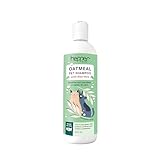
The best pet shampoos are carefully formulated to clean your pet without causing irritation. Hepper's Colloidal Oatmeal Pet Shampoo does a great job of this by combining soothing ingredients like aloe vera and colloidal oatmeal. It is also pH-balanced and free of irritants like dyes, soaps, sulfates, and phthalates. You and your pet will both enjoy the fresh, clean scent, too!
Encourage Rolling Inside
If your cat rolls quite a bit, limit their time outside and keep them inside instead. This will allow them to roll to their heart’s content inside, without risking exposure to harmful chemicals or getting dirtied up while outside.
Final Thoughts
Even though rolling around in the dirt sounds a bit gross to us, cats and other animals love to do it. For cats specifically, rolling around in the dirt fulfills a number of natural instincts, such as showing they are in heat, playing, and marking their territory. Additionally, it helps them maintain their health by helping them to cool down and scratch their back.
Because rolling around in dirt serves such an important function in cats, it is generally recommended to allow them to enjoy this behavior. If you are really concerned about your cat bringing dirt back into the home, minimize their time outside and let them roll around on the carpet instead. This will allow them to fulfill their instincts without trudging dirt into your home. Win-win!
Related Reads:
- At What Age Can Cats Have Catnip?
- Best Banana Cat Beds – Reviews & Top Picks
- DIY Cat Harnesses You Can Make Today (with Pictures)
Featured Image Credit: Cathleen Wake Gorbatenko, Shutterstock