Get

In Your Inbox

Catster is reader-supported. When you buy via links on our site, we may earn an affiliate commission at no cost to you. Learn more.

Cat Yowling: Sounds, Meanings, & Why They Do It (Vet-Approved)

Share

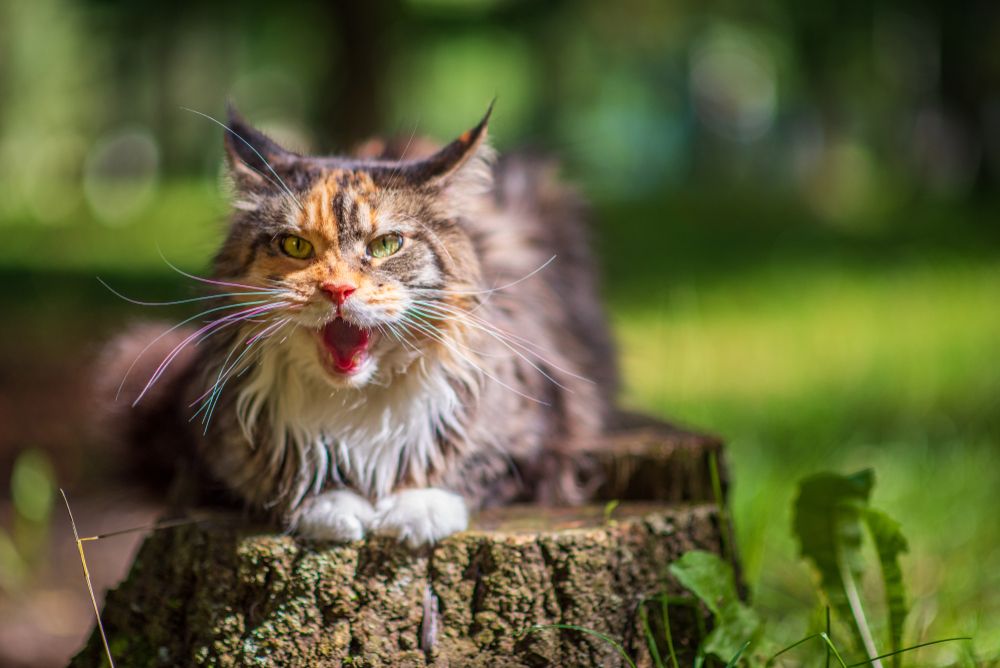
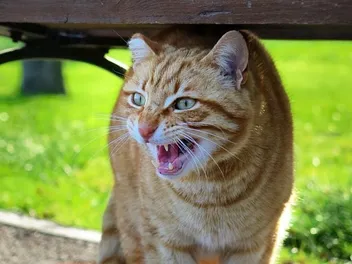
yowling adult cat at the park

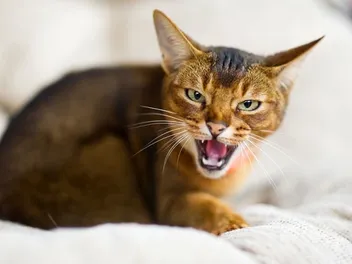
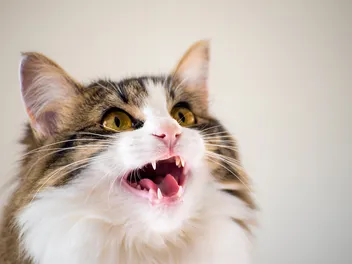
If you ever hear your cat let out a yowl it can be startling and concerning. A yowling cat is loud, and it can be quite obnoxious. But why do cats yowl at all? Should you be worried if your cat is yowling? The answers to these questions depend on your individual cat, but there is likely a good reason your cat is yowling. Yowling is natural, and most cats do it from time to time, but some cats do it more often than others.

This brief guide will cover why cats yowl, the meanings behind the yowls, and what to do if your cat is yowling. Most of the time, yowling is nothing to worry about, but sometimes your cat is trying to tell you something.

divider 3 paws

Cat Yowling vs. Meowing

There are two main differences between yowling and meowing. First, yowling is more drawn out and has been described as melodic compared to meowing. Meowing is normally short and clipped compared to yowling. Yowling is often a different pitch from your cat’s typical meow. Some yowling is higher pitched, and other yowling is lower pitched.

Second, adult cats do not meow at each other. Cats communicate with one another silently in the vast majority of cases. Cats do, however, yowl at one another, usually during mating season. Cats will meow at humans, but they rarely meow at each other. Cats communicate with one another in more subtle ways that are more effective than meowing.

Yowling is also called caterwauling. If you hear the word caterwauling in relation to your cat’s yowling, these two terms are interchangeable.

divider 2 cats

The 7 Reasons for Cat Yowling

1. They Are in Pain

One of the reasons cats yowl is due to pain. Cats that are yowling consistently could be suffering from a painful condition. Sometimes, this pain is obvious, like a wound or an injury, but other times, the pain could be more subtle from something like arthritis. If your cat is yowling and you believe they might be in pain or suffering from an underlying condition, you should take them in to get a full examination and workup by a veterinarian.


2. They Are Looking for a Mate

Yowling is a common sound that cats make when they are seeking out a mate. Cats that have not been spayed or neutered will periodically get the urge to find a mate, which can cause them to leave the house or even leave the property in search of other cats. Female cats that have not been spayed come into heat every two to three weeks during the breeding season (indoor cats can come into heat all year round). During this time, they will yowl to let other cats know that they are in the area and are looking for a mate. Male cats that have not been neutered may yowl when they hear or smell a female cat in heat. Cats that have been fixed won’t engage in this kind of yowling behavior.


3. They Are Stressed

Some cats are prone to stress. When things change, both big and small, it can cause cats to become anxious. This can cause cats to yowl in displeasure or out of anxiety. Cats can get stressed if strangers come around, if you move furniture, if something changes with their diet or their litter box, or if your routine changes. If you suspect that your cat could be stressed, the yowling can be a sign of that increased anxiety.

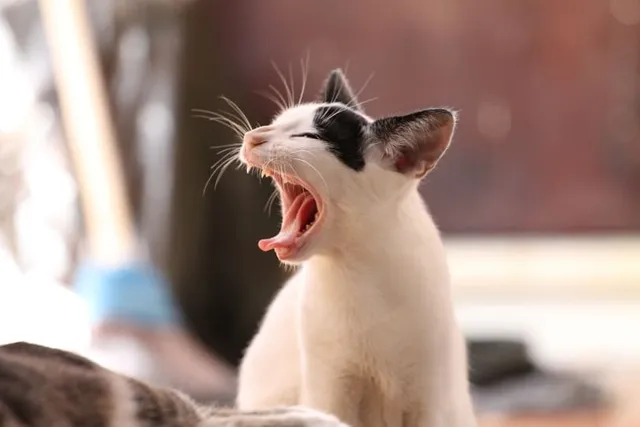
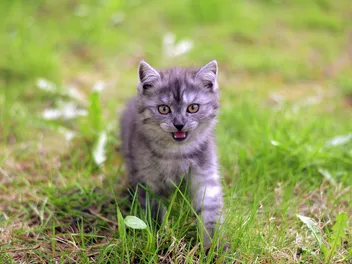
Yowling kitten on stones
Image Credit: Vitalii Biliak, Shutterstock

4. They Are Sending Out a Warning

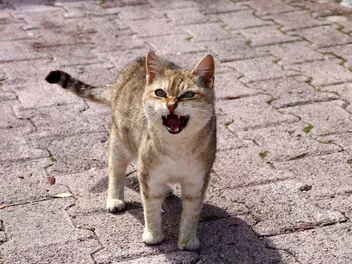
Some people think that “mean” cats yowl, and that is sometimes true. That is because yowling can be used as a warning. Aggressive cats will often yowl to warn people that they are feeling threatened. These cats usually puff up and bare their teeth while yowling. If you approach a cat in this state, you will likely be scratched or bitten. Cats can yowl to warn off other cats or warn off people. You can tell if yowling is a warning if it is accompanied by body language that typically denotes a fearful or aggressive cat.


5. They Are Suffering from Cognitive Decline

Older cats can suffer from dementia, known as feline cognitive dysfunction, caused by aging-related changes in their brains. Old cats suffering from cognitive decline might yowl for seemingly no reason. This is because they are not thinking as clearly as they were in the past. They might think they are yowling for a good reason, but their age is causing them to become confused. This kind of yowling is usually coupled with other signs like changes in sleep patterns, appetite and disorientation. If you suspect that your senior cat could be suffering from cognitive dysfunction, you should consult with a veterinarian.

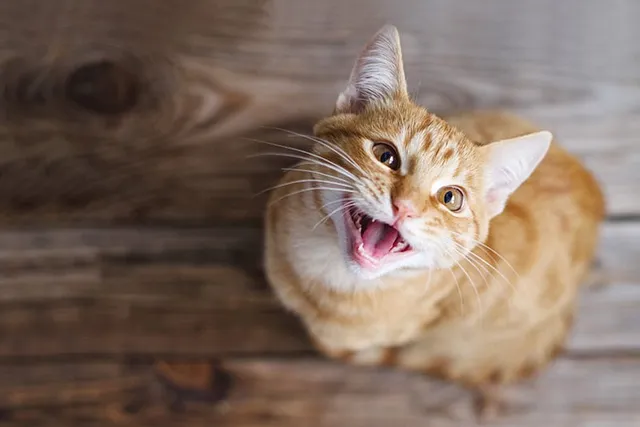
orange cat yowling outdoor
Image Credit: Vitalii Biliak, Shutterstock

6. They Are Hungry

Many cats are notorious hogs for food. Domesticated cats do not suffer hunger well, and when it is time for dinner, you might find your cat yowling in hunger. This is a common type of behavior for domesticated cats. If you find your cat yowling around mealtimes (sunrise and dinner time), then it could be related to hunger. Another way you can tell if the cat is yowling due to hunger is if they stop after they are fed and only start again when it is mealtime.


7. They Are Bored or Looking for Attention

Sometimes, cats will yowl simply because they are bored or are looking for attention from you or other cats. This is more common in indoor cats that spend all day in the same spaces than it is for outdoor or stray cats. You will rarely hear stray cats yowl out of boredom, but you will occasionally run into this behavior in domesticated indoor cats. If you go and pet your cat or interact with them after they are yowling and they stop, it is likely a cry for attention.

divider 3 paws

Why Is My Cat Yowling?

If you are wondering why your particular cat is yowling, it is likely due to one of these reasons. The best way to narrow it down is to go through the list and eliminate possibilities. For example, if your cat has been spayed or neutered, they are not yowling due to being in heat and the mating season. If your cat is young, they are probably not suffering from cognitive dysfunction.

If you take stock of your cat’s normal routine and track when the yowling takes place, you can usually figure out the cause. If you are struggling to pinpoint the exact cause of the yowling or you suspect that it is connected to a medical issue, you should take your cat to the vet for an examination to try and determine the exact cause.

divider 2 cats

Conclusion

Yowling is a natural part of a cat’s behavior. Some cats will yowl quite a lot, while other cats will hardly yowl at all throughout their life. Cat yowling is caused by a number of factors, including stress, mating, and pain. Some cats will yowl out of boredom or hunger. Every cat is different, but yowling is natural. If your cat is yowling an excessive amount or you suspect the yowling is connected to a health issue, you can ask a veterinarian for guidance.

See also:


Featured Image Credit: shymar27, Shutterstock

Want content like this delivered to you?

Sign Up For Our Newsletter

News, insights, expert advice, and everything cat

* By submitting, you agree to our Terms & Conditions and Privacy & Cookies Policy.


How useful was this post?

Click on a star to rate (you can leave written feedback after clicking submit)

Help us improve Catster for pet parents!

Your feedback really matters.

What did you like about this post? Also how can we improve it?

Join the conversation

8 Responses

  1. My 14 year old spayed cat yowls almost every time after visiting her litter box. The most recent move was 18 months ago from a house to an apartment. I have not moved furniture since moving in. She is getting more vocal as time goes on. Litter box habits seem to be within normal limits with normal amounts and timing has not changed. She does not strain while using the box. Do I need to be concerned or do you believe this to be normal?

    1. Hey Sheryl Krueger​​t at14, over 50% of cats show signs of Cognitive Dysfunction Syndrome (feline dementia), where they feel "lost" or anxious after finishing a task like using the litter box, causing them to yowl for reassurance. Additionally, many senior cats develop systemic hypertension (high blood pressure) or hyperthyroidism, both of which can cause increased vocalization and a sense of urgency or agitation that peaks around activities like using the box.
      We recommend a senior-focused vet check to rule out high blood pressure and thyroid issues, as these are very treatable and can stop the yowling almost immediately. In the meantime, try adding a small nightlight near her litter box area; if her vision is fading or she is feeling disoriented, a little extra light can help her feel grounded and reduce the need to "call out" after she’s done.

  2. If my cat has been outside for a good while she yowls when I let her in. Loud and insistent. she wants attention but it seems like there is something else. It seems as if she is telling me something I don't understand.

    1. Hi David, is she spayed? If not, this could be the reason. But so many possible variables as well. Try to observe her behavior when she goes outside; this might give you some valuable clues.

  3. My cat sadee has done this since she was like 1 yr old with, but only with birdy toys I got her. It's like she picks them up then wanders around the house calling out dinner time. If I hide the toys she doesn't do it. So I like to hide them really good where she can find them. I think she thinks she's feeding kittens or something.

    1. Hi Sadee’sServant. This sounds like a great and fun enrichment activity for your cat! Thanks for sharing your story with us. ????

  4. My elderly cat, Lola (18 years) has started yowling for no apparent reason. It was initially only when she went to lay down on my bed. Right before laying down she'll yowl loudly about 5 times, then lay down like nothing happened. This is not every time, maybe 1 out of 7 times. Today before drinking some water from her bowl, while I was sitting 15 feet away, she yowled 3 times, then drank . I called out to her and she looked at me and meowed. All was fine. She just had a physical a month ago and no issues were found. She does not seem stressed or in pain, in fact, she's sitting in my lap as I type (she has become very clingy also in the past 3 months), she's either in my lap while awake while I'm at home, or asleep on the bed. She sleeps with me all night and has been doing so for a couple of years. She sometimes yowls while I'm in the shower, but there's no consistent pattern to that, it's maybe once a week (I shower every day). She'll sit right at the bathroom door and yowl several times while I'm in the shower, if I poke my head out and call her name gently, she'll look at me and meow, then be quiet.

    1. Hi Stephen,
      Thank you very much for reading us, since Lola is 18 years old and this is a recent behavior I would not rule out cognitive dysfunction. We recommend you familiarize yourself with other signs of this problem so you can get help to help your cat. You might find these posts useful:
      https://www.catster.com/ask-the-vet/cognitive-dysfunction-in-cats/
      https://www.catster.com/cat-health-care/feline-cognitive-decline/
      https://www.catster.com/ask-the-vet/dementia-in-cats-vet-answer/
      Also, please feel free to book a one-on-one call with a certified vet at www.pangovet.com to help review the specifics of Lola’s behavior. While cognitive dysfunction is not treatable, you can play a significant role in delaying the progress with some changes in their diet and daily routine. Best wishes and again thanks for reading us!

Leave a Reply

You’re very welcome to leave a comment or question. Please know that all comments must meet our community guidelines, and your email address will NOT be published. Let’s have a positive and constructive conversation.


Catster's Digital Magazine is Back!

Vet-approved health & behavior advice

Real cat stories & community features

Chatting with Devin About Here! Have a Kitten, Fostering, & Why Two Are Better Than One | Chatty Cattys, Episode 29

In this episode of Catster’s Chatty Cattys podcast, Nicole & Dr. Karyn sit down with Devin, the founder and one-woman show behind “Here...

Decoding The Cat Loaf: What It Means and When to Worry

Few cat behaviors have captured the internet quite like the loaf. Paws tucked neatly beneath the body, tail wrapped in, perfectly rectangular. As...

Your Cat Isn’t Picky – Their Nose Is Just Bored

If you’ve ever sighed while scraping uneaten cat food into the trash, you’re certainly not alone. Many cat owners know the routine: their...

Ask Dr. Paola – Help! My Kitten Won’t Use the Litter Box! (July 27, 2026)

Welcome to our “Ask Dr. Paola” series, where every Monday we bring expert advice straight from Dr. Paola Cuevas (MVZ) to help our...

More related

11 Cat Breeds That Look Like Siamese Cats (With Info & Pictures)

You might love the beautiful color-pointed coat of the Siamese but want a breed that’s a little more laid back and a bit...

Celebrate Shelter Pets Day 2026: When & What It Is

Celebrate Shelter Pets Day is commemorated on the first Thursday after Thanksgiving, so the actual date changes from year to year. In 2026...

Can Cats Drink Salt Water? Vet-Reviewed Facts & Advice

We all grew up knowing that we shouldn’t drink salt water. That said, gargling with salt water seems to be a safe practice....

16 Colleges That Allow Cats: Where to Study With Your Feline Friend

College can be wildly exciting and incredibly stressful for young adults. Between social, academic, athletic, and relationship pressures, the mental health of college...

Keep reading

Can You Use Shredded Paper for Cat Litter? Vet-Approved Facts & Tips

All cat owners are familiar with the traditional clay cat litter, whether you started with it or still use it today. However, when scooping that dusty litter box becomes too much to bear, you might have come across an exciting...

Shredded Paper

11 Vet-Reviewed Cat Sounds & Their Meanings (With Audio)

Have you ever wondered what your cat is trying to tell you when they purr, meow, or chirp? Our gorgeous domestic cats use a wide range of vocal cues to express their opinions, and some cats are incredibly loud when...

cat meowing

Why Does My Cat Growl? Meaning, How You Should React & FAQ (Vet-Verified)

Pet cats are usually friendly and interactive with their human companions. But sometimes, they display aggressive behavior, such as growling. You may be wondering why cats growl and what it means when they do it. Is your cat acting territorial,...

angry cat hissing

Can CBD Help a Cat With Anxiety? Exploring Alternatives (Vet-Reviewed)

There have been limited scientific studies investigating the impact of cannabis-derived compounds in pets, but many pet parents are turning to it for help with their cat’s anxiety. Some pet parents report that CBD has helped their cat with anxiety...

Man giving CBD oil to a cat

My Cat Is Limping But Still Jumping & Running, What’s Wrong? Vet-Reviewed Advice

It is always a worrisome moment when we notice something wrong with our pets. We don’t like to think of our beloved feline friends being injured, hurt, or feeling unwell, especially as they can’t speak to us to inform us...

White and orange cat with limp leg on paved street

Why Do Cats Like Straws? 6 Likely Reasons

Most cat owners can attest that cats do strange things. Whether your cat sleeps in the sink or finds a way to get stuck in the window blinds, there’s rarely a dull moment with them around. Another common cat quirk...

cat playing with straws in glass

Do Bengal Cats Shed? Hypoallergenic Facts & FAQ (Vet-Reviewed)

Cats are at the forefront of the world right now. However, cat allergies are one of the world’s most common allergies, and even many people who are allergic to cats are trying to find a cat that they can keep....

Bengal cat sitting on the bed

Can Cats Eat Cicadas? Vet-Reviewed Health Concerns

As any cat owner will attest, cats are expert hunters. Their instinct for preying on small, fast-moving objects is baked into their DNA. This instinct and innate skill have been key to their survival. While small mammals like mice are...

Catster_Are Cicadas Toxic to Cats

Love Cats? So Do We! Join the Catster Community

Stay informed with expert pet care insights delivered straight to your inbox! Discover professional guidance on animal behavior, feeding tips, trusted product picks, and much more.


Sign up for the Catster Email Newsletter

Stay informed with expert pet care insights delivered straight to your inbox! Discover professional guidance on animal behavior, feeding tips, trusted product picks, and much more.