In this article
Families that are seeking the perfect feline friend to add to their household may have considered purchasing either a British Shorthair or a Russian Blue. While both of these kitties are loving and patient breeds, they have distinct differences. In this in-depth article, we’ll take a close look at what makes the British Shorthair and the Russian Blue so special, as well as give you tips on how to pick the cat that’s ideal for your needs.

Visual Differences

At A Glance
- Average height (adult): 12–14 inches
- Average weight (adult): 7–17 pounds
- Lifespan: 7–12 years
- Exercise: 1 hour per day
- Grooming needs: Moderate to high
- Family-friendly: Yes
- Other pet-friendly: Yes
- Trainability: Intelligent
- Average height (adult): 10 inches
- Average weight (adult): 7–15 pounds
- Lifespan: 15–20 years
- Exercise: 1 hour per day
- Grooming needs: Low
- Family-friendly: Yes
- Other pet-friendly: Often
- Trainability: Intelligent yet aloof
With chubby, cuddly bodies, thick fur, and big eyes, the British Shorthair and the Russian Blue are adorable cats ready for snuggling. However, there are some significant physical differences between the two purebred felines.
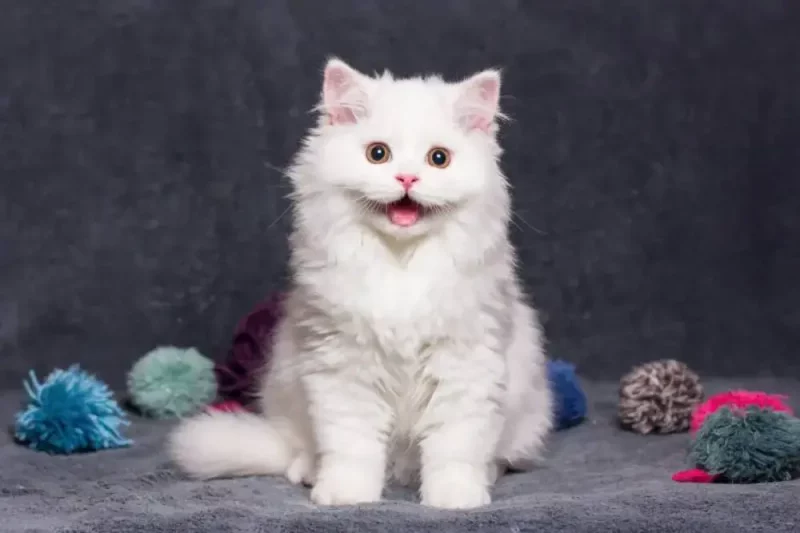
The British Shorthair is an exceptionally large cat. Tipping the scale at up to 17 pounds, they come in various colors, including blue, white, black, red, brown, cream, silver, smoke, and shaded. They typically have stunning eyes in such shades as blue, gold, and copper.
The Russian Blue, as their name suggests, is a silvery-blue colored feline with dark gray tips. They’re significantly smaller than the British Shorthair and can weigh between 10 and 12 pounds. They generally have deep, yellow eyes rimmed in green that develop into a bright green color once the cat reaches adulthood.
British Shorthair Cat Breed Overview

As a powerful and large purebred cat, the British Shorthair was initially developed to keep large rodents out of houses and barns. The Romans also used them at sea to keep the ship’s vermin population to a minimum. But don’t let this cat’s colorful history as a ratter fool you. Today, they make excellent companions who adore plenty of lap time with their favorite humans.
Personality
An easygoing and well-mannered cat, the British Shorthair is calm, cool, and collected, but don’t mistake their placid nature for a lack of love. The British Shorthair is a fiercely loyal and devoted cat that can develop a deep bond with their owner. They’ve been known to wait at the front door for you to return home from work or trot happily by your heels as you wander from room to room inside your home.
Despite her calm nature, the British Shorthair loves to play. Always be sure to provide her with plenty of toys to keep her sharp mind occupied. As her history as a hunter, the British Shorthair adores playing fetch or chasing down a catnip-filled mouse.
Health & Care
This curvy kitty is prone to obesity, so you must be mindful of what you feed her. Your British Shorthair also needs about an hour of daily exercise to keep her toned and healthy.
Because of her thick fur, your British Shorthair needs to be brushed every day, especially during seasonal changes. Brush her week a few times per week and trim her claws as needed.

Despite being a hardy breed, the British Shorthair is prone to some heritable conditions, including feline hypertrophic cardiomyopathy and hemophilia B. Routine vet visits are essential to stay on top of any potential health issues that could develop into something more serious later in life.
With Dogs and Kids
The British Shorthair is a highly tolerant and patient cat. If she doesn’t like how things are going, she’ll simply remove herself from the situation. This makes her a great fit for families with young children or dogs.
Suitable for
The British Shorthair makes a suitable breed for families with young children, apartment dwellers, and people looking for a loving, friendly feline. Except for their grooming care, British Shorthairs are relatively low-maintenance pets. They need daily exercise and regular brushing but no special requirements.
Russian Blue Cat Breed Overview

Because of her dense, double coat, the Russian Blue appears to be a gigantic cat. However, she will only grow to be about 7 to 15 pounds. With an exotic, triangular face, slender body, and gorgeous silver coat, the Russian Blue is definitely a show-stopper.
Long ago, sailors kept Russian Blues because of their rumored healing abilities. This trait earned the Russian Blue the nickname “the Archangel Cat.”
Personality
If you’re looking for an independent cat that is fine being by herself for long periods, the Russian Blue may not be the pet for you. Although they enjoy being alone for brief periods, they love being the center of attention and are known to become clingy.
Although she’s shy at first with strangers, the Russian Blue will warm up to new faces right away. She also enjoys a good amount of daily playtime. Due to her strong hunting instinct, the Russian Blue will love chasing a feathered fishing pole toy or a small ball.
Like their close cousin, the Siamese, some Russian Blues are very vocal cats. She’ll always tell you exactly how she feels with a meow, purr, or howl.
Health & Care
The Russian Blue loves mealtime and will generally eat a few small bites of her food throughout the day. Be sure not to overfeed your kitty by following a routine feeding schedule and using pre-measured amounts of cat food.
As a generally healthy breed, the Russian Blue can live to be up to 20 years old. The primary health concern is obesity, so always be sure to regulate her diet as needed.
This thick-coated cat needs daily brushing to keep her fur free from matting. Clean her ears, eyes, and teeth regularly.

With Dogs and Kids
The Russian Blue is a loving, social cat with a playful side. These characteristics make her the perfect partner for an enthusiastic child. However, the Russian Blue isn’t as patient as the British Shorthair, so always keep a close eye on her and your kids.
She is also very dog-friendly. However, she will make her irritation known by loud meows and hissing.
Suitable for
The Russian Blue is an excellent pet for families who want an affectionate, playful cat. She also makes a great companion for apartment dwellers and seniors. However, you should be aware that they have an extremely long lifespan. If you get a Russian Blue kitten, expect to have her for about 20 years.
Which Breed is Right for You?

For pet parents looking for a patient, relaxed kitty who will tolerate the excitement of young children, the British Shorthair may be the perfect breed for you. These large lap cats love lounging around after a fun-filled play session. British Shorthairs need daily brushings and are prone to some health issues as they age.
On the other hand, if you want a devoted and social pet, the Russian Blue could be a great match for your household. They need constant attention and may become clingy, and they can live 20 years.
Whichever breed you pick, be sure to provide your cat with plenty of love and affection, and she’ll return the favor for many years.
- Related Read: Russian Blue Siamese Mix: Pictures, Care, Traits & Info
Featured Image Credit: Left – PHOTOCREO Michal Bednarek, Shutterstock | Right – milivigerova, Pixabay