Coughing in Cats: Causes & Treatments (Vet Answer)

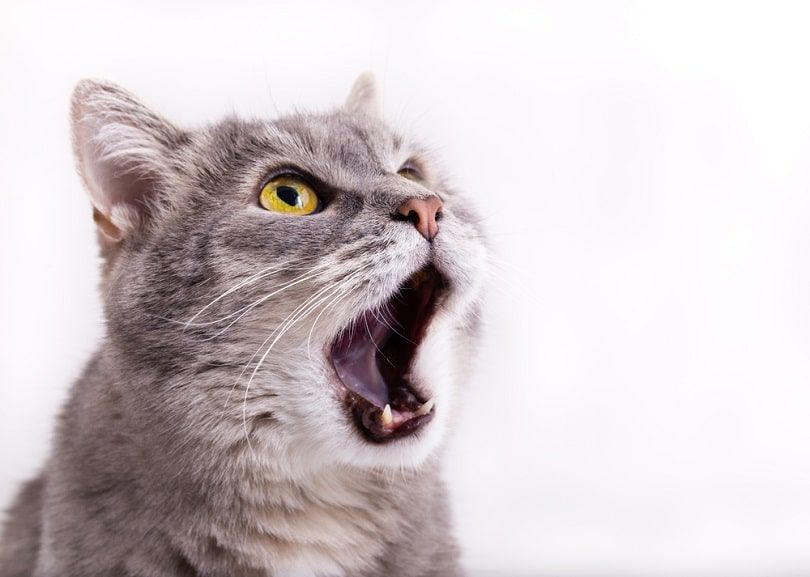
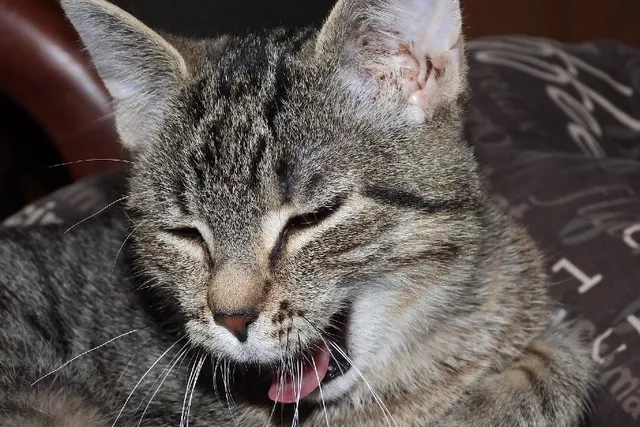
If you’ve lived with a cat, chances are you’ve heard them coughing at some point. Some coughs can sound quite loud and coughing episodes can seem to go on forever. But why do cats cough? Can it be normal for a cat to cough? And how do you know if the cough is serious, or a sign of an underlying illness?

Why Do Cats Cough?
Cats can cough for many reasons, some of which are normal and nothing to be concerned by, but others are a sign that you should arrange a check-up with their veterinarian. To decide whether or not you should be concerned about your cat coughing, first, you should be aware of the reasons why cats can cough, which are listed below. Remember though, that if you have any concerns that your cat is unwell, your best course of action is to contact your veterinarian, who will be able to help.
Hairballs
One of the most common (and least concerning) causes of cats coughing is hairballs. Cat hairballs are balls or clumps of fur that collect in the stomach or guts when your cat grooms themselves. If reasonably small, these can pass through in the poop without too much trouble, but if you have a long-haired cat or a cat that sheds a lot of hair and doesn't tolerate brushing, the hairball may get large enough to get lodged and end up being vomited or coughed back up. Occasionally, the hairball can cause a blockage in your cat's guts or stomach and needs to be surgically removed.
Signs that a cough is related to a furball are if the cough sounds productive like something is being brought up, or the cat is lowering their head and elongating their neck, in a posture suggesting they are trying to vomit. Commonly the furball itself is brought up after a period of repetitive coughing and gagging. If your cat is prone to hairballs you might have noticed clumps of fur in their poo already.
Prevention of Cat Hairballs
Spotting that your cat may be at risk of hairballs, either because of having particularly long hair or because they do not allow you to brush them, is the first step to preventing them. If your cat doesn't enjoy being groomed, you may have more success with gentler grooming options like grooming gloves, or other soft handheld tools that replicate being petted and stroked rather than groomed.
Should grooming be off the cards all together, various products can help to break down the furballs or help lubricate their passage through the guts. Speak to your veterinarian if you think that your cat would benefit from one of these options.

Cat Allergies & Feline Asthma
The most common cause of long term (‘chronic’) coughing in cats is feline asthma, an inflammatory condition of the airways which can be worsened by contact with irritants or allergens like cigarette smoke, chemical cleaners, home fragrances, or flower pollen. If allergy-related, it can be called feline allergic bronchitis.
Mild asthma or allergic airway disease in cats can be tricky to spot. Often your cat might have an occasional cough that you notice every few days or every week but never seems to develop into anything more. Although these cases should be monitored for any signs of deterioration, and allergens and irritants in the home should be avoided, treatment is not usually necessary unless there is a deterioration.
However, some more seriously affected cats may show signs that their breathing is affected. Labored breathing, with increased effort and an increased breathing rate combined with a cough, may suggest that your cat has feline asthma and requires treatment. It is important to seek veterinary advice if you notice any concerns with a cough that is becoming more frequent or associated with changes in your cat's normal breathing pattern.
Treatment of Feline Asthma or Allergic Bronchitis
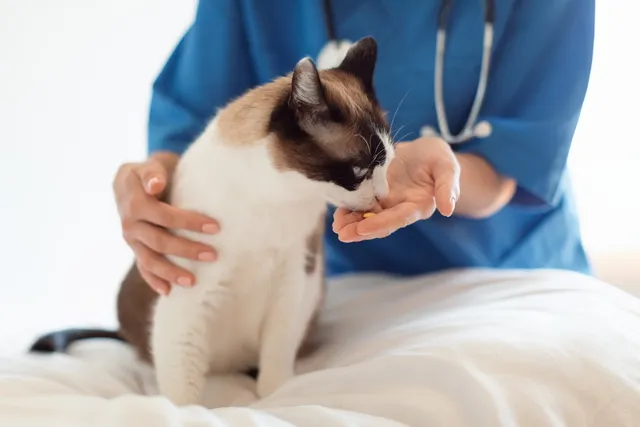
Treatment normally involves giving medication to reduce the inflammation within your cat's lungs. This is often steroid-based and can be given by injection, tablets, or even by inhaler, depending on what you and your veterinarian feel is best for your cat. Identification and avoidance of particular allergens is sadly often fruitless, as sensitive airways may flare due to more than just one substance.
Infections
Feline respiratory infections can also cause coughing if a viral or bacterial infection affects the lungs and lower airways. This type of condition may start in the lungs, but could also begin as a cat-flu or upper airway infection that then spreads down to the lungs if not treated promptly.
If dealing with a lung infection like pneumonia, you would likely notice other signs of your cat being unwell, aside from the cough. Your cat would likely be eating less, be less active, and may show changes in breathing rate or pattern.

Treatment of Feline Respiratory Infections
Quick recognition of symptoms and prompt examination by a vet will help the treatment to be initiated as soon as possible. Treatment would normally include antibiotics and anti-inflammatories and, depending on the severity of your cat's signs, your cat might need to be admitted by the veterinarian for monitoring or further tests.

Other Causes of Coughing in Cats
A less common, but preventable cause of coughing in cats is heartworm. It is not present in all countries but there are regular cases in the US. Although the name might suggest that it is a disease of the heart, in cats it tends to affect the lungs, because the worms will take up residence in the blood vessels of the lungs. If your cat is infected, they may show signs of coughing as well as vomiting or labored breathing. The worm is spread by mosquito bites, and regular anti-parasite treatment from your veterinarian will protect your cat from heartworm.
There are other reasons why your cat may cough, including cancer or a tumor within the chest, or foreign material like a grass blade lodged in the throat. If your cat has a new or persistent cough, call a veterinarian to organize a health check.

Frequent Asked Questions
Is it normal for a cat to cough?
Whilst not 'normal' for a cat to cough, there are reasons why your cat might cough that are less concerning than others. A long-haired or poorly groomed cat may experience hairballs which would lead to recurrent bouts of coughing or retching, often with a hairball brought up. If you think your cat may have hairballs, or you are concerned about your coughing cat, speak to a veterinarian for advice.
Is it bad if my cat coughs?
If your cat coughs occasionally and this is not getting worse, it may be nothing to be concerned about. Check whether you could be triggering the cough inadvertently by using home fragrances, cleaning products, or other irritants. However, if the cough is persistent or worsening, or your cat is unwell, it would be best to see a veterinarian as soon as possible.
What should I do if my cat keeps coughing?
If your cat has a persistent cough, regardless of whether it is worsening or not, it would be sensible to get them checked by a veterinarian. There are causes like hairballs that may not be serious or concerning, but it could be a sign that more investigation or treatment is required.

Should I be worried if my cat coughs?
Whilst there are reasons why cats cough that are not too concerning, it is never a good idea to ignore a potential symptom of illness. If you can identify a reason why your cat might be coughing, be that a cleaning product you have started using in the home, or if you have seen hairballs within your cat’s poo, it may be that you can intervene by preventing exposure of your cat to the irritant substance, or by giving a hairball management medication.

When Should I Take My Cat to the Vet for a Cough?
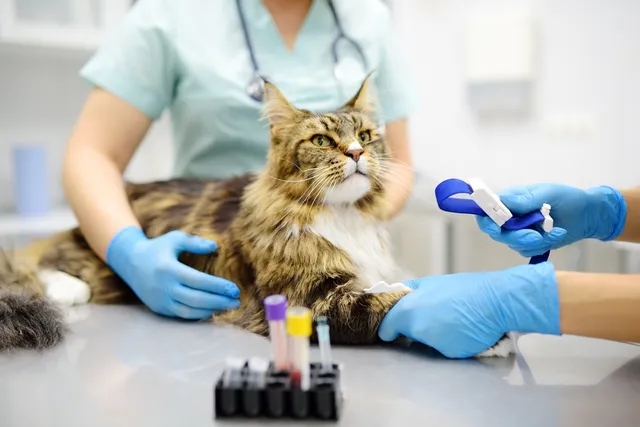
If your cat is showing other signs of being unwell, aside from the cough, then seeking veterinary advice right away would be sensible. Other signs might include being off their food or lethargic, or something more serious like labored breathing. However, if your cat is well aside from the cough, and the cough is infrequent and not changing, you may have time to consider whether you have inadvertently exposed them to an irritant that has triggered the cough, or whether they might have hairballs. If unsure whether your cat needs to be seen by a veterinarian, and how urgently, call your veterinary clinic who will be able to advise you on the best way forward.
Conclusion
Coughing in cats can have many causes, from mild irritants to more serious conditions like asthma or infections. Occasional coughing isn’t usually a cause for concern, but if it becomes frequent or worsens, it’s best to have your cat checked by a vet. Keeping your home clean, avoiding irritants, and scheduling regular check-ups can help keep your kitty healthy and cough-free. When in doubt about your cat’s health, always consult a veterinarian.
See also:
Why Do Cats Cough After Surgery? Medical Facts Explained (Vet Answer)
My Cat Coughing Sounds Like a Duck, What's Wrong? Vet-Verified Facts
Featured Image Credit: Ekaterina Kolomeets, Shutterstock
Expert cat care, straight to your inbox
News, insights, and useful advice, delivered to you.

No spam — unsubscribe anytime.
By signing up, you agree to our Terms & Conditions and Privacy & Cookies Policy.
How useful was this post?
Click a star to rate. You can leave written feedback afterwards. (We read all feedback.)
Dr. Joanna Woodnutt BVM BVS (Veterinarian)
Joanna is an experienced veterinarian working in the UK. She has written about pets and their health for many blogs, pet magazines and pet websites and loves to help readers understand their pets through her writing.
She has started her own freelance company so she can help more pet parents than just the one standing in front of her in a consultation room.
She enjoys teaching and educating clients, so a career in writing, public education and pet health is the perfect combination for her.