Why Is My Cat Breathing Fast? 5 Reasons Behind This (Vet Answer)



In this article
A cat that seems to be breathing faster than usual is always alarming and should be checked by your vet straight away. After all, any change from the ordinary often signals an underlying problem, particularly when it comes to breathing. Cats are very good at hiding their illnesses, so heavy breathing may be the first sign of an advanced and potentially life-threatening illness.
While fast breathing can signal that something serious is wrong with your cat, there are a few less-concerning reasons why your cat may be breathing faster than usual.
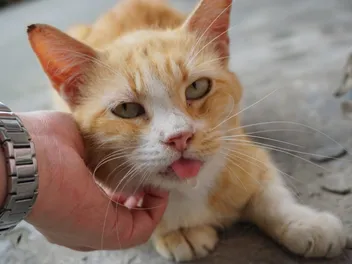
In this article, we’ll take a look at many of the common causes of this behavior to help you decode your feline. However, if your cat is breathing fast, in a labored way, or with an open mouth (resembling a dog panting), this is an emergency that may have a fatal outcome if not attended to in time, and it’s imperative to get your cat to the vet immediately.

The 5 Reasons Your Cat Is Breathing Fast
There are several reasons why your cat may be breathing quickly. Only a few of these are innocent, while most are dangerous and could indicate a life-threatening problem. For all cases of rapid breathing, veterinary expertise should be sought out straight away, as cats that may breathe fast due to an underlying heart or respiratory disease are at a risk of a fatal outcome if not treated immediately.
1. A Medical Reason
There are several medical reasons why your feline may be breathing quickly. Sometimes, changes in breathing may be accompanied by other signs. However, oftentimes, the other signs are vague and difficult to notice until one day the cat is suddenly struggling to breathe or is breathing fast with an increased effort.
Sometimes, cats may also sound snuffly or wheezy while breathing fast or may breathe with their mouth opened, like dogs when they pant. All of these, particularly open mouth breathing, are indicative of a serious underlying issue that needs emergency veterinary care.
Rapid breathing is medically known as tachypnea. It can be a sign that your cat’s oxygen level is low for whatever reason, such as anemia, or that there is an underlying heart, upper respiratory, or lung issue, as well as asthma. If there is fluid around or within the lungs, it can also cause your cat to breathe heavily. A build-up of fluid is usually caused by heart failure but can also be a sign of lung disease, infection, or cancer, which will typically involve other signs. A high body temperature or a fever will also cause a change in the cat’s breathing, making it faster than usual.

It is vital to familiarize yourself with normal cat breathing so you can recognize any early and subtle changes. Any changes in your cat’s breathing, either the level of depth or speed, no matter how mild you think they are, warrant a thorough check at the vet before it gets worse or becomes fatal.
Cats will take around 15 to a maximum of 30 breaths per minute when they are resting. Of course, if they are playing, this may be higher, but when they are at rest, you should be able to count their breaths over 60 seconds and notice if they are very subtle with minimal movements of the chest. If that’s not the case and the rate is over 30 breaths per minute or there is an increased effort, it’s imperative to call the vet straight away. One breath involves an inhale and exhale.

2. Pain
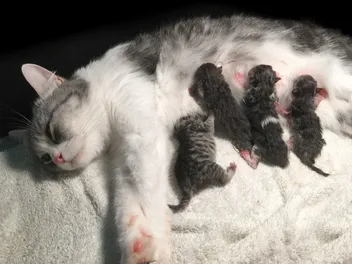
When in pain, cats will usually breathe quickly or may even pant. There are many underlying issues that can cause such levels of pain. Cats that are giving birth may also pant for a few seconds because of pain during contractions, even if everything is going well. But in this instance, it’s temporary and resolves on its own promptly, usually as soon as a kitten is delivered.
In many cases, you may know why your cat is in pain. In other situations, you may not. One example is sudden onset of heart failure that has led to a blood clot formation that blocked off the cat’s aorta, causing severe and excruciating pain in the hind legs. The cat will drag their back legs and will howl in pain, as if they have something broken. Time is of essence and you need to get to a vet immediately.

Traumatic injuries, fractures, urinary blockages, and many others may cause your cat to pant due to the pain they are experiencing. Either way, you will need to contact your vet so your cat can receive the treatment they desperately need. Many medical conditions cause pain and heavy breathing. It is impossible and even reckless to try and diagnose your pet at home. It will just be a waste of precious time. Instead, leave it to the professionals. Your vet will examine your cat and run appropriate tests to figure out the cause.
3. Exertion and exercise
Exercise, particularly in warm weather, may cause your cat to breathe faster. Playing, chasing toys, or having a moment of zoomies around the house can often lead to faster breathing. If by any chance your cat is being chased by another animal or is chasing something outside, this may also cause changes in their breathing, as they have not only exerted themselves physically, but they have also experienced stress. But we’ll get to that later.
It is important to note that a degree of stimulation can sometimes occur in their sleep as well. Cats often dream, and their breathing can change during these periods. They may be having a stimulating dream, which can cause their heart rate and breathing to quicken. This is not necessarily a bad thing, though. However, even when dreaming, their breathing rate should not be higher than 30 breaths per minute, and certainly not consistently. If that is the case, speak to your vet and get them checked out promptly.

4. Anxiety and Stress
Anxiety can also cause cats to breathe quickly. This goes along with the stimulation reason we previously discussed. The cats are very concentrated on their surroundings. They like to observe and stay alert, and can easily become anxious, stressed or scared. Oftentimes, we fail to notice or acknowledge any subtle changes in our environment, while our cats may act fearful and jumpy.
This is most common when something scary happens, which sends out cats into fight or flight mode. In most cases, the rapid breathing will only last for a few minutes as the cat considers the information. However, suppose the cat is anxious for an extended period (like what happens when a new animal is introduced to the home, or a new baby has joined the family).
In that case, they may continue this behavior until the stressor is removed from their environment, they find other coping mechanisms, or the anxiety passes. If not, they may develop chronic behavioral issues. It’s also important to speak to your vet if you believe your cat is suffering from anxiety, and to identify the cause, so you can hopefully reduce the stress for your kitty.
5. Sniffing
Of course, sniffing is not considered fast breathing in that sense, but we felt it was important to explain it as well.When cats sniff, their chest will rise and fall more rapidly and noticeably. Usually, they will also be concentrated on whatever it is they are sniffing. Usually, this occurs alongside something stimulating. So, if a new cat walks into the room, it is normal for a cat to sniff and observe as they investigate the new animal (even from afar).

Treating Rapid Breathing in Cats
In most cases, rapid breathing is a sign of a serious health issue. Because of this, you need to contact your vet immediately and potentially rush to an emergency vet, who can get to the root of the underlying problem and make your cat more comfortable.
Unfortunately, depending on the illness that has caused the rapid breathing and how far it may have progressed, the cause can sometimes not be fixed, but at least your cat will receive oxygen and pain killers. In rare cases, the change in breathing is temporary and harmless and only part of being a cat. For example, if your cat is running around the house and playing vigorously, or your feline is sniffing something, they will be breathing faster than normal for a short bit. If you are not sure about your cat’s breathing, always promptly consult with your vet.
Common Treatments for Rapid Breathing
1. Work With Your Vet
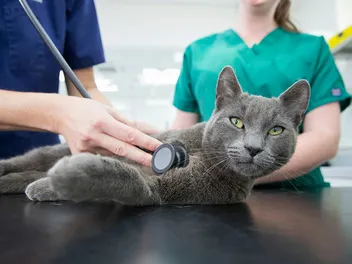
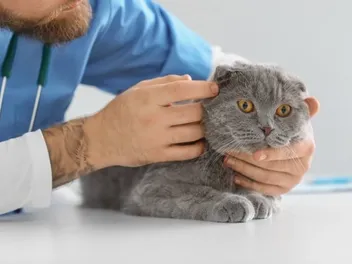
If your cat is rapidly breathing and it’s not related to zoomies, it’s crucial to take them to the vet. Your cat may have other signs as well. This is not always the case, though. Many cats are very good at hiding their underlying illnesses, so you may never notice that something is too late until it is seriously wrong. It is always better to treat diseases early and quickly – before they progress into something serious.
If you’re confused about your cat’s breathing in any way, you should contact your vet. They can examine your cat and run tests, which will help figure out if something is wrong with your feline. If nothing is wrong, you can have some peace of mind the next time your cat exerts themselves and breathes faster than normal. If this breathing has occurred occasionally or for an extended period, but there is no apparent health condition according to your vet’s investigations, it may be a sign of anxiety or stress, which also needs to be addressed.
2. Address the Stressors
If your vet confirms there is no underlying health condition, your feline may be stressed. First, you need to identify the cause of their stress, which may be as simple as new furniture, new cats in the neighborhood, recent visitors to your house, change in their routine, or something else. Afterwards, there are ways to reduce your cat’s stress, depending on the cause. Ideally, you’ll remove the stressor or ensure they are exposed to it very gradually and over a period of time so they can adjust. Anticipate a stressful event, ideally weeks or days before it happens, so you can provide your cat with calming pheromone diffusers and extra hiding spots in a quiet and private area of the home.
If you have adopted a new pet, make the introductions slowly and allow the animals to back off when they have had enough of interaction. Ensure all animals have their own bowls, beds, toys, scratching posts, and litter boxes in case of cats, and all interaction should be supervised. They should also have their own resting area where the other animal cannot disturb them in any way. Introduce them slowly to get used to each other before being allowed in the same area for longer periods. Speak to your vet or a feline behaviorist about ways to manage stress and anxiety in cats depending on the particular scenario, as chronic stress may lead to serious health issues for your kitty.
Let’s Conclude
When it comes to our pet’s health, it is always better to be safe than sorry. If your feline is breathing rapidly and it’s not related to a short moment of exertion during exercise and playtime, call your vet. Unfortunately, most cases of rapid or abnormal breathing in cats point to an underlying illness that is commonly related to the heart, lungs, or upper respiratory tract, or may be a consequence of a fever or anemia. All of these require veterinary attention, and breathing difficulties are genuine emergencies.
Related Read:
Sources
Featured Image Credit: TheMetalDroid, Shutterstock
Expert cat care, straight to your inbox
News, insights, and useful advice, delivered to you.

No spam — unsubscribe anytime.
By signing up, you agree to our Terms & Conditions and Privacy & Cookies Policy.
How useful was this post?
Click a star to rate. You can leave written feedback afterwards. (We read all feedback.)
Christian started writing for a local newspaper as a teenager, and he's been involved in the publishing industry for most of his adult life. Combining his love of writing with a passion for animals, he is currently the Director of Editorial at Pangolia and the Editor-in-Chief at Catster.
Christian lives in the Philippines with his wife, son, and four rescue cats: Trixie, Chloe, Sparky, and Chopper.