Can Cats Have ADHD? Our Vet Explains Feline Behavior

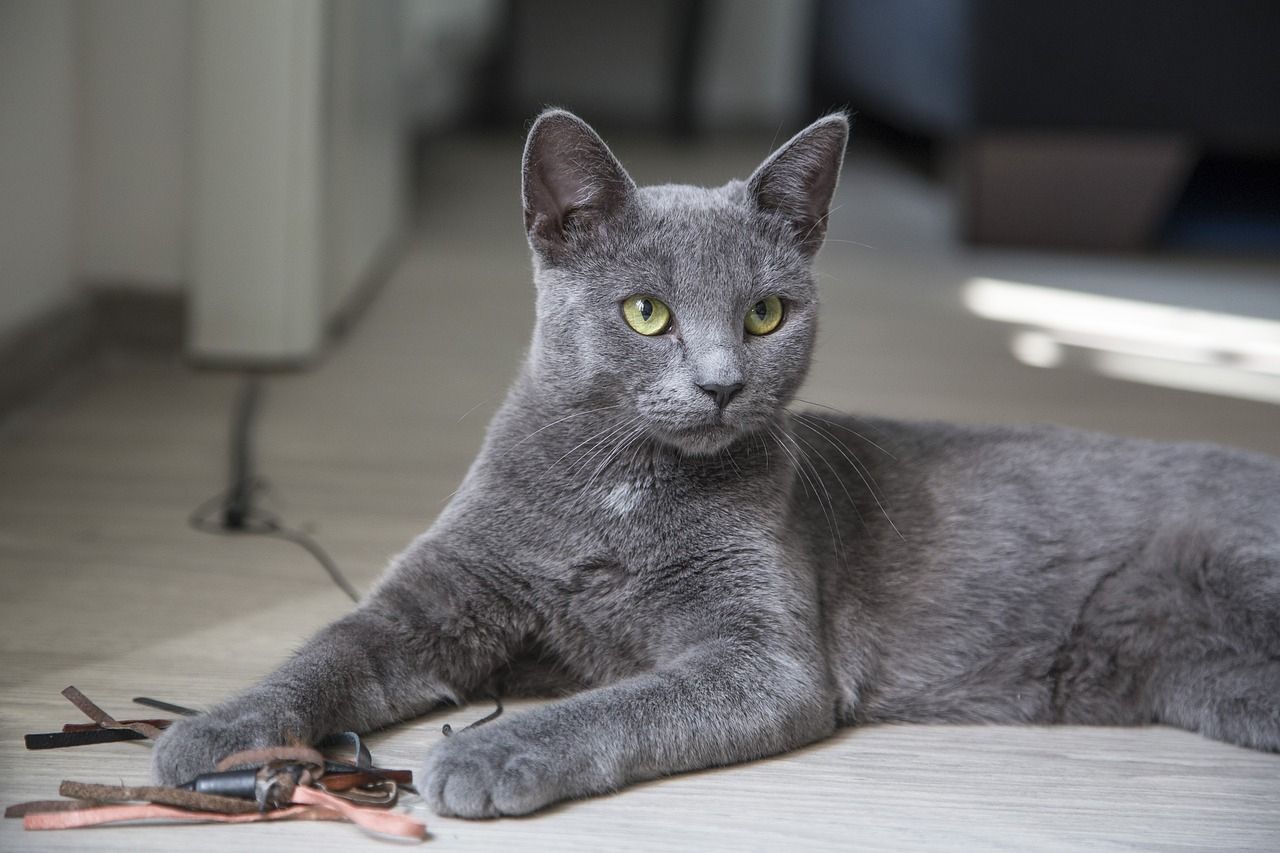
If you have a cat, you know that they can go from zero to 100 in no time. This may make you wonder if your cat could have ADHD. The short answer is that there is currently no clinical evidence to support the existence of attention-deficit/hyperactivity disorder (ADHD) in cats. We cannot definitively say that ADHD does not occur in cats, but presently, it is not a recognized condition.
According to the Centers for Disease Control and Prevention (CDC), signs of ADHD in people include being easily distracted, forgetfulness, hyperactivity, impulsiveness (acting without thinking), and difficulty getting along with others.1
In this article, we will explore how these traits are not necessarily signs of you having an ADHD cat.

The 5 Traits in Cats That Are Not Necessarily Signs of ADHD
1. Easily Distractable
While cats are capable of extreme focus (e.g., stalking behavior), they can also appear to have short attention spans. Many owners will attest that their cat seems to lose interest in a toy after just a few minutes of playing.
This is very normal and should not be considered a sign of ADHD in cats.
To maximize your cat’s play experience, experts recommend:

2. Forgetfulness
Cats generally have excellent memories, particularly when it comes to food and interactions with people and other animals (both positive and negative). Just like with humans, cats’ brains change as they get older. They can even develop feline cognitive dysfunction syndrome (fCDS), also known as feline dementia.
Talk to your veterinarian if your cat seems to forget things they once knew, or if you notice other changes like:
3. Hyperactivity
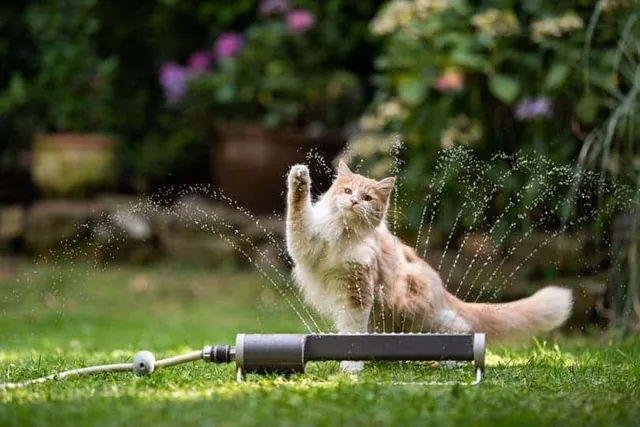
Many cat owners have witnessed sudden bursts of activity that seem to come out of nowhere, often referred to as “zoomies.” This can be a completely normal cat behavior! It may be due to feeling playful, chasing imaginary prey, or simply burning off some extra energy.
Hyperactivity can be a cause for concern if it is a new behavior for your cat. If you are worried, consider scheduling an appointment with your veterinarian.
Your veterinarian can help rule out conditions like:
It is also important to note that suddenly bolting through the house could be a fear response, particularly if it is followed by hiding. Your cat may have simply been startled, but if this behavior occurs regularly, they may need help working through an underlying phobia.
4. Impulsiveness
Impulsiveness means acting without thinking about the possible consequences. An example could be jumping from a tall perch without considering its height. In many cases, impulsive behavior in cats is instinctive (for example, a flight response after being startled).
However, recent research has identified impulsiveness as one of the “Feline 5” personality traits and determined that high levels of impulsiveness in cats appear to be correlated with stress. These cats may benefit from a veterinary behavior assessment.
If you are interested in learning more about your cat’s personality type, you can take a quiz here.
5. Difficulty Getting Along With Other Pets
All cats are individuals with a wide range of willingness (and ability) to share their space. Some adapt to other pets relatively easily, while others have a very hard time. This may be influenced by their genetics, personality, socialization, and life experiences.
Difficulty getting along with other animals does not mean that your cat has ADHD. They may just need some extra help learning to coexist peacefully with another animal. Your veterinarian can help, and the Indoor Pet Initiative is also a great resource if you are thinking about introducing a new pet to your home.
Conclusion
So, can cats have ADHD? While they may demonstrate similar behaviors to people living with this condition, it is not currently recognized in cats. If you are interested in learning more about your cat’s behavior, the American College of Veterinary Behaviorists’ book, “Decoding Your Cat”, is an excellent place to start.
If you ever have concerns about your cat’s behavior, and particularly if you notice changes (either suddenly or gradually over time), please contact your veterinarian.
Sources
Featured Image Credit: Milada Vigerova, Shutterstock
Expert cat care, straight to your inbox
News, insights, and useful advice, delivered to you.

No spam — unsubscribe anytime.
By signing up, you agree to our Terms & Conditions and Privacy & Cookies Policy.
How useful was this post?
Click a star to rate. You can leave written feedback afterwards. (We read all feedback.)
Dr. Sharon Butzke DVM (Veterinarian)
Sharon has been drawn to animals for as long as she can remember. She was raised in Ontario, Canada and fulfilled her childhood dream when she obtained her Doctor of Veterinary Medicine (DVM) degree from the Ontario Veterinary College in 2009. Since then, she has worked in a variety of small animal clinics, with a focus on cats and dogs. She loves sharing her knowledge and empowering people to take the best possible care of their pets! Sharon currently resides in British Columbia with her husband, daughter, and a loveable Great Dane named Parker.