Your Cat Doesn't Like Catnip? 6 Vet-Approved Alternatives


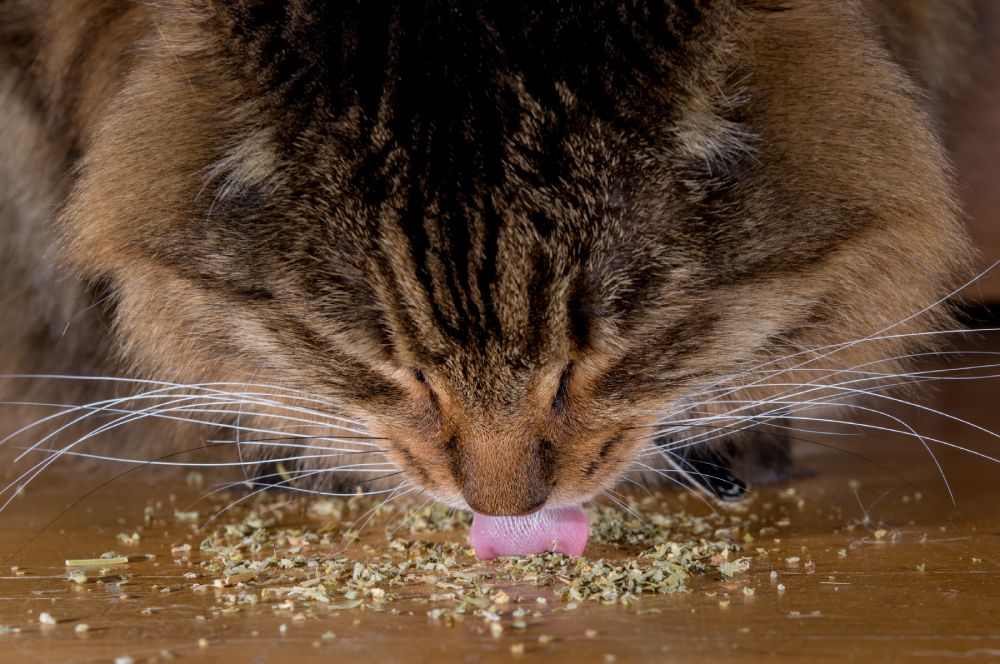
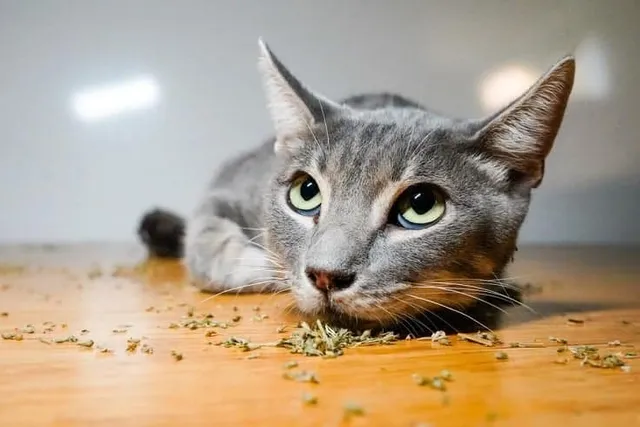
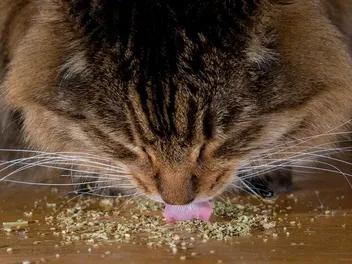
Not all cats are reactive to catnip. And sometimes, you might not like your cat quite as much when they are on the catnip high. Some can be very hyperactive and even aggressive. So for whatever reason you're looking for catnip alternatives, we certainly have some other options for your feline friends.
Below, we rounded up six different alternatives that you can consider. You could get one to try, or a combination of several. Let's learn about each one and what they can do for your cat.

Always Check With a Vet
Before introducing anything new into your cat's daily routine, it is best to ask a veterinarian first. They might be able to give you helpful tips or explain potential side effects of anything you're thinking about buying.

The 6 Catnip Alternatives
1. Silvervine
Silvervine, scientifically known as Actinidia polygama, is a plant native to Russia, Japan, and China. Believe it or not, it is a member of the Kiwi family, although it might not look like it at first glance. Silvervine produces beautiful cup-shaped, snow-white flowers.
In October and November, the silvervine also blooms an orange, egg-shaped fruit known as a gall fruit. For years, silvervine has been used medicinally with humans as an alternative medicine. It is mildly hallucinogenic if consumed in large enough quantities.
Interestingly, for cats, silvervine gives them a euphoric feeling that is very similar to catnip. Your cat only has to smell silver vine to get the benefits of it. It can produce hyperactivity, licking, an affectionate nature, or sedation.
Each cat might act slightly differently depending on their personality and the way their body metabolizes this substance. Silvervine contains an active ingredient called nepetalactol. While silvervine is not addictive to cats, it does contain a substance that is often comparable to morphine in humans.
In addition to the psychoactive effects of silvervine for cats, it is also a terrific insect repellent if used topically. You can buy silvervine in stick or powder form.
2. Catmint
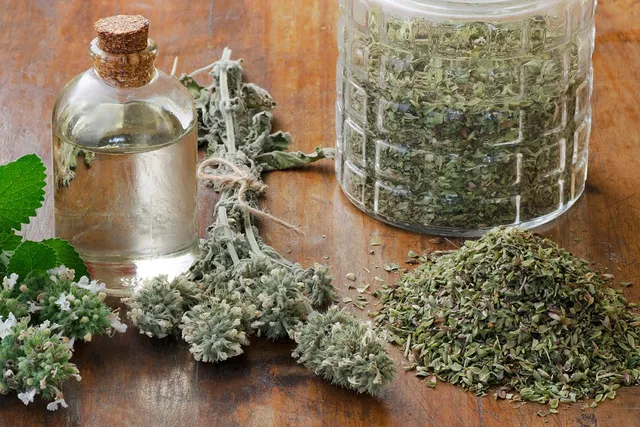
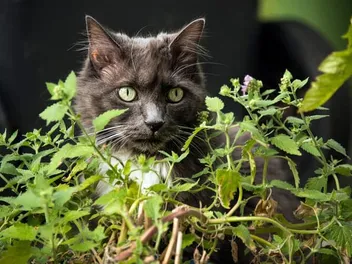
Catmint is so good for cats that even the name tells all. Catmint, otherwise known as Nepeta, really has an impact on cats. Despite being in the same genus as catnip, catmint and catnip are not quite the same thing.
Interestingly, there are over 50 different kinds of catmint. For most cats, it produces a euphoric or hyperactive state. Just like catnip and silvervine, it changes the cat's behavior, and it can happen in various ways depending on the individual cat. The entire plant is completely safe for your feline friends, so you never have to worry about negative side effects. However, an interesting fact about catmint is that it doesn't often work on young, sexually immature animals.
The fabulous thing about catmint is that you can grow it in the comfort of your garden. It grows quite easily and requires little tending. Like many mint plants, it can take over its surroundings, so always plant catmint in a controlled space.

3. Tatarian Honeysuckle
Interestingly, there are over 180 different species of honeysuckle. Depending on the particular type, honeysuckle can grow in shrubs or vines. Tatarian honeysuckle (Lonicera tatarica) contains a chemical called nepetalactone, which has a very similar effect to catnip.
It is estimated that approximately 85% of cats respond to honeysuckle, and many of those do not respond to catnip. So this is actually very good news if your cat does not seem affected by catnip or other options. Some cats can like both catnip and Tartarian honeysuckle.
While it is still speculation, honeysuckle seems to make cats less aggressive than catnip. However, always exercise caution the first couple times your cat is introduced to honeysuckle, so you can get a good look at their behavior.
It is very important to be careful exactly what kind of honeysuckle you're offering to your cat. Some types of honeysuckle can be toxic. So, we don't recommend going out in the woods and picking honeysuckle to give to your cat.
4. Valerian
Valerian (Valeriana officinalis) is a flowering plant that is native to Europe and Asia. Medicinally, the root is most often used as it is the most potent. The extract generally treats issues like insomnia and gastrointestinal problems. It is fantastic for people and pets alike.
Cats are affected by valerian by both consumption and smell. Often, companies create treat-like valerian for cats to encourage them to eat it.
Do you have a particularly anxious kitty? The valerian root is extremely safe for your cat, and it's also very beneficial. Valerian often acts as a sedative, calming anxiety and restlessness. So if your particular cat struggles with being a little neurotic, they might thrive with valerian.
It is important to mention that human-grade valerian powder is not necessarily safe for your felines, as it might contain other ingredients. Usually, consumption is better for anxiety, giving the euphoric sensory effect. If it is sniffed, it has a more similar effect to catnip.
Valerian might be the least reactive on our list, affecting roughly 50% of cats.

5. Cat Grass
Even though it contains no psychoactive effects, cat grass is a wonderful green to have on hand. If you have a cat hanging around that loves to chew up your house plants, you might want to redirect their attention to their very own patch of grass.
Cat grass typically consists of barley, oat, or wheat sprouts that your cat can gnaw on all day long. Cat grass provides some much-needed roughage in the diet, which may benefit their gastrointestinal systems.
It has yet to be discovered exactly why cats are attracted to cat grass. However, if your cat tends to gravitate towards plants, cat grass can be a very good way to channel this energy. Cat grass is pretty easy to grow, and most people seem to be able to do it, even those who would admit that they don't have much of a green thumb.
It is readily available to buy at pet stores and online, so you never have to worry about being short. It takes chia pets to a whole new level.
6. Cat Treat Balls
This is another option that really doesn't have any psychoactive effects unless you put something in the treat ball. You can buy cat treat balls online or in-store. They are generally stuffable, filling them with your cat's favorite treats.
If you have a cat that's very food motivated but you want to make them work for it, getting a cat treat ball is a fantastic way to do this. It encourages play and really gives your cat that little kick to seek out the goodies.

Conclusion
If your cat doesn't seem interested in catnip, you now have six more options that you could try out. Some cats aren't very reactive to psychoactive plants in general, so don't be discouraged. If they aren't, they might still benefit from a treat ball or cat grass. Get a little bit creative and see what you can come up with for your pals.
Featured Image Credit: Doug McLean, Shutterstock
Expert cat care, straight to your inbox
News, insights, and useful advice, delivered to you.

No spam — unsubscribe anytime.
By signing up, you agree to our Terms & Conditions and Privacy & Cookies Policy.
How useful was this post?
Click a star to rate. You can leave written feedback afterwards. (We read all feedback.)
As a freelance dog writer and passionate pet enthusiast, Ashley Bates is pursuing studies in animal therapy. A mother to four human children and 23 animal companions, Ashley is dedicated to volunteering at shelters, advocating for animal rights, and rescuing animals in need. Her goal is to spread awareness, provide education, and offer entertainment about pets to reduce homelessness. Ashley's specialties include dogs and cats.