A One-Day Event Trains Animal Lovers to Give Pets Political Voice
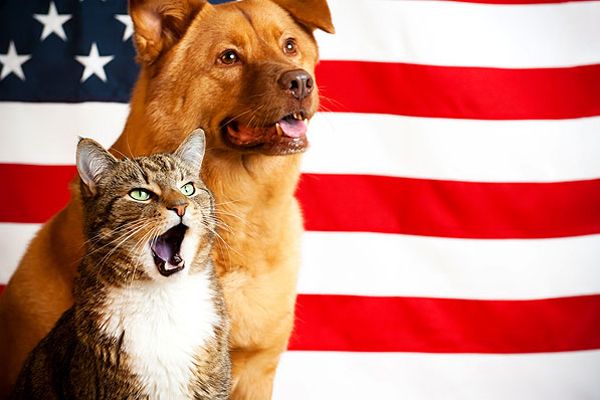
In an age where big money runs politics and average citizens seem to have less say in the the making of laws, it's refreshing to know that regular people can still make a difference, even in animal welfare legislation. Thanks to the Humane Society of the United States and its Humane Lobby Days, animal lovers have a forum for making their voices heard. Held annually in each state capital, these inspiring one-day events introduce animal advocates to the skill of lobbying and how to use it to encourage state legislators to support humane laws.

"The purpose of Humane Lobby Days, which are sponsored by Human Societies all over the country, is to give animal advocates an opportunity to let their state legislators know that they care about animals and they'd like to have laws passed that protect animals," said Debra Berger, HSUS Georgia state director. "So many people who care about animals don't realize that they really can be a voice for the voiceless."
I attended a Humane Lobby Day in my home city of Atlanta at the Georgia State Capitol on Feb. 3. Surrounded by 75 fellow animal lovers in the historic building's grand rotunda, I felt inspired by the energy of our group and excited to learn about what the Georgia HSUS has been accomplishing. But more than anything, I wanted to know how I could help make a difference for animals in my state.

Our real, live example of what lobbying is and how it can play a positive role in the legislative process took the form of the Georgia Cost of Animal Care Act (COAC). Berger explained there's a huge cost associated with caring for abused or neglected animals while the suspected abusers are prosecuted, and this has been an obstacle to agencies enforcing animal cruelty laws. The act, if passed, would hold the animals' owners accountable for the costs or require them to give up the animals, who would then be evaluated for adoption.
"Not only will it help animal welfare agencies rescue neglected and abused animals," Berger said, "it will also save tax dollars and county resources, so it's a win-win for people and animals."
So far, 34 U.S. states have enacted so-called COAC legislation, she added.
Armed with talking points and literature, we were then sent off to speak with our representatives and senators about why they should support or co-sponsor the COAC. Newbie participants, such as myself, accompanied the more experienced lobbyists, who were happy to help guide and encourage us as we embarked upon our quests.

I was a bit intimidated by the idea of speaking to public officials, but it helped to rehearse what I'd say with others and listen to a few people give theirs. While both of my legislators ended up not being in their offices, I spoke to their administrative assistants, who promised to forward the COAC information to the lawmakers.
Back at the rotunda after a lively lunch with some of my new friends, I shared my experience with Berger. So far it had been a really interesting and inspiring day, yet I still had to wonder, do these lobbying events really make a difference in the passage of humane laws?
"Absolutely they do," she said. "The best example I can give is how many people came to Lobby Day and followed up with lobbying to pass a strong dog fighting law in 2008. It didn't happen quickly, it took us several years, but we did pass it and there were a lot of forces that came together to make it happen, including the voices of Georgia animal lovers."

In a political climate where it's very easy for average Americans to feel abandoned by the system, events such as Humane Lobby Days help empower animal advocates to be part of the solution to our country's animal welfare problems. I know it fired me up. Plus, it felt great to get out there, meet other like-minded individuals, and join them to become a voice for the voiceless. Because in the end, animals can't speak for themselves, so it's our job to speak for them.
"A Humane Lobby Day will teach you that you have the power to make changes in your state," said Berger. "We elect officials and they work for us and they want to know what we care about. Plus, this is just an introduction to lobbying, not the only day you can lobby."
She said people can follow up with telephone and email lobbying, attending in-district visits by lawmakers, and even returning to the Capitol.
"We can let our elected officials know that their constituents care about animals and want to see laws that benefit them," Berger said
For more information about attending an HSUS Humane Lobby Day in your state, visit the HSUS website.

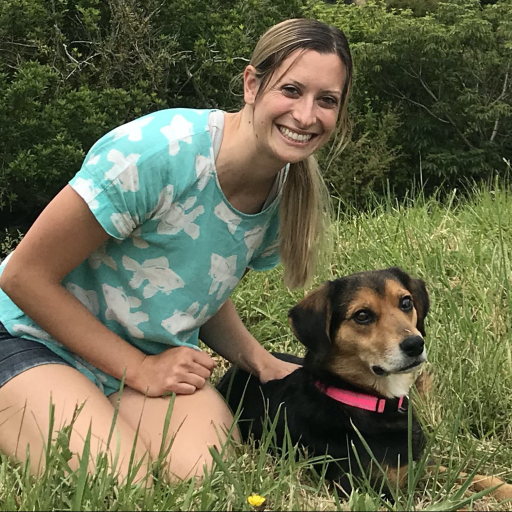
About the author: Lisa Plummer Savas is a freelance writer, journalist, devoted dog mom, and animal activist. In an effort to help make the world a more compassionate place for non-human species, she is especially focused on using her writing to spread awareness about controversial animal welfare issues, including the dog and cat meat trade in Asia and Africa. She lives in Atlanta with two spoiled German Shepherds, one very entitled Pug, and a very patient, understanding husband. Read more of her work.

Expert cat care, straight to your inbox
Vet-reviewed advice, behavior tips, and the best of Catster. Free, and you can unsubscribe anytime.
By signing up, you agree to our Terms & Conditions and Privacy & Cookies Policy.

Catster is a cat magazine and cat website where cat lovers come together and get expert advice about cat behavior, cat health and cat news.
Join the conversation
Ask a question, share your story, or send private feedback.