Cat Paw Pads: Vet-Verified Anatomy & Functions Explained (With Diagram)


In this article
While we know a lot about cats, some of their physiology and behavior remain astounding. We marvel at their excellent hunting ability and athleticism. After all, these animals seem fearless when they climb trees and jump from great heights. Undoubtedly, they seem keenly aware of the anatomical advantages they have from their paws and pads.
How else can you explain your kitty jumping from a high bookshelf without injury? This accomplishment is in part due to the anatomy of their legs and feet, as well as their seemingly impact-resistant paw pads. So, what exactly are cat paw pads and how do they work? Let’s find out.

Cat Paw Pad Anatomy

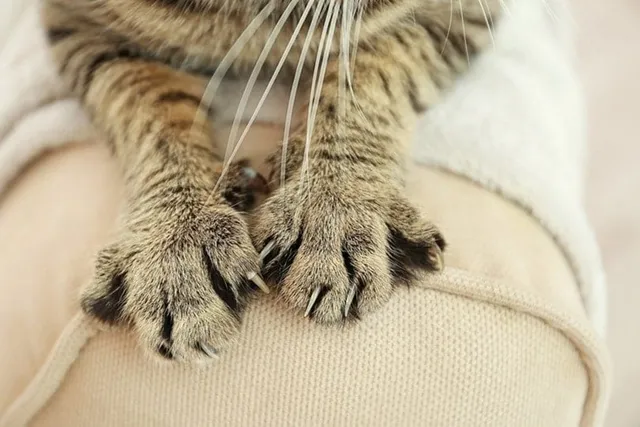
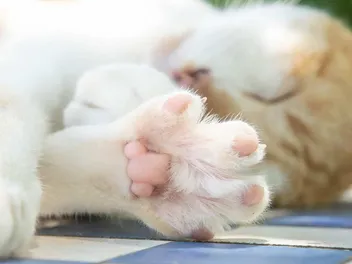
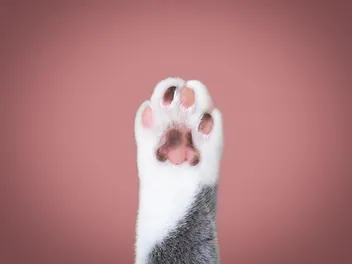
Most cats have five toes on their front feet and four on the back. The former includes a fifth one called the dewclaw; it’s not involved with walking but plays a role in climbing and hunting.
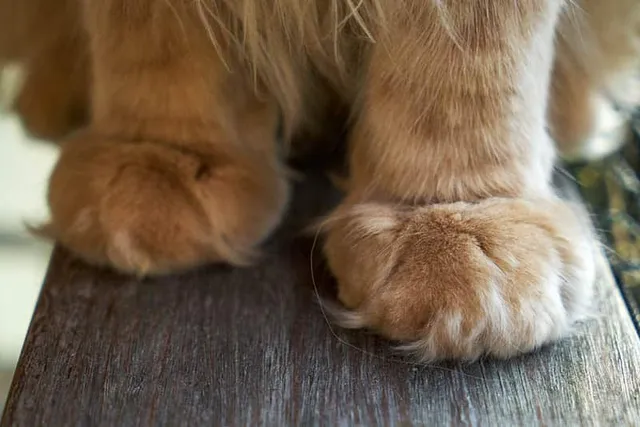
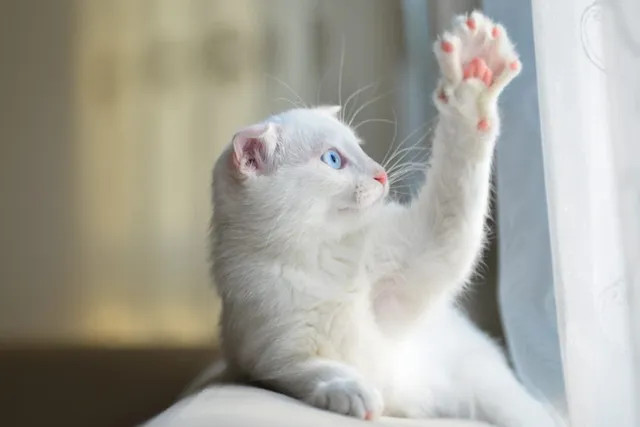
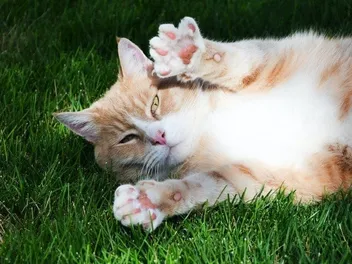
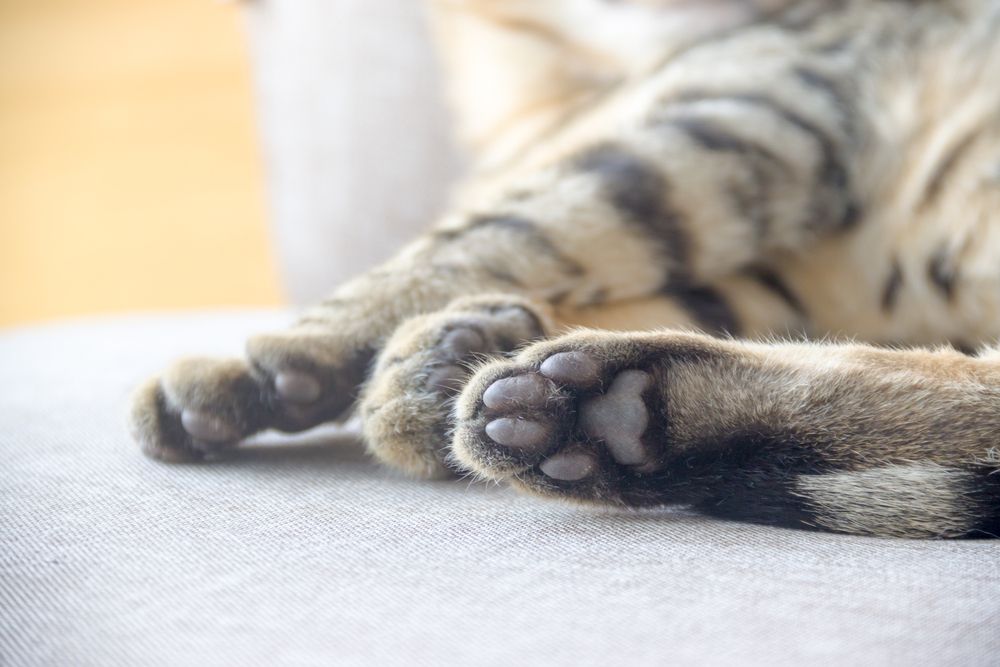
Each toe has an associated paw pad and each cat paw has a central, larger paw pad called the metacarpal pad on the front and the metatarsal pad on the back. The front cat paws also have a small pad further up the leg called the carpal pad. The paw pads themselves are composed of adipose or fat tissue bound by collagen, a type of connective tissue, and covered with tough skin. Each pad is like a fluid-filled sac with blood vessels, nerves, and scent glands.
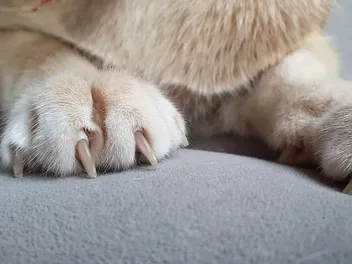
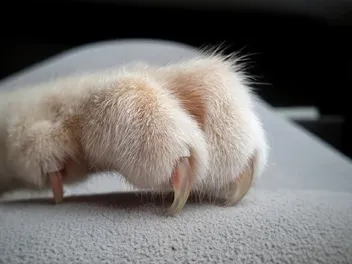
Cat's nails are not like our fingernails—our fingernails grow out of the flesh at the end of our fingers, but cats' claws actually grow out of the bones at the end of the paws. That's why declawing is much more than just "trimming the nails." In order for a cat's claws to be removed, the last bone in every paw is amputated—which is why we do not support the practice of declawing.
Cats are digitigrade walkers, which means that instead of walking on the heels and the balls of the feet like we do, they walk on the balls of the feet and the fingertips.

Roles of Cat Paw Pads
1. Stability and Cushioning
Collectively, a cat's paw pads act as natural shock absorbers. They also allow felines to detect the surface on which they travel and walk silently when needed. The action of the cat’s paw pads also in part account for the animal’s ability to land safely.
This is dependent on the distribution of the impact between the front and back legs. Cats can innately judge how to land based on the height they’re jumping from. Undoubtedly, this ability inspired many to believe that felines have nine lives. After all, they could survive falls that most other animals couldn’t. This trait hasn’t gone unnoticed by scientists.

2. Marking Territory and Other Pheromone Uses
Cat paws do more than protect animals from falls. Scent glands exist on them that allow felines to mark their territory. These animals navigate their world through scent, as do most species in the Carnivora order. Pheromones are a vital olfactory signaling system in felines. Their use begins at birth with the bonding of the mother and her young.
If your cat has ever kneaded your lap, you’ve witnessed their function first-hand. The scents released are odorless to us but convey feelings of comfort. Surprisingly, even large cats knead. However, pheromones serve other purposes. These chemical signals are also essential in reproduction to influence the behavior of a prospective mate.
3. Cooling Down
Cat paws serve another critical function for felines. They help the animals cool down to an extent because of the sweat glands located in them. Remember that the pads are hairless yet have rough, thick skin to protect their feet. A cat’s fur makes having sweat glands all over the body ineffective.
Instead, they are found in the lighter-haired portions of the body like on the paws. Felines sweat for the same reason we do: to cool down. They also perspire if they’re stressed or scared. Cats may also pant to cool down but typically prefer to seek a cool, dark place instead.


Frequently Asked Questions
How should I take care of my cat’s paw pads?
We strongly recommend handling your cat's paws from a young age to get them accustomed to it. After all, you’ll need to trim their nails occasionally to spare your furniture. You should also inspect their feet for signs of injury or other issues. Excessive licking is a telltale sign of a problem. Your vet can recommend a moisturizer if your kitty’s pads are dry and cracked.
Why do cats scratch?
Scratching is another form of visual and olfactory communication, thanks to the scent glands in a cat’s paw. The benefit lies in preventing physical conflicts between other felines. The scent marking tells them the area is occupied, which can threaten either animal’s survival. It probably also feels good to your pet to get a good stretch and to get their claws clean and sharp.
The Hepper Hi-Lo Modern Cat Scratcher is a functional and stylish design that makes it the ultimate scratching spot for your cat – and a superhero in the battle against furniture destruction. Unlike most cat toys that end up being ignored, this one's a crowd-pleaser for both cats and their hoomans.
With its 3 configurations, thick textured cardboard, and solid birch plywood frame, it encourages your cat's natural scratching instincts, so they stay away from your precious furniture, rugs, and curtains, among all other things they shouldn't scratch. The Hi-Lo is like your home's mini guardian, keeping it safe while looking super sleek and trendy.
At Catster, we’ve admired Hepper for many years, and decided to take a controlling ownership interest, so that we could benefit from the outstanding designs of this cool cat company!
What else has science learned about cat paw pads?
Researchers have studied cat paw pad anatomy extensively for developing footwear for paratroopers. They created a semi-viscous fluid that replicates the adipose tissue to dissipate the ground reaction force (GRF) of landing, just like a feline has its pads to react similarly. It seems that cats and nature still have a lot to teach us.
Final Thoughts
Evolution and natural selection have equipped felines with excellent adaptations. A cat's paws enable them to hunt and explore without the threat of severe injury from falls and to create less noise when walking.
The animal’s unique anatomy and physiology make it possible to jump incredible heights and stalk their prey silently to improve their chances of survival. You may never look at your kitty in the same way after learning about their unique anatomy.
See Also
Sources
Featured Image Credit: voy ager, Shutterstock
Expert cat care, straight to your inbox
News, insights, and useful advice, delivered to you.

No spam — unsubscribe anytime.
By signing up, you agree to our Terms & Conditions and Privacy & Cookies Policy.
How useful was this post?
Click a star to rate. You can leave written feedback afterwards. (We read all feedback.)
Chris has been a science-focused pet writer since 2009, specializing in health and the environment. She lives with her husband Norm and three amazing cats in the land of 10,000 lakes. When she's not writing about cats, Chris also enjoys boating and sampling wine. She has her WSET 1 and 2 certifications and is currently pursuing her Certified Wine Specialist Award (CSW).