Hypertrophic Cardiomyopathy in Cats (HCM): Signs, Diagnosis & Treatment (Vet Answer)

In this article
Hypertrophic cardiomyopathy (HCM) is the most common type of heart condition witnessed in cats. When hypertrophic cardiomyopathy occurs, the muscle of the heart becomes thickened. This can prevent the heart from working efficiently and eventually lead to heart failure and death. The good news is that if it is caught early, the condition can be managed with certain types of medication.
It can be a challenging condition to diagnose as often there are no obvious clinical signs therefore it goes undetected until the disease has progressed to an advanced state.

What Is Hypertrophic Cardiomyopathy?
Hypertrophic cardiomyopathy causes the heart muscle to become unusually thick. This reduces the size of the chambers of the heart making them smaller as the muscle takes up more space. This means that it is difficult for the heart to pump blood around the body effectively.
It can lead to a whole range of problems relating to the heart and circulation such as blood clots, increased blood pressure, an irregular heartbeat, heart murmurs, and eventually heart failure and death.

What Are the Signs of Hypertrophic Cardiomyopathy?
It can be difficult for owners to spot signs of hypertrophic cardiomyopathy in the early stages as there is often not much to see. It can go unnoticed for years. The disease usually progresses gradually so changes can be very subtle.
When clinical signs do become apparent, the typical things owners notice include:
Clinical signs may include:
It is worth noting that some cats live for years without developing any clinical signs. In some cases, cats will never develop signs and in other cases, cats will experience sudden death with no prior warning.
What Are the Causes of Hypertrophic Cardiomyopathy in Cats?
The most common cause is an inherited disease that affects the cardiac muscle. Certain breeds of cats are more commonly affected, these include:
- Persians
- Bengals
- Maine Coons
- Norwegian Forest
- Sphynx
- Chartreux
- British Shorthairs
There is a mutation in a gene often found in these breeds of cats. The gene has a role in maintaining healthy cardiac muscle. If the mutation is present, the heart muscle cells in the wall of the left ventricles die and scar tissue develops. This prevents the heart from functioning properly.
There are three different types of hypertrophic cardiomyopathy seen in cats. It can be inherited, meaning it has been passed down via genes from a parent. It can be idiopathic which means the cause is unidentified. It can also be caused by other conditions in the body such as high blood pressure or hyperthyroidism. Various medical conditions can cause hypertrophic cardiomyopathy in cats. Tumors that are present in or around the structures of the heart can cause changes in the thickness of the ventricle walls.
This disease can stimulate abnormal growth of the muscle walls of the left ventricle of the heart. A condition called acromegaly (where excessive growth hormone is secreted due to a tumor) can also cause the heart muscles to grow abnormally. Other diseases that cause prolonged high blood pressure, such as kidney disease, can put extra strain on the heart and cause the walls to thicken. This is because the heart has to work harder to pump blood around the body when the blood pressure is higher. Over time, the muscles undergo changes as their workload increases.

Diagnosis of Hypertrophic Cardiomyopathy in Cats
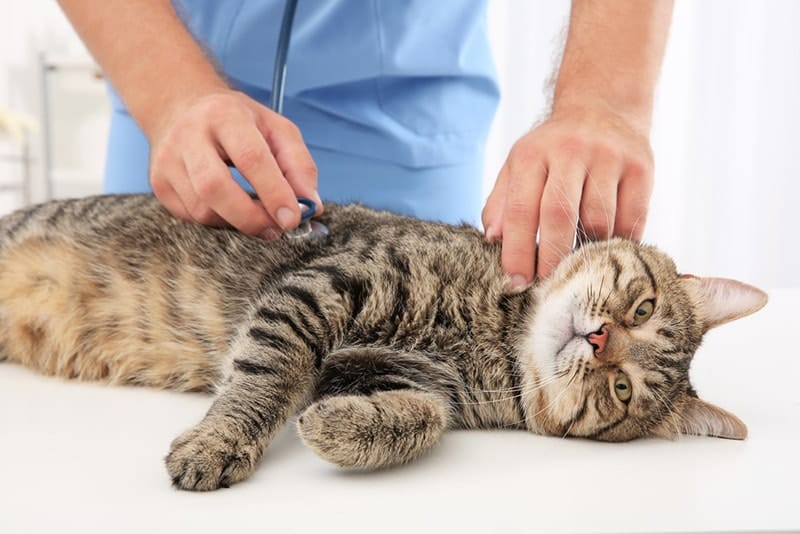
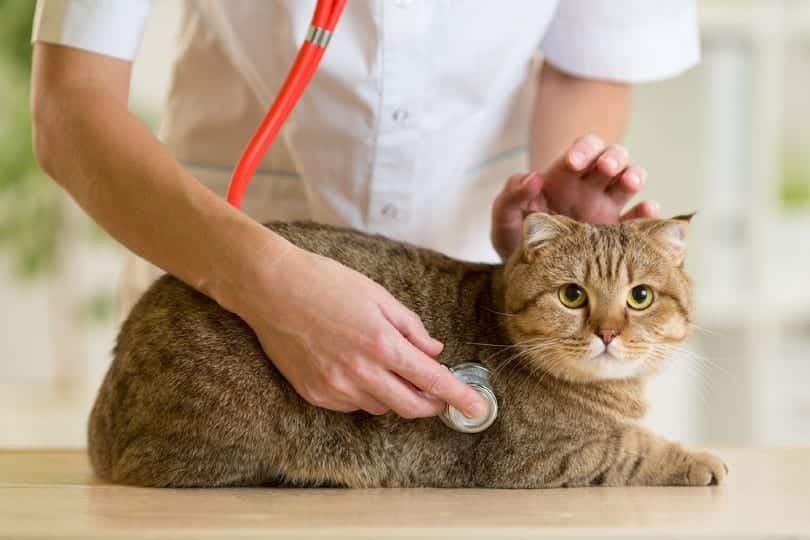
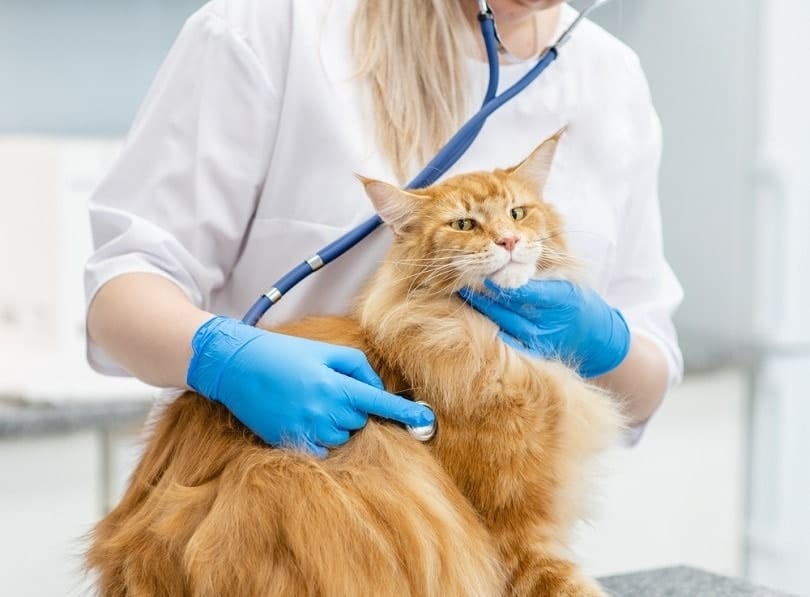
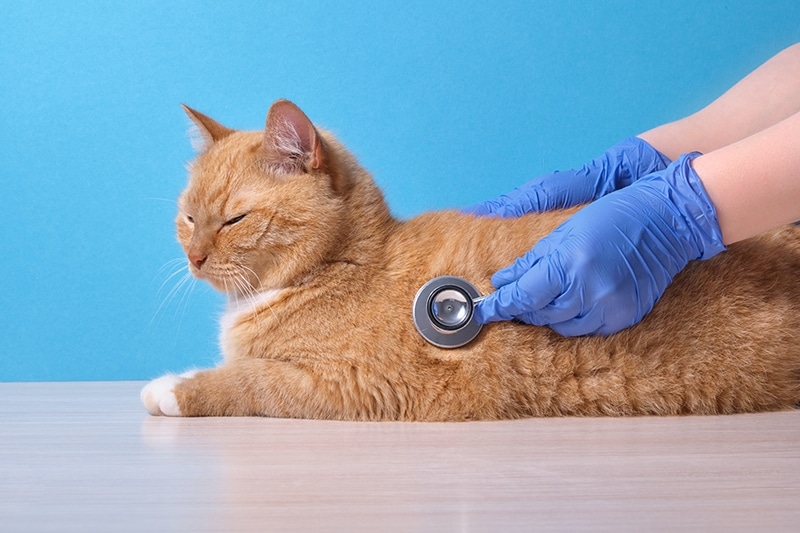
A vet will begin by performing a full physical exam and taking a clinical history from you. They will pay particular attention to the lungs and heart, listening for any abnormal heart sounds such as arrhythmias and murmurs. A blood test will be taken to assess white and red blood cell counts and to monitor organ function. Thyroid levels will be checked too. This is to rule out any pre-existing health issues that may cause hypertrophic cardiomyopathy.
A specific blood test can be done to screen for raised heart biomarkers such as a chemical called pro-BNP. This increases when the heart muscle undergoes any trauma or is stretched.
In some cases, X-rays are useful. However, the inside of the heart cannot be properly assessed using radiographs so the changes associated with hypertrophic cardiomyopathy can sometimes be overlooked or not seen because they aren't visible on the X-rays. Electrocardiograms can be used to assess the rate and rhythm of the heart.
For a definite diagnosis of hypertrophic cardiomyopathy, an echocardiogram can be performed. This is an ultrasound scan of the heart that allows the vet to assess the architecture of the heart and any changes in the structure. The blood flow in and out of the heart and between the chambers of the heart can also be assessed. Your cat's blood pressure will also be assessed and monitored.
If you are concerned or have questions about your cat's health, you can also speak to a vet from the comfort of your own home to help make a plan. They can determine when an in-clinic vet visit should be made.
How Do I Care for a Cat with Hypertrophic Cardiomyopathy?
Treatment options for cats with hypertrophic cardiomyopathy depend on how severe the disease is and how far it has progressed. If your cat has no clinical signs, and they generally seem fit and well, it may be the case that the vet advises you to monitor them closely at home.
A vet will need to examine your cat regularly to check them over and see if the disease is progressing. These checkups will include heart scans to allow the vet to measure the side of the ventricle walls on a regular basis. When cats are not displaying clinical signs, they may still benefit from medication that can prevent blood clots from forming.
If your cat is showing clinical signs, there is a wide range of medications that can be prescribed by the vet. These include:
These include:
If cats present in respiratory distress, they will require emergency stabilization including oxygen supplementation. In some cats with more advanced diseases, it is necessary to drain fluid from the lungs at regular intervals. This is called . It is often necessary to sedate cats to keep them calm as stress can exacerbate the condition.

Frequently Asked Questions (FAQ)
Is there a cure for hypertrophic cardiomyopathy?
Sadly, there is no cure for hypertrophic cardiomyopathy. It is a progressive disease and as the structure of the heart alters, clinical signs will start to develop. Some cats with mild disease can lead a relatively normal life. but in severe cases, it can be a debilitating condition and the cat's quality of life is compromised.
There are lots of different management options that can help to alleviate clinical signs and make your cat feel more comfortable, but unfortunately, there is no cure.
How can I help my cat with hypertrophic cardiomyopathy at home?
Cats with hypertrophic cardiomyopathy must not be allowed to become overweight. If this occurs, this will put more strain on their already overworked cardiovascular system.
Reduce stress if at all possible around your home. Stress can cause breathing issues and increase the risk of heart failure.
One of the most important things owners can do at home is to monitor their breathing rate when they are at rest. It should always be less than 55 breaths per minute. If it gets higher than 55, contact a vet immediately as this is a sign their heart is not doing its job properly.

Can hypertrophic cardiomyopathy be prevented in cats?
As the disease can occur due to the presence of other health conditions, or be inherited, in many cases it cannot be prevented. Screening tests can be done for mutations in the A31P gene that causes abnormalities. Responsible breeders should not breed cats with the gene. Cats with other medical conditions or cats that are high risk should be screened regularly for heart disease.
Conclusion
Hypertrophic cardiomyopathy is the most common heart disease seen in cats. The majority of cases are subclinical. This makes it a challenging disease to manage. If you are concerned about your cat being at risk of hypertrophic cardiomyopathy or are worried that the disease may be progressing, make an appointment with a vet.
They will be able to assess the risk factors and carry out appropriate diagnostic tests if required. If your cat has already been diagnosed, they will be able to advise on treatment and management options to make your cat as comfortable as possible.
Featured Image Credit: Julia Cherk, Shutterstock

Expert cat care, straight to your inbox
Vet-reviewed advice, behavior tips, and the best of Catster. Free, and you can unsubscribe anytime.
By signing up, you agree to our Terms & Conditions and Privacy & Cookies Policy.
Dr. Emma Chandley, BVM MRCVS (Veterinarian)
Dr. Emma is an experienced vet who is happy to share her expertise and knowledge about cats with readers. Her passion is surgery but she will happily talk about anything animal-related. Dr. Chandley graduated from The Royal Vet College and since then she has worked in general practice in Great Britain. Dr Chandley has completed a postgraduate certificate in Small Animal Surgery and has also gained Advanced Practitioner status in the same discipline. She enjoys developing her skills in animal behavior, nutrition, and clinical pathology as well.
Join the conversation
Ask a question, share your story, or send private feedback.