How to Discipline a Maine Coon Cat (13 Tips & Tricks)



In this article
Disciplining a cat is much different from working with a dog. Cats can be more territorial, and their behavior is driven by instinct, learning history, emotional state, and environment rather than a desire to challenge authority. The term “discipline” is not technically appropriate for cats because they do not associate punishment with past actions, do not respond to authority-based correction, and instead learn through immediate consequences, environmental cues, and positive reinforcement. While changing undesired behaviors is still possible and encouraged, it should be done using feline-appropriate behavior modification techniques focused on prevention, redirection, and positive reinforcement to be the most effective.
We’ve listed 13 tips and tricks for addressing and modifying your Maine Coon cat below. However, many of these will apply to any cat, young or old. We hope you find them helpful as you and your cat adjust to setting healthy boundaries.

How to Discipline a Maine Coon Cat
1. Figure Out the Problem
Acting out is unusual for Maine Coons, and undesired behavior could signify something is wrong. This is especially true if they are usually well-behaved and the change is sudden. It’s essential to consider changes to their environment, people in the home, their food, routine, and other things when trying to find out why they act so out of character.
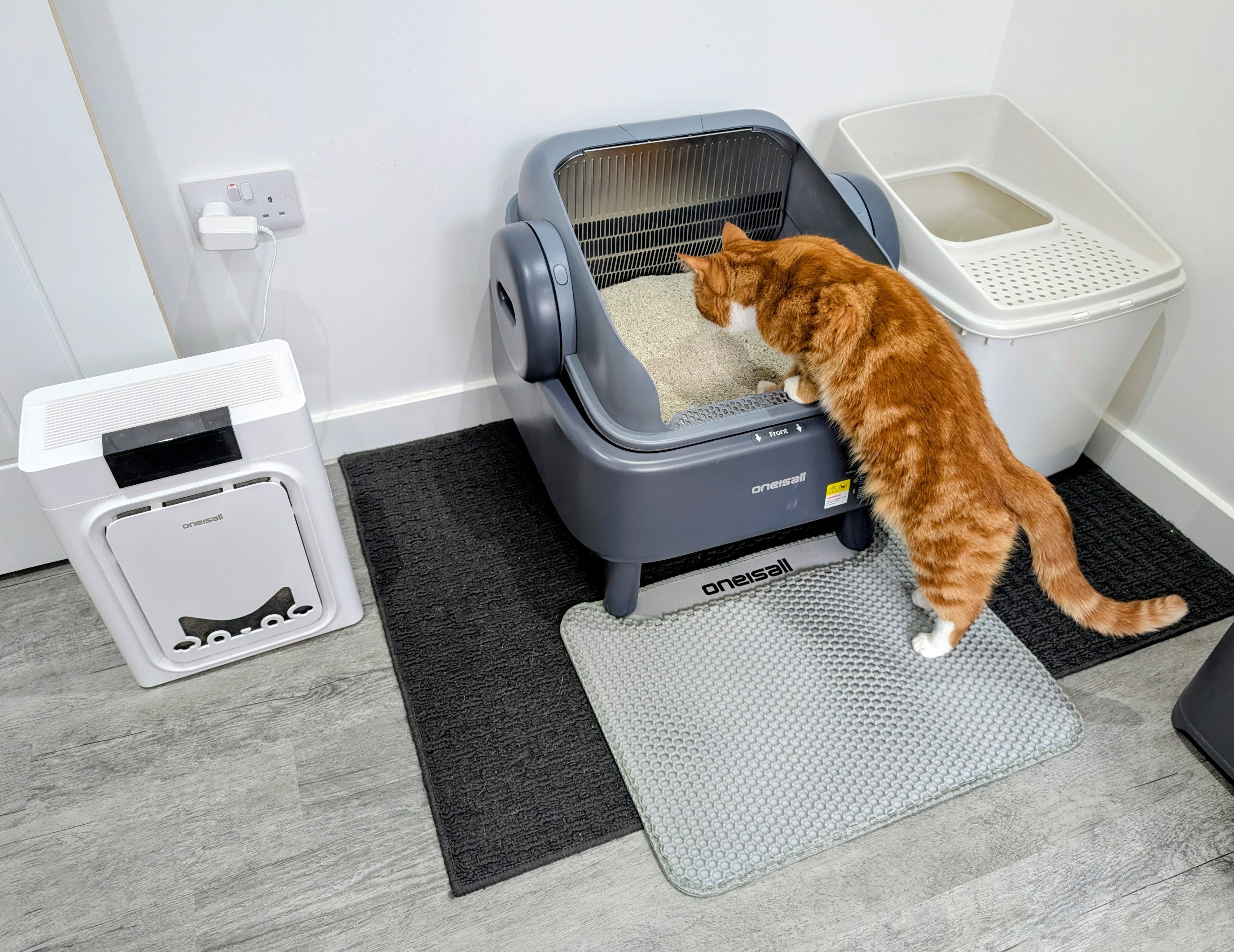
Instead of trying to correct a behavior problem with discipline or punishment, it may be necessary to rectify whatever is causing the issue. It’s recommended that you first rule out things like unhappiness with their food, litter box, litter type, bed location, or social stressors, and carefully consider anything that could make them anxious.

2. Visit the Vet
If you can't find anything in the home explaining why they are acting out, the next step is visiting the vet. One example of a medical problem causing behavior changes is pain-induced aggression.
A cat may become defensive or avoidant to prevent being touched or moved if they know it will be painful. A veterinarian can help rule out any medical problems to ensure they are healthy before determining that behavioral intervention will help curb your cat’s challenging behavior.
3. Avoid Dominance-Based Thinking
Cats do not recognize human-imposed hierarchies or authority structures in the way dogs do. Behavior change will be more effective when based on predictability, safety, and clear environmental boundaries, rather than attempts to establish dominance.
To prevent aggression, it’s important to adjust how you play with them. For example, rough play with your hands can encourage biting. It’s best to use toys designed to promote active playtime and reward them for it. Following more of the rules below will also promote appropriate, non-aggressive behavior patterns.

4. Create Clear Rules
Cats can’t follow the rules if they aren’t consistent and predictable. It’s essential to have a clear set of rules for all the cats in the home and let all family members know what they are, so they can enforce them uniformly. For example, your kitty shouldn’t be allowed on the bathroom or kitchen counter if this is a household rule.
Before bringing a new cat home, talk with the family to determine which rules should be enforced. One family member may not care about a specific behavior that another wouldn't tolerate. Creating the rules together can help make the process easier for everyone, including the cat. If needed, make a list of the cat's rules and post it somewhere visible until everyone in the home knows what they are. Consistency across all family members is critical for learning.
5. Make a Stop Word, Sign, or Sound
Cats respond best to simple and consistent cues rather than complex commands. Keeping things straightforward makes it easier for your cat to understand when a behavior needs to stop without creating fear or confusion.
A single neutral sound, such as a brief clap or short verbal cue, can be effective at interrupting their attention and stopping the behavior. The goal is not to scare your cat but to redirect them so you can guide them toward something more appropriate. Avoid using their name for discipline, as it is better reserved for positive interactions and helps preserve a trusting response when you call them.

6. Use a Calm, Neutral Voice
After you’ve gotten their attention, use a calm, neutral tone to interrupt the behavior. There’s no reason to yell, as this can increase stress and damage trust.
Short phrases like “no” or “off” may interrupt behavior when paired with redirection. Remember to avoid prolonged eye contact, which may be perceived as threatening by cats.
7. Be Consistent
As we mentioned in step four, consistency is just as important as setting clear rules. Even if you have clear rules, such as staying off all the counters in the house regardless of the room, you should be consistent with enforcing those rules.
This should be across all members of the home. For example, your kitty shouldn't be able to climb the curtains when the kids are alone, but get in trouble when you walk in the door and find them 3 feet from the ceiling. Be sure to stress the importance of this to everyone in the home and follow it yourself.

8. Redirect Their Attention
Sometimes a cat gets into trouble simply because something caught its attention and looked fun. Once you let them know that what they are doing is unacceptable, they will leave whatever it is alone and find something else to do. At that point, you can offer something positive that they will be rewarded for using, like a toy or scratching post.
The easiest way to redirect a cat's attention is by using the stop word, sign, or sound you established in step five. If done well, that simple action will let them know they are doing something they aren't supposed to and will give up their endeavor. If the behavior is consistent, like digging in a potted plant, replacing their behavior with a similar one they are allowed to do is even more important.
9. Put Them in Time Out
Cats can become overstimulated and stubborn. No matter what you do, they just want to act out and become fussy. They might even give you an attitude and talk back. Sound like your cat? Giving them a quiet space away from distractions, overstimulation, and your own frustration can help them calm down a bit. Even just 5 minutes in a laundry room, a very large closet, or a bedroom with their favorite resting place can help them decompress.
Remember, this isn't about confinement as a punishment but about removing them from what's causing their behavior to redirect their attention and let them settle down if they've become agitated. This strategy might work for you if you're upset over something.

10. Don't Delay Discipline
You must interrupt the behavior immediately if your cat has done something wrong. The instant correction allows them to connect the consequence to the action. If you wait to give a correction, they won’t know why they are being corrected, which will cause confusion. Depending on what your cat is doing during delayed correction, you might even end up inadvertently discouraging a desired or positive behavior.
So, even if you have to get up off the couch or hear something from the bedroom at night, get up to give interruption and/or redirection when needed. With consistency and without delays, your cat’s behavior will change, and you won’t be inconvenienced by it anymore.
11. Reward Good Behavior
Changing your Maine Coon's behavior isn't only about discipline but about positive reinforcement. This is especially true as they replace those negative actions with good ones! Be sure to have plenty of their favorite treats handy, and always give plenty of pets when you notice they've chosen an alternative to negative behavior. A kitty may change their actions simply for the rewards, so be consistent in giving them, especially until their good behavior becomes a habit.
This could take several months. If you slowly start removing positive reinforcement and the good behavior continues, it should be safe to remove it altogether.

12. Control Mealtimes
Cats may act out when they are hungry. They are also great timekeepers. Ever notice that they wake you up precisely an hour too early when the time changes? They know when it's time to eat. If you create a feeding schedule for cats, they know when to eat and that a meal will always come soon.
They don't have to do anything drastic and negative to get your attention so that you will feed them. A feeding schedule can also help you keep on track if you have a busy day, especially for those who work from home and may lose track of time.
13. Give Plenty of Play
Another reason cats get into trouble is boredom. Bad behavior could be a sign that they have nothing else positive to do. You could curb their negative actions with more positive ones by giving them more toys, especially interactive ones, and by setting aside time to play with them. Other signs of boredom include overgrooming and overeating.
If you've offered your kitty a lot of toys and they still seem to be causing headaches, it could be that they don't like the toys. Pay attention to which toys they use and which ones they don't. It may take some time, but offering them things they love will be much more effective at encouraging positive behavior.

Things to Avoid
There are some great tips and tricks for disciplining your Maine Coon cat listed above, but there are some cat punishments to avoid as you get their behavior straightened out.
1. Yelling
While a firm voice is required to let your cat know that you mean what you say when you tell them to stop, yelling loudly doesn't help. It might make them fear you, which can cause a new set of problems and worsen their negative behavior.

2. Hitting or Threatening
Hitting or threatening to hit your cat is animal abuse and can make your cat act even worse. They will begin to mirror your aggressive behavior and could bite or scratch when they feel bullied or endangered.
3. Confinement
A short time out in another room of no more than 5 or 10 minutes can be beneficial, but confining a cat to a small space without food, water, or a litter box is also considered animal abuse. It also won't help stop their negative behavior.

4. A Water Bottle
Many cat owners turn to spraying a water bottle when disciplining their cats. While not usually considered animal abuse, we don't recommend it. It could redirect your cat's attention, but it could also cause your cat to fear you and become standoffish. That's not the bond you want to create with your cat, and there are much more effective ways of disciplining your cat.
Conclusion
Maine Coons are one of the most laid-back breeds, but even they are prone to behavioral problems for several reasons. Once you’ve ruled out any medical causes, it’s most likely a behavioral issue that can be addressed with behavior modification science rather than punishment-based discipline. When it’s time to set clear boundaries for their negative actions, there are plenty of ways to do so safely. We hope these 13 tips and tricks will help you along the way.
Sources
https://www.aspca.org/pet-care/cat-care/common-cat-behavior-issues
https://www.hillspet.com/cat-care/behavior-appearance/do-cats-understand-words
https://www.hshv.org/training-cats-with-positive-reinforcement/
https://thevetdesk.com/pet-nutrition/cats/benefits-of-feeding-your-cat-on-a-schedule/
https://vcahospitals.com/know-your-pet/preventing-and-punishing-undesirable-behavior-in-cats
Featured Image Credit: Nynke van Holten, Shutterstock
Expert cat care, straight to your inbox
News, insights, and useful advice, delivered to you.

No spam — unsubscribe anytime.
By signing up, you agree to our Terms & Conditions and Privacy & Cookies Policy.
How useful was this post?
Click a star to rate. You can leave written feedback afterwards. (We read all feedback.)
Christian started writing for a local newspaper as a teenager, and he's been involved in the publishing industry for most of his adult life. Combining his love of writing with a passion for animals, he is currently the Director of Editorial at Pangolia and the Editor-in-Chief at Catster.
Christian lives in the Philippines with his wife, son, and four rescue cats: Trixie, Chloe, Sparky, and Chopper.