Catster is reader-supported. When you buy via links on our site, we may earn an affiliate commission at no cost to you. Learn more.

My Cat Ate a Dryer Sheet! Vet Reviewed Information & What to Do!


By Patricia Dickson · Reviewed & fact-checked by Dr. Paola CuevasVet Approved
Dr. Paola Cuevas
Reviewed & Fact-Checked byDr. Paola CuevasMVZ (Veterinarian)
Dr. Paola Cuevas is the Senior In-House Veterinarian at Pangolia, the parent company of Catster. She has over 18 years of experience as a veterinarian and animal behaviorist. Paola's focus is on preventive medicine and animal welfare. Paola has a large range of skills in from diagnostic imaging to nutrition and clinical pathology. Paola enjoys sharing her extensive knowledge of animal training with our Catster readers and is always happy to answer reader questions as our in-house veterinarian.View authorThe information is current and up-to-date in accordance with the latest veterinarian research. Read about our vets
Share
My Cat Ate a Dryer Sheet

As cat parents, we all know that cats are curious, mischievous, and can get into any number of things they shouldn’t. That includes toxic chemicals, toxic plants, and even dryer sheets.

Fabric softeners, both in liquid and dryer sheet form, can be very dangerous for your cat to ingest. Some people think that since the fabric softener in a dryer sheet is dry that it can’t hurt their cats. However, that is not the case, and we’ll discuss the dangers of dryer sheets and how to prevent your beloved feline from consuming them.

divider 3 paws

Why Are Dryer Sheets Dangerous to Cats?

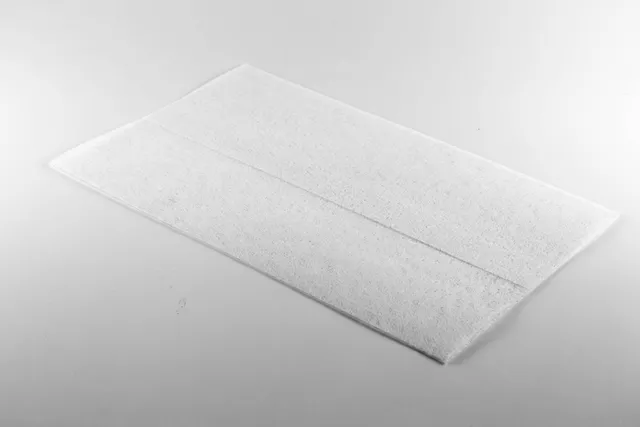
Whether in liquids or dryer sheets, fabric softeners contain chemicals called cationic surfactants. These are extremely harsh chemicals that, when used in dryer sheets, get released inside your dryer. They’re designed to soften your clothes and prevent static buildup.

Dryer sheets also contain synthetic materials, which don’t break down in your cat’s gastrointestinal tract. The cationic surfactants and synthetic materials are significant hazards to your cat, and you should avoid leaving dryer sheets or liquid detergents where your pet can access them. Your cat is extremely sensitive to chemicals, to begin with, and the chemicals in your average dryer sheet are no exception.

Your cat having ingested a drying sheet is not something to take lightly. Cationic detergents result in a corrosive injury to your cat’s skin, eyes, and mucus membranes. 

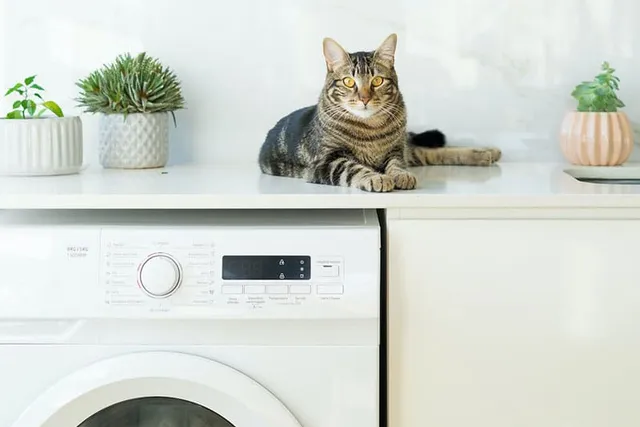
Image By: Noah Rolseth, Shutterstock

Signs that Your Cat Ate a Dryer Sheet

Here are the signs that may indicate your cat consumed a dry sheet.

  • Appetite loss
  • Drooling
  • Burns on the inside of the mouth
  • Depression
  • Swollen tongue
  • Increased respiratory noise 6 to 8 hours after ingestion
  • Abdominal pain
  • Fever
  • Inflammatory changes in the blood

Some of these signs can only be determined by your vet, so if you suspect your cat has eaten a dryer sheet, it’s best to take it to the vet right away for diagnosis and treatment.

If your cat is showing any of these signs, we recommend speaking with a vet.

divider 3 paws

What to Do If Your Cat Eats a Dryer Sheet

If your cat is not promptly treated by a veterinarian after eating a dryer sheet, it could experience the following:

  • Seizures
  • Weakness in the muscles
  • Coma
  • Collapse
  • Fluid in lungs

Your vet will probably use a combination of medications to treat any specific signs. This may include anti-seizure medications and fluid therapy to help dilute this corrosive agent. Milk is also often used to coat the cat’s esophagus, which helps to reduce the burning caused by the chemicals and the pain your cat is in. Induced vomiting is not recommended due to the potential of corrosive injury to the mucus membranes.

Image By: Millibar, Flickr

Preventing Your Cat from Eating Dryer Sheets

We all know that cats can get into anything, even stuff we thought we had put out of their reach. The best way to prevent your cat from getting into your dryer sheets is by keeping them locked up. It’s also not a good idea to let your cat interact with the clothes coming out of the dryer since they may have traces of chemicals on them.

It’s best to keep the laundry door closed to keep your cat from entering at all times.

divider 3 paws

Final Thoughts

Cats love anything cozy and warm, and clothes right out of the dryer check all the boxes. However, the dryer sheets you use are a great risk to your feline pal. Make sure you keep the dryer sheets away from your pet, and if you feel that your cat has eaten one, take it to a vet immediately.

With prompt treatment, your cat can make a full recovery!

See Also: 

Sources

Featured Image Credit: Noah Rolseth, Shutterstock

Expert cat care, straight to your inbox

Vet-reviewed advice, behavior tips, and the best of Catster. Free, and you can unsubscribe anytime.

By signing up, you agree to our Terms & Conditions and Privacy & Cookies Policy.

Patricia Dickson
Authored by

Patricia Dickson

Join the conversation

Ask a question, share your story, or send private feedback.
Rate this post
Required to post. Only our editors see your rating.
Who should see this?

A human reviews every comment before it appears. Your email is never published.

Why Do Cats Like Dryer Sheets? Vet-Reviewed Causes & Safety Precautions

Why Do Cats Like Dryer Sheets? Vet-Reviewed Causes & Safety Precautions

Do you like to use dryer sheets when you do your laundry? They make your clothes smell nice, feel soft, and remove static from clothing. Who doesn’t want fresh…

Cassidy Sutton
By Cassidy Sutton ·
My Cat Ate Silica Gel! Here’s What to Do (Vet Answer)

My Cat Ate Silica Gel! Here’s What to Do (Vet Answer)

Cats are curious and love to play. The trouble is, cat-proofing your house is difficult. Cats are well-known for seeking out things they shouldn’t have. Someti…

Dr. Joanna Woodnutt BVM BVS
By Dr. Joanna Woodnutt BVM BVS ·
8 Cleaning Products Toxic to Cats: Vet Approved Facts & Toxicity Explained

8 Cleaning Products Toxic to Cats: Vet Approved Facts & Toxicity Explained

Many modern cleaners are filled with chemicals that are potentially harmful to cats. People use these products regularly (or even daily) without knowing the ri…

Grant Piper
By Grant Piper ·
What Can Kill a Cat? 16 At-Home Items Vets Tell Us To Watch Out For

What Can Kill a Cat? 16 At-Home Items Vets Tell Us To Watch Out For

Being a cat parent is a responsibility that should be taken seriously. Your cat needs water, food, frequent litter changes, grooming, playtime, and plenty of a…

Kathryn Copeland
By Kathryn Copeland ·

Are Plug-In Air Fresheners Bad for Cats? Vet Approved Facts & Advice

We all love our cats. What we don’t love is the odors they leave behind. Of course, most pet parents clean their homes, but we also want our houses to smell go…

Patricia Dickson
By Patricia Dickson ·
Are Plug-In Air Fresheners Bad for Cats? Vet Approved Facts & Advice

My Cat Swallowed a Foreign Object: When to See a Vet

Cats love to play with anything that they can get their paws on, such as buttons, balls of paper, bits of string, threads, shoelaces, ribbons, cords, and yarn.…

Genevieve Dugal
By Genevieve Dugal ·
My Cat Swallowed a Foreign Object: When to See a Vet

10 Hazardous Hiding Places for Cats You Need to Be Aware Of

Cats can be extremely sneaky animals, often getting highly creative with their hiding places. It’s not uncommon for a cat to “go missing” because their owner c…

Brooke Billingsley
By Brooke Billingsley ·
10 Hazardous Hiding Places for Cats You Need to Be Aware Of

Don’t Panic Yet: What Happens When Cats Eat Silica Gel Packs

If your cat just chewed on a “DO NOT EAT” packet, take a breath. This is one of the most common pet-parent panics, and it happens because cats insist on invest…

Dan Seymour
By Dan Seymour ·
Don’t Panic Yet: What Happens When Cats Eat Silica Gel Packs

Is Lavender Toxic to Cats? Vet-Reviewed Important Facts & FAQ

Lavender, in its various forms, is one of the most popular substances on the planet. As a plant, its beautiful purple flowers and nice fragrance make it a grea…

Christian Adams
By Christian Adams ·
Is Lavender Toxic to Cats? Vet-Reviewed Important Facts & FAQ

Intestinal Blockage in Cats: Vet Reviewed Signs, Causes & Treatment

If you suspect your cat may have an intestinal blockage, please know that your cat needs emergency treatment ASAP. Knowing the signs of an intestinal blockage…

Chris Dinesen Rogers
By Chris Dinesen Rogers ·
Intestinal Blockage in Cats: Vet Reviewed Signs, Causes & Treatment

Is Febreze Safe for Cats? Precautions & Alternatives

When we share our home with kitties, finding compatible cleaning products can be a bit of a challenge. If you have a purring princess or prince at home, you pr…

Ashley Bates
By Ashley Bates ·
Is Febreze Safe for Cats? Precautions & Alternatives

Is Lysol Toxic To Cats? Ver Reviewed Concerns & Safety Tips

When you adopt a pet, you will probably find yourself cleaning more often. However, many of the cleaners that we use are filled with harsh chemicals. They get…

Christian Adams
By Christian Adams ·
Is Lysol Toxic To Cats? Ver Reviewed Concerns & Safety Tips

Love Cats? So Do We! Join the Catster Community

Stay informed with expert cat care insights delivered straight to your inbox! Discover professional guidance on feline behavior, feeding tips, trusted product picks, and much more.

You may opt-out at any time. View our Privacy Policy for more information.

The Catster site on a phone