Can Cats Eat Raw Eggs? Vet-Reviewed Health & Safety Guide


In this article
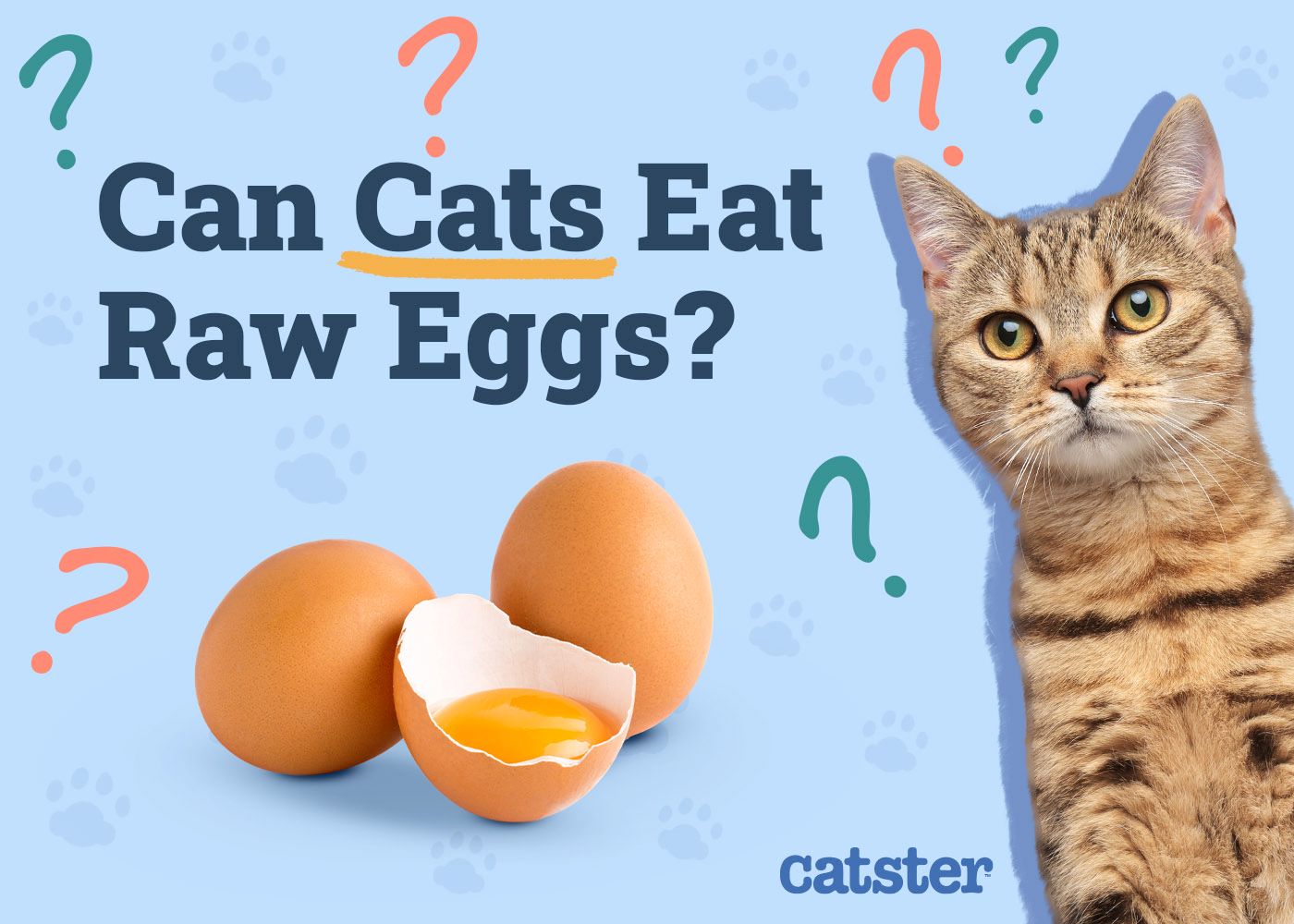
As cat owners, we often find ourselves wondering if our feline friends can indulge in the same foods we enjoy. As obligate carnivores, cats thrive on protein sources such as meat. Another good source of protein is eggs, but raw eggs are a completely different story. Can cats eat raw eggs?
The answer to this query is no, cats should not consume raw eggs. While eggs are a great source of protein for humans, the same cannot be said for our furry companions as it poses several risks to their health.
In this article, we will explore the reasons why raw eggs should be avoided for cats, the harmful aspects of raw eggs, signs to look out for, and what to do if your cat consumes raw eggs!

Why Should Raw Eggs Be Avoided for Cats?
Raw eggs pose several risks to cats due to the potential presence of harmful bacteria such as Salmonella or E. coli. Like humans, cats are susceptible to infection with these harmful gut bacteria.
These bacteria can cause severe food poisoning in cats. The presence of Salmonella and E. coli can lead to gastrointestinal problems, dehydration, pain, lethargy, and potential organ damage in felines.
Moreover, raw eggs contain avidin, a protein that inhibits the absorption of biotin (vitamin B7). Biotin is a vital nutrient that contributes to healthy skin, coat, and overall well-being in cats. The avidin in raw eggs interferes with biotin utilization, which can result in biotin deficiency and subsequent health issues.

What Illnesses Can Cats Get from Raw Eggs?
Consuming raw eggs can expose cats to various illnesses caused by bacteria or parasites. Salmonella and E. coli, as mentioned earlier, are common pathogens found in raw eggs that can lead to severe gastrointestinal distress.
Additionally, raw eggs may also contain a parasite called Toxoplasma, which can cause a condition known as toxoplasmosis. Although cats are the primary host for Toxoplasma, it is still advisable to prevent their exposure to it, as it can lead to complications in pregnant women or individuals with weakened immune systems.
Signs to Look Out For
If your cat has consumed raw eggs, it's crucial to be vigilant for any signs of illness. Symptoms may vary, but may include digestive upset, loss of appetite, lethargy, abdominal pain, and changes in behavior or litter box habits.
In severe cases, you might notice blood in the stool or a high fever. If you observe any of these signs, it is advisable to consult a veterinarian promptly for immediate diagnosis and treatment.
Other signs to watch out for include:
- Vomiting
- Diarrhea
- Dehydration
- Lack of appetite and weight loss
- Weakness and lethargy
- Mucus in stool
- Increased heart rate
- Fever or low body temperature

My Cat Ate Raw Eggs, What Should I Do?
If you find that your cat has ingested raw eggs, you will need to monitor their health over the coming days. Contact a veterinarian to seek professional advice based on your cat's specific situation.
As a responsible cat parent, keep a close eye on your cat’s behavior and report any abnormal changes to a vet.
In some cases, some veterinarians may suggest bringing them in for consultation for a thorough examination. The veterinarian may recommend diagnostic tests, such as bloodwork or fecal analysis, to assess the extent of potential bacterial contamination or parasite infection if your cat is showing signs of illness.
Early veterinary intervention can help mitigate any risks and ensure your cat's health and well-being.
Don’t Cats Rely on Protein?
Yes, cats are obligate carnivores and they do rely on protein. Cats require a high-protein diet which is why their diet heavily consists of meat and other protein sources. While this is true, eggs are still not considered the ideal source of protein for them, especially raw eggs!
Cats need a balanced diet that includes a combination of animal-based proteins, fats, and other essential nutrients. While eggs are indeed a good source of protein, they should be cooked before being offered to cats.

Can Cats Eat Cooked Eggs?
Yes, cats can safely consume cooked eggs as a small part of their diet. Cooking eggs eliminates the risks associated with bacteria and parasites, making them a safer option for feline consumption.
However, it is important to ensure that the eggs are cooked thoroughly without the addition of any seasonings or additives that may be harmful to cats. Should you consider giving cooked eggs to your cat, it’s best to cook them separately rather than giving them the leftovers off your plate.
Benefits of Cooked Eggs for Cats
Cooked eggs offer several benefits to cats when included in their diet in moderation. They provide a highly digestible source of protein, which is essential for maintaining strong muscles and supporting overall growth and development. Eggs also contain essential amino acids, vitamins, and minerals that contribute to a cat's overall health. The fatty acids present in eggs can promote a healthy coat and skin.
Furthermore, cooked eggs can serve as a valuable alternative protein source for cats with specific dietary requirements or food sensitivities. They can be particularly beneficial for cats that require a novel protein diet or those with allergies to common protein sources like chicken or fish.
It's worth noting that while cooked eggs can be a nutritious addition to a cat's diet, they should not replace a balanced cat food formulated specifically for feline nutritional needs. As with all foods, it’s also best to let them try the cooked eggs before including it in their diet to see how they respond. Some cats may have allergies, and digestive upsets, or may simply prefer not to eat them entirely.
Remember, cats require a well-rounded diet that includes a variety of protein sources, vitamins, minerals, and other essential nutrients.

Final Thoughts
Cats should not be fed raw eggs due to the potential risks associated with bacterial contamination, parasites, and biotin deficiency. Raw eggs can lead to severe gastrointestinal distress and compromise a cat's overall health.
As responsible pet owners, it is crucial to prioritize our cats' well-being by providing them with a balanced and appropriate diet that meets their unique nutritional requirements. When it comes to eggs, it's best to remain cautious and offer them in a cooked form to ensure the safety and health of our beloved feline companions!
Sources
Featured Image Credit: Gayvoronskaya_Yana, Shutterstock
Expert cat care, straight to your inbox
News, insights, and useful advice, delivered to you.

No spam — unsubscribe anytime.
By signing up, you agree to our Terms & Conditions and Privacy & Cookies Policy.
How useful was this post?
Click a star to rate. You can leave written feedback afterwards. (We read all feedback.)
Kristin is passionate about helping pet parents create a fulfilling life with their pets by informing them on the latest scientific research and helping them choose the best products for their pets. She currently resides in Tennessee with four dogs, three cats, two fish, and a lizard, though she has dreams of owning chickens one-day!