Can Cats Eat Spinach? Vet-Reviewed Nutritional Facts & FAQ

In this article
Cats can be picky about their meals, but some felines express interest in food usually enjoyed by humans and other omnivores. Some veggies and fruit are toxic to cats, but can cats eat spinach? Spinach has several nutritional benefits, and with a few exceptions, cats can eat spinach. However, they can live healthy lives without leafy greens when provided with protein-rich, high-quality meals, clean water, and a clean environment.
Cats can digest plant material, but their digestive system is more effective at processing meat. Leafy greens like spinach have fiber to aid digestion, vitamins B6, B2, A, C, and minerals like calcium, potassium, and magnesium. Cooked spinach in small quantities is safe for your cat unless they suffer from conditions that affect the urinary tract and the kidneys. Although it’s not toxic, spinach is considered a high oxalate that can lead to calcium oxalate stones in the bladder. A little spinach prepared correctly is fine for healthy cats, but it should not be a primary part of the diet.

Preparing Spinach for Your Cat
Raw spinach and other greens are not easy for cats to digest, but you can cook them to make them more digestible. Before preparing spinach, there are a few tips to remember.
1. Talk to a Veterinarian
Before serving fruit or vegetables to your cat, speak with a veterinarian to ensure your cat is healthy enough to consume a high oxalate food like spinach. Routine checkups will not include a urinalysis. The vet may want to perform one just to make sure your cat is not in danger of kidney disease or other urinary problems.
2. Check Online for Recalls
In the last 20 years, several vegetable growers have recalled their products due to contamination. Although E. coli is often associated with raw meat, it has shown up in spinach, romaine lettuce, and cilantro. Vegetables can become contaminated by the pathogen when crops are irrigated with water containing fecal matter. The Humane Society and other animal rights groups publish articles on pet food recalls, but you’ll have to visit the USDA website for recalls of spinach and other human food.
3. Wash the Spinach Thoroughly

Whether you’re eating the spinach or serving it to your cat, wash the greens thoroughly to remove any traces of pesticides or fertilizer. Some pre-packaged products claim to be pre-washed, but it’s safer to wash the spinach yourself.
4. Steam or Boil the Spinach
Before cooking, remove the plant’s stems to make the spinach more digestible. Avoid adding salt, seasoning, or herbs to the water and boil or steam the spinach for a few minutes. Baby spinach will take less time to cook than other varieties. After the spinach has cooled, dice the spinach into small pieces and give your cat a taste.
Food to Always Avoid Feeding Your Cat
Small portions of non-toxic vegetables and herbs are safe for felines to consume, but some human favorites are toxic to cats. According to PetMD, you should never serve these foods and beverages to your pet.
Onions and Garlic
A tiny piece of raw onion or garlic is unlikely to cause issues, but a significant amount can result in digestion problems. If a cat eats garlic or onions frequently, they’re more vulnerable to anemia.

Raw Meat, Raw Eggs, and Raw Fish
Raw meat and seafood can contain pathogens that lead to a foodborne illness that harms humans and cats. Raw food may also have tiny bones that can choke your pet or get lodged in the intestinal tract. Raw eggs contain the enzyme avidin, which reduces the absorption of vitamin B.
Caffeine and Chocolate
Cacao seeds have compounds called methylxanthines that can cause diarrhea, vomiting, excessive thirst, and hyperactivity. Baker’s chocolate and dark varieties are more hazardous than milk chocolate, but all forms of chocolate and caffeine should be avoided.

Dairy
A few sips of milk are not hazardous but drinking too much can cause digestive problems and diarrhea. Although cats are often depicted in films drinking a bowl of milk, dairy should never be part of a healthy diet.
Alcohol
Alcohol is extremely dangerous to cats and can cause vomiting, central nervous system issues, breathing difficulty, tremors, diarrhea, coma, and death.

Canned Tuna
Tuna from pet food is completely safe, but canned tuna, loaded with unsaturated fats, can lead to an inflammation of fat called steatitis. Canned tuna also lacks enough vitamin E and other antioxidants.
Baby Food
Baby food is often seasoned with garlic and onions, which are not healthy for your cat.
The Ideal Diet for Felines
Like their ancestors, cats benefit from eating a high-protein diet. A vegetarian or holistic diet, as they’re sometimes called, is not suitable for felines. Cats cannot digest plant starches like humans or canines can, and you should avoid pet food or human treats loaded with plant protein and carbohydrates.
Premium Wet and Dry Combinations
Although dry food is usually more protein-rich and nutritious than wet meals, it lacks moisture. Most dry products contain less than 14% moisture, but wet foods range from 70% to 80% moisture or more. By mixing a bit of wet food with the dry, you can ensure your cat has a balanced meal and stays hydrated. Cats are descended from wild cats with low thirst drives that relied on mice, snakes, and other small animals to stay hydrated.
If your cat dislikes wet meals, you can encourage more water drinking by purchasing a fountain that lets your pet drink from running water. Providing fresh water and cleaning the water dish every day can also improve your pet’s drinking habits.
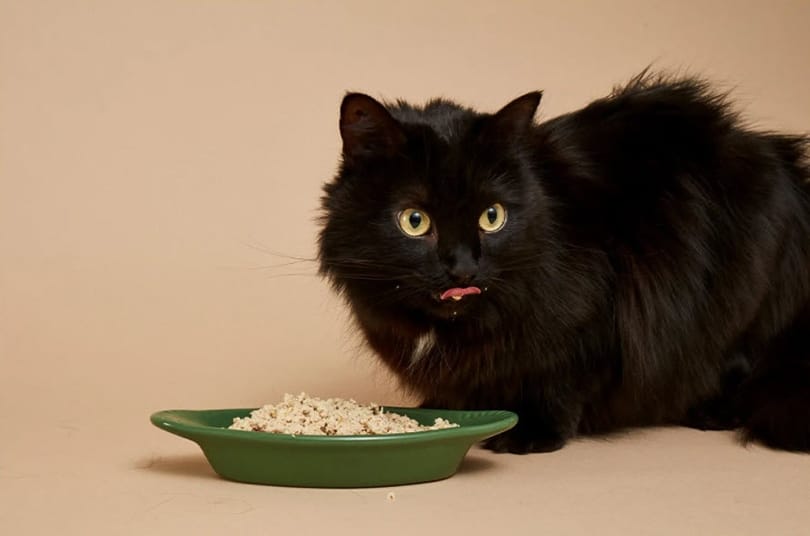
Protein Sourced from Quality Meats
As mentioned earlier, plant-based proteins are challenging for cats to digest, and most of the protein in cat food should come from high-quality meats or seafood. What is high-quality protein? Beef, poultry, lamb, or seafood sourced from reputable producers are the best options. When manufacturers include animal byproducts or natural animal flavor in their ingredient list, you cannot determine which animal was used. We suggest relying on brands that are transparent about their ingredients and sources.
Low Carbohydrate Treats and Meals
As cats grow older, most are less active. Feeding low-carbohydrate meals and treats to your pet will reduce the animal’s chances of becoming obese. Cats can convert carbs to energy, but their system converts protein and fat to energy more efficiently.

Fresh Food Companies
Several fresh food companies have popped up in the last decade, and some cat lovers are hesitant to try them because of the high cost. Although they’re more expensive than premium commercial food, fresh food companies allow you to customize the nutritional content of the food based on the feline’s weight, age, and health issues. Check with your veterinarian to see if this diet is appropriate for your cat.
Conclusion
Curious cats often like to munch on the same food as their owners, but pet parents must be careful which treats they serve. A few small pieces of cooked spinach are acceptable for your cat to consume, but should not be a replacement for high-protein meals. Felines are obligate carnivores and need meat-heavy meals. So make sure whichever treat or food you choose, that it is appropriate for their needs.
See Also:
Featured Image Credit: ponce_photography, pixabay

Expert cat care, straight to your inbox
Vet-reviewed advice, behavior tips, and the best of Catster. Free, and you can unsubscribe anytime.
By signing up, you agree to our Terms & Conditions and Privacy & Cookies Policy.
Christian started writing for a local newspaper as a teenager, and he's been involved in the publishing industry for most of his adult life. Combining his love of writing with a passion for animals, he is currently the Director of Editorial at Pangolia and the Editor-in-Chief at Catster.
Christian lives in the Philippines with his wife, son, and four rescue cats: Trixie, Chloe, Sparky, and Chopper.
Join the conversation
Ask a question, share your story, or send private feedback.