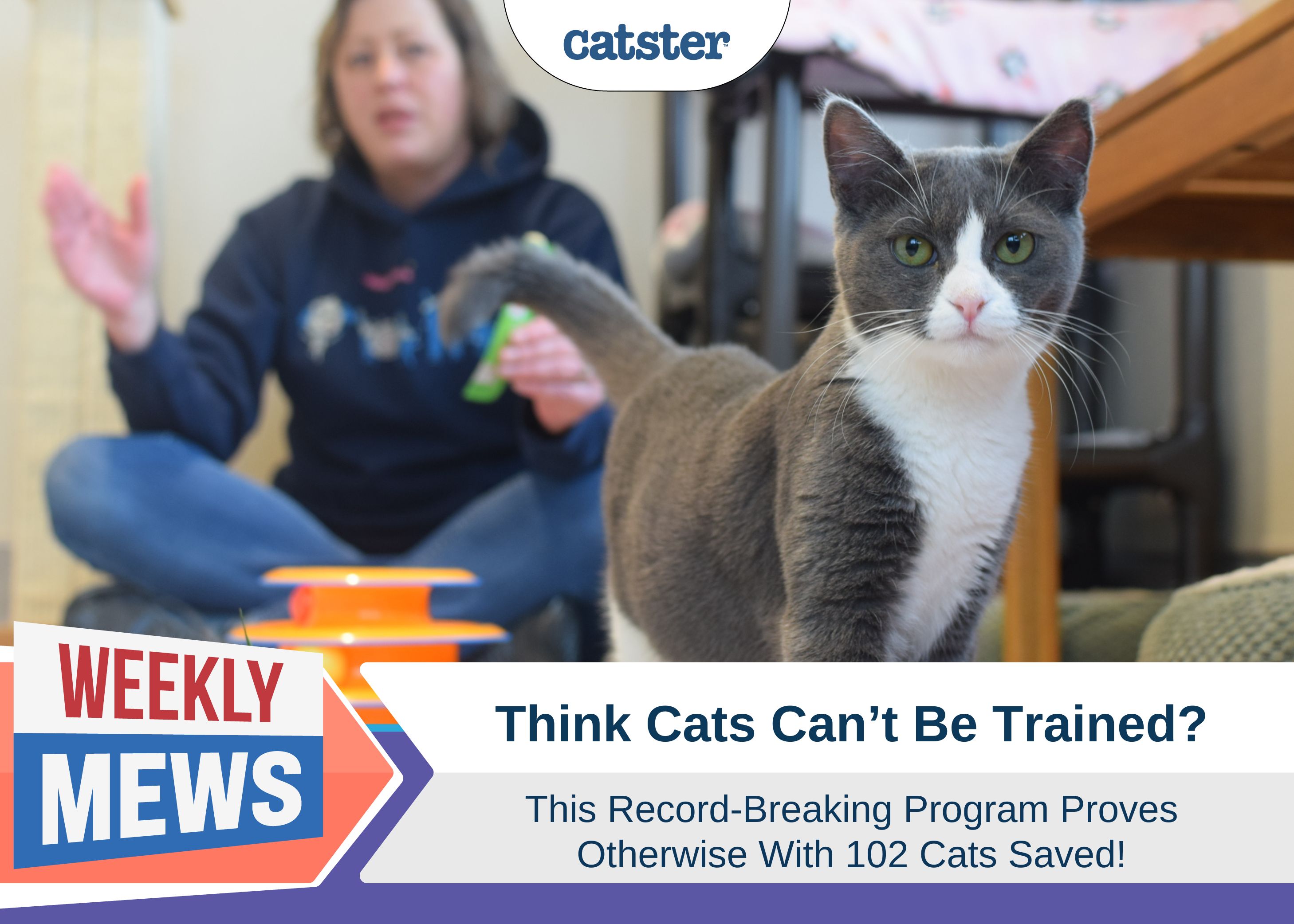
Think Cats Can’t Be Trained? This Record-Breaking Program Proves Otherwise With 102 Cats Saved!
In this article
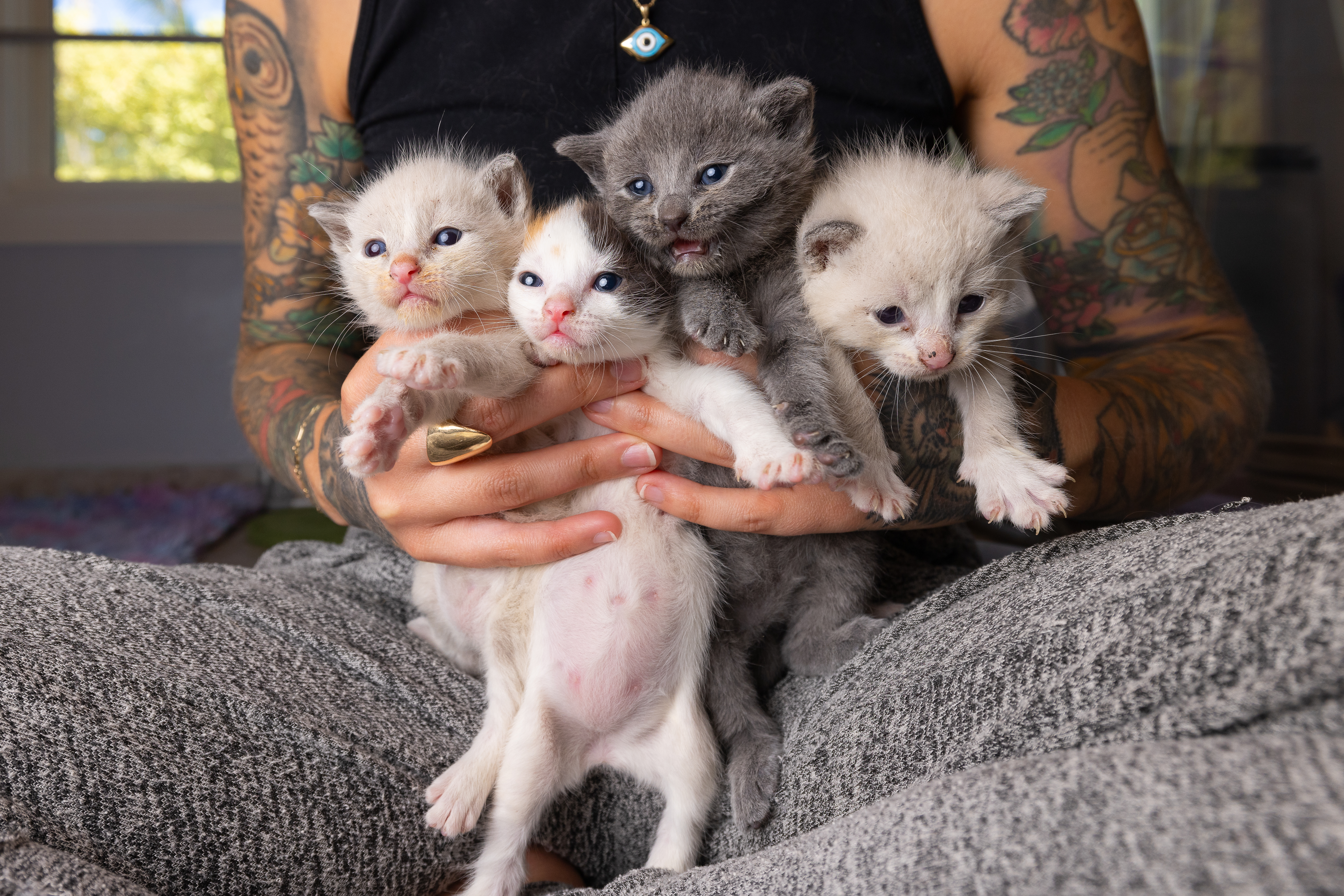
For the first time in its history, the Oregon Humane Society’s (OHS) Behavior Modification Program for cats and kittens has surpassed 100 annual adoptions, with 102 cats finding loving homes in 2024. This groundbreaking program is specifically designed for pets who require specialized training and care before they are ready for adoption.
Behavior Modification Training for Cats
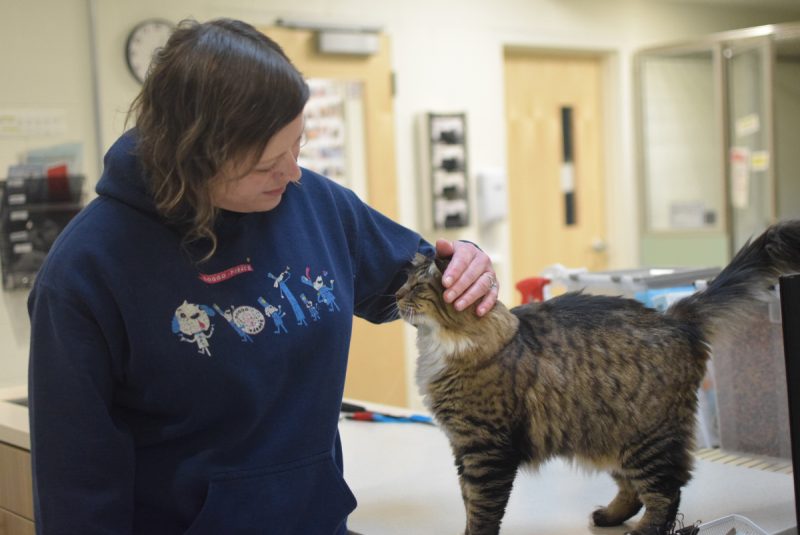
Cats at the OHS often face unique challenges. Many are extremely shy and fearful, while others struggle with overstimulation, frustration, or specific behavioral issues that make it difficult for them to adapt to life in a home. This is where the Behavior Modification Program comes in.
“When people think of behavior modification and training, dogs are often who comes to mind,” says Tanya Roberts, OHS Director of Training and Behavior. “But this program is having an extraordinary, lifesaving impact on cats and kittens.”
Take, for example, a 5-month-old kitten named John. On December 24, John became the 100th feline to be adopted through the Behavior Modification Program in 2024. John came to OHS from an overwhelmed pet owner struggling to care for too many animals. His adoption represents a major milestone for a program that has seen significant growth since moving to its purpose-built Behavior and Rescue Center in late 2022.
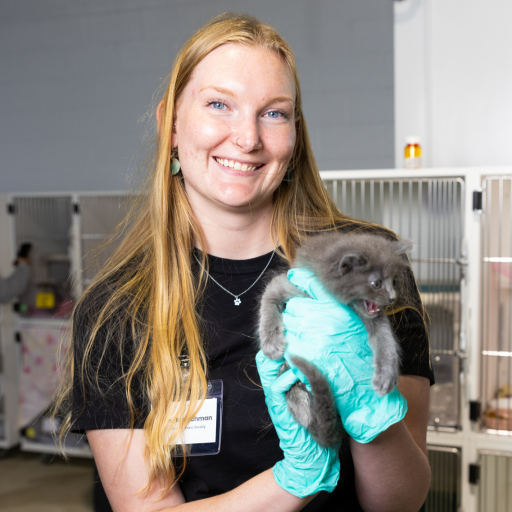
Erika Sims, the OHS Feline Behavior Modification Manager, explains that “cats and kittens are getting ready for adoption almost 50% faster than they did when we were doing this work in the main shelter. This means we can help even more cats because we are truly a lifeline and often the last option for most of the felines who come through our program.”
The success of the Behavior Modification Program lies in its individualized approach. Every cat entering the program receives a customized plan tailored to their specific needs.
“Working with a shy, fearful cat is a slow process of building trust,” says Erika. “While a cat who gets overstimulated and frustrated needs time to decompress before we can start changing their behavior.”
Patience is key to addressing behavioral challenges in cats. The process is often gradual, but the outcomes are profound.
“Progress is measured in small increments, but the results are life-changing, and lifesaving,” Erika adds. “We are changing stereotypes and showing that cats have an incredible capacity to learn and change.”
A Lasting Impact
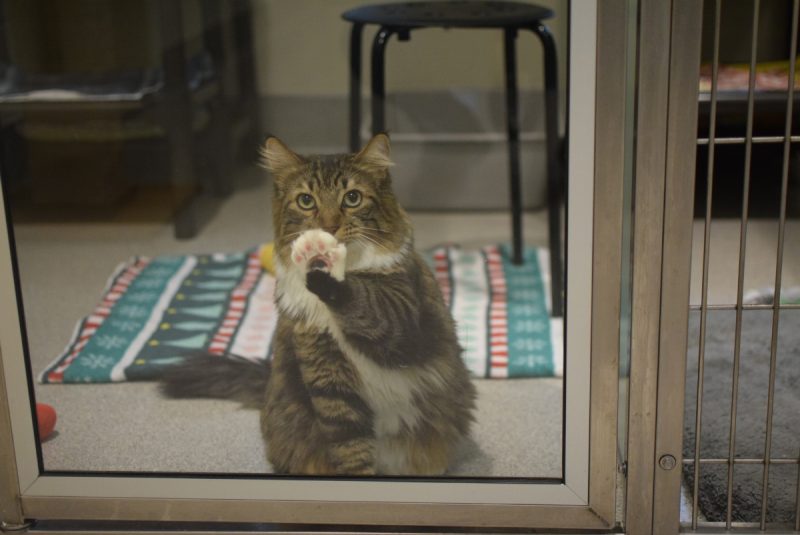
Pet parents who welcome these special cats into their homes receive additional support and guidance to ensure a smooth transition and a successful match. This extra level of care helps create lasting bonds between the cats and their new families.
As the program continues to grow, so does its impact. The milestone reached in 2024 is a testament to the dedication of the OHS team and the transformative power of behavior modification. By addressing the unique needs of each cat, OHS is not only giving them a second chance at life but also changing the way people view feline behavior and training.
With every success story, the OHS Behavior Modification Program is proving that even the most challenging cats deserve a chance to thrive—and that with patience, compassion, and expertise, they can find their place in a loving home.
About the Oregon Humane Society
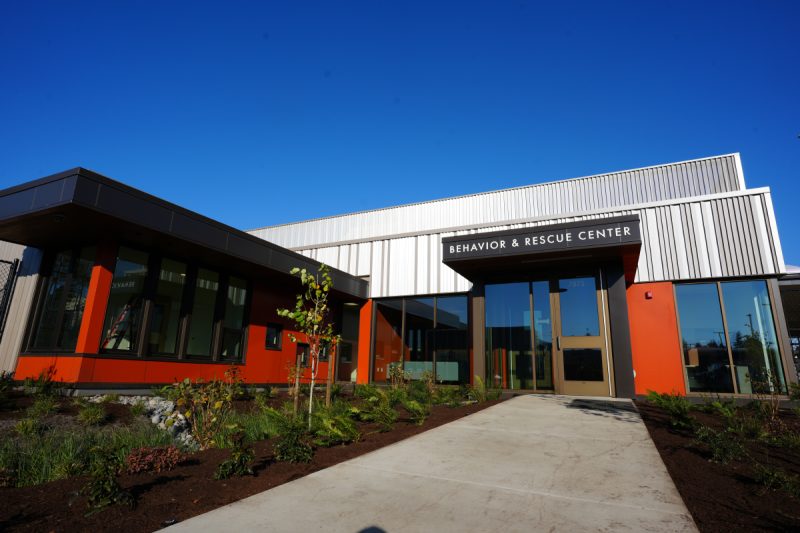
Founded in 1868, the Oregon Humane Society is one of the most respected animal welfare organizations in the United States. Through their mission of Creating a More Humane Society, they are working toward their vision of a world where all animals are treated with compassion, kindness, and respect. With campuses in Portland and Salem, OHS is an Oregon-based nonprofit that relies on donor support for its adoption, education, medical, and humane law enforcement programs. Visit oregonhumane.org for more information.
Images provided to Catster by Oregon Humane Society
Did You Know?
- Our breaking news articles are featured in our weekly emails. Don't miss out on the latest and sign up for our newsletter below!

Expert cat care, straight to your inbox
Vet-reviewed advice, behavior tips, and the best of Catster. Free, and you can unsubscribe anytime.
By signing up, you agree to our Terms & Conditions and Privacy & Cookies Policy.
Nicole is a lover of all animals, especially of the feline variety. She's mom to four, three fur babies and a human baby. She and her husband, John, live on a large forest property down in New Zealand.
Their beautiful Burmese cat Baby (who is now 17 years old) was their first child, though he is now called Baby Cat since their human baby joined the party in 2022. The dogs Rosa and Mac also love cats, but the whole family agrees that King Baby Cat is enough cat for this household.
Nicole is the Director of Content Management at Catster and Pangolia. With a Bachelor's degree in Education and years of online experience, she shares her pet knowledge and the knowledge of other professionals with the world, aiming to improve pets and pet parents' lives.
Join the conversation
Ask a question, share your story, or send private feedback.