In this article
Is there anything as lovely as having a fresh-cut flower display in your home? The bright colors and beautiful blooms of flowers like carnations can increase the positive vibes in your home and ease stress. Is it safe to have a bouquet of carnations in your home if you have curious cats running around, though? Are carnations toxic to cats, or can they safely have a nibble? The answer is no, carnations are not safe for cats, as they are toxic, though not as severely as other plants and flowers.
Keep reading to find out everything you need to know before you bring home a stunning carnation arrangement. For the purpose and clarity of this article, we are referring to the carnation, also known as pinks, wild carnation, sweet William, or the scientific name, Dianthus caryophyllus belonging to the family Caryophyllaceae.

Are Carnations Toxic to Cats?
The sweet-smelling and ruffled blooms of carnations are beautiful to look at but carnations are toxic to cats, dogs, and horses. The good news is that they are considered mildly hazardous, especially when we compare them to plants like lilies that can cause potentially fatal kidney failure.
Every part of the carnation—stem, leaves, and petals—could cause harm if ingested.
Like other plants in the Dianthus species, carnations have triterpenoid saponins in their sap. It’s still unclear if this compound is the actual culprit when it comes to signs of skin irritation and digestive upset cats experience when eating this plant. The sap can cause dermatitis (skin inflammation) if it comes into contact with the skin. If your cat consumes any part of the plant, they may experience discomfort and irritation in the mouth, esophagus, stomach, and the rest of the digestive tract.
It’s important to note that there are no reported carnation poisoning deaths in cats at the time of writing. That said, care still needs to be taken by all pet owners when bringing a bouquet into the home. No one wants to put their pet into a situation where they could experience harmful side effects.

Signs of Carnation Poisoning in Cats
If you notice your cat gnawing on your carnation or find pieces of the flower missing, you may find your pet starts showing some of the following side effects:
- Gastrointestinal distress (vomiting, diarrhea)
- Excessive drooling
- Dermatitis (if the sap comes into contact with their skin)
- Mouth irritation
Consult with your vet to see if your cat needs seeing preemptively or if it is okay for you to monitor them at home. If your cat starts to vomit or has diarrhea, you may notice secondary signs of dehydration. They may become weak, confused, lethargic, or less hungry and thirsty, while initially, they may drink more due to fluid losses through vomiting and diarrhea.
If you need to speak with a vet but can't get to one, head over to PangoVet. It's an online service where you can talk to a vet online and get the advice you need for your pet — all at an affordable price!


Treatment Options for Carnation Poisoning
Since carnation poisoning is not as severe as other kinds of plant-based poisoning, there isn’t a specific treatment plan to follow. Your cat’s body will get to work immediately at attempting to eliminate the toxins from their body through vomiting and diarrhea. However, this is hardly a fix or cure. Remember that both of these can lead to or exacerbate dehydration, which in turn can snowball into other health complications for your pet.
If your cat has eaten a lot, is not feeling well, or is getting worse, you should consider a trip to the vet to be on the safe side. There is no antidote for carnation poisoning, and the treatment methods your vet will suggest will focus on supporting your cat as their body does the hard work of eliminating the toxins. Some vets may administer an emetic medication to induce vomiting if your cat has eaten a significant amount of the plant within a very short time frame.
The signs of carnation poisoning are usually short-lived and don’t often last beyond a few hours. If you begin seeing signs of dehydration or lack of improvement, you need to contact your vet straight away. You might offer them wet food or add a bit of tuna juice or chicken broth to their water. They may be hesitant to eat until their stomach starts to feel better, but it is essential to take action to prevent severe dehydration. If they have not eaten for 24 hours, they should see the vet.

How to Deter Cats From Eating Flowers
We all know how curious and mischievous these little critters can be, so deterring them from nibbling at things they shouldn’t be nibbling at can be difficult. The easiest way to ensure your pet doesn’t get into any potentially harmful flowers or plants is to not grow or bring them home in the first place. This isn’t always the best option, as greenery in and around the home can do a lot for one’s health. But your cat’s health is very important as well.
If you must have flowers in your home, opt for non-toxic varieties (see below). If you prefer the appearance and scent of flowers that can be toxic, reconsider this, and please be aware that the risk will always be there, and we feel it’s not worth it. Not keeping these types of flowers in the house is really the only way to keep your kitty safe. One brief moment of carelessness and your cat may enter the room where you keep a toxic plant.
1. Use Hanging Pots
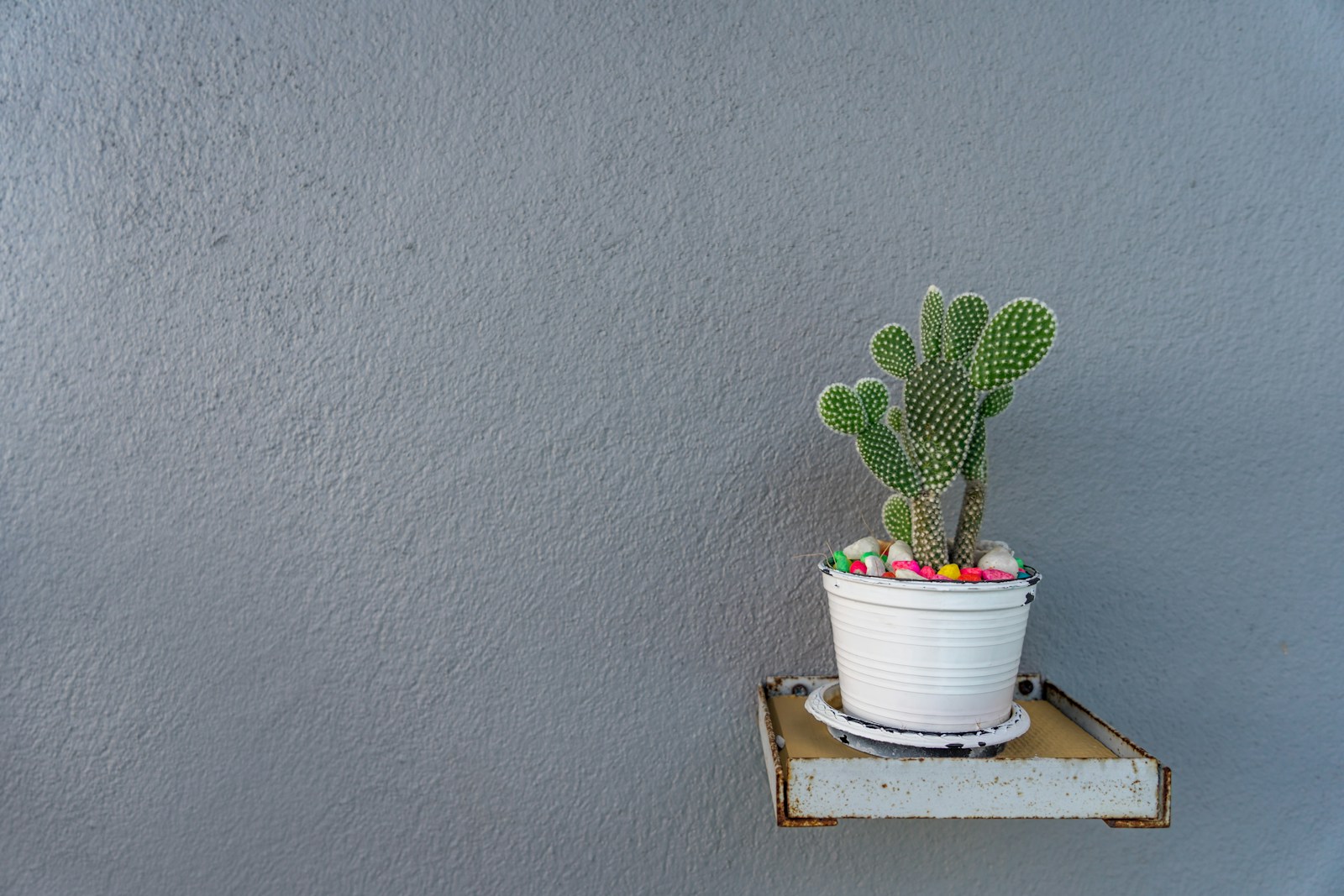
When it comes to other plants that are safe to be around your cat, even if they nibble at them, there are a few options to consider in order to keep your plants looking lush and away from your cat’s mouth. Hanging pots are a great way to not only display your beautiful flowers but keep curious kitty noses out of them too. The key to harmoniously living with cats and hanging flowers is to ensure no plant matter falls to the floor where your pet can find and eat it. You can also display flowers in rooms or areas your cat can’t access.
2. Use Natural Deterrents
Another tried-and-true method to deter cats from flowers and plants is to make them unappealing. Cats sometimes flock to plants because they like the taste, so try making your flowers less tasty. One way to do this is by spritzing a mixture of water with a few drops of citrus juice like lemon onto your plants. At times, the citrus scent may be enough to keep your cat far away. If your cat is of the excessively curious variety and does chance a nibble on the citrus-covered plant, they’ll be turned off by the taste.
However, do note that this doesn’t always work, and citrus itself (due to its acidic nature) can be harmful for the plants it’s sprinkled on.

3. Use White Vinegar
White vinegar is another solution you can try in your flower pots. Vinegar can potentially harm your plants, so instead of spritzing it on their stems and leaves, soak a cotton ball or two in a water and vinegar mixture and place it on top of the soil. The scent of the vinegar is enough to keep most pets away. Make sure both lemon and vinegar products are diluted enough, as otherwise, they may cause irritation to your cat’s eyes, nose, and mouth and even be harmful.
4. Make the Soil Unappealing
Sometimes cats aren’t attracted to the flowers and plants themselves but the soil that they’re planted in. If the soil you use resembles kitty litter in any way, you may find yourself having to shoo your cat away from your planters often. Try changing your soil to something that doesn’t look like litter or place decorative rocks or crystals on top to prevent them from digging in the soil and tasting the plant while they’re there.
5. Offer Alternative
You might consider offering your kitty cat grass as an alternative to eating your plants. Eating plants is instinctual and may have had an evolutionary benefit. The working theory suggests that eating grass helped animals expel internal parasites back when they were a common occurrence. Most domesticated cats don’t have to worry about these parasites anymore, but the habit of grass-eating first began in their distant ancestors who did need the extra help to get rid of parasites.

Non-Toxic Flower Options

If you want to display beautiful blooms in your home without the added stress of worrying about their safety with your pets, here are some great options to consider:
- Roses
- Alstroemeria (Peruvian Lily)
- Gerbera daisies
- Orchids
- Grape hyacinths
- Sunflowers
- Liatris
- Asters
- Zinnias
- African violets
- Camellias
- Marigolds
- Snapdragons

Final Word
While carnations won’t cause severe signs in most cats, it’s still a good idea to keep them out of your pet’s reach. You don’t want to inadvertently cause your kitty any pain or discomfort, so it’s best to keep carnations out of their sight.
You don’t need to resign yourself to cleverly hiding bouquets or to a home void of any plant life at all, either. There are plenty of non-toxic flower options that are just as beautiful as carnations. If you want to bring a cat-safe bouquet into your home, we recommend choosing from the list above.
Featured Image Credit: Wien_stad, Pixabay