We Chat With Elan Lee About the Kitty Convict Project

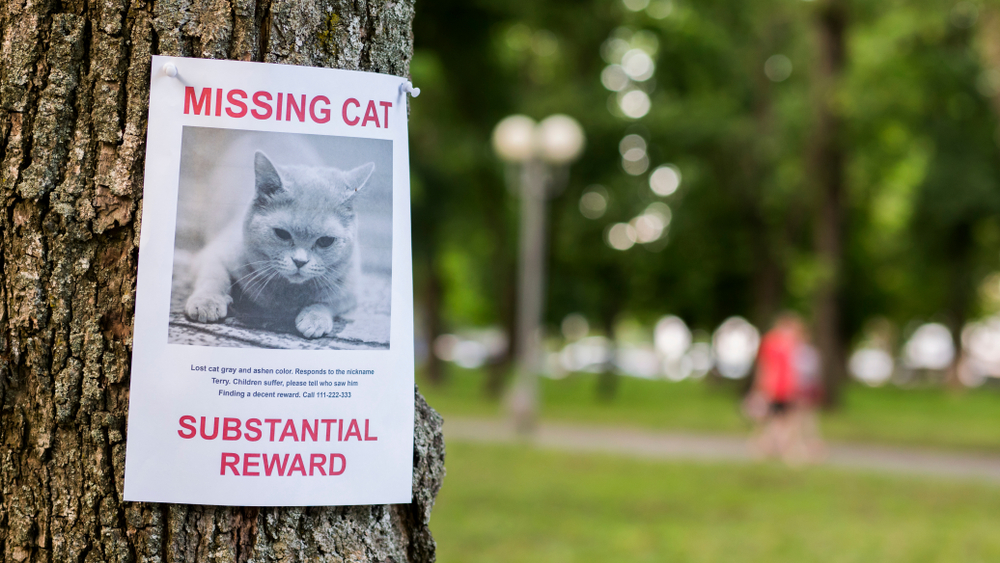
The feel-good story of Ginger, the cat who, thanks to a microchip, was reunited with her Marin County owners after eight years on the lam.1 (Think that's a long time? Ralph the cat came home after 14 years.)2 But what about the other approximately 10 million dogs and cats who go missing every year? Tragically, less than 2 percent of cats who make their way into the shelter system ever return to their people, and others never even make it there.3 And of those who do get into shelters, 1.4 million are euthanized each year4, sometimes despite the fact that they're healthy, loving animals.
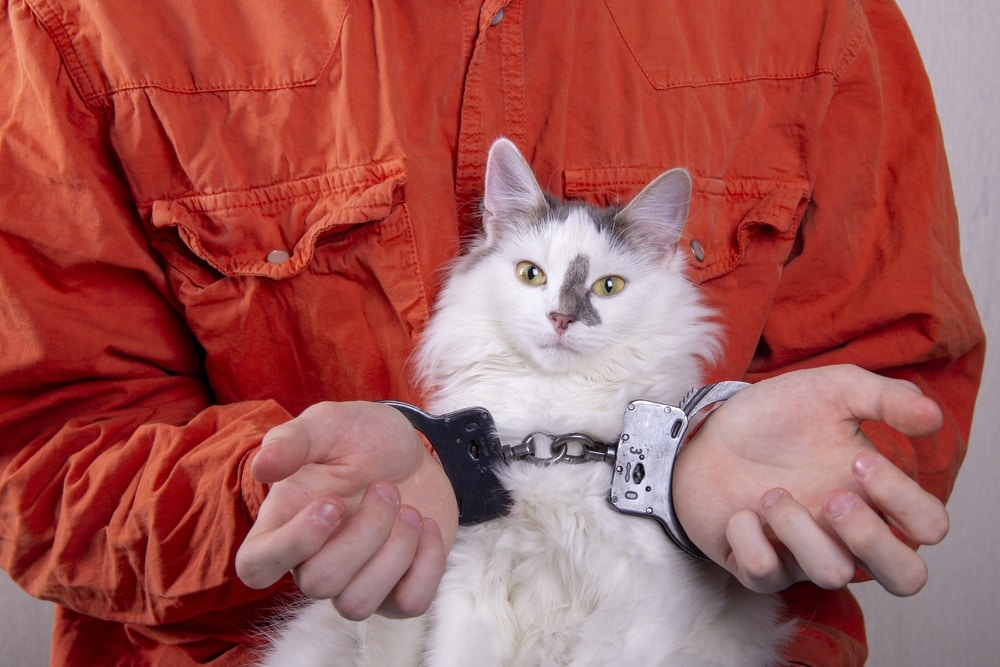
Elan Lee and Matthew Inman (The Oatmeal) aim to change that with the Kitty Convict Project.

I got a chance to chat with Lee about the inspirations for the project and the astounding response — within days, he and Inman had reached 40 million people on Twitter and other social media, and the numbers are climbing daily thanks to what he describes as their "big bullhorn." He tells me they'll shout as loud as it takes for as long as it takes to radically increase the numbers of kitties who make it home — "fewer kitty funerals," as the site puts it, "and more kitty birthdays."
"Problem," the website states. "Indoor cats who escape often don't get home because people assume they're indoor/outdoor, outdoor-only, or feral. Solution: Find a way to let people know that they're missing."
You might remember Lee and Inman, because they're the genius minds behind Exploding Kittens, the party game that went viral and netted a huge following on Kickstarter, along with some dubious looks from felines. That actually proved to be the thing that kickstarted (forgive me) the Kitty Convict Project, as the two discussed what to do with excess proceeds from their campaign, wanting to sink them into something meaningful. Inman found the statistic on lost cats and decided that surely they could pair up to do something about it.
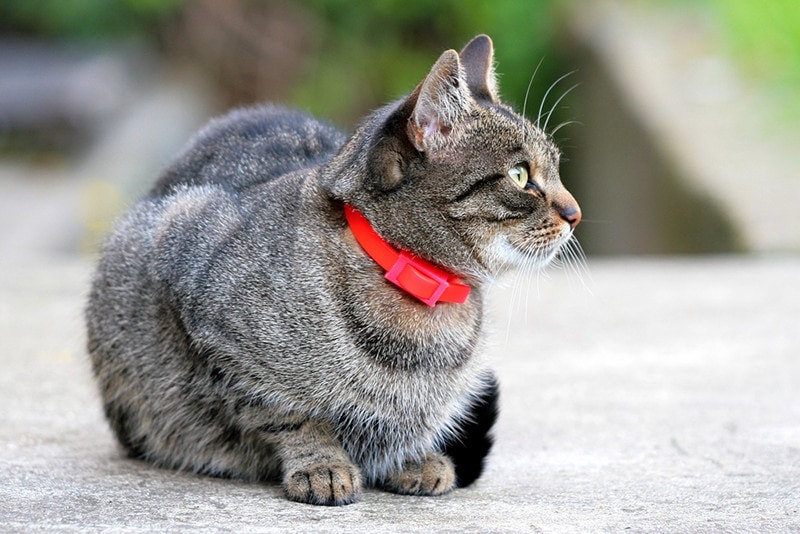
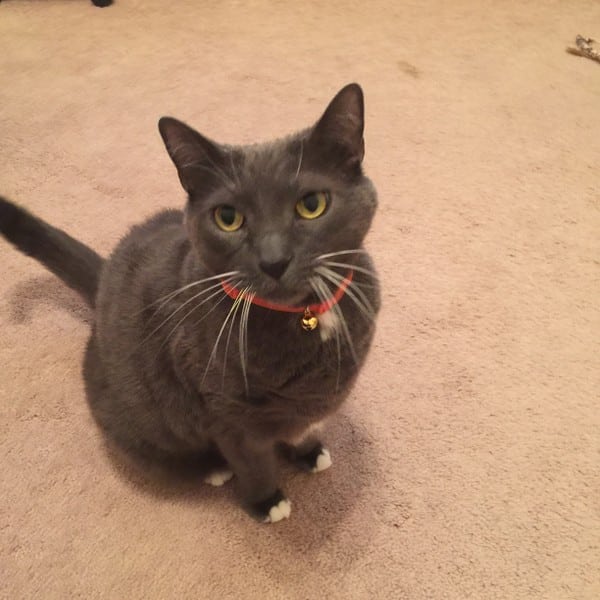
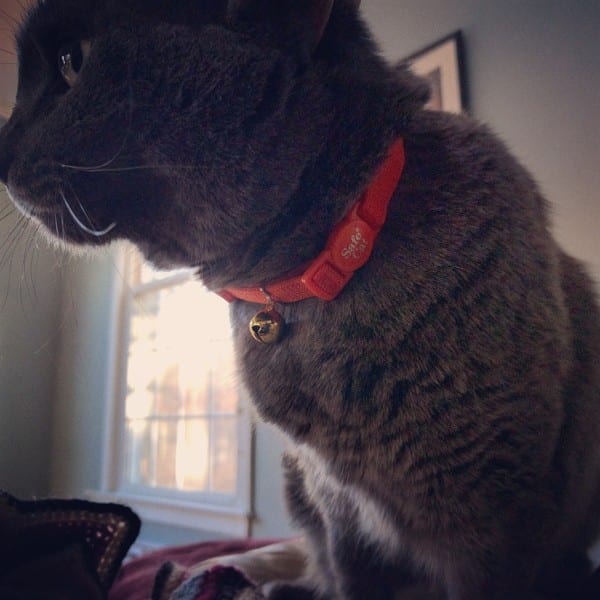
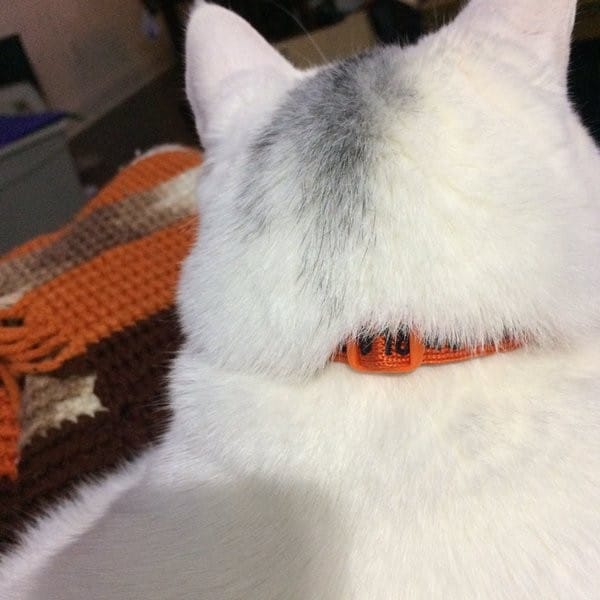
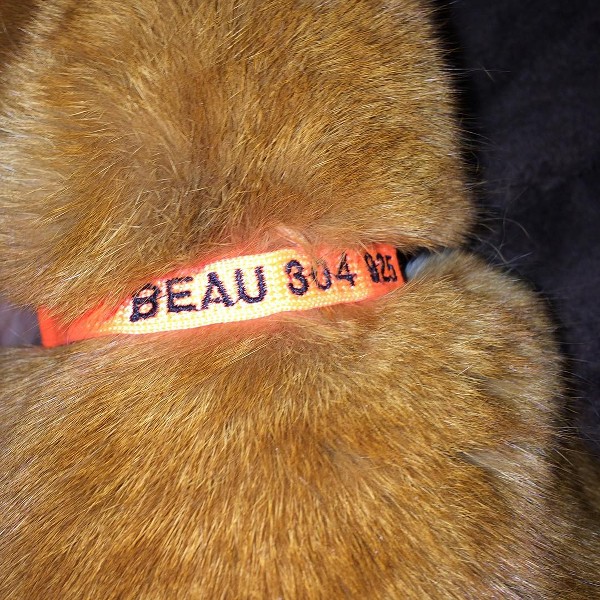
What if cats who don't belong outside could all be tagged somehow to make them instantly recognizable? That became the first step of the Kitty Convict Project — suggesting that people buy bright orange collars for their cats for high visibility and the added tongue-in-cheek reference to the prison system. Next, they had to get the word out, because a project like this is only effective if lots of people know about it. Gratifyingly, that's exactly what happened thanks to both of their huge web followings, and while Lee says it's not an overnight solution, it's part of the longterm solution to helping lost cats get home.
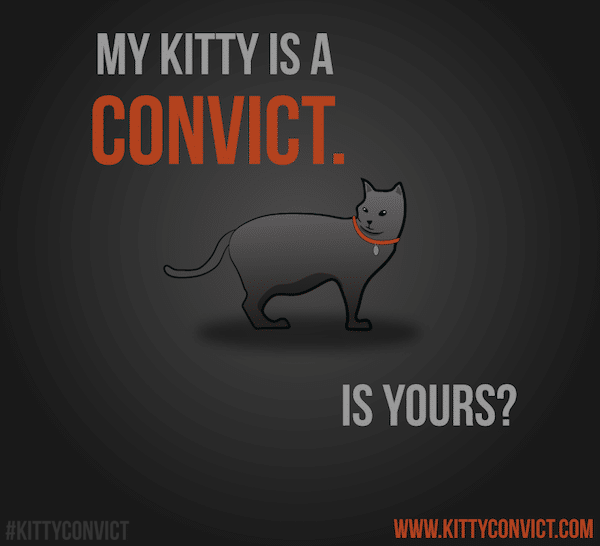
Lee explained that the two men partnered with a collar manufacturer to lower prices and subsidize the costs of collars, which are retailing for $12.95 (with ID tag) or $16.95 (with custom embroidery) on Amazon. Tens of thousands have sold already, and that's not counting the people who shopped locally. Their goal was never to be the sole custodians of the project, he says. Instead, they're seeing everyone from major manufacturers to big chains to mom and pops asking why there's been a sudden run on orange collars, which is exactly what they wanted.
It's not just consumers who are responding well — veterinarians are also excited, he says, with many writing in to ask about posters for putting on their walls (now people can download informational materials directly from their website). Vets, however, added another important fact: The chances of recovering your lost cat increase radically with microchipping, information the project has begun pushing out. In the 2009 study linked above, the researchers found that nearly 40 percent of cats made it home if they had microchips, which is a radical increase.
If you can't quite swing the cash for a microchip at the moment, they're often provided at low expense or through subsidized clinics for people who can't afford it. But in either case, stay current. The researchers found that in just over 40 percent of cases, the information associated with the chip was outdated. Make sure that the chip is registered to you or your vet, and that your contact information is current. Having your cats (or dogs) chipped is useless if animal control, shelters, rescue organizations, and vets have no way to contact you. Not sure if the info is current? Ask your vet to scan the chip so you can see what comes up. (This can also confirm that the chip is not broken and hasn't migrated.)
Not sure how well collars and chips work? A 2010 study found almost three-fourths of cats successfully keep their collars on over a six-month period, and 99.8 percent of microchips stayed functional.
Lee added that in addition to raising awareness about what orange collars mean, they also want to make sure people know what to do when they spot a mystery cat, orange collar or not: Indoor cats are often nervous, especially around new people, and the last thing you want to do is race for a kitty in an attempt to help out. Instead, he says, approach cautiously, and if a cat looks spooked, don't add to the problem. Knock on some doors — the partners discovered that most cats are found within four or five doors of home! — and call animal control if you can't locate the owner.
The best part of the Kitty Convict Project?
Lee says they're already hearing reports of cats reunited with their people simply because sharp-eyed citizens noticed orange collars and knew what they meant.
Learn more about Kitty Convict Project.

Expert cat care, straight to your inbox
Vet-reviewed advice, behavior tips, and the best of Catster. Free, and you can unsubscribe anytime.
By signing up, you agree to our Terms & Conditions and Privacy & Cookies Policy.

Catster is a cat magazine and cat website where cat lovers come together and get expert advice about cat behavior, cat health and cat news.
Join the conversation
Ask a question, share your story, or send private feedback.