Megaesophagus in Cats: Signs, Causes & Treatments (Vet Answer)

In this article
We all know just how important the esophagus is to not just the human body but to the bodies of our pets as well, and one uncommon condition in cats that results in regurgitation and other ailments of this area is megaesophagus. Megaesophagus has several different causes, and as a result, treatment can vary. If you’re curious to learn more about megaesophagus, keep reading, as this article will cover the need-to-know points for your furry friend if they’ve been diagnosed with megaesophagus.

What Is Megaesophagus?
Megaesophagus is the term used for the dilation or widening of the esophagus. The esophagus is the tube comprised of muscle extending from the oral cavity to the stomach, and it helps propel swallowed food and water into the stomach where the food is processed.
Sphincters are present at the beginning and the end of the esophagus. The sphincters open and close, which helps food pass appropriately. The food is guided in its transit down the esophagus by the contractions of muscles in a process called peristalsis. Peristalsis allows certain portions of the esophagus to dilate and contract, propelling the ingesta towards the stomach. However, in cases of megaesophagus, the esophagus is abnormally dilated or stretched.
What are the Signs of Megaesophagus?
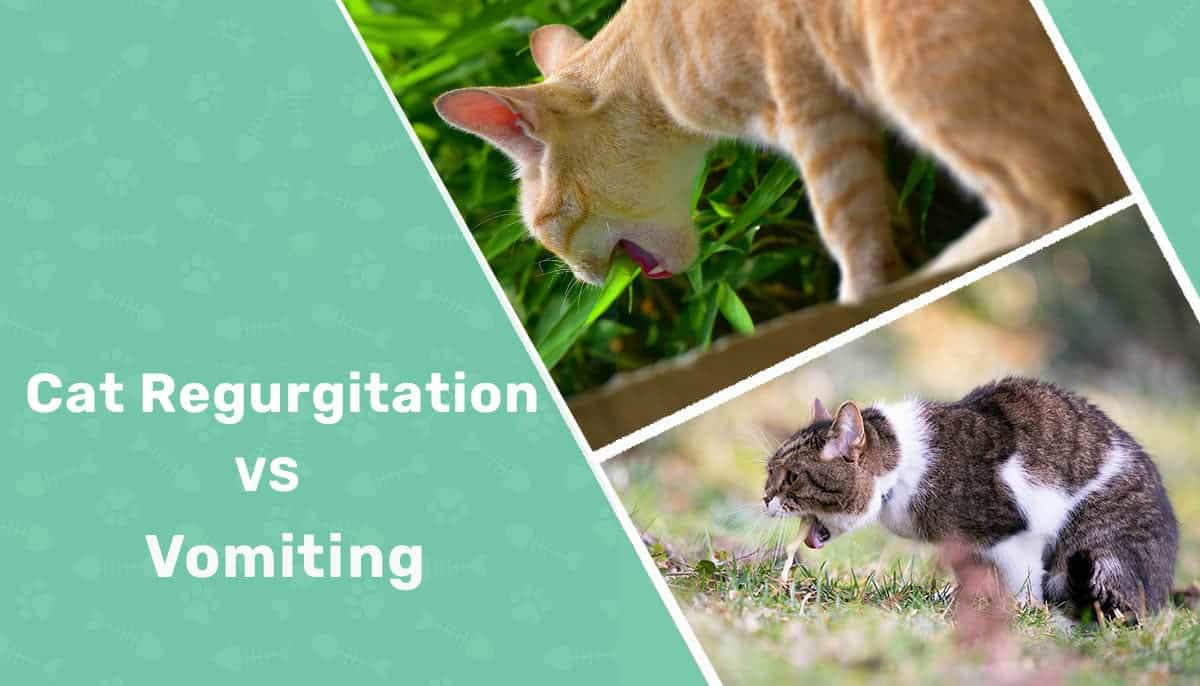
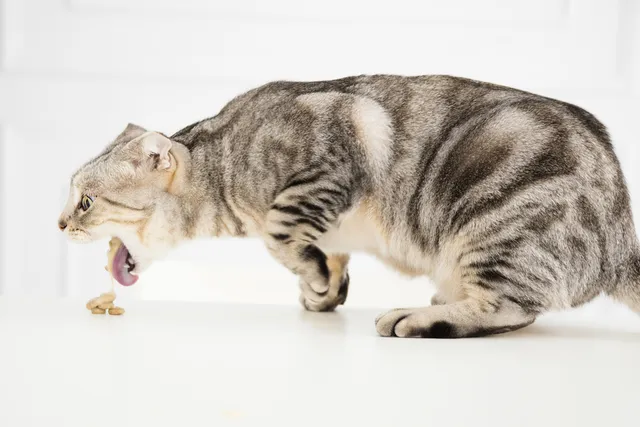
Signs of megaesophagus can vary depending on the underlying cause. Mostly, cats with megaesophagus experience regurgitation and weight loss. The main differences between regurgitation and vomiting is that regurgitation happens without abdominal contraction and nausea, and it usually occurs after food or water intake.
Conditions like myasthenia gravis may also cause appreciable signs of generalized muscle atrophy or weakness in addition to the common signs of megaesophagus.
Aspiration pneumonia is a common complication of megaesophagus, as food and water may accidentally be inhaled as a result of regurgitation. Cats battling aspiration pneumonia may exhibit a cough, labored breathing, or have a fever.

What Causes Megaesophagus?
Megaesophagus can occur due to several reasons, some of which can be described as congenital, meaning it’s present shortly after birth, or acquired, which means that it occurs later in life. Some of the more common causes of megaesophagus include:
- Persistent right aortic arch (PRAA)
- Nerve issues
- Myasthenia gravis
- Some medications
- Cancer
- Foreign bodies stuck in the esophagus
- Central nervous system neoplasia
- Endocrine disease
- Toxicosis
- Esophagitis
Seek veterinary advice if you’re concerned about your pet’s well-being.
Diagnosing Megaesophagus in Cats
Diagnosing megaesophagus in your cat will require a trip to the vet’s office. Your veterinarian will carefully listen to the history you provide regarding your pet and then perform a thorough physical examination. After evaluating your pet, your veterinarian will likely recommend moving forward with radiographs or X-rays. In some situations, radiographs using contrast may be recommended, as they can better illustrate dilation of the esophagus. Barium is commonly used to illuminate the upper digestive system.
It is possible that further investigation may be necessary to diagnose the underlying cause of megaesophagus. Further imaging like endoscopy may also be helpful.

Treating Megaesophagus in a Cat
The underlying cause of megaesophagus will help dictate what treatment may be necessary. For instance, if megaesophagus is secondary to PRAA, surgical correction of the PRAA will be needed. Similarly, if a foreign body or a tumor is the cause of dilation of the esophagus, the removal of the foreign object or tissue is necessary.
Uncommonly has surgery been used to correct the stretched esophageal tissue, although this may be a supported effort in the future. Also, motility drugs used to stimulate smooth muscles, like Metoclopramide, may be used to help motility disorders. In addition, nerve conditions like botulism or toxin exposure will require specific treatment. Cats with myasthenia gravis may benefit from immunosuppressive drugs as well as oral anticholinesterases.

How Do I Care for a Cat With Megaesophagus?
Caring for a cat with megaesophagus can be quite involved. Care must be taken to be on the lookout for signs that may be suggestive of pneumonia secondary to aspiration from regurgitation. Signs of pneumonia can include coughing, fever, and lethargy.
Cats with megaesophagus benefit from having several small meals daily. Furthermore, canned food or food made into a slurry may be easier for megaesophagus cats to manage. It is beneficial for megaesophagus patients to remain upright for 10 to 15 minutes after a meal.
Bailey chairs are chairs that have been designed to encourage a patient to stand during and after mealtime, allowing gravity to help facilitate the movement of food down the esophagus. Bailey chairs have been mostly utilized in canine patients; however, they can be used with cats too. Feeding from an elevated food bowl or carrying your cat over your shoulder post-meal for 10 to 15 minutes are other options.

Frequently Asked Questions (FAQ)
What Is the Overall Prognosis for a Cat With Megaesophagus?
The overall prognosis is dependent on the underlying cause of the condition. Furthermore, concurrent pneumonia or recurring bouts of pneumonia can worsen the prognosis. Due to secondary complications associated with megaesophagus, the prognosis is poor.
Is There a Breed Predisposition to Megaesophagus?
Yes; Siamese cats are more likely to develop megaesophagus than other breeds.

Conclusion
Although uncommon in cats, megaesophagus is a condition resulting in the dilation or stretching of the esophagus. There are numerous possible causes of megaesophagus, and some primary reasons will require surgical intervention. Following the diagnosis of megaesophagus, motility drugs may be utilized to help stimulate smooth muscle contractions. Due to the risk of secondary complications, like aspiration pneumonia and poor nutrition, though, the overall prognosis of megaesophagus in cats is poor.
Sources
Featured Image Credit: Erik Jan Leusink, Unsplash
Expert cat care, straight to your inbox
News, insights, and useful advice, delivered to you.

No spam — unsubscribe anytime.
By signing up, you agree to our Terms & Conditions and Privacy & Cookies Policy.
How useful was this post?
Click a star to rate. You can leave written feedback afterwards. (We read all feedback.)
Dr. Marti Dudley is a small animal veterinarian with a passion for preventative medicine and pet parent education. She enjoys being a resource for pet owners as she believes that having a team approach leads to the best possible care of pets. Dr. Dudley enjoys writing and has been able to use this skill as another avenue to educate pet owners outside of the traditional office setting.
Dr. Dudley has been practicing veterinary medicine since 2014. She has an interest in preventative care and emphasizes the importance of pet owner education. Dr. Dudley’s experience in veterinary medicine is broad, as she has worked as a general practitioner, which has allowed her to see and treat many different types of conditions.
Dr. Dudley received her bachelor’s degree in biology from Longwood University in Virginia. She earned her Doctor of Veterinary Medicine (DVM) degree from Ross University.