Longest Cat Tail In The World: 2026 Record Holder
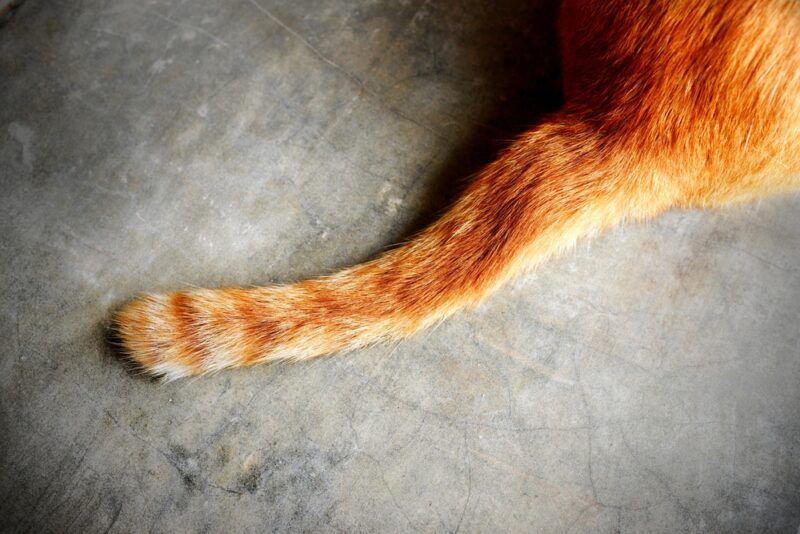
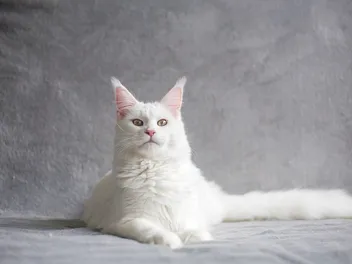
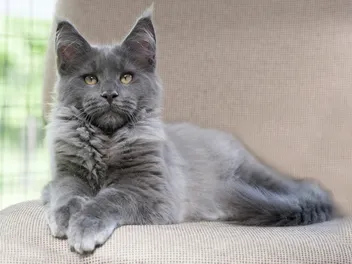
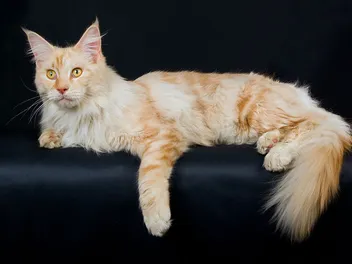
The record for longest tail belonging to a living domestic housecat belongs to Altair Cygnus Powers, a Maine Coon belonging to Dr. William Powers, a Michigan HIV specialist. Altair’s supremely fluffy tail measures an impressive 16.07 inches, which understandably causes some issues in day-to-day life. Dr. Powers says that Altair is a very playful kitty at heart, but adorably, “gets embarrassed” to play sometimes because his sweeping, floofy tail gets in the way.
Intriguingly, Altair comes from a family of cat record holders, though not by blood. His adopted brother, Fenrir, is currently the tallest living cat in the world at an astonishing 18.87 inches and gets confused for an ocelot or other wild cats on a regular basis. Before Altair, Dr. Powers owned a cat named Cygnus, who was the previous record holder for the cat with the longest tail. Cygnus’s tail measured a bit longer than Altair’s at a whopping 17.58 inches. Most tragically, Cygnus passed away in an accidental house fire in 2017.
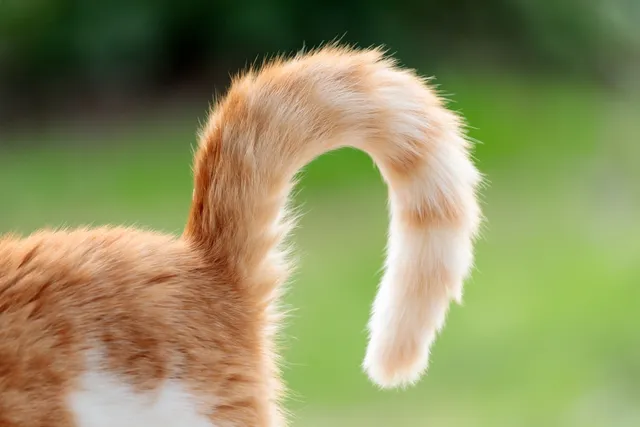
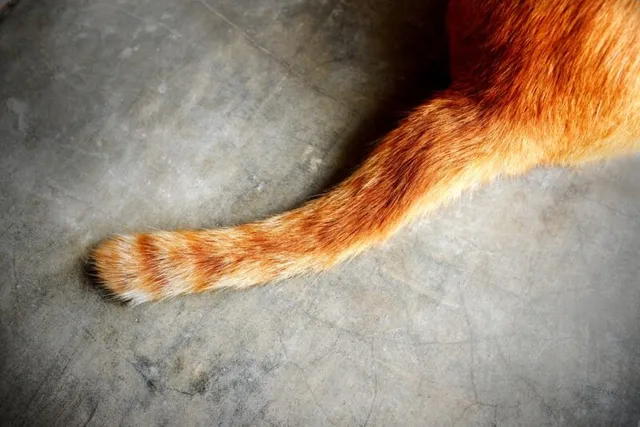
Cats’ tails are one of their most defining traits, from the way they curl to indicate their mood, the way they help them balance, and more. Let’s check out some more detailed info on cat tails down below, including whether breed affects the tail length and just why a cat’s tail is so darn important.

Does Cat Breed Affect Tail Length?
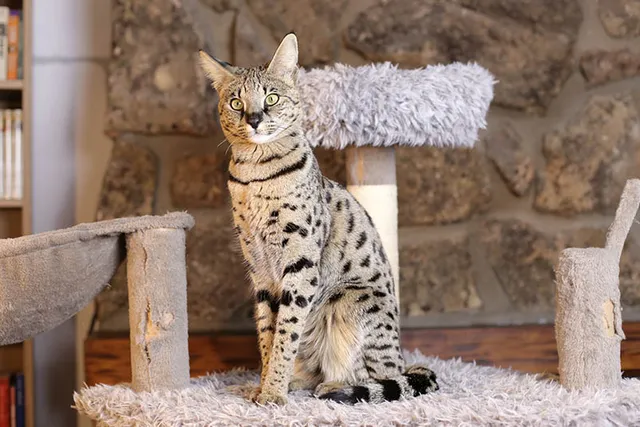
Yes, a cat’s genetics do affect their tail length. For instance, the Manx breed lacks a tail altogether due to a genetic mutation, while the Savannah breed tends to have longer tails. Cygnus, for example, was a Savannah cat. While a cat’s tail will generally be more or less proportional to their body’s length, certain breeds tend to have shorter or longer tails.
To give you a better idea, let’s first briefly take a glimpse at some common cat breeds that tend to have longer tails, then look at some cats with especially short tails.
Cat Breeds with Long Tails:
Cat Breeds with Short Tails:

Why Are Cats’ Tails Important?
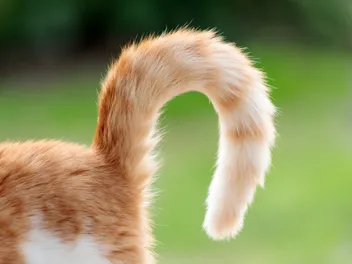
Many people think of a cat’s tail as just a wavy little bit connected to a cat’s mood, but it’s more like an extension of their spine that helps them balance. If you’ve ever watched a catwalk atop a perilous fence, you probably didn’t even notice their tail. In those situations, a cat’s tail will seem to wave back and forth, but you can notice a distinct rhythm that’s attached to their footsteps. In fact, the tail acts as a counterweight that works hand in hand with their other senses.
As if that’s not enough, you’ll probably be shocked to learn a cat’s tail does much more than just help with balance. It does several other jobs at the same time, from keeping your cat warm to keeping them upright when they fall. Let’s talk a bit more about the other purposes of a cat’s tail, including why they’re important.
These include:
Conclusion
The current record holder for longest cat’s tail goes to Altair Powers, a Maine Coon living in a house of record-breaking kitties, including the current tallest cat. A cat’s tail is critical for maintaining balance, conveying mood, and helping them stay warm but every cat has a tail that’s as unique as they are.
Featured Image Credit: italay, Shutterstock
Expert cat care, straight to your inbox
News, insights, and useful advice, delivered to you.

No spam — unsubscribe anytime.
By signing up, you agree to our Terms & Conditions and Privacy & Cookies Policy.
How useful was this post?
Click a star to rate. You can leave written feedback afterwards. (We read all feedback.)

Codee Chessher is a freelance writer with extensive knowledge on a variety of subjects that include travel, DIY, pets, and more. He has a colorful past but the written word was always his first love. He believes there's nothing a well-worded sentence can't accomplish!
When not writing, Codee enjoys reading fantasy novels, tackling DIY projects around the house, and memorizing useless pop culture trivia. He has lived in many places around the US, and most recently resides in northern Mexico.