How to Treat Cat Bites & Infections: Vet-Approved Steps & Prevention Tips



In this article
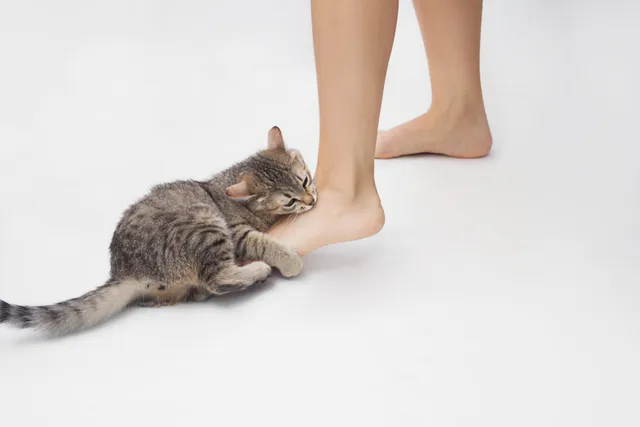
We all love our wonderful feline companions dearly, but even the gentlest kitty can bite when frightened or in pain. Cat bites might seem small, but they can lead to serious problems if not properly treated. This is why knowing how to handle cat bites and prevent infections is crucial for both your health and your furry friend's well-being. In this guide, we walk you through the steps to treat cat bites effectively and provide valuable prevention tips endorsed by veterinarians.

What to Do If a Cat Bites You
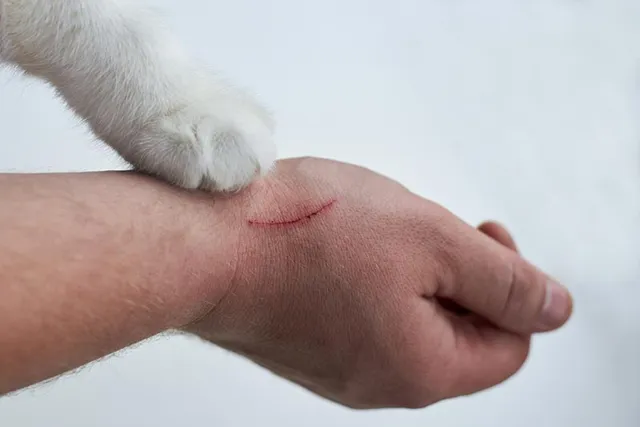
- Assess the Situation. If your cat has bitten you, it's essential to evaluate the severity of the bite. Minor bites may only cause superficial wounds, while deeper punctures can lead to more significant complications. Keep an eye out for signs of infection, such as redness, swelling, warmth, or drainage from the wound.
- Wash Your Hands. Before touching the bite wound, thoroughly wash your hands with soap and water to reduce the risk of introducing harmful bacteria into the area.
- Gather Supplies. Get a clean towel and an antiseptic solution.
- Consult a physician. Cat bites can get nasty really fast, so even though you think you have things under control, it’s best to consult with a doctor to make sure your wound is treated properly.

How to Treat Cat Bites Safely
1. Clean the Wound
Use an antibacterial soap to clean the wound. Wash the area for a minimum of 5 minutes. Even if the bite hasn’t broken the skin, you should still wash the area thoroughly.
2. Apply Antiseptic
After cleaning, apply a small amount of antiseptic solution to the wound using a sterile gauze pad. This will help disinfect the area and reduce the risk of infection. Make sure that you are not allergic to the product you are using. If in doubt, go straight to Step 3.
3. Seek Medical Attention
If the bite has broken the skin at all you should consult a medical professional for advice. They will give you further instructions as to how and whether or not to treat the wound at home or come in to be assessed. Even minor bites from cats can lead to serious infections and are particularly dangerous if the bite is on or close to a joint. Cat bites often require antibiotics, so it is important to seek medical attention sooner rather than later.


What Diseases Can Humans Get From Cat Bites?
While many diseases affecting cats stay within the feline community, some can pass from cats to humans, known as zoonotic diseases. Animal bite infections are often caused by a mix of bacteria, including those from the animal's mouth and possibly the victim's skin or surroundings.
Studies show that Pasteurella, Streptococcus, and Staphylococcus are the bacteria most frequently found in cat bite wounds. These bacteria, commonly present in cats' mouths, can cause pain, swelling, and redness at the bite site, which can rapidly progress to cellulitis, lymphadenopathy (inflammation of the lymph nodes), and abscess formation.
Another bacterial infection, called cat scratch disease (CSD), can be spread by cats. It is caused by Bartonella henselae, found in the saliva of infected cats and cat fleas. It spreads through scratches, bites, or contact with open wounds. Signs include swelling, fever, headache, and fatigue. Although most healthy adults recover without lasting effects, severe cases may require antibiotic treatment. Around 30% to 40% of cats carry Bartonella henselae, often without clinical signs. Preventing CSD involves avoiding scratches and bites, washing hands after handling cats, and controlling fleas. Immunocompromised individuals should avoid contact at all, especially with young kittens.

Prevention Tips for Cat Bites
- Practice Safe Handling. When interacting with a cat, always approach slowly and gently. Avoid rough play or sudden movements that may startle them.
- Keep Their Vaccinations Up to Date. Ensure that your cat receives regular vaccinations and veterinary check-ups to maintain their overall health and immunity. Vaccinations can help prevent certain infectious diseases that may lead to aggressive behavior or biting.
- Spay or Neuter Your Cat. Spaying or neutering your cat can help reduce territorial aggression and roaming behavior, lowering the risk of confrontations with other animals and humans.
- Educate Your Family. Teach your kids and other family members how to interact safely with cats (not only your cat but also any cat they may come across). Make sure everyone understands what "gentle handling" means and that they should always respect the cat's boundaries.
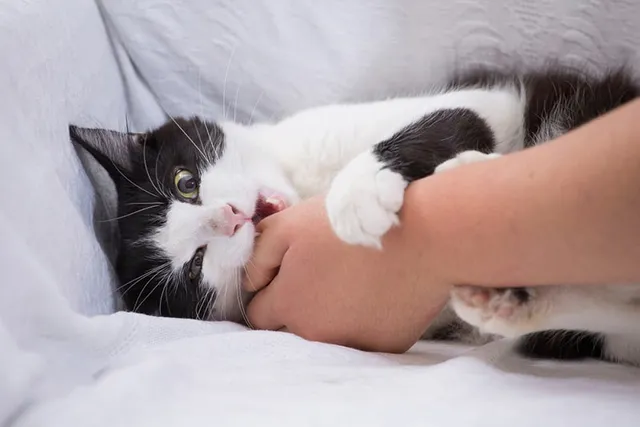
- Avoid Play Fights. It can be really tempting to engage in play fighting and wrestling with your cat, particularly when they are a cute and harmless kitten. However, this sort of interaction can lead to bites and scratches when your cat gets carried away, and as they get older, larger, and stronger, those injuries can become more severe. Your cat doesn’t understand that this sort of play is only suitable when they are kittens, so it’s best to avoid it altogether.
- Provide Enrichment. Engage your cat in regular play and enrichment activities to prevent boredom and reduce stress. Use interactive toys, scratching posts, and puzzle feeders to keep your cat mentally stimulated.
- Understand Cat Behavior. Learn to recognize the signs of stress or aggression in your cat, such as dilated pupils, flattened ears, or hissing. Avoid handling your cat when they are agitated to reduce the risk of bites. A veterinarian can give you some helpful tips on how to handle a cat in these situations.
Looking for toys that will cater to the many needs of your cat? The Hepper Hi-lo Cat Scratcher is one of our favorite cat products, and it will encourage your cat to get active. Its clever three-angle design offers multiple ways for your cat to climb, stretch, and exercise. Made of a sturdy plywood base and a replacement cardboard insert, this scratcher is an option that cats can enjoy for years to come. If your cat requires a little encouragement for self-play, the Hepper Catnip Mice Toy Set is a fantastic choice for their instinctual needs. Made with natural, bite-resistant hessian fabric and filled with organic catnip. Cats can satisfy their natural prey instincts while getting the physical activity they need to thrive.
| Image | Product | Details | |
|---|---|---|---|

|
Hepper Hi-Lo Cat Scratcher |
|
Check Price |

|
Hepper Catnip Mice Toy Set |
|
Check Price |
At Catster, we've admired Hepper for many years, and decided to take a controlling ownership interest so that we could benefit from the outstanding designs of this cool cat company!

Final Thoughts
Cats make fantastic companions, there’s no doubt about that. However, the fact remains that they are still animals, and they may bite and scratch when scared, angry, in pain, or sick. This is why understanding how to manage cat bites and prevent infections is fundamental when you are a parent of one of these mini wild beasts.
Ultimately, being a responsible cat owner means knowing and responding to your beloved pet's care requirements, including their behavioral needs, to avoid situations that could lead to biting. Always keep an in-date first aid kit in your home, along with a good antibacterial hand wash, and remember that cat bites can get pretty ugly, really fast, so if the bite has broken the skin, phone your doctor or health care professional for advice.
See Also:
Why Does My Cat Growl? Meaning, How You Should React & FAQ (Vet-Verified)
How To Read a Cat's Body Language: Vet-Reviewed Moods & Signals
Featured Image Credit: Luis Echeverri Urrea, Shutterstock
Expert cat care, straight to your inbox
News, insights, and useful advice, delivered to you.

No spam — unsubscribe anytime.
By signing up, you agree to our Terms & Conditions and Privacy & Cookies Policy.
How useful was this post?
Click a star to rate. You can leave written feedback afterwards. (We read all feedback.)
Genevieve is both a biologist and a science writer, driven by her deep love for capuchin monkeys, pumas, and kangaroos. Her dedication to wildlife has taken her across the globe, from Bolivia and Guatemala to Canada and Australia, working and volunteering at various rehabilitation centers. As a Canadian living in Argentina, Genevieve starts her days with horses and cows greeting her from the plains outside her home office. She is the proud parent of three rescued dogs—Lemmy, Nala, and Pochi—and an energetic kitten named Furiosa. The opportunity to share her passion and expertise in animal care brings her great satisfaction.