

In this article
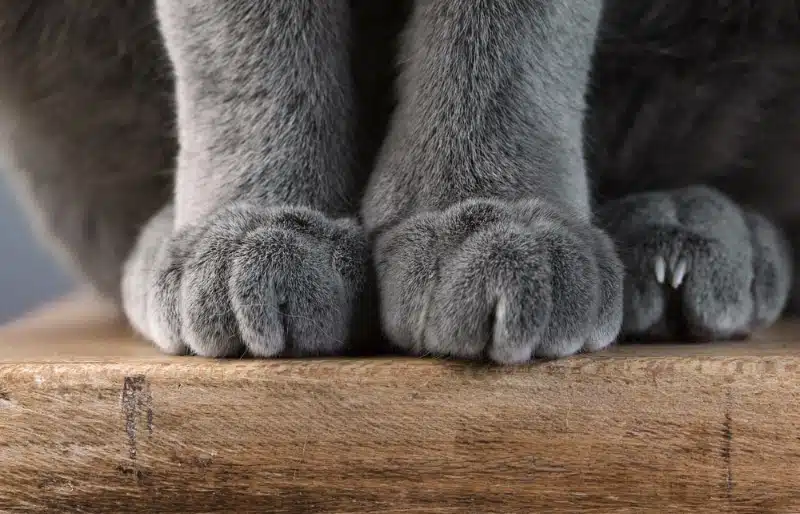
View 3 More +As a responsible cat owner, you’re well aware of the importance of caring for your kitty’s sharp little claws—not only for their health but also to spare your furniture! While our feline companions know how to keep their fur in tip-top condition, sometimes they need help maintaining their nails.
With the right approach, patience, and plenty of pets, keeping your feline’s claws healthy can be a pleasant experience for both of you. Here are the steps to follow to take care of your cat’s claws while sparing yourself a few scratches!

Getting the Right Tools
Keeping your cat’s paws healthy starts with nail maintenance. This is why investing in a good pair of cat nail clippers is essential to make the task of trimming your cat’s nails as smooth as possible. Consider a comfortable grip and a safety guard to prevent cutting too deep.

- Complete Set - These cat nail clippers include both a large and small pair, meaning it works well as...
- Razor Sharp Stainless Steel - The most comfortable cat nail clippers for indoor cats provide a fast...
- Safety First - With a safety nail guard and locking spring, you can make sure every grooming cut is...
Trimming your cat's nails at home can be hard, but having a professional do it can be expensive. With the help of great tools like Hepper's Cat Nail Clipper Set, you can easily and quickly trim your cat's nails at home. This set includes two pairs of stainless steel clippers with safety guards and locking mechanisms, plus a built-in nail file and a convenient pouch.
At Catster, we’ve admired Hepper for many years and decided to take a controlling ownership interest so that we could benefit from the outstanding designs of this cool cat company!
What Does It Mean to Keep Your Cat’s Nails Healthy?
Cats’ nails are like ours in that they will continually grow if they aren’t trimmed. That said, cats can scratch with their claws—sometimes in inappropriate places, like your favorite couch—to keep them at an appropriate size.
However, checking your cat’s nails regularly is essential to ensure that they don’t get too long. Nails that aren’t trimmed often enough can curl on themselves and become ingrown, which is painful for the cat and can lead to infections. Moreover, their claws can get stuck in carpets, blankets, or other places, which can lead to injury when they try to free themselves.
In short, keeping your cat’s nails healthy means making sure they aren’t too long, injured, deformed, infected, or dirty.

The 5 Steps to Keep Your Cat’s Nails Healthy
1. Trim Their Nails Once or Twice a Month
The health of your cat’s nails requires regular trimming. The idea is to familiarize your kitty with this process from a very young age, but getting an older cat to be fine with having their paws and claws handled is possible. However, it may take more time and patience!
2. Handle Each Paw With Care

It’s essential to cut your cat’s nails in a position that suits them best, whether they’re sitting, standing, or lying down. Pick a quiet place in your house where your cat feels most comfortable, get cozy, close the door, and above all, make sure your kids or dogs don’t come in!
To help your cat get used to having their paws touched, try this exercise. When your cat is relaxed, gently touch the top of one of their paws, and then give them a treat. Repeat this several times, touching each paw separately and giving them a treat each time. With practice, your cat should become more comfortable with having their paws touched.
If your cat seems stressed or tries to bite you, stop immediately and let your cat leave. You can try again when they are calmer. If your cat seems relaxed and peaceful, it’s time to get a pair of quality cat nail clippers and get to work:
- Place your cat comfortably in the crook of your arm so you are looking in the same direction.
- Take one paw in your hand and hold it gently but firmly.
- Gently squeeze the tops of their toes to expose the claws.
- Place one exposed nail tip into the clipper ring, perpendicular to the nail.
- Squeeze the clipper to cut. Stop about 2 mm from the “quick,” as this sensitive part contains nerves and blood vessels.
- Cut the tip of each nail.
- Repeat with each paw.
3. Provide Multiple Scratching Posts
You can safely encourage your cat’s natural instinct to scratch by providing appropriate outlets. Invest in scratching posts and other cat trees, which are available in different shapes, sizes, and textures at pet stores or online. You can also give free rein to your creativity and DIY an original scratching area for a low price! For example, you can cover a post or large cardboard box with carpet or opt for sisal or rope-like materials for cats that tend to destroy sofas.
Place the posts strategically near your cat’s favorite scratching spots, such as near their resting areas. Some cat parents build custom scratching posts using wood, carpet, fabric, or sisal and make cat trees with many climbing perches and hanging toys.
Whether purchased or built, scratching posts should be sturdy, unlikely to tip over, and at least as tall as your cat when they’re standing on their hind legs with their front paws extended.
The Hepper Hi-Lo is the perfect alternative to a regular scratching post or cat tower and doubles as a fun and exciting way for them to keep their nail length at bay. Cardboard is the main attraction, because we all know how much cats can't resist it, and the scratcher itself was created to encourage play with its multi-position design.

- Premium Materials - Hepper's cardboard scratcher is made with dense, B-flute cardboard, and a metal...
- High, Low and Lower - A single cat scratch pad won't keep your cat engaged. 3 unique positions keeps...
- Activates Muscles - The Hi Lo isn't just a cat nail file to stop the chief cat couch scratcher. The...
If you are looking to keep nail trims to a minimum and your cat entertained for hours, the Hepper Hi-Lo Cat Scratcher is a must-have.
At Catster, we’ve admired Hepper for many years, and decided to take a controlling ownership interest, so that we could benefit from the outstanding designs of this cool cat company!
4. Check Their Paws Regularly
Take the time to inspect your cat’s paws regularly. Look for any signs of redness, swelling, or abnormalities in the nails or paw pads. Detecting problems early will help prevent potential complications and unnecessary pain for your cat. Furthermore, the more often you check your cat’s paws and claws, the better you will become at identifying potential health problems, such as infections, trauma on the nail bed, or ingrown nails. If in doubt, ask your veterinarian for advice.
If you need to speak with a vet but can't get to one, head over to PangoVet. It's an online service where you can talk to a vet online and get the advice you need for your pet — all at an affordable price!


5. When in Doubt, Ask for Help
Despite your best efforts, trimming your cat’s nails on your own can be tricky. So, if you are unsure how to keep your cat’s claws healthy or if your cat has specific nail-related problems, don’t hesitate to seek professional advice. A pet groomer can show you proper nail trimming techniques, while your vet can ensure that there are no underlying health issues that could affect your beloved beast’s nails.

Should You Trim Your Indoor Cat’s Nails?
It depends on your cat’s personality and how much they move around inside the home, but usually, yes, indoor cats need their nails trimmed. In fact, indoor cats typically don’t wear down their nails as much as outdoor cats do. The frequency of trimming depends on your cat’s activity level, how fast their nails grow, and how much they wear down their nails on scratching posts. As a rule of thumb, trimming your indoor cat’s nails every 2 to 4 weeks is advised by most vets. However, if possible, avoid cutting your feline companion’s claws if they go outside, as they need their claws sharp enough to climb trees and escape potential threats.
Final Thoughts
Keeping your kitty’s nails healthy isn’t rocket science, but it does take a bit of skill, practice, and patience. Some cat parents are lucky enough to have docile fur babies that let their paws be handled without issues, while others may witness their beloved cat turn into a ferocious beast at the slightest touch. In such cases, seeking advice from your vet may be your best bet to prevent any potential injuries.
Featured Image Credit: Nailia Schwarz, Shutterstock







