How to Get Rid of Cat Spray Smell: 6 Tips & Home Remedies
In this article
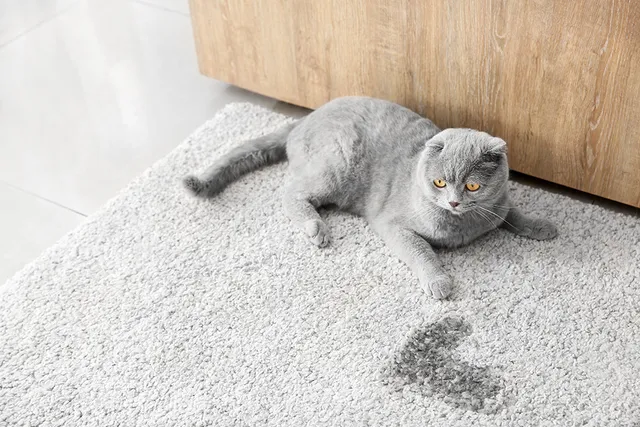
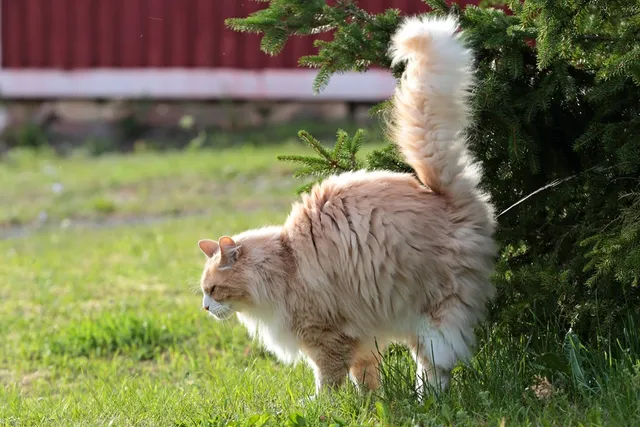
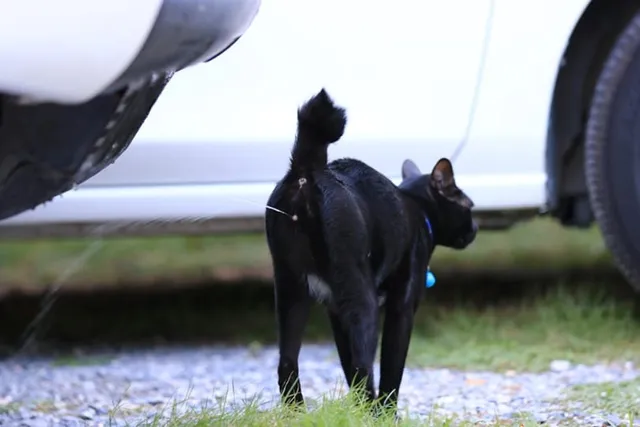
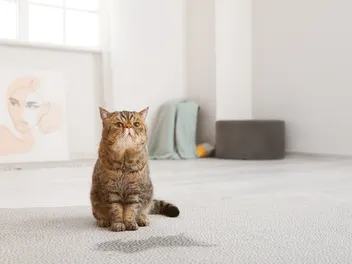
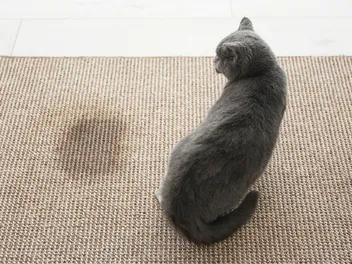
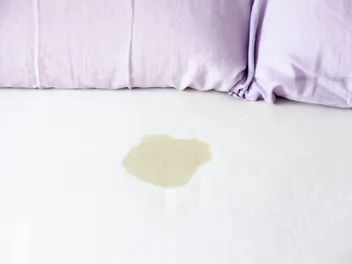
Cat spray smell is a common problem for many pet owners, as our feline friends can develop a bad habit of urinating outside the box when they’re sick, stressed, or threatened. After all, misery loves company, and the extra-pungent odor is a surefire way to ensure everyone in the home is equally uncomfortable.
Since it’s more persistent than most everyday odors, cat spray is impossible to tolerate and extra challenging to eliminate. If the smell makes you feel unwelcome in your own house, we’ll provide six tips and home remedies to get rid of the smell quickly, easily, and effectively.

Before You Begin
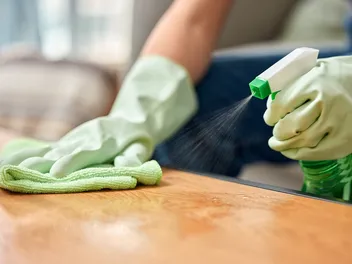
Having the right products on hand before you need them is always a great way to avoid the stresses that come with lingering pet odors or stains. A pet-friendly enzyme cleaner is an excellent all-purpose cleaner that you can use on multiple surfaces in your home.
Our Favorite Enzyme Cleaner
The Hepper Advanced Bio-Enzyme Pet Stain & Odor Eliminator Spray is our favorite all-purpose enzyme cleaner. It kills harmful bacteria and permanently removes even the worst kitty stains and smells, leaving your home fresh and clean! Click here to learn more about this amazing product and get yourself a bottle.
| Rating | Image | Product | Details | |
|---|---|---|---|---|
Best Enzyme Spray
 |

|
Hepper Advanced Bio-Enzyme Pet Stain & Odor Eliminator Spray |
|
Check Price |
At Catster, we’ve admired Hepper for many years and decided to take a controlling ownership interest so that we could benefit from the outstanding products of this cool cat company!
How to Get Rid of Cat Spray Smell
1. Search for Spray with a Blacklight
The first step in eliminating cat spray odors is finding the sprayed areas. Cats will re-spray in places bearing their urine smell, so if you don’t remove it, you’ll have a recurring cleaning job to manage.
Cats often spray around doors or windows if there’s an outdoor stressor or on new items that bring unfamiliar smells into the home. After localizing the odor to a particular room, use a blacklight to pinpoint the spray. The phosphorus in dried urine causes it to glow neon yellow or green under UV light.
Darken the room and sweep the light over the floors, walls, and baseboard to reveal spray patterns. Cats are sneaky, and you may have to check behind furniture, in closets, or among piles of clothes. When you find the spray, mark the perimeter to outline where to clean.

2. Use an Enzyme Cleaner on the Spray Marks
Enzyme cleaners are the most effective solutions to remove cat spray smells. While many cleaners only mask the scent, enzymatic formulas have active enzymes that target and break down odor-causing compounds. The smell goes away for good, and your cat won’t pick up the scent to drive them to re-spray.
Shake the bottle and saturate the spot. The smell will gradually dissipate after you let the cleaner sit for at least 10–15 minutes. Severe stains may require multiple applications to remove all the urine.
3. Sprinkle Baking Soda on the Stain
Baking soda won’t completely clean pee stains, but it’s one of the simplest home remedies for removing cat spray smells. The powder absorbs odors and moisture, making it a handy solution for soaking up fresh urine and keeping old stains from stinking.
After blotting the spray stain with paper towels to soak up as much urine as possible, sprinkle baking soda on the spot. Let it sit for 30 minutes or until the area is dry. Once the area is odor-free, suck up the baking soda with a wet-dry vac with a HEPA filter, as the fine powder can potentially damage a standard carpet vacuum.

4. Air Out the House
The fastest solution for quick relief from cat spray is simply opening the windows. While it won’t have a lasting impact, airing out the house with a cross-breeze will make it much more tolerable while you find a more permanent solution. After opening the windows, turn on the fans to move the air and push the cat urine smell out of the house.
5. Spray With Vinegar and Water
Vinegar is a versatile kitchen staple that can make a marked difference in a hurry for urine on walls, hard floors, and the carpet.
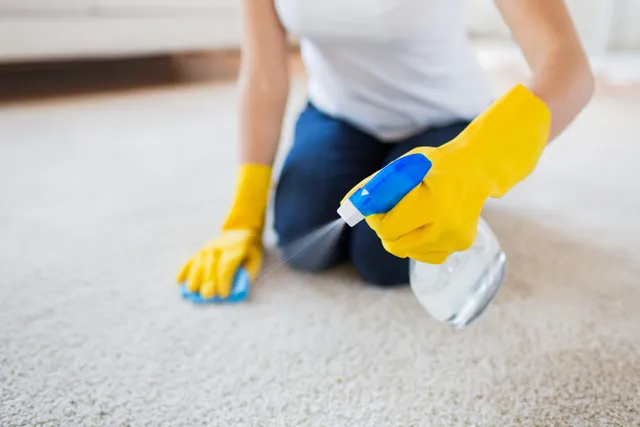
First, blot the stain with a paper towel to remove as much cat urine as possible. In a spray bottle, mix one part distilled white vinegar with one part water. Shake the bottle and saturate the spray mark. Let it sit for a few minutes, blot with a paper towel, and allow it to air dry.

6. Set Up a Spray Station
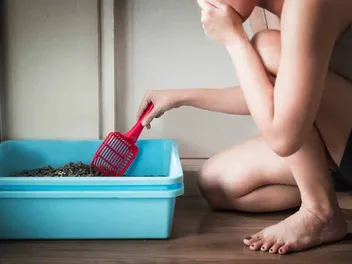
Sometimes, you can reduce spraying but not eliminate it. If your cat won’t stop spraying, you can make life less frustrating by setting up an easy-to-clean spray station. With this arrangement, your cat will spray into a litter box covering their normal spraying area.
Using two litter boxes, nest one inside the other at a 90-degree angle to create an L shape. Fill the bottom section with litter, and set the vertical section against the wall where your cat sprays. As your cat gets used to using the station, you can often move it to a more out-of-the-way location. Though it won’t fix the issue, a spray station will make cleanup easier.

Stop the Smell at the Source: How to Get Your Cat to Stop Spraying
Even with the most powerful cleaning solutions, you can’t expect to get rid of the cat spray smell for long if you don’t root out the reason for your pet's behavior.
Common causes of spraying include:
Intact cats are more likely to spray because they use it to advertise for mates. Spaying and neutering can help reduce the problem, as it removes much, if not all, of the sex drive that motivates cats to mark. Yet, spraying can persist even in desexed cats if they feel stressed enough.

How to Keep Your Cat from Spraying
Manage Outdoor Stimuli
Block other animals from accessing your home and property if they bother your cat. You can also close the blinds or remove access to certain rooms to prevent your cat from noticing outdoor stressors and supervise your cat's outdoor time to keep them safe.
Maintain the Environment
New additions to the family or changes in the environment can upset the home's look, smell, and sounds, often making cats feel uncertain and insecure. Changes should occur slowly to prevent spraying, and you should explore ways to minimize their effect on your cat.
For example, items that might upset your home’s scent profile, such as strollers or sweaty running shoes, can stay in the garage. If you’re changing furniture or remodeling, you can do it bit by bit to maintain familiar areas. You can also give your cat a safe spot where they can retreat. You may have to wait to make significant changes until you fix the spraying behavior.

Provide Attention, Enrichment, and a Routine
Enhancing your relationship with your cat and providing more enrichment can make them feel content and secure, hopefully leading to less spraying. Supply a rotation of toys and devices like cat trees, scratching posts, and shelves. Strategically placed items will give your cat ways to stay active and places to retreat if they feel stressed.
Maintain a consistent routine with your cat. Grooming, feeding, and playtime should occur at scheduled times so your cat can find comfort in the predictability. Give them as much interaction as possible to fortify your bond, using rewards and avoiding punishment to minimize their stress.
Using treats, toys, attention, and other rewards to make positive associations with changes to the home can also put your cat at ease. When you take an upbeat approach and give your cat the care they deserve, family additions like pets or babies become less threatening and less likely to ignite new spraying behavior.
Keep the Litter Box Clean
Scoop the waste daily and change the litter weekly to keep the litter box clean and appealing to your cat. Make sure litter boxes are easily accessible and that there are enough to accommodate every cat in the house. Ideally, you should have one litter box for each cat plus an extra, all positioned in convenient, secure places.
You can also try a different litter, such as switching from clumping to clay or paper litter, as some cats prefer certain materials. If the box is the right size, accessible, and clean, and the litter is comfortable, your cat should have no reason to avoid it.

Talk to Your Vet
Talking with your vet is wise if you don’t know why your cat is spraying or if they show other signs, such as behavior changes, weight fluctuations, or illness. Your vet can perform various tests and assess environmental factors contributing to spraying. Then, they’ll offer insights, advice, and treatment, which may include medications.

Final Thoughts
Cat spray is rarely an issue you can put off until later. Urine odors fill the house fast and only become trickier to remove the longer you let them sit, and your cat will be tempted to keep spraying as the scent persists. Enzyme cleaners are the best way to make odors disappear long-term, but when the smell becomes more than you can bear, following these easy tips and home remedies will give you the immediate relief you need to reclaim your space.
Featured Image Credit: Sorapop Udomsri, Shutterstock
Expert cat care, straight to your inbox
News, insights, and useful advice, delivered to you.

No spam — unsubscribe anytime.
By signing up, you agree to our Terms & Conditions and Privacy & Cookies Policy.
How useful was this post?
Click a star to rate. You can leave written feedback afterwards. (We read all feedback.)

Catster is a cat magazine and cat website where cat lovers come together and get expert advice about cat behavior, cat health and cat news.