Disaster Preparedness for Cats: 12 Vet-Approved Steps to Take


No one likes to think it could happen to them. After all, we have cell phones and technology that can alert us to potential disasters well before they strike. Yet, many dismiss the power and destruction of these catastrophic events, making emergency preparedness imperative no matter what the odds of something happening.
The top eight most expensive US disasters were hurricanes, with Katrina topping the list.1 However, the most common in 2024 globally were floods.2 It’s essential to include your pets in your household plan for dealing with potential emergencies. It can save your life and those of your beloved animal companions. So, what exactly do you need to do?

The 12 Steps for Preparing for a Disaster
1. Make a Household Plan
The most crucial step for emergency preparedness is making a plan. It ensures you’ve covered all the critical bases. It also ensures that everyone is on the same page. You often don’t have time to think or strategize when a disaster strikes. Seconds and minutes can literally mean the difference between life and death. A plan assures everyone understands their role, which can help you focus on what’s happening.
Everyone in your household should participate. You should address every concern and question. It’s not the time for assumptions. Everything must be crystal clear to everyone involved. Write it down to avoid confusion.

2. Gather the Critical Info
Another vital step is gathering the critical info everyone needs to know. That includes your pet’s medical history and vaccination records. Remember that you may not have access to digital information in a widespread disaster. Make it easy for the caregivers and have it available no matter what the circumstances.
It’s also a good time to ensure your pet is up to date on any tests or vaccinations. You can make copies for other household members. We recommend storing any vital paperwork in a waterproof bag to safeguard the contents. Or even better, having a digital backup.
3. Put Together an Emergency Pet Kit
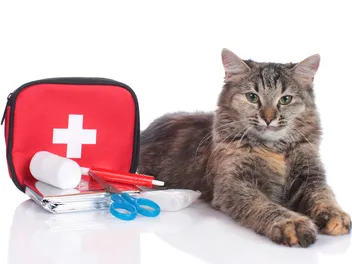
The American Red Cross recommends preparing an emergency pet kit. It should include vital supplies, such as medications, pet food, and medical records. You should also put some toys and treats in your kit. They may have a calming effect on your pet during these difficult times. You can toss in a spare leash and collar with ID information on it. After all, a frightened pet is more likely to bolt.
Make sure to add any specific instructions related to any medical conditions of your pet in case you get separated. We also suggest putting in a piece of your clothing. Familiar scents can help reduce the stress of the event for your pet. You can also add a pheromone spray, which will have the same effect. Remember to add other useful items, such as a flashlight, blanket, and disinfectant.

4. Designate a Safe Zone
This item is just as much for your family as it is for your pet. It also helps ensure everyone understands the plan by designating safe zones in your home. The basement or a laundry room can provide extra protection during storms and tornadoes. Likewise, everyone will know where to gather if you experience a flood.
We suggest having a backup plan, just in case. The essential thing is knowing where everyone is going to be. It can make rescue efforts infinitely more manageable.
5. Take Current Photographs of Your Pets
We strongly urge you to take some current photos of your pets. We’re not talking about cute selfies with the kids. Take pictures of the animal to make identification easier. Make sure to include any unique markings or scars if your pet has them. Ensure they are high-quality images in case you have to print flyers to find your animal companion.

6. Get a Rescue Alert Sticker
We strongly urge you to put a rescue alert sticker for your pets on your front door. Make it easy for the first responders and volunteers by listing the number and kinds of animals in your home. If you’re evacuating, write that on the sticker to save these people time and effort. You should also add your vet’s name to it in case they need medical assistance.
7. Take Special Precautions for the Potential Disasters in Your Area
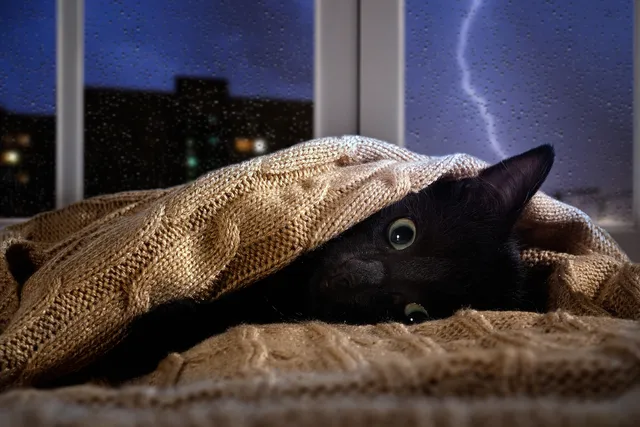
Storms often cause power outages that can affect your water supply if you are on a well. Make sure you have plenty of water by filling sinks and bathtubs if there are weather warnings in your area. Close the door to the basement in case of flooding. Your pet should remain indoors and in safe places within your home. Keep your emergency kit handy.

8. Ensure Your Contact Info Is Current
You should verify all your contact info is current. That includes the tag on your pet’s collar and the information with your pet’s veterinarian. We also recommend taking the same precaution with the registry for your pet’s microchip. Research has identified inaccurate details as obstacles to returning pets to their owners. A microchip is an excellent safeguard, but only if someone can contact you.
9. Make a Buddy Plan
Undoubtedly, other people in your neighborhood have pets. Your animal companions might be friends with them, too. Forming a buddy system with other pet owners in your area can give all of you peace of mind if a disaster strikes. Share your contact info so that you can help reunite pets with their families if they get lost during the chaos of an extreme weather event or natural disaster.

10. Make Sure All Your Pets Are Indoors
Your home is often the safest place for you and your pets to remain during a natural disaster, depending on your location and the type of disaster you’re dealing with. It can reduce the risk of flying debris and other hazards. It can also lessen the stress your pet feels. Research has shown that cats find comfort in their owners’ presence. That applies to you as well. Having your animal companions close by can help you cope until the worst has passed.
11. Prepare Transportation for Your Pets
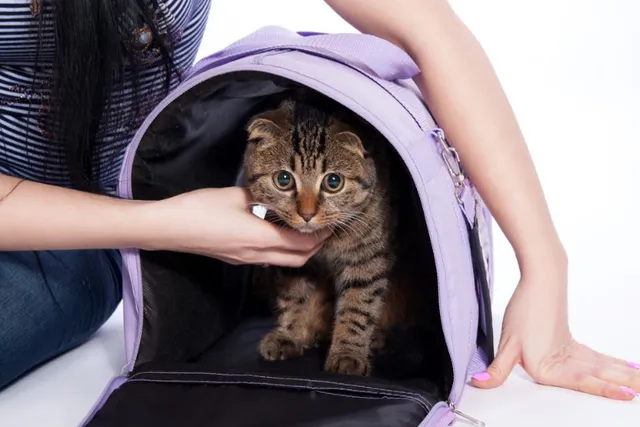
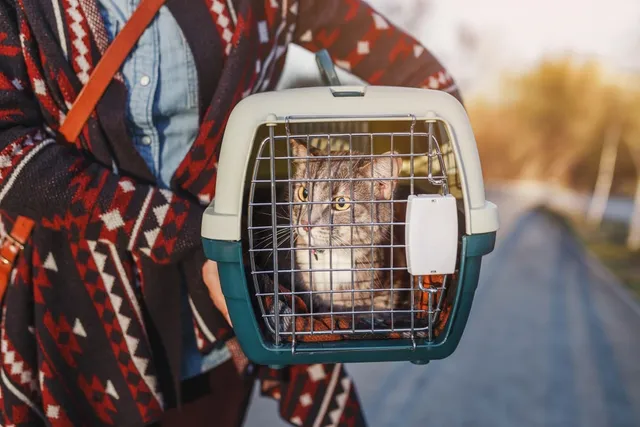
You should ensure transportation is ready for you and your pets if you must leave quickly. That means having carriers ready along with your emergency kit with food and water. Again, a pheromone spray can help make transporting your pet easier. If you have horses, you should ensure your trailer has the necessary supplies to move the animals safely.

12. Follow Evacuation Orders
We recommend following any evacuation orders you may receive during a natural disaster. Authorities don’t take these matters lightly. If the situation has escalated to this point, heed their warning. Take your pets and your emergency kit with you. We suggest checking on pet-friendly accommodations before you leave to ensure you can bring your animals with you.

Conclusion
Preparation is the best way to handle a disaster. That means having a plan that everyone in your household knows and understands. These events often require quick decisions. Make it easy for everyone, including your pets. We hope that you never need to use the steps on our list. However, you’ll feel better knowing you have a plan just in case.
See also:
Featured Image Credit: Irina Kozorog, Shutterstock
Expert cat care, straight to your inbox
News, insights, and useful advice, delivered to you.

No spam — unsubscribe anytime.
By signing up, you agree to our Terms & Conditions and Privacy & Cookies Policy.
How useful was this post?
Click a star to rate. You can leave written feedback afterwards. (We read all feedback.)
Chris has been a science-focused pet writer since 2009, specializing in health and the environment. She lives with her husband Norm and three amazing cats in the land of 10,000 lakes. When she's not writing about cats, Chris also enjoys boating and sampling wine. She has her WSET 1 and 2 certifications and is currently pursuing her Certified Wine Specialist Award (CSW).