16 Vet-Reviewed Tips on How to Cat-Proof Your Apartment


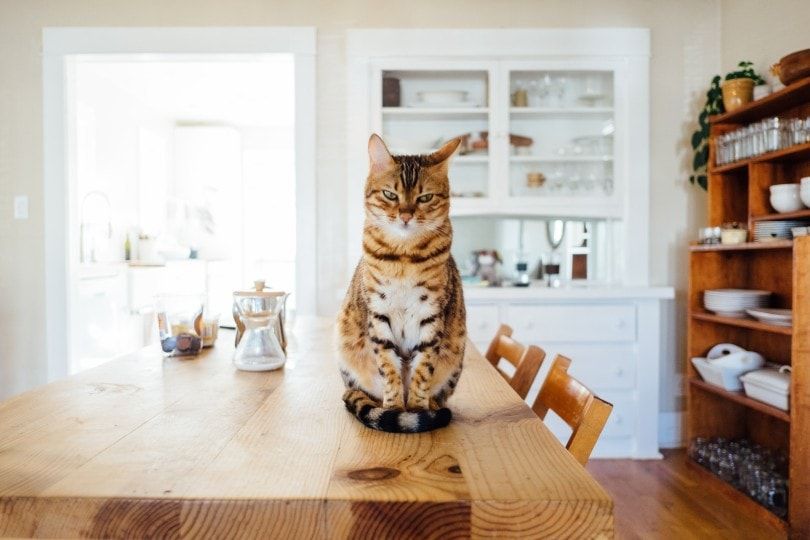
Cats tend to get into a lot of trouble when left to their own devices. You turn your back, and half your home is in ruins, or worse, your cat has injured themselves or ingested something harmful! Cat-proofing your apartment can help reduce the amount of playful and inadvertent destruction your cat gets into when you’re away at work while keeping them safe, well, from themselves.
Here are 16 ways you can cat-proof your apartment.

How to Cat-Proof Your Apartment
1. Tie Up Blind Cords
Blind cords can pose a considerable risk to cats. Cats may injure or even kill themselves if they get stuck in the blind cords.
If you can install cordless blinds, this eliminates this risk significantly. If you cannot install or afford to replace your current blinds, tying up the blind cords will help keep them safely out of your cat’s reach.

2. Cover Electrical Wires
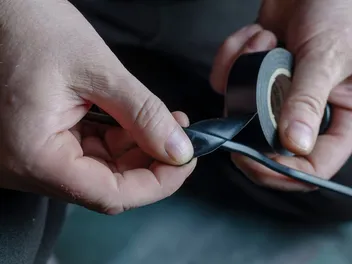
Chewing isn’t just a pastime for dogs; cats engage in this as well, especially kittens! The rubber sleeve of electrical wires can be attractive to cats looking for something to chew on. So, keeping those wires covered can keep your cat from chewing on them unchecked.
Leaving electrical cables out in the open can deliver more than just a passing shock to your cat; it can be fatal in some circumstances. So, covering up your electrical cables is a good practice when you have animals in the household.
3. Keep Candles Out of Reach
Candles are another dangerous thing, but they’re not just hazardous to your cat; they’re dangerous to you too! If your cat knocks over a lit candle, this could quickly spiral into a house fire.
Cats are curious and may knock your candles down while trying to play with them if you leave them out. Flameless or electric candles are a good compromise for pet parents who want ambient mood lighting but don’t have a strong feeling towards the fire itself.

4. Avoid Using Essential Oils
While they may smell great, many essential oils are toxic and can even be fatal when ingested or inhaled by cats, or after coming in contact with their skin. Whether you use them on their own or in a potpourri, make sure they’re kept at a safe distance from your cat in a separate room, your cat has no access to. You don’t want your kitty to be able to get anywhere near them in any form. For 100% safety, keep essential oils in a locked cupboard, or do not use them at all.
5. Get Cat-Safe Plants and Flowers
Many plants are toxic for cats if ingested, and unfortunately, cats are curious creatures that will take a quick nibble of just about anything.
The ASPCA has a non-exhaustive list of plants that are toxic to cats. This list also includes a section for explicitly safe plants for cats if they happen to consume any. So, if your cat has gotten into your houseplants, this is a great source to start with when planning your next steps!

6. Keep Mothballs Out of Reach
Mothballs are toxic for cats whether they ingest them or are exposed to their fumes long-term. So, you want to keep these out of reach of cats as best as possible.
7. Keep Nightstands Clear
People often keep benign things to humans on their nightstands, which can be hazardous to cats. Items like medications, glasses, and phone cables can cause a risk to your cat as they explore their home. So, try to keep that surface clear since you’re unlikely to have a nightstand tall enough to keep them off it.
8. Power Down Paper Shredders
Fur and tails can get caught in paper shredders, and these can seriously harm your cat if left unattended. The same may happen if they try to sniff it or even worse, lick it or place their paw inside, leading to serious tongue and paw injuries.
Don’t leave your shredder in standby mode. Shredders on standby can pull tails in if the fur triggers the shredding action. Power the shredder down completely when it isn’t in use.
9. Consider Child-Proof Locks
Child-proof locks are a great way to keep cats out of cabinets they shouldn’t have access to. Cats don’t like to be told no and will usually do their best to get access to just about every cupboard in the house.
However, not every cupboard will be safe for cats, so it’s essential to make sure your cat only has access to suitable spaces. Child-proof locks are great because even some adults have trouble with them. So, cats aren’t getting through them any time soon.

10. Child-Proof Caps for Stove Dials
We’ve come home to find that our cats have kicked a stove dial and turned on the gas. This can be dangerous to everyone in the house. So, a child-proof cap that prevents the stove dials from turning can help keep everyone safe!
11. Properly Store Medications and Supplements
Medications, even over-the-counter ones, can be dangerous to your cats. Even medicines given to both humans and cats are given in different dosages. Store your medication in secure containers that are kept out of reach of curious paws.

12. Get Stovetop Covers
Your cat’s paws could get seriously burned if they jump up on a stovetop that is still hot or was on. Stovetop covers can help keep your cat’s feet from getting burned if they walk over the stove.
13. Keep Garage Chemicals and Cleaning Solutions Out of Reach
Garage chemicals and cleaning solutions can be extremely toxic to cats. Keep these substances in locked cupboards or in the garage to help keep them safe. In case of a spillage, make sure everything is promptly cleaned out and your cat banned access from the area, as even just walking through it can expose your cat to toxic and harmful substances, through licking their paws and grooming.

14. Keep the Clothes Washer and Dryer Closed (and Check Before Using It!)
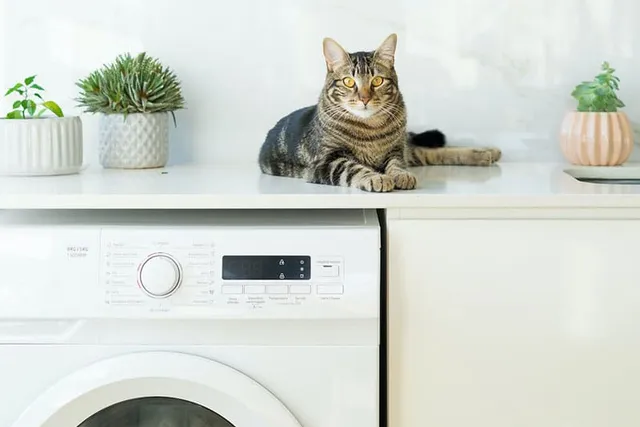
Cats may be attracted to the warm, enclosed space your clothes washer and dryer provides, especially right after a cycle. However, you don’t want your cat to get stuck in there while the machine is on; that could be fatal. Check the washer and dryer before you load it and before you turn it on, and warn all family members and guests to do the same every single time. Remove any ornery cats who have made it their new home or keep the utility room out of their reach.
15. Keep Toilet Seat Lids Down
Cats may find themselves enthralled with watching the water of your toilet move; cats love running water, after all. However, they can fall in, and this can be especially dangerous for small cats or kittens. Keeping the toilet seat lid down will help keep them safe.

16. Secure Doors and Windows
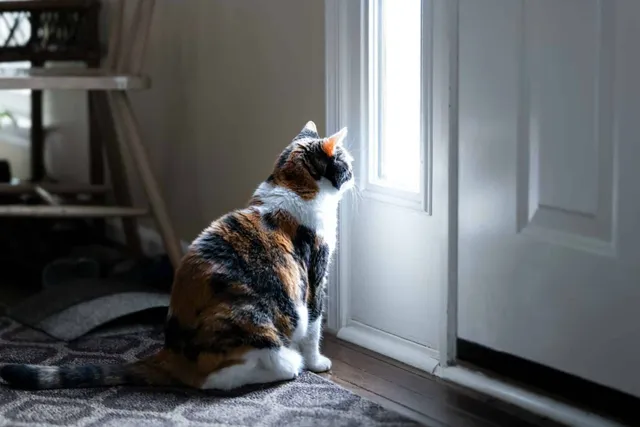
Unless your cat has free access to the garden and the outdoors, you want to make sure your indoor cat or kitten can’t get out, especially if you live in busy urban areas, where they could get lost, hurt, or worse. Make sure not to leave any windows opened, or place secure and durable wiring or netting on them that are small enough, so they can’t get their paws stuck. Be mindful when opening and closing the door, and it may be best not to let your cat into the hallway, as they may try to run out and get injured by the closing door or slip out.

Final Thoughts
Owning a cat can be daunting since they’re curious and always get into trouble. Luckily, keeping your home safe for your cats is an attainable dream that doesn’t require changing your lifestyle. A few extra add-ons to your house can turn it into a feline haven where you and your cats can relax, knowing that everyone is safe!
Related Reads:
Featured Image Credit: Paul Hanaoka, Unsplash
Expert cat care, straight to your inbox
News, insights, and useful advice, delivered to you.

No spam — unsubscribe anytime.
By signing up, you agree to our Terms & Conditions and Privacy & Cookies Policy.
How useful was this post?
Click a star to rate. You can leave written feedback afterwards. (We read all feedback.)
Luxifa is a freelance writer with a passion for animal science and technology. She loves to share the world of animal science with people to help them make informed decisions for themselves and their pets. Luxifa has worked in professional pet care for over six years and strives to help change the world of pet care by bringing the information people need to them in terms they can understand. Knowledge is power, and Luxifa loves to help everyone become the most informed they can be.