Are Feral Cats Bad for the Environment? Vet-Reviewed Pros, Cons & Facts

In this article
Despite their small size, cats can be quite resilient and capable survivalists. The unowned cat population is quite large, with an estimate of 30 to 80 million unowned cats living in the US 1. Feral cat populations are a hot topic among environmentalists and animal rights activists. They can have both a positive and negative impact on the environment. So, it’s important to understand the nuances of this population to make decisions that effectively protect the environment and the humane treatment of feral cats.

What Is a Feral Cat?
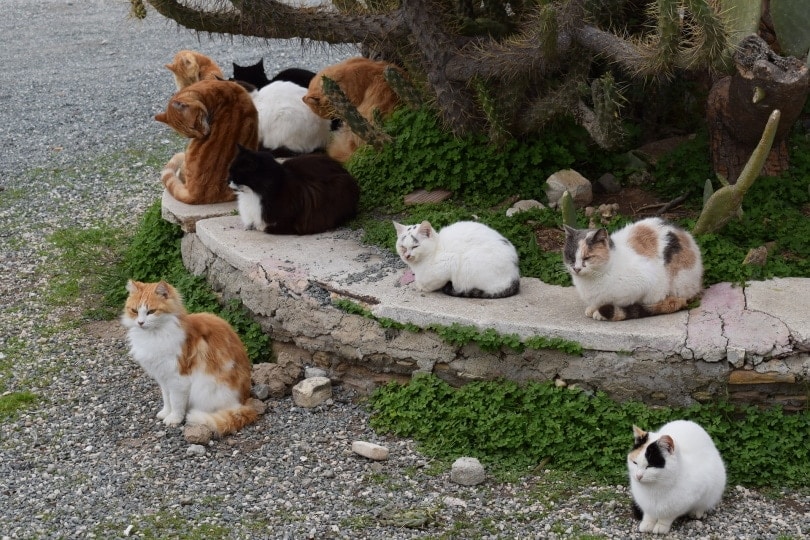
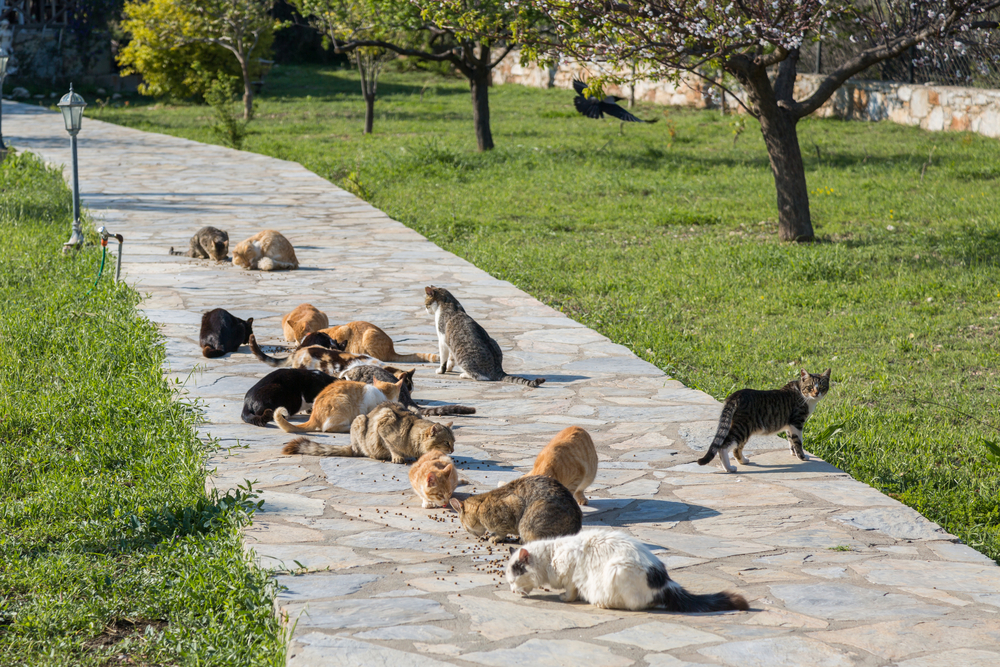
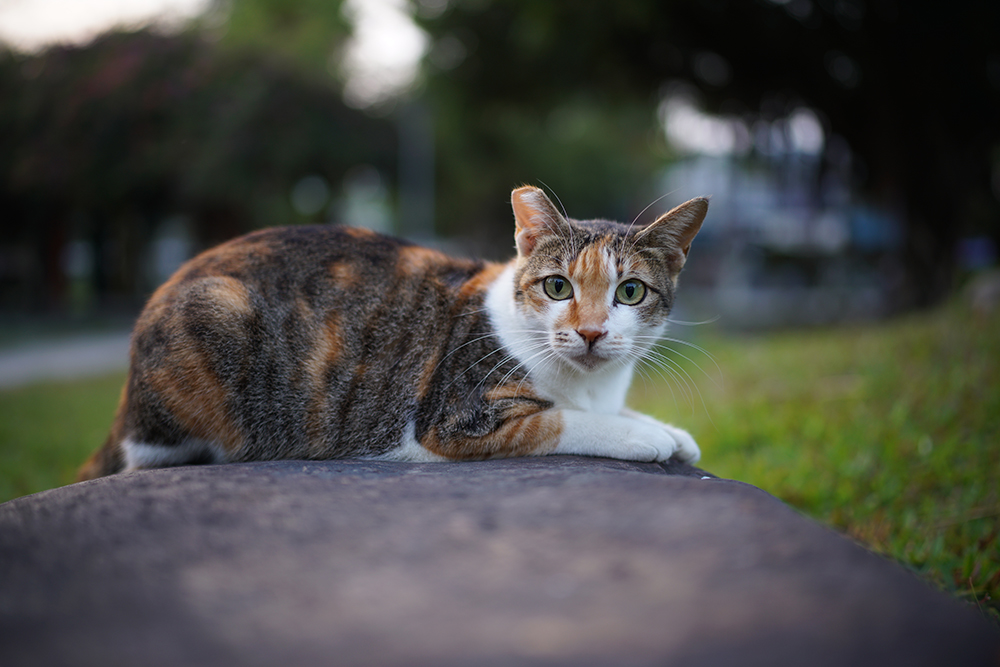
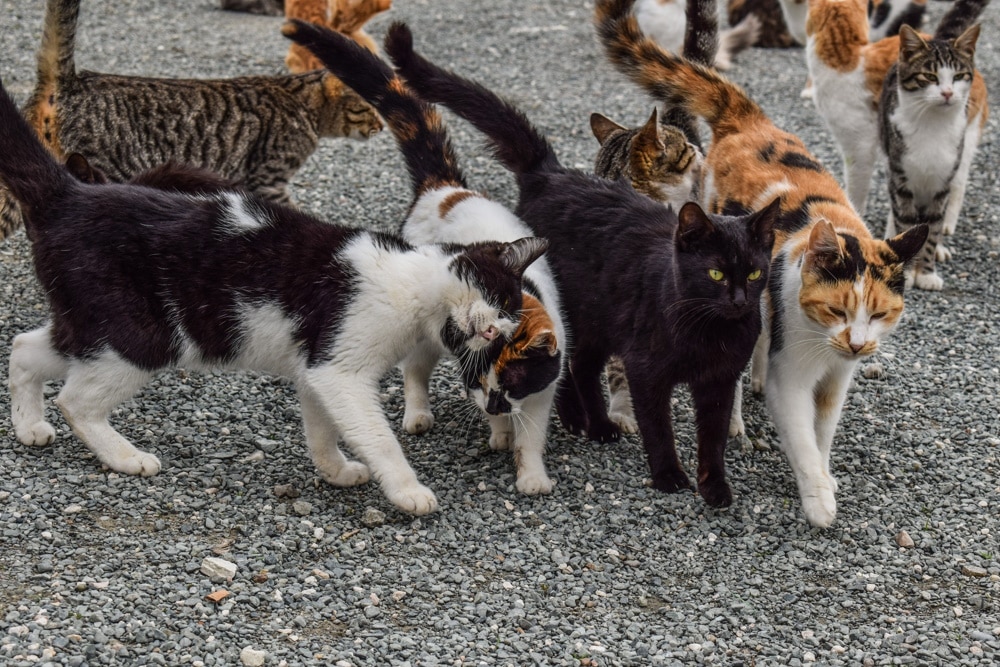
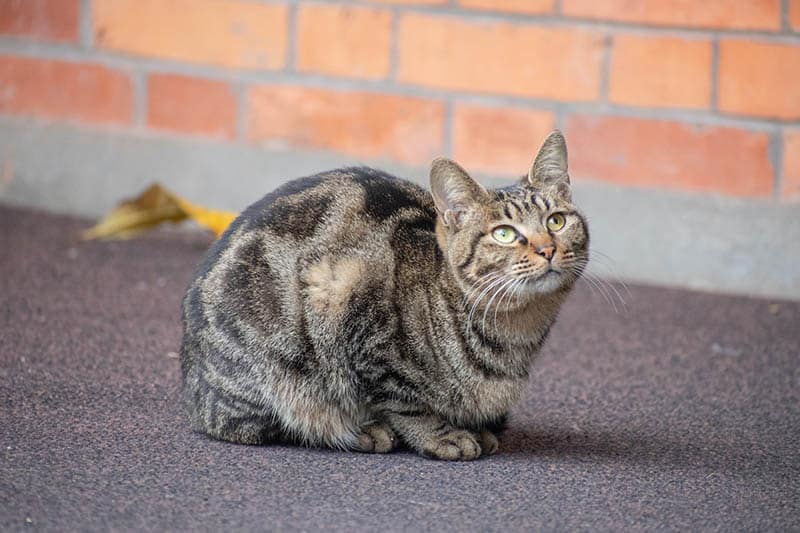
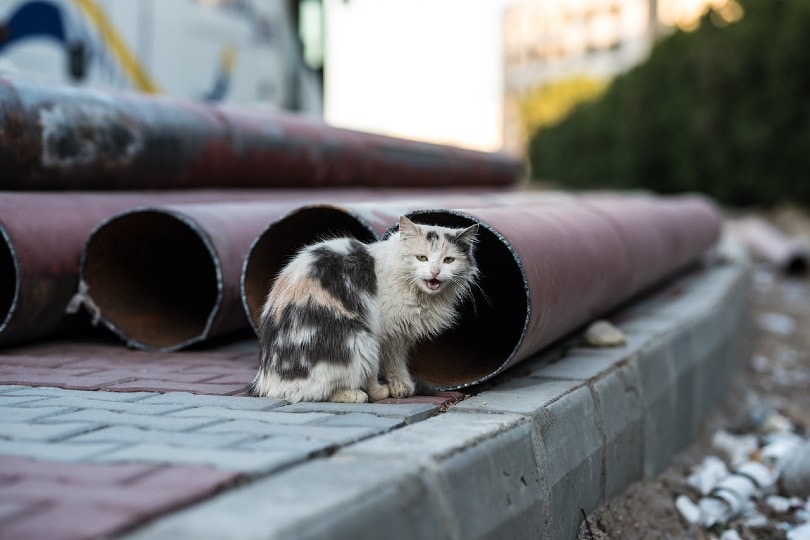
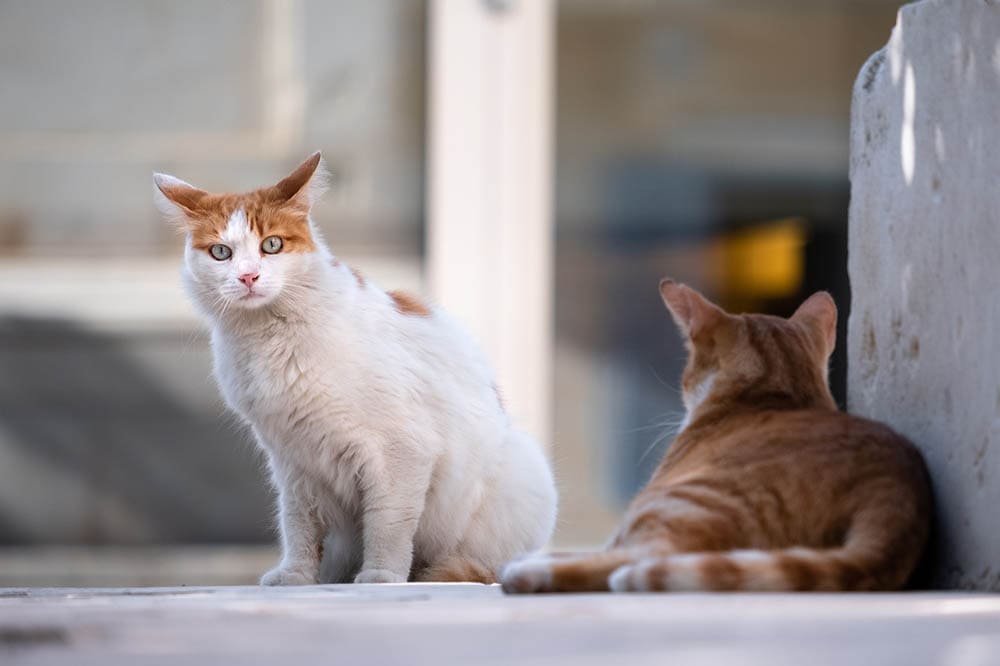
A feral cat refers to a wild cat that has either been abandoned to the wild or born and raised in the wild. These cats have never been fully domesticated, don’t have human companions, and tend to avoid human interactions. They typically live in colonies with other feral cats and survive off of hunting rodents and small animals or scavenging for food scraps.
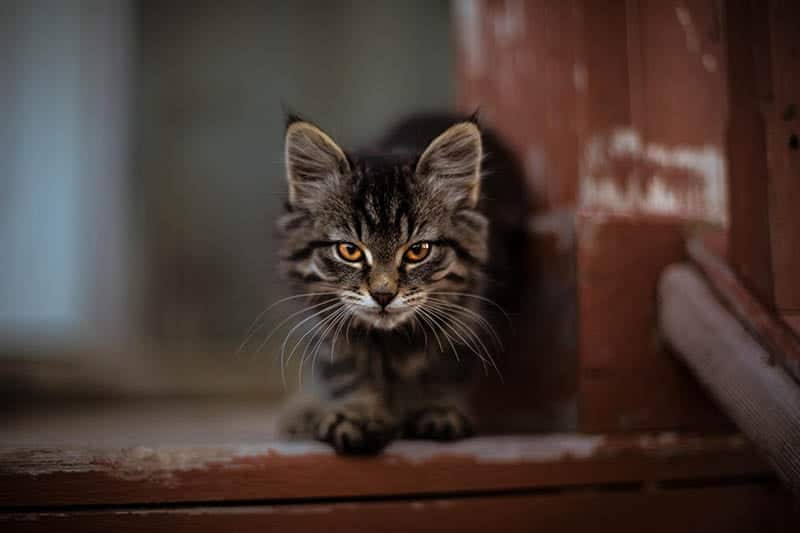
Feral cats differ from outdoor cats and stray cats because they don’t have owners or have never had owners. Outdoor cats may roam outside during the day, but they’ll return home to their families consistently. Stray cats have usually been owned at some point but have lost their family or home for whatever reason. Feral cats are typically fearful of humans and are often too wild to handle.


Benefits of Feral Cats
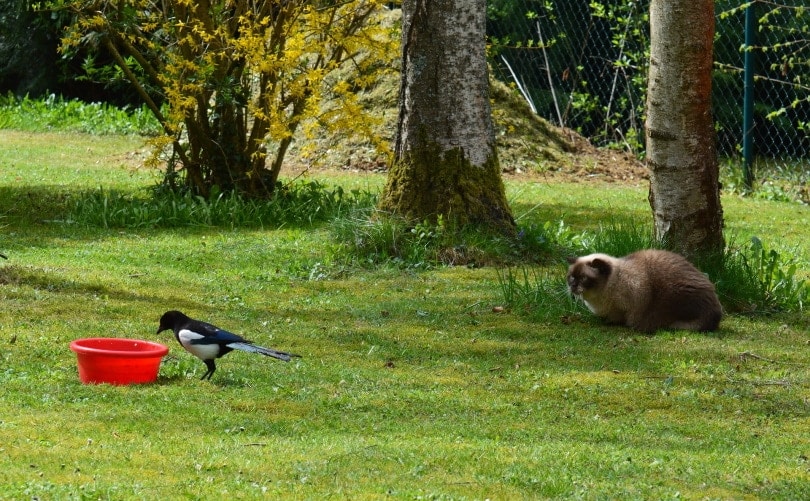
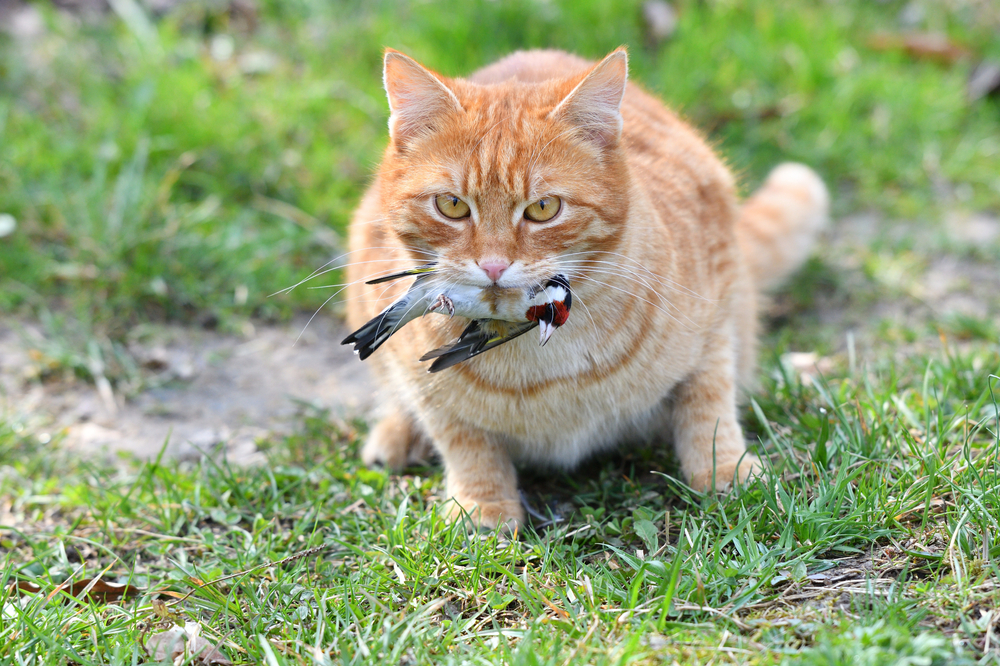
One of the main benefits of feral cats is that they can help maintain and control the populations of some invasive species. As hunters, they can catch small birds and rodents fairly easily. Natural prey for cats includes rabbits, mice, rats, and birds. Therefore, feral cats have the potential to become allies with gardeners who are trying to prevent rabbits from getting into their vegetable patch.
Being a caretaker of feral cats can also provide mental health benefits. Feral cat caretakers are typically assigned to care for a feral cat colony by providing food and outdoor shelter. They often gain a sense of purpose through this experience, and it can also decrease feelings of loneliness.

Negative Environmental Impacts of Feral Cats
Unfortunately, feral cats can have some negative impacts on the environment. First, they can end up endangering native wildlife populations. It’s estimated by some sources that cats kill about 2.4 million birds in the US every year, though more research is needed, and difficult to definitively quantify.
Feral cats may also help spread infectious diseases. They can host intestinal worms, including tapeworms, hookworms, and roundworms. These worms can be passed through contact with cat feces. As cats prefer relieving themselves on dry soil or sand, they may revisit people’s gardens and children’s sandboxes to defecate. This can spread these infectious diseases to pet cats and dogs, and even to people.
Managing Feral Cat Populations
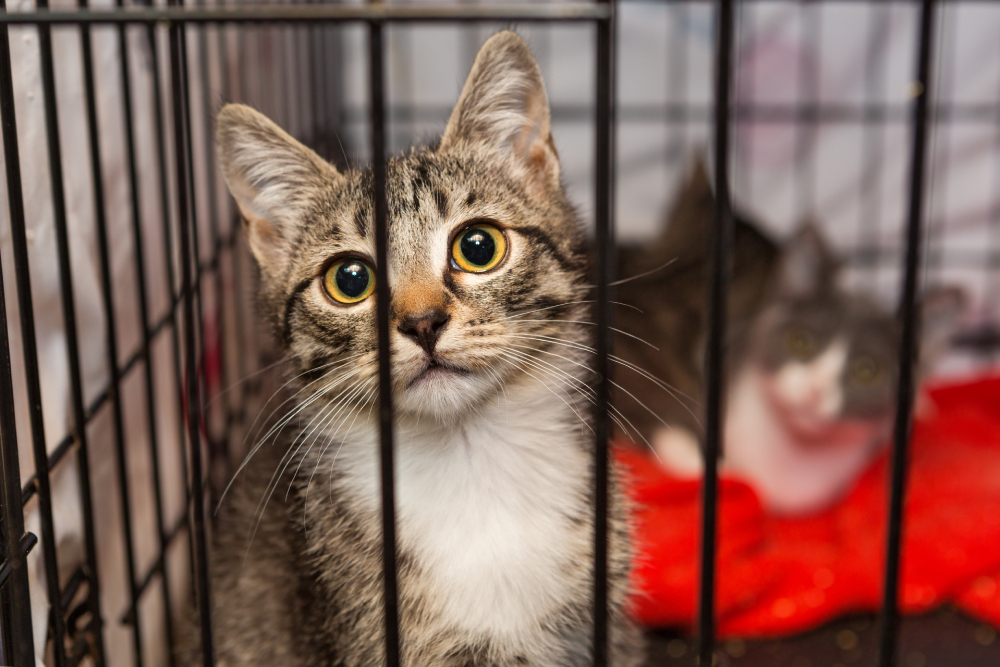
It’s challenging to find a perfect solution that provides humane feral cat treatment and satisfies environmental critics. One of the most favorable ways to manage feral cat populations is trap-neuter-return (TNR) programs. These programs will capture feral cats in humane traps. These cats will then undergo a basic physical exam and be neutered or spayed. Some programs will also vaccinate and deworm the cats. Once the cats have recovered from their surgery, they’ll be released back to where they had been found.
The goal of TNR programs is to help manage feral cat populations by preventing feral cats from producing new litters of wild kittens. While it takes time to see results, some TNR programs in certain cities have seen a reduction in their feral cat populations. One study in Florida saw a 66% reduction in feral cats within the first 6 years of implementing a TNR program.
Conclusion
While feral cats may help reduce the population numbers of invasive species, they can equally predate native species. Dealing with feral cat populations is complex, and it takes a detailed plan to coexist with feral cats peacefully while protecting the environment. Currently, TNR programs are seen as one of the most humane ways to control and reduce feral cat populations. The data shows promising results and may help researchers continue to find more effective ways to manage feral cat populations as humanely as possible.
Featured Image Credit: JancickaL_Pixabay

Expert cat care, straight to your inbox
Vet-reviewed advice, behavior tips, and the best of Catster. Free, and you can unsubscribe anytime.
By signing up, you agree to our Terms & Conditions and Privacy & Cookies Policy.
Jessica is a freelance writer who spends most of her day researching and writing while her fluffy Cavapoo, Nora, naps beside her. She loves and appreciates pets and animals because there’s so much to learn from them, and they do so much for people. As a dog owner, she understands the special connection that pet owners form with their pets. She loves sharing helpful information that people can use to better understand their pets. When she’s not writing, you can find her walking dogs, tending to her plant babies, or drinking her nth cup of coffee.
Join the conversation
Ask a question, share your story, or send private feedback.