Euthanasia Guilt: 8 Vet-Verified Tips to Work Through Your Feelings



The death of a beloved cat can be one of the most difficult experiences to deal with in life. Losing your cat is overwhelming, and the experience can be made even more challenging by the feelings of guilt that arise after having them euthanized.
Guilt often accompanies grief; it’s how the mind tries to understand loss, but there are ways to work through the emotions that come after euthanizing a deeply loved companion.

Before Getting Started
It’s common and normal to feel guilt after putting a beloved cat to sleep. After the loss of a loved one, it feels as if the world has fallen apart. It’s hard to accept, and your mind starts looking for explanations, which can become self-critical and can easily lead to feelings of guilt.
Some pet parents feel guilty because they think they may have euthanized their companion too soon, and others feel guilty for not putting their pets to sleep earlier and feel responsible for causing them to suffer.
It’s easy for pet parents who’ve euthanized a companion to get caught up in what-ifs. It’s helpful to remind yourself that you did what you thought was best for your cat, given what you knew at the time.
Ultimately, the past can’t be changed, and spending time blaming yourself or feeling guilty won’t do anything to alter the reality of what is. People commonly experience guilt and grief in tandem.
Guilt is a normal and natural part of how people deal with loss. Below, you’ll find a few suggestions that may help make the grieving process (and working through its related guilt) a bit easier.

The 8 Tips to Work Through Your Feelings After Euthanasia
1. Ask for the Support You Need
Everyone has a way of grieving and dealing with their guilt; as compassionate as those around you may be, you’re still the only one who truly knows how you feel and what you need.
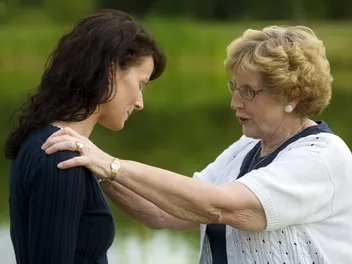
Loved ones want to help but don’t simply because they’re unsure what to do. Consider reaching out to a close friend to share your feelings, whatever they may be.
Although it’s tempting to hunker down and avoid people, sharing joyful stories about your cat with someone who is supportive can give you a chance to focus on some of the beautiful moments you shared with them.

2. Allow Yourself to Feel
As rough as grief can be, it needs to be faced and accepted; ignoring it can make the healing process more difficult. Find a way to express your feelings that feels right to you, and don’t fight the emotions that arise.
Feelings such as anger, sadness, and guilt are commonly experienced during the grieving process, and accepting them helps the healing process. Be kind to yourself when guilt emerges, and remind yourself that it’s all okay and that the sharp edges usually come off the emotions with time.
3. Remember That Grief Can Manifest Physically
Grief can drain your energy, and it’s not unusual to feel tired and generally run down when grieving. It can cause stomach problems, weight fluctuations, headaches, and aches and pains.
Grief can lower your resistance, making it easier to get sick, and it can also cause you to have sleeping problems. Take things easy (if that feels right to you) and consider asking others to help with various tasks if you need time to rest.
4. Do Something Creative
Getting creative can help when you’re grieving, such as nurturing your plants, playing music, drawing, and painting. Any activity you love that prevents you from dwelling on your guilt has the potential to help you heal.

5. Give Yourself Time
Grieving the loss of your cat is a deeply personal process, and there’s no set timeline for how long it takes. Be patient and gentle with yourself as you move through the different stages of grief. The pain may feel overwhelming at first, but with time, it often becomes easier to carry. Remember, healing doesn’t mean forgetting; it means learning to live with the love and memories you shared.
6. Find Out More About Grieving
Several resources can be beneficial when navigating the grieving process. Consider reading up on grieving online and how others deal with the loss of a pet; learning more about your feelings can make the experience less overwhelming.

7. Stay Active
Gentle exercise can help during the grieving process. The neurotransmitters and endorphins released when you exercise can be great mood regulators. Casual walks provide exercise and fresh air and shift your focus to the outside world, away from your emotions.
Some pet parents also find yoga useful since it provides endorphin-releasing physical activity and allows you to control your breathing. It also helps you destress and manage anxiety, both of which can pop up during the period after a pet’s death.
8. Consider Joining a Pet Loss Group
Grieving is natural, but it hurts. However, Lap of Love has an organized course that provides pet parents with support and activities to help with the grieving process.
Several organizations have group sessions that give grieving pet parents opportunities to talk about the loss of their companions with others who are in similar situations. Some humane societies and shelters provide similar services.

Conclusion
Grieving the death of a cat takes time. It can be an intense process that involves challenging emotions, including guilt, which is commonly experienced by those who’ve lost loved ones. It’s part of how the mind attempts to understand difficult events. Pet parents who euthanize their cats feel guilt regarding the timing of the decision and question if they should have acted sooner or later. While grieving can be challenging and painful, it usually becomes less overwhelming with time.
Sources
Featured Image Credit: fizkes, Shutterstock
Expert cat care, straight to your inbox
News, insights, and useful advice, delivered to you.

No spam — unsubscribe anytime.
By signing up, you agree to our Terms & Conditions and Privacy & Cookies Policy.
How useful was this post?
Click a star to rate. You can leave written feedback afterwards. (We read all feedback.)
Lorre Luther is a writer who is firmly convinced that cats are smarter than humans. She left her law career in the United States and moved to the Netherlands to follow her dream of becoming a writer. Lorre currently lives in Rotterdam, she enjoys traveling and greatly appreciates the beauty of nature. Lorre has a spot for animals and admires the intelligence of cats.