Ragdoll vs. Snowshoe Cat: Vet-Verified Key Differences (With Pictures)

In this article
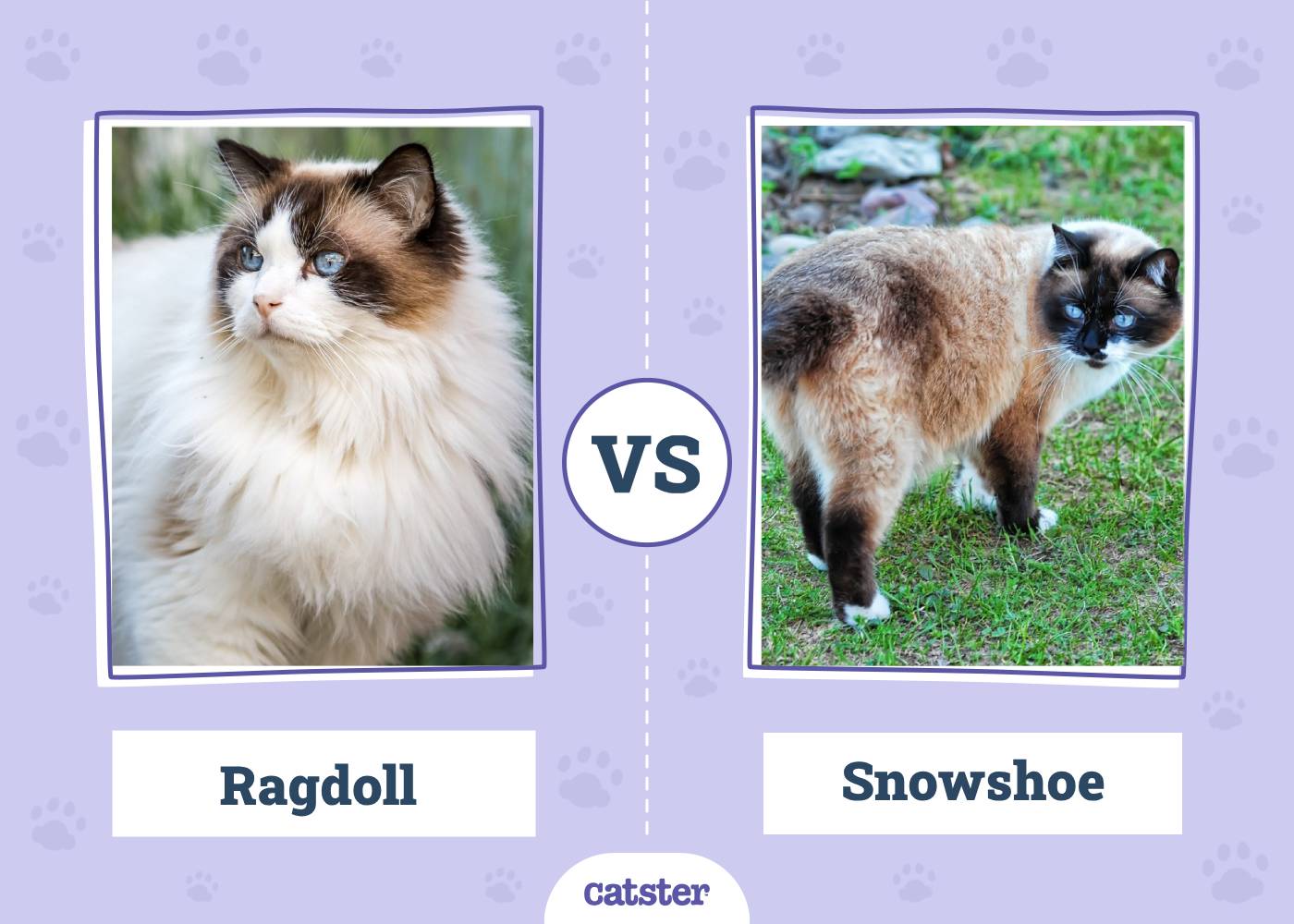
If you have been trying to decide whether to adopt a Ragdoll or Snowshoe cat, you might be wondering what the differences are. The Ragdoll is a bit heavier than the Snowshoe, but both are affectionate, friendly, and loving. Both felines get along well with children and other pets, but Ragdolls typically shed more than Snowshoes. We will give you all of the differences we could find between these two gorgeous cat breeds in the guide below to help you decide which one you’re ready to give a forever home.
Important note: The information in this post is intended as a general guideline. While certain traits and tendencies are commonly associated with specific cat breeds, every cat is an individual. Personality, behavior, activity level, and health can vary widely depending on genetics, early socialization, environment, and life experiences. Always consult a veterinarian or a reputable breeder for personalized guidance.

Visual Differences

At a Glance

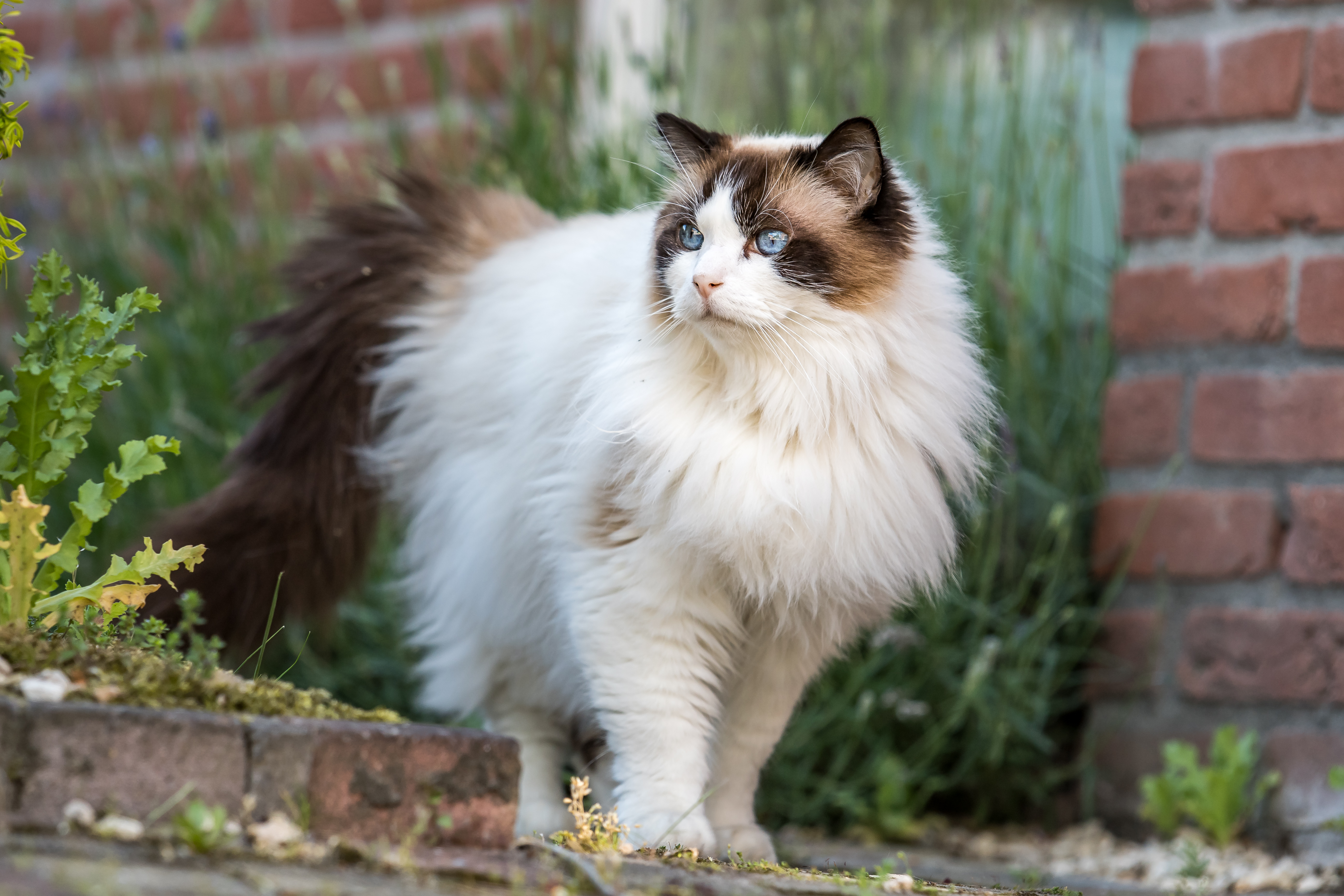
Ragdoll Cat Breed Overview
Ragdolls are a little on the large side, reaching between 10 and 20 pounds, but don’t let that fool you. They aren’t imposing at all. They are some of the most docile, sweetest cats you’ll have the fortune of meeting.
The Ragdoll cat gets its name from its tendency to flop and go limp whenever it’s picked up, just like a Ragdoll. Next, we’ll examine the Ragdoll cat breed so you know what you’re in for if you adopt one and give it a forever home.

Personality / Character
The Ragdoll cat is affectionate, docile, and loyal. While most cats are standoffish and antisocial to other animals and people, the Ragdoll is anything but. You might find your Ragdoll kitten following you from room to room, begging to be petted or forcing its way onto your lap while you’re snuggled up under a blanket watching TV on a cold winter’s evening. If you’re searching for a lap cat, the Ragdoll is an ideal choice.
Training
While cats are considered untrainable, learning little more than using the litter box, Ragdolls are excellent learners. All cats can be trained, but some don’t care enough to listen to what you say or learn what you’re trying to teach. Since Ragdolls love the attention of their pet parent, they are often eager to learn what you’re teaching. You can train your Ragdoll to play simple games like fetch, and you shouldn’t have any problems keeping it off the counters or using the litter box. Make sure to reward your little feline pal with a treat when they learn a trick.
Health & Care
The Ragdoll was bred in the 1960s, so it is a new cat breed in most respects. However, there are a few conditions you’ll want to watch out for with your Ragdoll cat. These include hypertrophic cardiomyopathy and urinary calculi or stones.
This doesn’t mean your Ragdoll will develop these conditions. However, you should take your Ragdoll for a vet check at least once a year, and ideally twice. Of course, if you see any indication that your cat may have one of these conditions, it’s best to get the cat to your vet right away for diagnosis and treatment.
Grooming
Grooming the Ragdoll cat can be difficult if you don’t have the time or inclination to brush your pet weekly or take the time to detangle its long fur. It would be best if you brushed your cat more than once a week, and they will need more brushing as they get older. You can hire a professional groomer if your schedule does not allow you to brush your pet very often.
Some groomers even make house calls, but they’re more expensive than taking your pet to a shop. Your Ragdoll will also need its nails trimmed and teeth brushed at least once a month. One great thing about Ragdolls is that they love water, so you shouldn’t have a problem getting the cat to take a bath when needed.
Suitable for:
The Ragdoll cat breed is a great family pet. They are affectionate, relaxed, and intelligent. They do well with children and active families and even get along well with other pets, as long as they aren’t picked on. It’s important to note that a Ragdoll should be in a home where someone is around most of the time. The cat loves human companionship and might get lonely if left alone for too long.
Snowshoe Cat Breed Overview
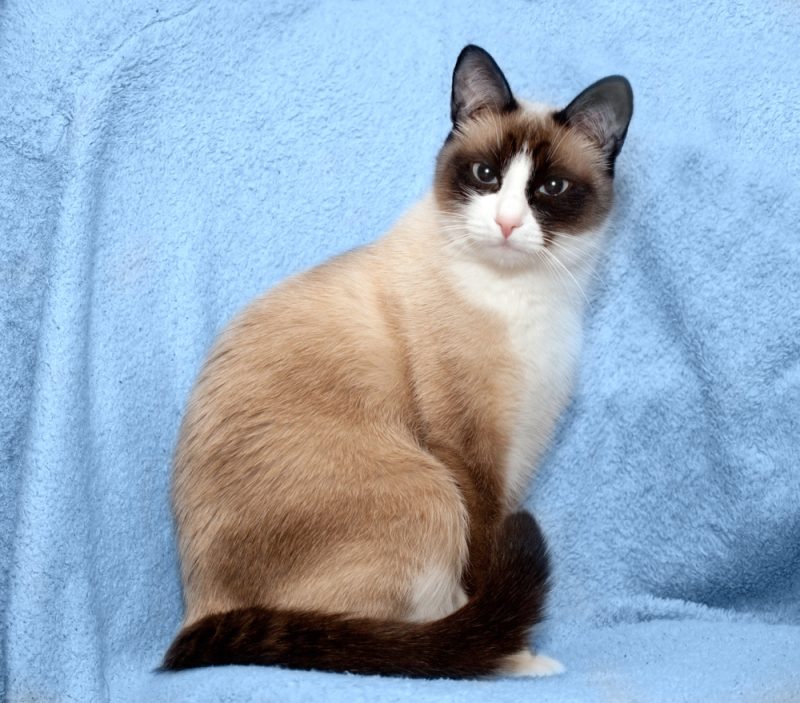
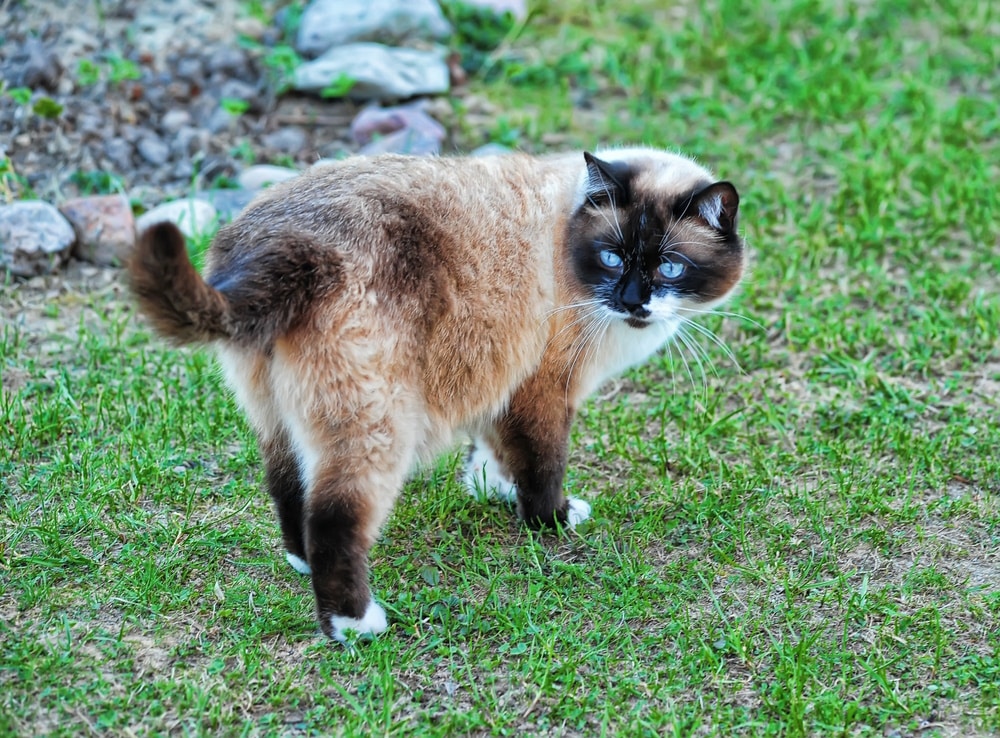
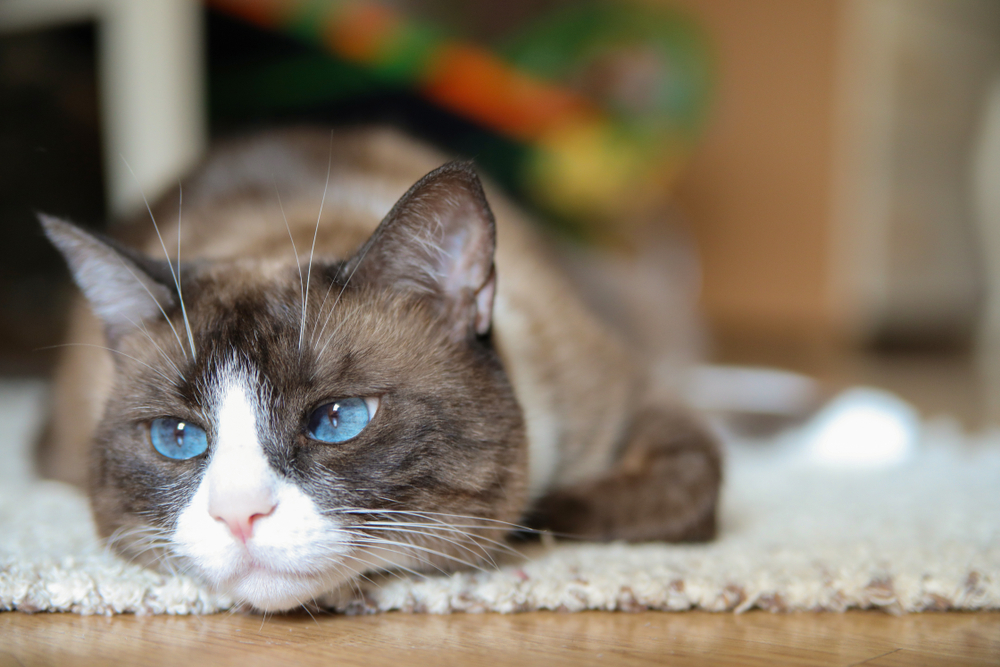
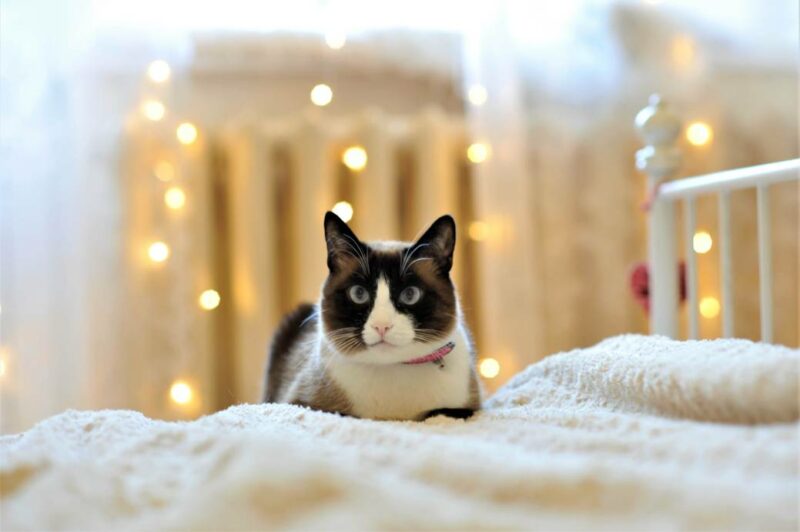
If you’ve ever wanted a cat that acts like a human, the Snowshoe cat may be a perfect fit. Snowshoe cats are pretty vocal and were created in the 1960s when the American Shorthair and the Siamese cat were bred together.
This cat weighs between 9 and 10 pounds, has gorgeous, striking blue eyes, and is super affectionate with people. We’ll discuss everything you need to know about the Snowshoe cat's personality, exercise and training needs, and health issues you should watch out for below. We’ll also discuss how hard it is to groom this adorable cat.

Personality / Character
The Snowshoe cat has an affectionate personality, is very intelligent, and tends to bond with one family member and make that family member their “person.” They talk a lot but have a gentle, quiet meow. They have great personalities and may lead you around your home if you’re their chosen person instead of following you from room to room.
The Snowshoe cat may bond with one person, but they are affectionate and loving to everyone in the household.
Training
The Snowshoe cat is easy to train to use the litter box. They can also be taught to do tricks and would love to get treats for doing them as well. You can even train them to walk on a leash by your side, but it’s best to use a harness rather than a collar to protect the cat’s neck. Positive reinforcement works wonders when training this cat, so make sure you are patient and loving and give plenty of treats for the best results.
Health & Care
Like the Ragdoll, the Snowshoe has a few health conditions that pet parents should be on the lookout for. These conditions include dental disease, chronic kidney disease, and arthritis, like any other cat. Snowshoes in particular are at increased risk of urate urinary stones. You can keep them fit by providing quality food, daily exercise, and regular trips to the veterinary clinic.

Grooming
Unlike the Ragdoll cat breed, the Snowshoe breed is short-haired and low-maintenance when it comes to grooming. You can get by with brushing this cat once a week, and unlike the Ragdoll, the Snowshoe will not leave as much loose hair around your home. However, its coat maintenance is still important, and you’ll need to brush its teeth and trim its claws at least once a month.
Suitable for:
This cat is great for families and gets along well with children and other family members. It’s best to have this cat in a home where the family members are active, as they need to be physically active to be happy. They also get along with other pets as long as they are cat-friendly.
Which Breed Is Right for You?

As you can see, the Ragdoll and Snowshoe cats have quite a few similarities and quite a few differences as well. If you don’t have time to groom your cat or are allergic to cat fur, you will want to avoid adopting a Ragdoll cat. Though no cat is entirely hypoallergenic, the Snowshoe is short-haired and doesn’t shed as much or require as much grooming.
No matter which breed you choose, it’s important to note that giving a pet a forever home is a huge responsibility, so make sure you’re ready for it. If you think you’re ready, either of these cat breeds will make you a loving, loyal, and family-friendly pet for many years.
See also:
Sources
Featured Image Credit: Left - Serita Vossen, Shutterstock | Right - Anna Krivitskaya, Shutterstock

Expert cat care, straight to your inbox
Vet-reviewed advice, behavior tips, and the best of Catster. Free, and you can unsubscribe anytime.
By signing up, you agree to our Terms & Conditions and Privacy & Cookies Policy.
Patricia is a pet writer and lifelong animal lover. She has two cats (Binx and Link) and one dog (Mystery). Binx was found as a kitten under her house and has been part of the family ever since! Patricia is also a published author under the pen name Skylar McKinzie. When she isn’t writing, Patricia enjoys volunteering at her local animal rescue.
Join the conversation
Ask a question, share your story, or send private feedback.