How Do You Heal After the Loss of a Cat? 5 Helpful Tips

Most pet owners agree that the worst part of owning pets is how short their lifespans tend to be. The loss of a pet can be just as painful as losing a human family member, but it’s often looked at as something that should be quick and easy to get past in the eyes of people who don’t own pets. Cat owners have a small advantage over dog owners in that cats do tend to live slightly longer than dogs, but they still don’t get to stay with us nearly long enough. The loss of a pet can be heartbreaking. How can you start to heal?

Top 5 Tips on How to Start Healing After the Loss of a Cat
There isn’t an easy, one-step solution to healing after you’ve lost your cat, unfortunately. Grief is a complex set of emotions that can take time to work through. In some cases, the grief of your loss will become more manageable over time but may never fully subside. There are some steps you can take to help yourself start to heal, though.
1. Find Support
It can be tough to find support when you lose a pet. You can’t expect everyone at your job, or even in your family and circle of friends, to understand the emotions you’re experiencing. Seek out resources that help support people through the loss of a pet. There are lots of websites and social media groups that provide this type of support, and you may even be able to find a pet loss support group in your area. Find people who validate the way you’re feeling in the wake of your cat’s death.
2. Understand Bereavement vs. Grief
Many people aren’t aware that bereavement and grief aren’t necessarily the same thing. Bereavement is the state of having lost someone of significance to you, like losing your cat. Grief is how you respond to this loss. However, bereavement is a temporary state. You won’t always be in that painful period immediately after losing your pet. Grief begins to occur during bereavement, but in the initial period after the loss, you can expect to either experience a sense of numbness or a sense of overwhelming emotion.

3. Experience Grief Your Own Way
There is no right or wrong way to experience grief. You will go through a series of emotions, but they aren’t the same for everyone. The way you respond to these emotions is also unique to you. Some people find comfort in looking at pictures of their deceased pet, while others may feel like this cuts the wound deeper, making it more difficult to begin healing. Take care of yourself during this time and give yourself the grief experience you feel like you need.
4. Don’t Let Guilt Consume You
One of the most common emotions that people experience after the loss of their cat is guilt. You may feel guilty for the circumstances that led to your cat’s death, or you may feel guilty for making the decision to have your cat euthanized. Regardless of the circumstances, you have to find a way to come to terms with the situation as it is. There isn’t anything you can do to bring your cat back, and allowing yourself to be overwhelmed with guilt can send you into a very dark place and make it more difficult to begin healing.
If you’re feeling extreme guilt over the loss of your cat that you can’t seem to shake, please reach out for help. You may even need to meet with a therapist to help you work through this difficult feeling.
5. Celebrate Your Cat’s Life
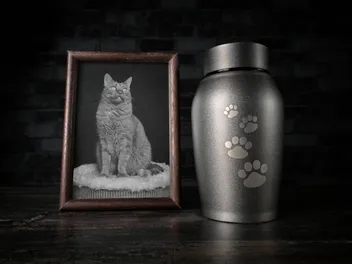
There are a lot of ways you can celebrate your cat after they’re gone. Some people adopt a new cat, but many people need lots of time to heal before bringing home a new pet. If bringing home a new pet isn’t the best option to help you begin healing, consider finding other ways to celebrate your cat’s life. Consider volunteering at a local animal shelter or donating your cat’s things to animals in need. You may even consider having a small celebration-of-life ceremony with other people who love you and your cat.


Conclusion
Grief after the loss of a cat is extremely complicated and highly variable between people. Only you know exactly how you’re feeling, but other people who have experienced similar losses can be a great support system. Allow yourself to feel your emotions. Shutting your emotions down and not attempting to deal with them can extend your grief and make it more difficult to manage down the road. See Also:
Featured Image Credit: Soloviova Liudmyla, Shutterstock
Expert cat care, straight to your inbox
News, insights, and useful advice, delivered to you.

No spam — unsubscribe anytime.
By signing up, you agree to our Terms & Conditions and Privacy & Cookies Policy.
How useful was this post?
Click a star to rate. You can leave written feedback afterwards. (We read all feedback.)

Brooke Billingsley, a former veterinary assistant for nine years, became a nurse in 2013. She lives in Arkansas with her boyfriend of five years, surrounded by her beloved pets: three dogs, two cats, five fish, and two snails. Brooke has a soft spot for special needs animals, caring for a three-legged senior dog and a widely known cat with acromegaly and cerebellar hypoplasia. She has developed a keen interest in fish keeping and is always learning how to provide the best environment for her aquatic pets. In addition to her passion for animals, Brooke enjoys gardening and maintains a vegetable garden during the summer. She stays active with yoga and received her 200-hour yoga teacher certification in 2020. Brooke also hosts a podcast that delves into folklore and myth, dedicating her spare time to research and writing. She embraces the philosophy that every day is an opportunity for learning and growth, continually working to acquire new skills and knowledge.