Does My Cat Understand Smiles? Vet-Verified Facts & FAQ


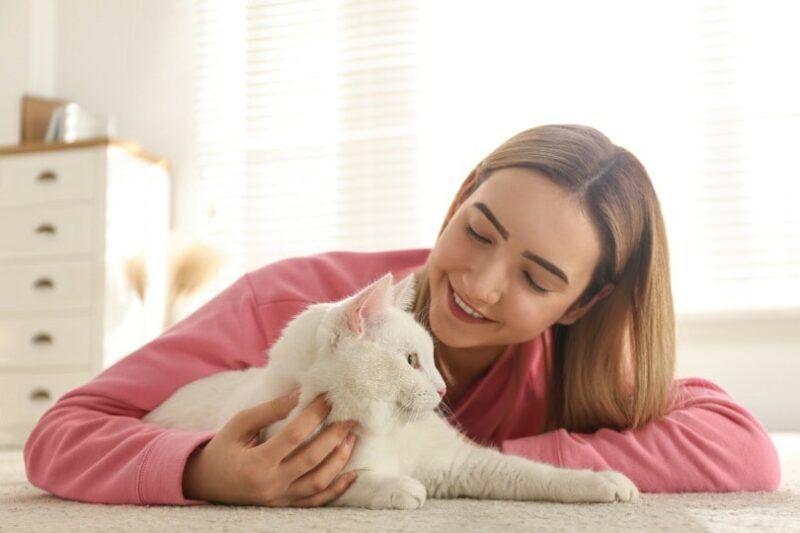
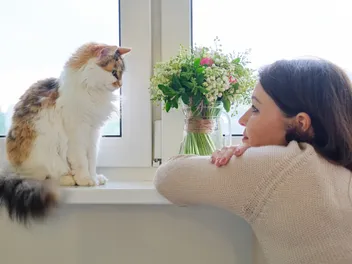
Most of us work hard to have a communicative relationship with our cats. We talk to them multiple times per day, as well as doing things like smiling, waving, and making “pspsps” sounds at them. Do our cats actually understand some of our weird human antics, though? After all, most animals don’t smile to show happiness, and showing teeth in the animal kingdom can even be associated with aggression. So, do our cats know what it means when we smile at them? The short answer is they most likely don't.

Do Cats Understand Smiles?
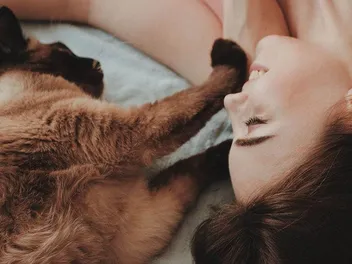
In all reality, our cats likely don’t understand what our smiles mean. This doesn’t mean that they take smiles as a negative sign, like aggression, but it does mean that they may not associate a smile with anything in particular.
However, if you smile at your cat every time you give them a treat or call them to playtime, then your cat may learn to associate your smile with specific positive interactions. This may not change their opinion of your weird human smiling behavior, but some cats will learn the association.

How Can I Show My Cat I’m Happy?
While cats probably don’t understand the smiles we make with our mouths, they can understand the smiles we make with our eyes. Think about the face you make when you smile outside of your mouth’s movement. Your cheeks go up, crinkling the area around your eyes and making your eyes smaller.
Believe it or not, this is something that your cat will associate with happiness and even bonding. The reason for this is that cats have a behavior they exhibit when they are happy and showing affection that is sometimes called the “cat smile”, or, more commonly, the slow blink.
This also explains why cats are often drawn to the one person in the room that doesn’t like them. By narrowing their eyes in suspicion or dislike, they are inadvertently projecting a feline message of trust and friendship.
What Are Slow Blinks?
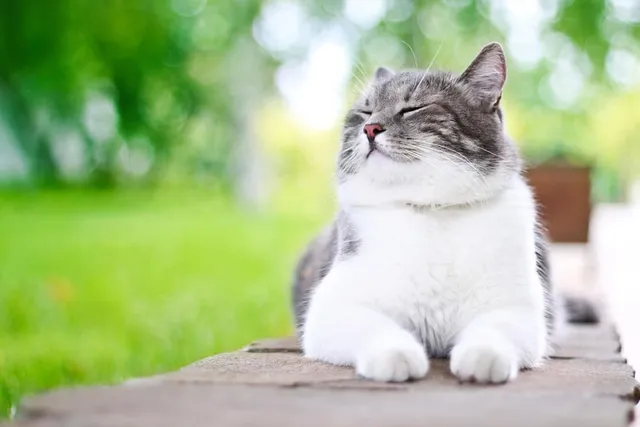
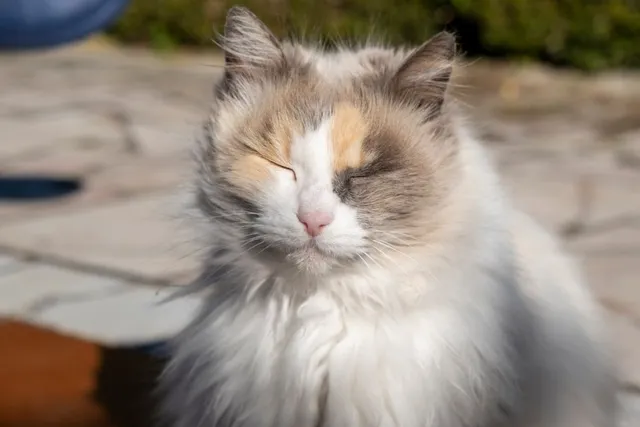
A slow blink is a behavior that cats exhibit when they are content, and it’s often associated with showing affection toward another animal, including humans. This behavior consists of a cat narrowing their eyes almost to slits. Oftentimes, when making eye contact with you while narrowing their eyes, your cat will slowly blink at you. This is a sign of affection and love that is specific to cats.
If you want to let your cat know you’re happy, don’t just smile with your eyes or narrow your eyes. Make sure to return a few slow blinks to them while making eye contact with them. This will return the affection to your cat and assure them that you are also happy and content in the situation. Over time, this can increase the bond between the two of you and help your cat feel safer and happier in their home environment.

Conclusion
Cats don’t understand human smiles in the same way we do, but as they get to know us, they may learn to associate our upturned mouth with other actions and body language that tells them we are happy. For cats, narrowed or half-closed eyes are synonymous with contentment and trust, so if you want to ‘smile’ at your cat, try making eye contact and flashing your best slow blink. This is a great way of showing them happiness and affection. It may take a few tries for your cat to catch what you’re doing. In many cases, the best time to do this is when your cat does it to you first. Return the gesture while they’re paying attention to you, and they will likely begin to pick up on you doing it more often.
Sources
Featured Image Credit: New Africa, Shutterstock
Expert cat care, straight to your inbox
News, insights, and useful advice, delivered to you.

No spam — unsubscribe anytime.
By signing up, you agree to our Terms & Conditions and Privacy & Cookies Policy.
How useful was this post?
Click a star to rate. You can leave written feedback afterwards. (We read all feedback.)
Brooke Billingsley, a former veterinary assistant for nine years, became a nurse in 2013. She lives in Arkansas with her boyfriend of five years, surrounded by her beloved pets: three dogs, two cats, five fish, and two snails. Brooke has a soft spot for special needs animals, caring for a three-legged senior dog and a widely known cat with acromegaly and cerebellar hypoplasia. She has developed a keen interest in fish keeping and is always learning how to provide the best environment for her aquatic pets. In addition to her passion for animals, Brooke enjoys gardening and maintains a vegetable garden during the summer. She stays active with yoga and received her 200-hour yoga teacher certification in 2020. Brooke also hosts a podcast that delves into folklore and myth, dedicating her spare time to research and writing. She embraces the philosophy that every day is an opportunity for learning and growth, continually working to acquire new skills and knowledge.