Chausie Cat Breed Info: Traits, Personality & Pictures
In this article
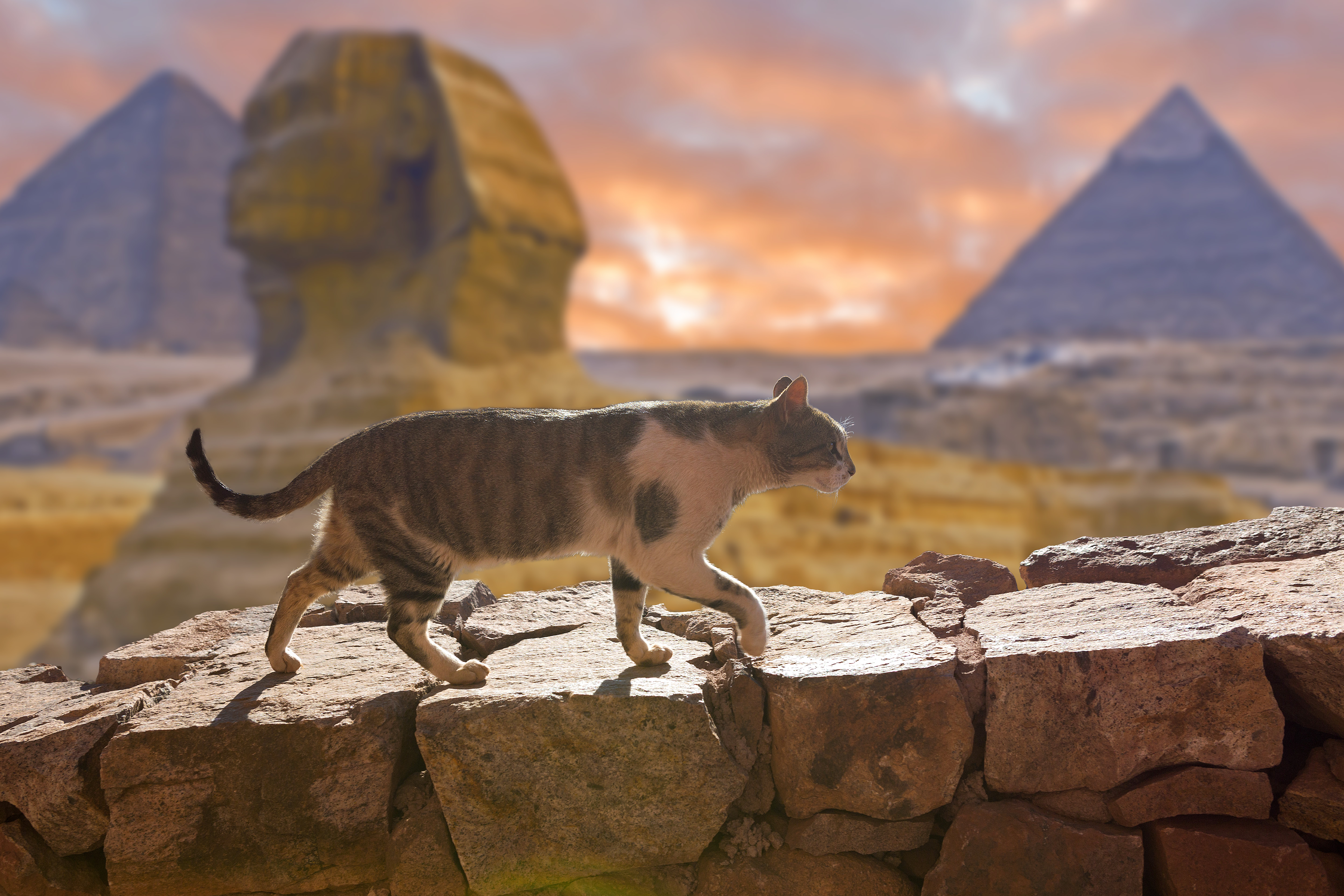
The Chausie cat has a bit of mystery surrounding them. They are a relatively new cat breed, yet their lineage technically extends back to cats and breeding patterns from ancient Egypt.
Breed Overview
Height:
Weight:
Lifespan:
Colors:
Suitable for:
Temperament:
They have a distinct wild heritage, yet careful breeding has created a people-friendly and easy-going animal. They have just started to be recognized by clubs globally because their deliberate breeding only started recently.
Chausie Characteristics

Chausie Kittens
Temperament & Intelligence of the Chausie 🧠
Unlike many other lazy domestic breeds, the Chausie needs long stints during the day when they get to be active. They are athletic animals with muscular bodies. Although the Chausie can live in an apartment, you will need to clear spaces for them to run around, climb, and play with vigor.
They also require a high level of interaction during playtime and will doubtlessly try to rope you into playing with them. They have shown an interest in playing fetch with their toys. When breeding the Chausie, breeders want them to look wild but still want to be with their owners instead of being independent.
Chausies are smart and enjoy playing with interactive toys and games. It is best to rotate them out frequently so they don't have time to get bored and become destructive.
Are These Cats Good for Families? 👪
The Chausie can be a good match for your family, but they retain a few of their wild traits. Therefore, it's best if they live with a family that has older children. The cat and the children must be taught how to interact appropriately so neither gets hurt.

Does This Breed Get Along With Other Pets? 🐶🐱
Chausies get along well with other pets, including cats and dogs. Since they are so large, they don't seem to fear or feel intimidated by other animals. Sometimes, having other pets when you own a Chausie can be better because they can keep each other company and play with each other during the day.

Things to Know When Owning a Chausie
Food & Diet Requirements 🐡
You can free-feed your Chausie or put them on a structured feeding plan, where they eat two or three times a day. If you adopt a kitten from a breeder, it is best to ask them about their feeding routine and brand of food and stick with it. If you want to make any changes to their diet, you should do it gradually. Making changes too quickly can give your kitten an upset stomach.
As a Chausie gets older, it is good to give them food to support a more active and muscular cat. They aren't fussy eaters, but they appreciate high-quality food.
Exercise 🐈
Chausies need plenty of exercise during the day to keep them healthy and content. Without moving around as much as they need, they become bored and destructive over time.
Play with your Chausie every day so they receive at least 30 minutes of activity. If you cannot give them enough exercise, it is best to get them a playmate.
Training 🧶
Chausies are closely related to wildcats. They do not like to be trained, but they are quite intelligent. You can teach them how to play fetch since they love playing with their favorite people.

Grooming ✂️
Grooming the Chausie is easy because they have such short coats that lay close to their bodies. They must be brushed about twice a week to reduce the amount they shed around the house. They shed more in the spring and autumn.
Other than brushing them, you should also check their ears weekly. Do not let wax or debris build up inside to avoid painful infections. If they are getting enough exercise, you probably won't need to clip their nails, but you should still check them regularly.
Health and Conditions 🏥
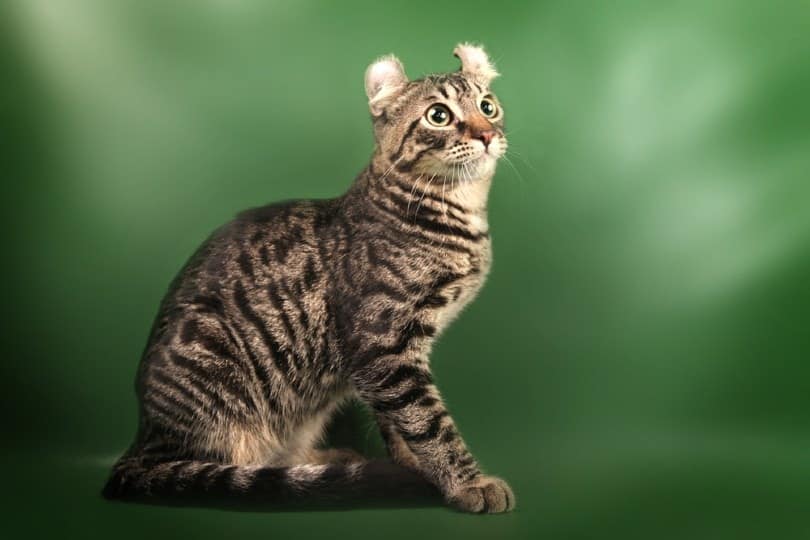
Their wild cat genes help them become robust and healthy animals. They can inherit a genetic disposition for some of the more specific diseases of the Abyssinian cat. If you can access the parents' vet records, alert your vet if there is anything they should watch out for as your cat ages.
Male vs Female
There are no recognizable differences between males and females of this breed.
3 Little-Known Facts About the Chausie
1. The Chausie Is a Part Wild Cat and Part Domesticated Pet.
The Chausie has an exciting heritage because they are bred with wild jungle cats, specifically the Chaus. The Chaus, also called a swamp or reed cat, is native to the Middle East and most of Southern Asia. They live in places with dense vegetation, are medium-sized for a wild cat, and are quite beautiful.
Many people dream of having a wild cat with a feral cat's distinct appearance and temperament. However, it is challenging to domesticate a wild cat if both parents are wild. To overcome that, American breeders began importing and breeding Chaus jungle cats with similar Abyssinian cats.
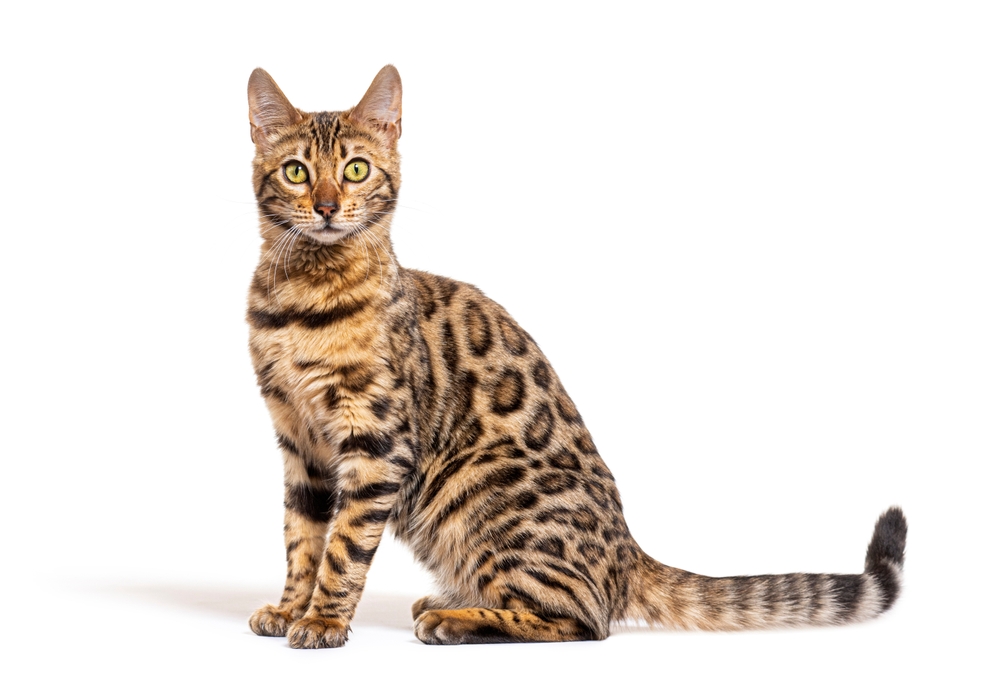
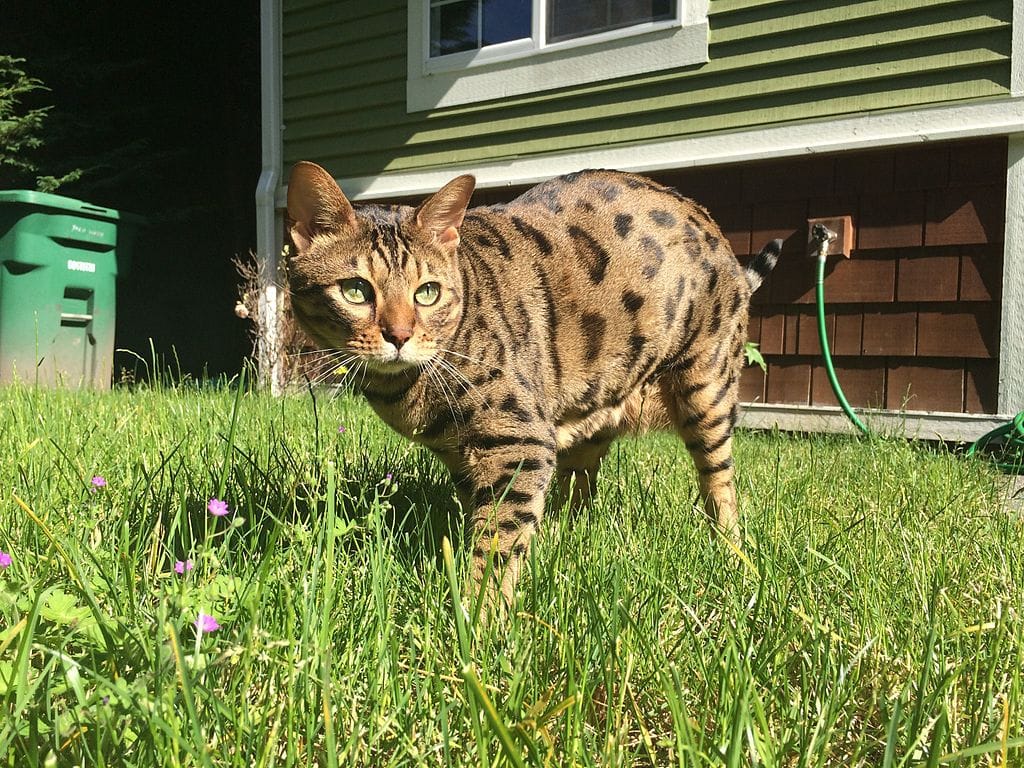
The combination resulted in the Chausie, a cat with a triangular face and an agile and muscular body. They maintain a wild cat's overall appearance but are known to be friendly and affectionate. The Chausie wasn't purposefully bred until the 1960s. The kittens were crossed with the Chaus and domesticated breeds like Orientals, Bengals, and Abyssinians, which have a similar appearance to wild cats.
A foundation for the Chausie was registered in 1995 in the U.S., and they became an official new breed in 2003. Currently, the Chausie is only officially recognized in France.
2. Egyptians Used Similar Breeding Methods to What We Use Today to Breed Cats Like the Chausie.
Two cat breeds are native to Egypt, one of which includes the Chaus. Early Egyptians first respected cats because they would hunt and destroy the populations of mice and other vermin that threatened their grain stores. The Egyptians would leave extra food outside these areas to attract the cats to their stores more frequently.
Eventually, these wild cats became more domesticated. They were brought inside and would raise their kittens in the safety of the Egyptian home. They came to be revered as bringers of good fortune and were dressed up with jewels and showered with food fit for kings. Over the years, the myths and legends surrounding these playful companions and skilled predators developed.
In the New Kingdom, cats appeared more frequently on tombs and drawings. When they died, the Egyptians began to mummify them out of respect and treasure them as pets in the afterlife.
3. The Chausie Is One of the Largest Domesticated Cat Breeds.
Although the Chaus is only a medium-sized cat in the jungle, their progeny is much larger than other domestic cats. The Chausie is one of the largest domesticated breeds, often weighing over 30 pounds, even though they are lean animals.
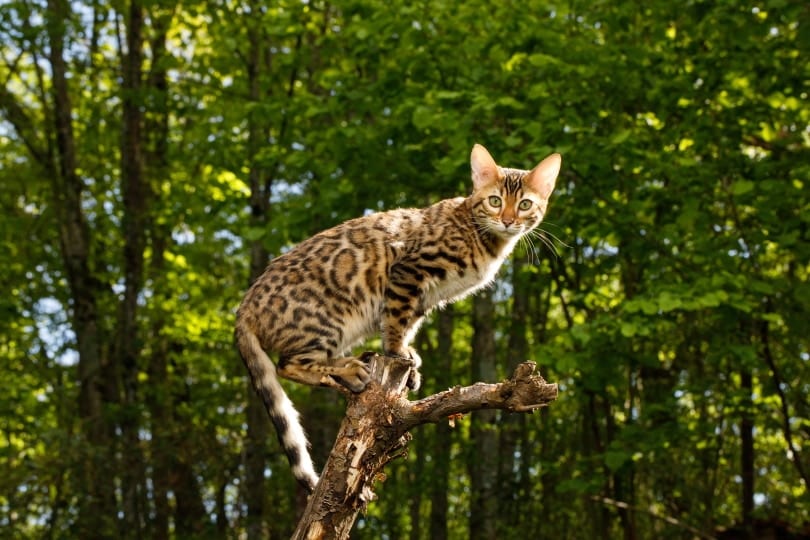
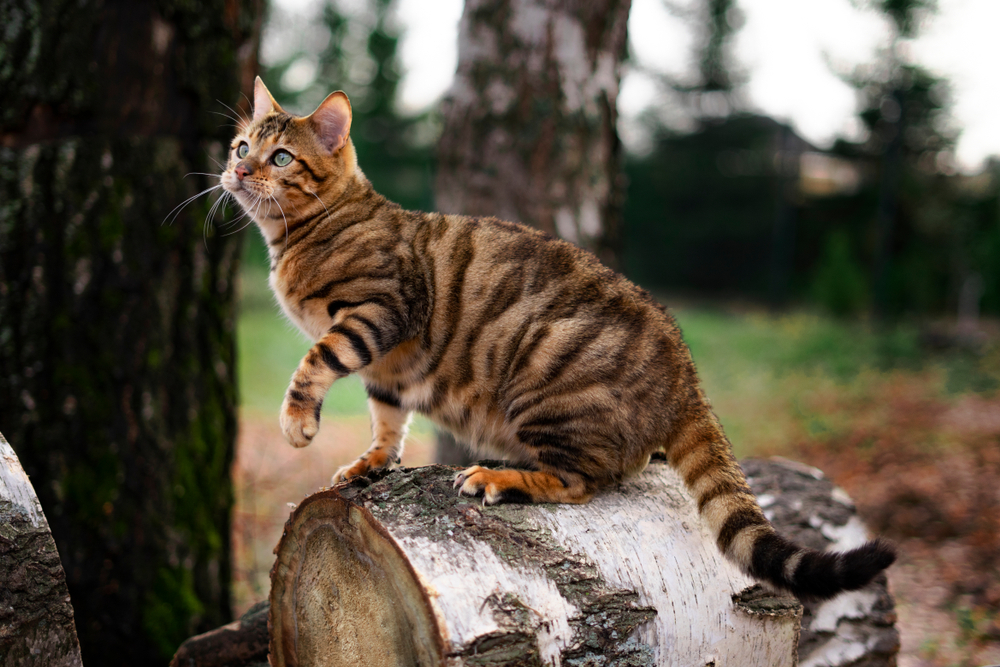
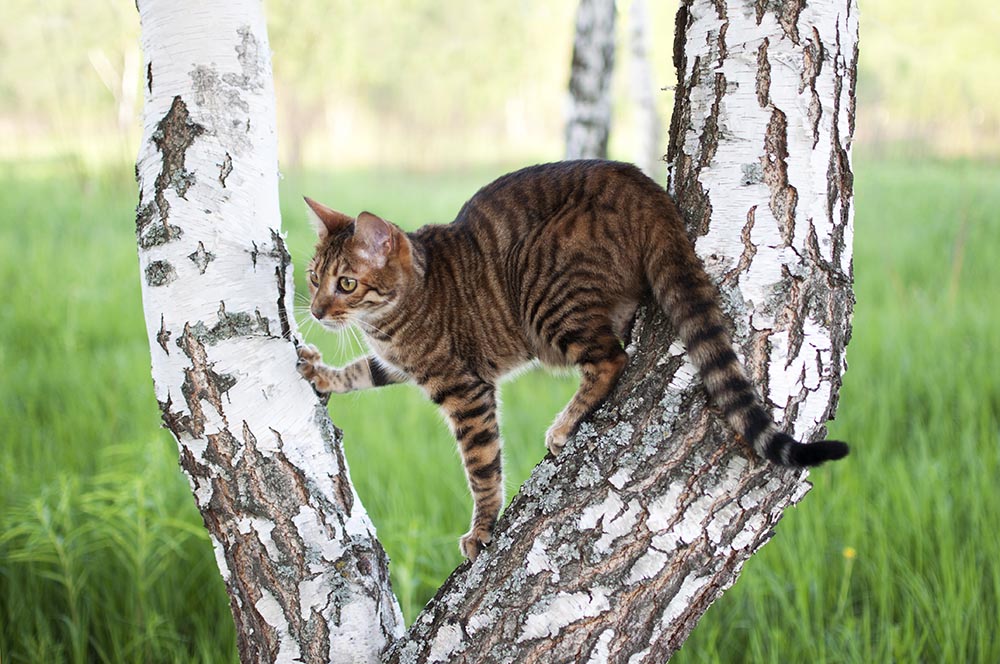
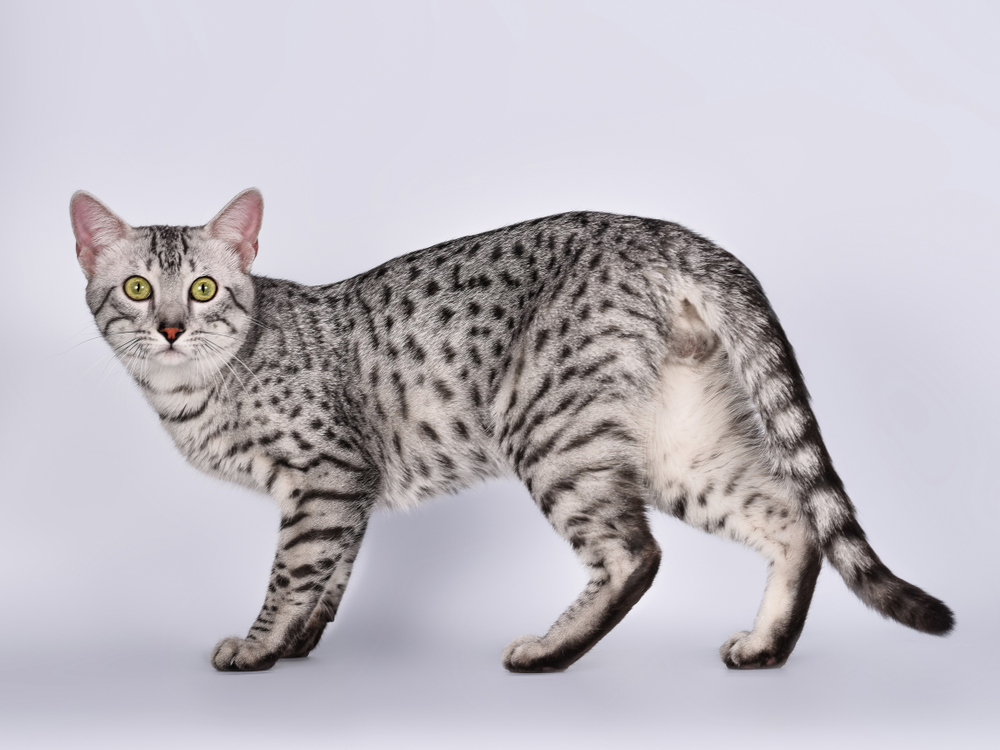
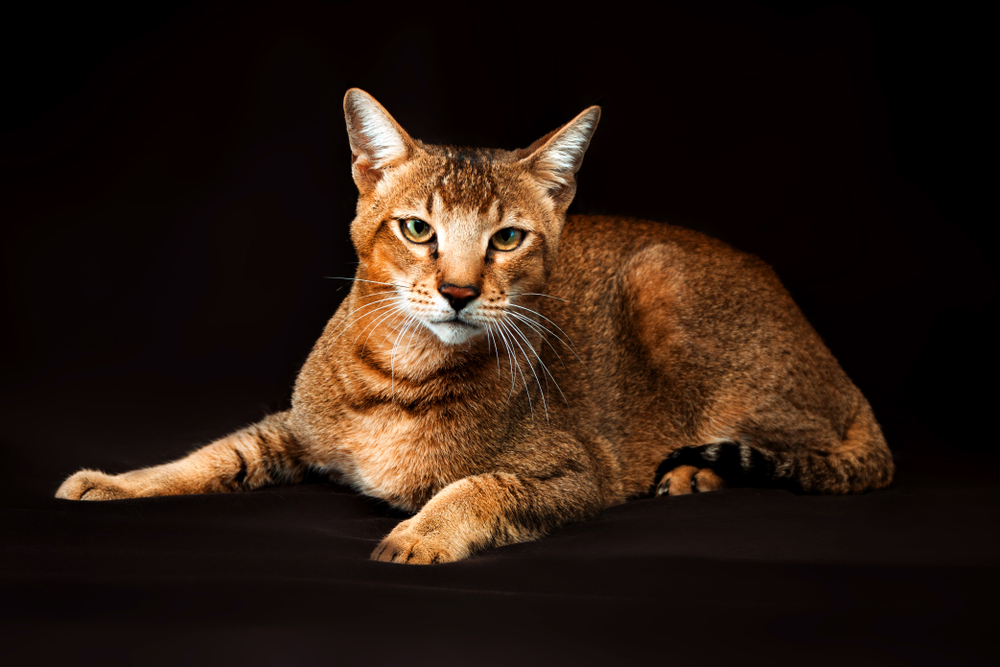
The Chausie is a shorthaired feline with a triangular face and ever-alert eyes. They have long bodies, but their tails are shorter than many other domesticated breeds. They are mostly muscle, where they get their somewhat surprising weight.

Final Thoughts
Although finding these beautiful jungle cat mixes can be a challenge, they are incredibly unique cats to own. They need plenty of space to run around and prefer to belong to a family where they get plenty of love and interaction. Don't underestimate the amount of exercise they need, or you will find yourself with a disgruntled cat.
Featured Image Credit: Tania__Wild, Shutterstock

Expert cat care, straight to your inbox
Vet-reviewed advice, behavior tips, and the best of Catster. Free, and you can unsubscribe anytime.
By signing up, you agree to our Terms & Conditions and Privacy & Cookies Policy.

Christian started writing for a local newspaper as a teenager, and he's been involved in the publishing industry for most of his adult life. Combining his love of writing with a passion for animals, he is currently the Director of Editorial at Pangolia and the Editor-in-Chief at Catster.
Christian lives in the Philippines with his wife, son, and four rescue cats: Trixie, Chloe, Sparky, and Chopper.
Join the conversation
Ask a question, share your story, or send private feedback.