8 Cat Breeds That Look Like Tigers & Lions (With Info & Pictures)
Cats are right behind dogs as the most popular pets in the United States. These family-favorite pets share a common ancestor with other feline wild cat species: the leopard, tiger, cheetah, puma, lion, and jaguar.
Some domesticated cats have the same features and color markings on their coats as their wild friends. These characteristics explain why most of them look like a scaled-down version of the big cats. Here are some breeds to consider if you are looking to keep a cat that looks like a tiger or lion.

The 8 Cats That Look Like Lions & Tigers
1. Abyssinian

Known as one of the oldest cat breeds, Abyssinian cats look like lions without a mane. They weigh 8 to 12 pounds and can live up to 15 years. In terms of color, the most common colors are shades of ruddy, blue, fawn, and red.
They are usually curious and intelligent and have very muscular bodies. As a very playful breed, they often need a human companion. As a plus, you can provide them with toys such as puzzles to keep them occupied. Abyssinian cats become very lonely when unable to interact with humans; therefore, they are suitable for families who spend most of their time at home.
2. Toyger

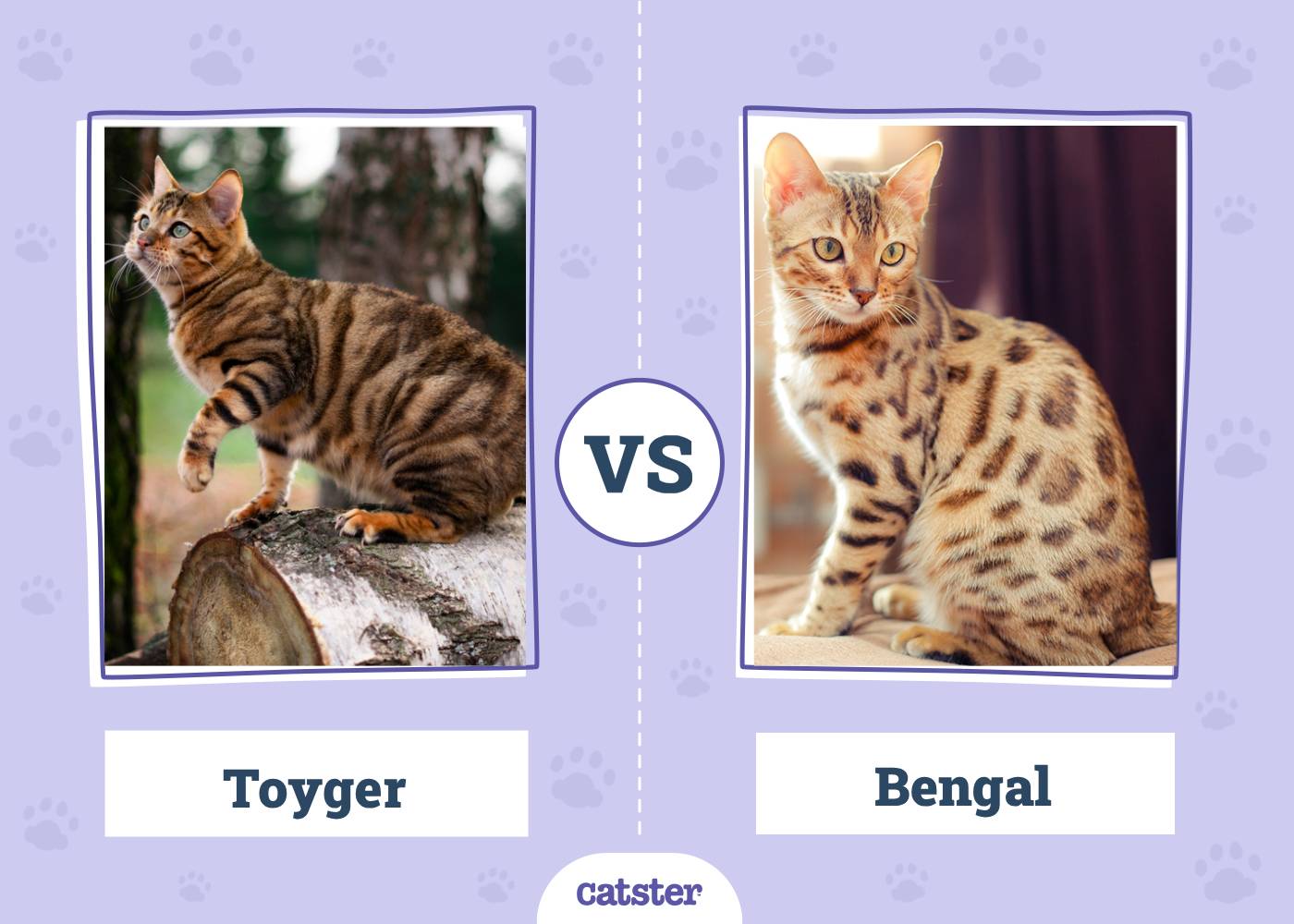
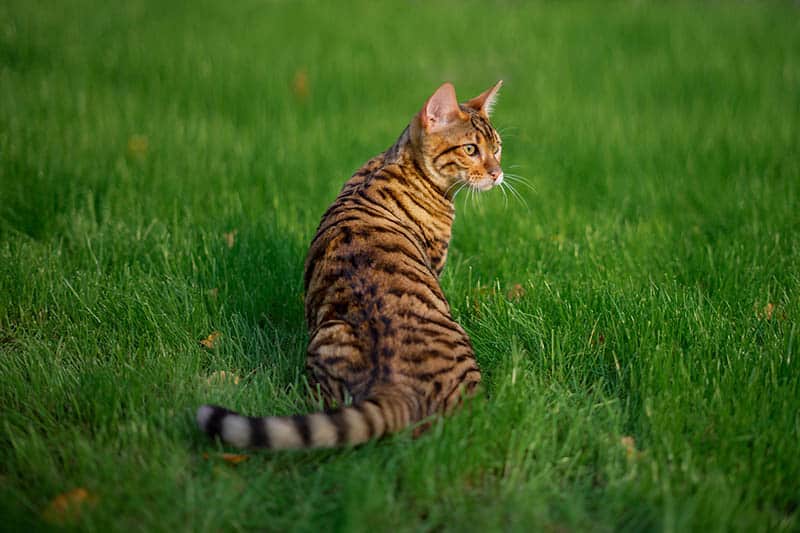
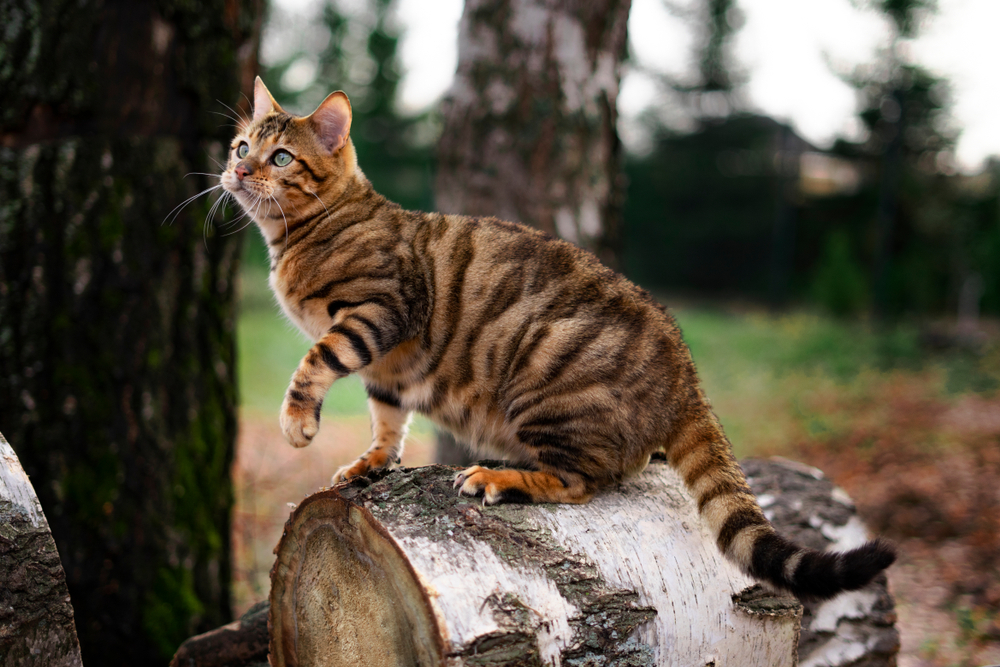
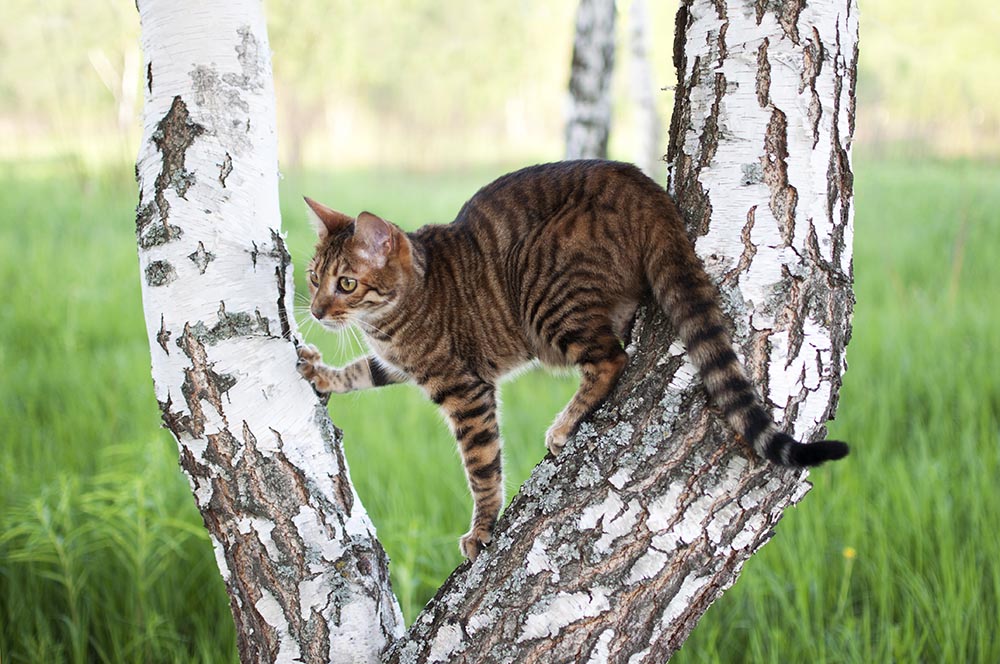
From the name, you can tell this is a cat that looks like a tiger. Developed in the 1980s, the Toyger is a cross between a Bengal cat and a domestic tabby cat. Judy Sugden bred this house cat to look exactly like a tiger with similar stripes in orange, black, and brown colors.
Their muscular body has powerful hind legs, which makes them an energetic breed. Therefore, as you domesticate a Toyger, make sure you provide them with enough outdoor space. These cats can weigh between 7 and 15 pounds and have a 10–15-year lifespan.
This medium-sized kitty is very affectionate to people and well-suited for families. Despite their tiger-like features, the Toyger is calm, easy-going, and very intelligent.
3. Somali

The Somali is the long-haired version of the Abyssinian. They have a similar personality to the Abyssinian, the Somali cat is also brilliant and energetic. Because of the longer fur, the Somali looks like a miniature lion cat but with more hair.
They require regular grooming to keep the fur tangle-free, which should be established when they are still kittens. As a plus, it's also essential to ensure that the Somali gets periodic health checkups to protect them from disease and parasites.
4. Pixie Bob
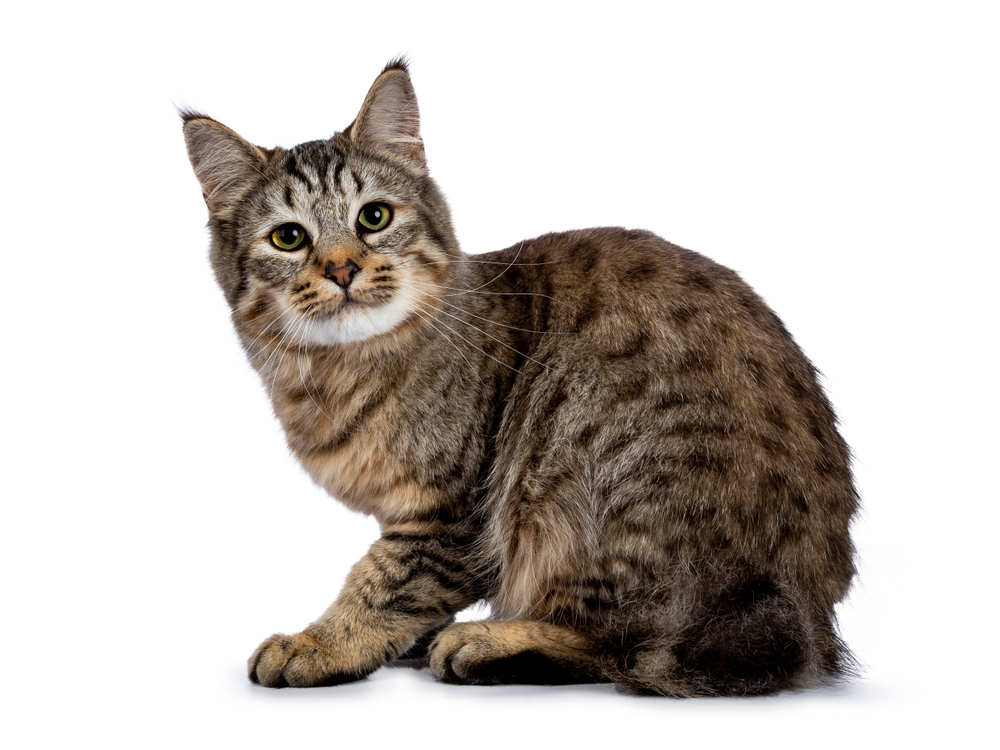
Weighing between 8 to 11 pounds, the Pixie Bob resulted from a bobcat and barn cat's cross-breeding. This breed varies in size from small to medium. Their eyes vary in color and come in shades of blue, green, or yellow.
Despite looking like tigers, they are relatively calm, social, and playful. Fortunately, Somalis get along with kids and other pets, such as dogs.
5. Chausie

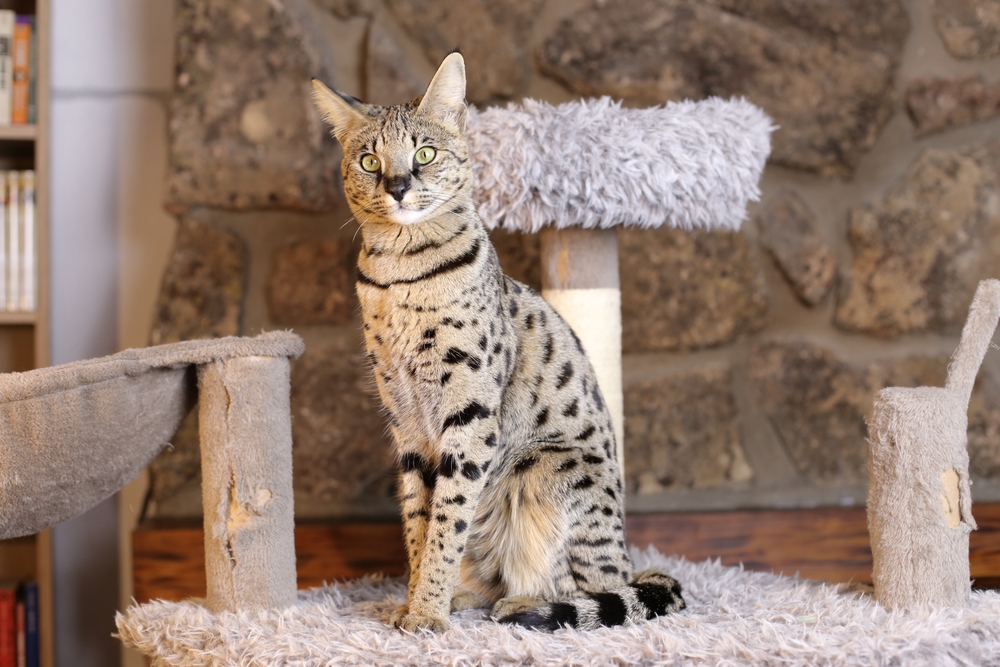
As a hybrid breed, the Chausie looks more like an apex predator than a domesticated cat. This is the best example of a cat that looks like a mountain lion, the resemblance is remarkable. The Chausie came about from breeding a Jungle Cat in South Asia and the Nile Valley with an Oriental Shorthair.
When fully matured, the Chausie can weigh up to 25 pounds. They have a well-muscled body and are quite athletic with a sandy-colored coat. As a unique trait for them, they tend to like water, unlike other domesticated cats.
If you are considering keeping a Chausie, it's critical to note that they are very high-maintenance and require a lot of care and attention. They are loving and playful and require you to put in the work if you want to keep one.
6. Maine Coon

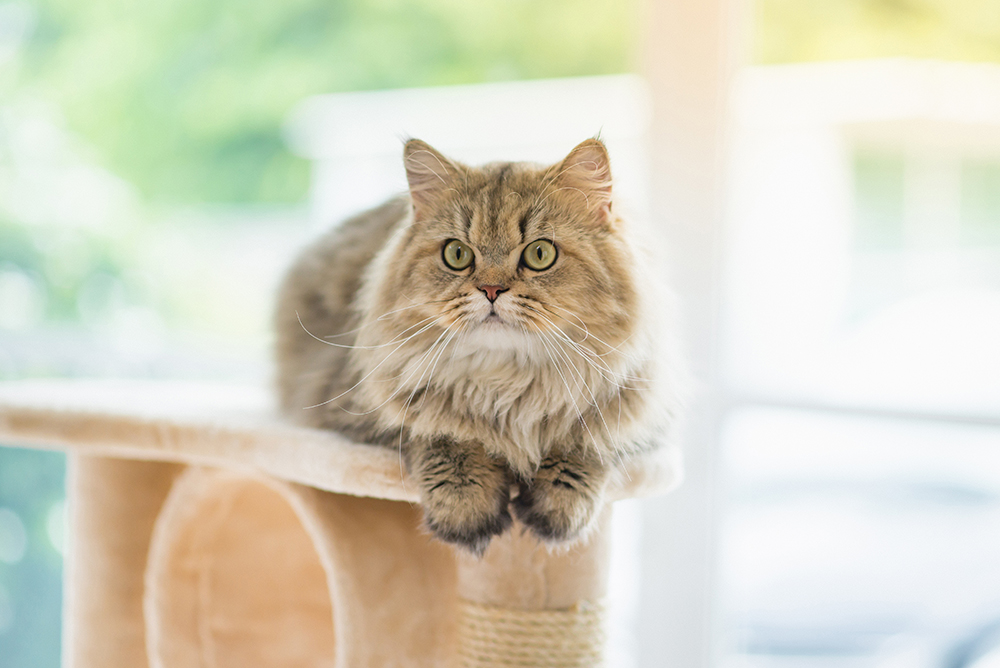
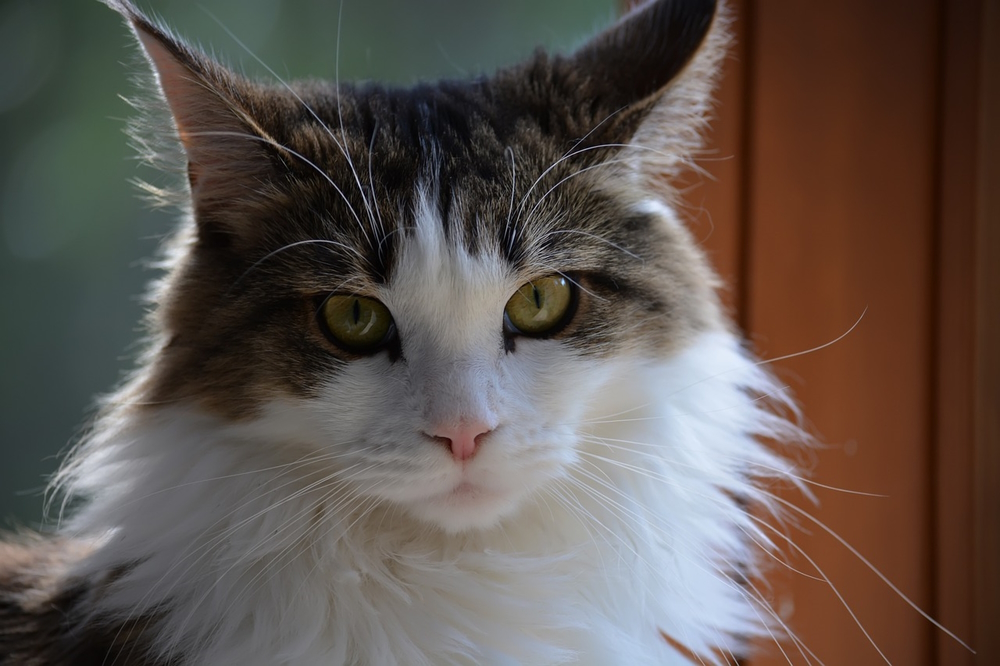
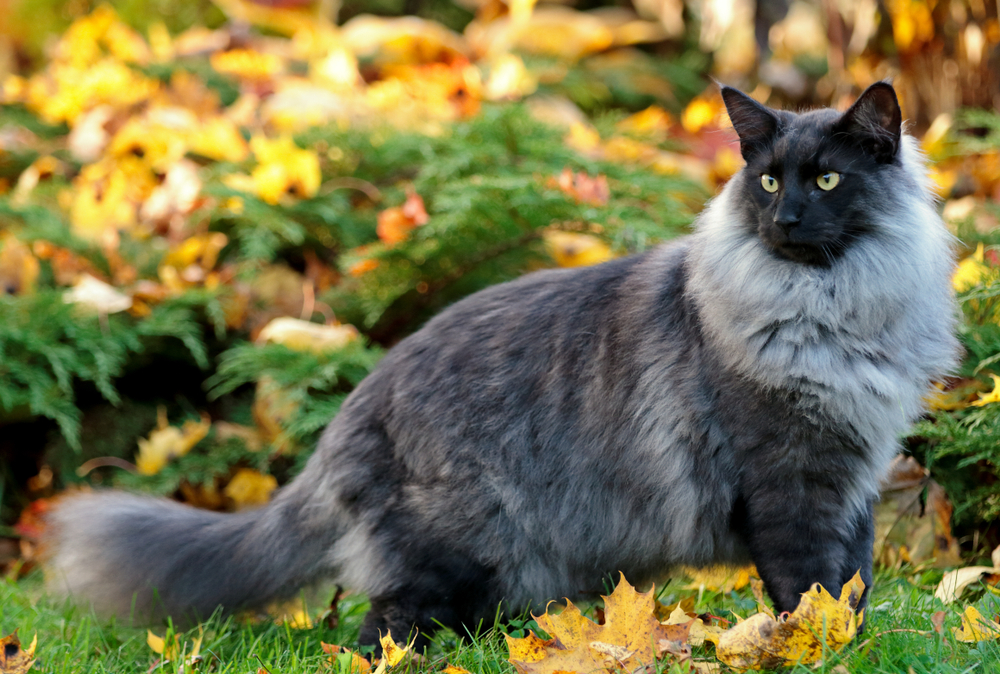
The Maine Coon is famous for being the largest domesticated cat breed, commonly nicknamed the "gentle giant." Because of their size, they're often used as therapy animals. Unlike the lions, the male and female Maine Coons have a mane. Their thick coat makes them well-suited for harsh winter conditions. On top of the two-layered coat, they have a long bushy tail.
In terms of personality, they are relatively calm and have above-average intelligence. They are also very affectionate and trainable, making them suitable for families.
7. Egyptian Mau

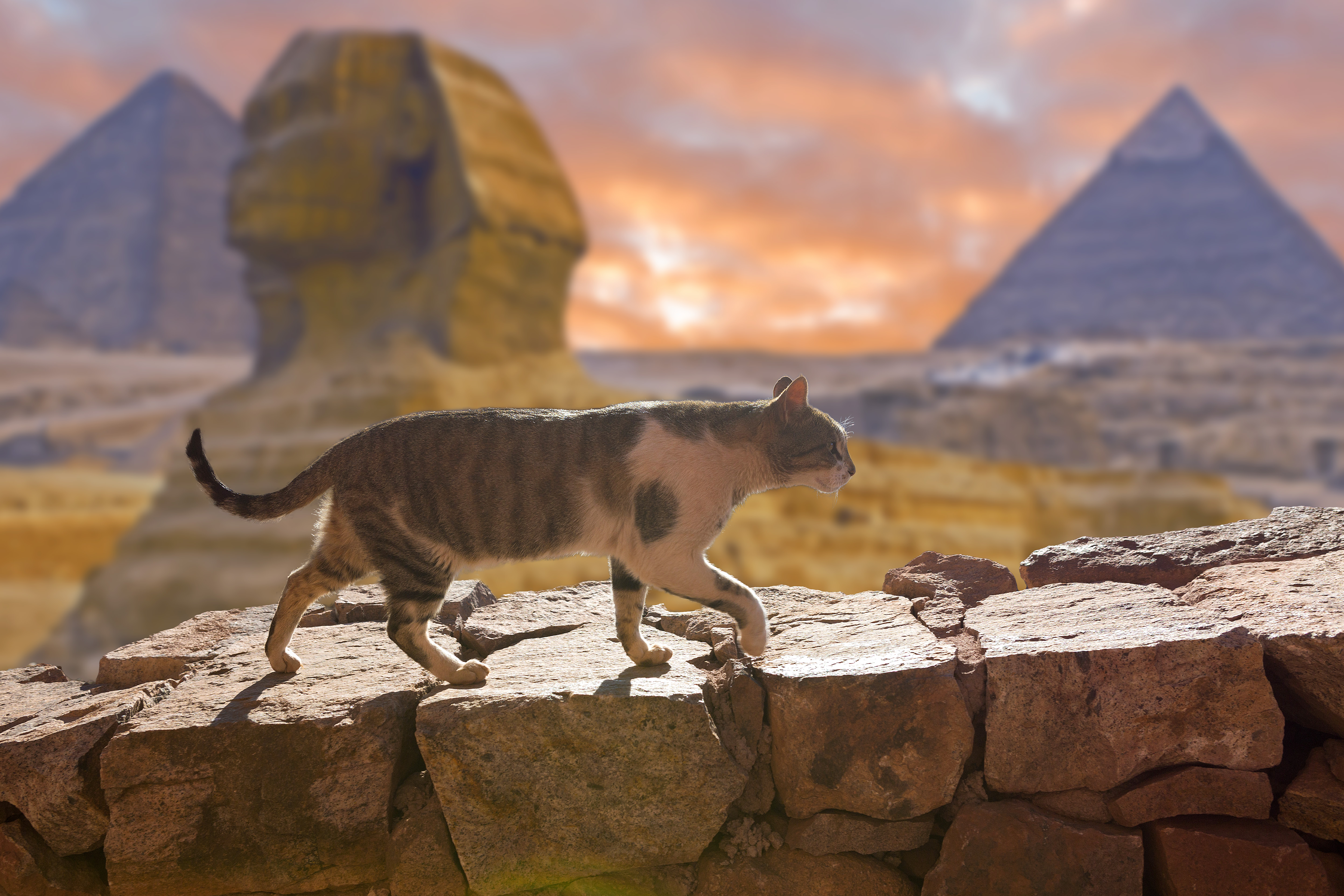
The Egyptian Mau is considered the fastest domesticated cat. As one of the oldest cat breeds, it’s believed to descend from the African Wild Cat in Egypt. With long legs to boot, this breed is known for their incredible agility and speed. Maus come in six distinct colors: black, caramel, blue, bronze, and silver.
As a very territorial pet, this cat breed likes to climb on trees to observe their kingdom. Due to their fast nature, they also require lots of outdoor space to run.
Egyptian Maus can weigh up to 11 pounds and have a lifespan of 13–16 years. They are very rare in comparison to other cat breeds.
8. Ocicat

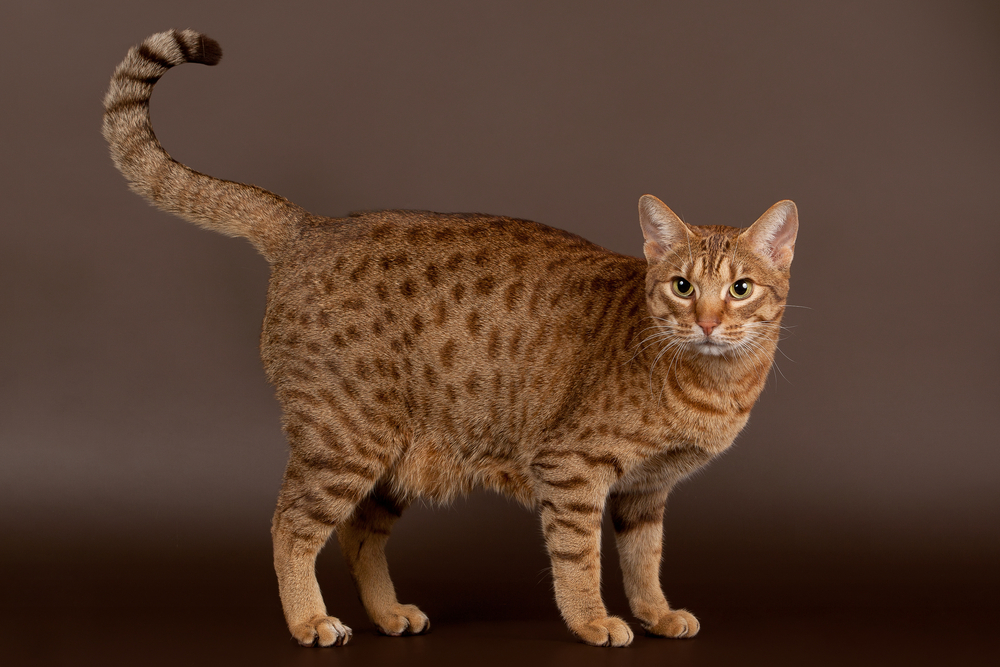
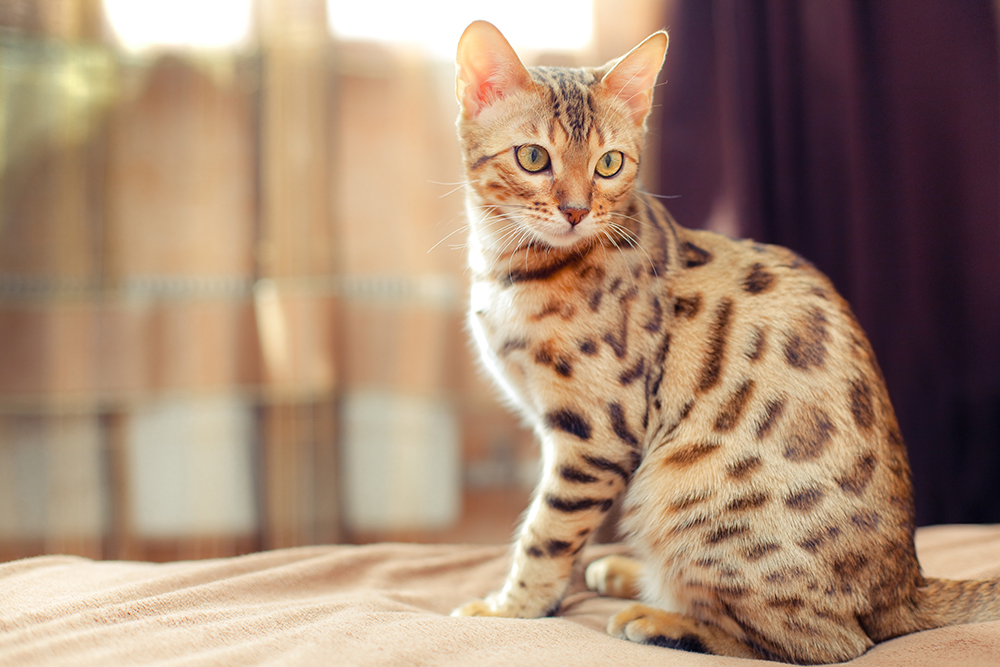
The Ocicat looks like a small jungle cat. The big muscular cat was created by breeding American Shorthair, Abyssinians, and Siamese cats. They are diverse in color and come in blue, lavender, chocolate silver, blue silver, chocolate, blue, cinnamon, cinnamon-silver, fawn-silver, and lavender silver.
The Ocicat is a busy cat, so they're well-suited for an active family. Besides, this breed is also very affectionate, friendly, and energetic and loves to play with their human companions. Therefore, it's a good breed choice if you are looking for a cat to keep.
Summary
Pets are kept not only for companionship but also for gorgeous appearance. These breeds of cats have a wild look despite being purely domesticated. Unlike their wild cousins, they're not aggressive or hazardous to humans. Regardless of their appearance, most, if not all, of these cats are very calm and loyal. If you want to keep a majestic and beautiful cat, these miniature “big cats” are ideal.
See Also:
Featured Image Credit: Kutikova Ekaterina, Shutterstock

Expert cat care, straight to your inbox
Vet-reviewed advice, behavior tips, and the best of Catster. Free, and you can unsubscribe anytime.
By signing up, you agree to our Terms & Conditions and Privacy & Cookies Policy.

Christian started writing for a local newspaper as a teenager, and he's been involved in the publishing industry for most of his adult life. Combining his love of writing with a passion for animals, he is currently the Director of Editorial at Pangolia and the Editor-in-Chief at Catster.
Christian lives in the Philippines with his wife, son, and four rescue cats: Trixie, Chloe, Sparky, and Chopper.
Join the conversation
Ask a question, share your story, or send private feedback.