Cat Scent Glands: Vet Approved Guide on Where They Are & What They Do


In this article
Cats have many unique features that make them extra interesting to cat lovers, like how they can still see in low light conditions and their ability to smell well beyond what humans are capable of. However, one of their most interesting features has to be their scent glands.
Cats have scent glands in several locations throughout their bodies that help them communicate. If you would like to know more, keep reading as we explain where these scent glands are, how they work, and other details that will help you understand your pet better.

Do Cats Have Scent Glands?
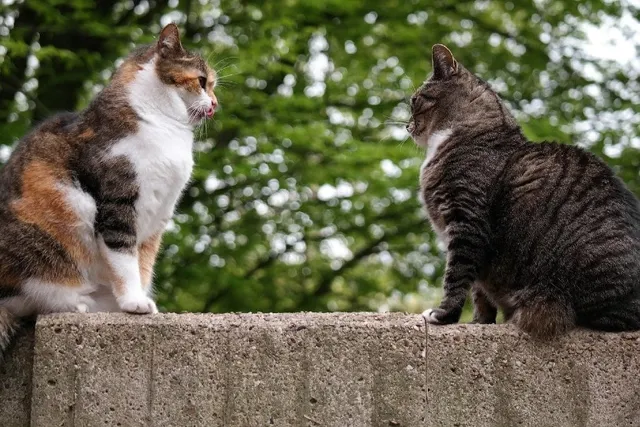
Cats do have scent glands, and they are an integral part of their communication system. There are several glands in various parts of a cat’s body, and the cat will use them to mark territory, identify themselves to other cats, and communicate socially. Knowing about these scent glands can help you understand some of their strange behaviors, like rubbing against objects, scratching the furniture, etc.

How Do Cat Scent Glands Work?
Cat scent glands work by producing and releasing pheromones, which are chemical substances that help cats communicate. They convey different messages specific to their species and can include information about a cat’s identity, emotional state, and reproductive status. Many kinds of fish, reptiles, birds, and insects also produce pheromones.
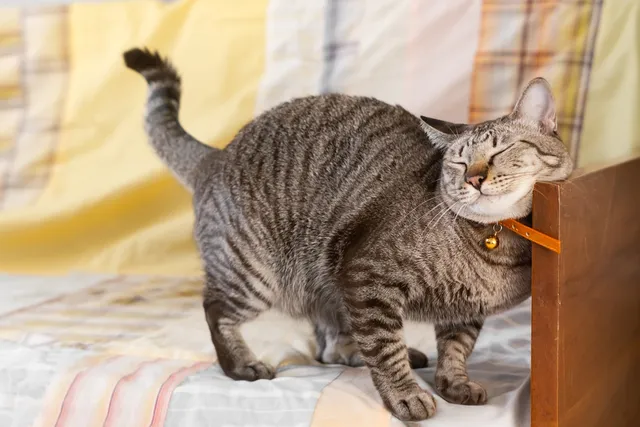
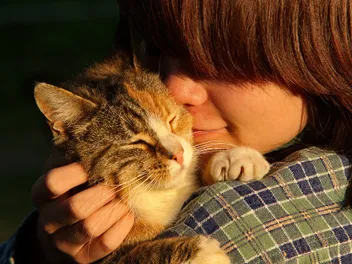
When a cat wants to release pheromones, they will typically engage in behaviors like rubbing, scratching, or spraying. For example, when a cat rubs their face against an object or person, they activate the glands around their cheeks, mouth, and chin, causing them to release pheromones onto the surface that they’re rubbing against. These pheromones might claim you as their territory to other cats, be a friendly greeting for you, or be another message that we simply don’t understand.
What Are the Different Types of Cat Pheromones?
- Alarm: Alarm pheromones in animals are chemical signals that are released in response to danger or threats, triggering a stress or avoidance response in other members of the same species. However, in the case of cats, their communication with each other primarily involves a combination of vocalizations, body language, and other types of pheromones, such as facial and territorial pheromones.
- Social: Social pheromones are friendly types of pheromones that cats use when an area is safe and familiar. Mother cats also produce special pheromones that help them bond with their kittens.
- Territorial: As the name suggests, territorial pheromones primarily send the message to other cats that a specific area is their territory.
- Sex: Sex pheromones in cats play a crucial role in their reproductive behaviors. These are chemical signals released by cats to attract potential mates and communicate their reproductive status.
Where Are Cat Scent Glands?
Face
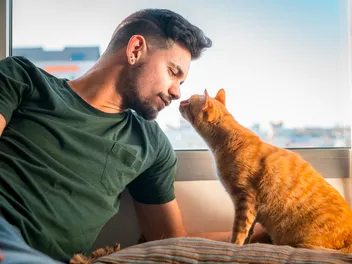
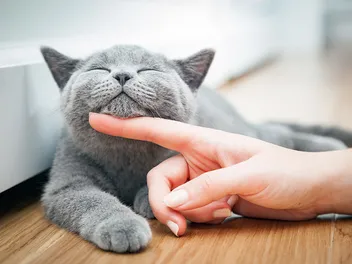
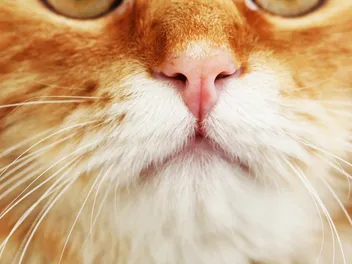
One of the many cat scent gland locations is the face. Cats have scent glands on the sides of their face, around the mouth, and under the chin. They activate these when they rub their face against objects, people, or other animals. While it is certainly a sign of affection, especially since they like to do it when you are interacting with them, it’s also a way for them to mark their territory with their scent. You may often see your cat rubbing their chin on boxes and other items, as these activate the glands too.

Forehead
You will find the forehead glands between the eyes and ears on a cat’s forehead. Your cat activates these glands when they rub their head against objects or people. Headbutting is another popular way to activate them, and cats might do it as a sign of affection or a way to mark their territory.
Paws
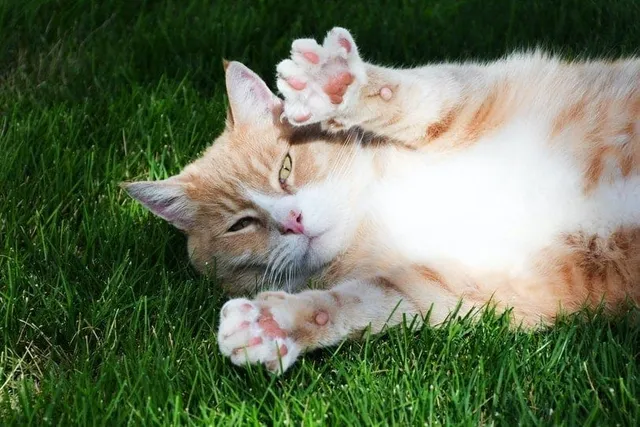
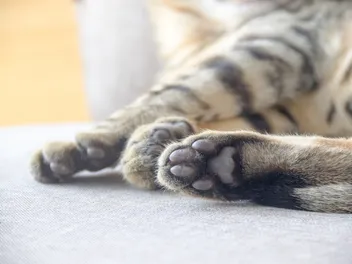
Cats have scent glands between the pads on their feet. When cats scratch surfaces, they leave behind both a visual mark and a scent mark from these glands. These paw glands might be the reason that your cat is scratching the rug or another area that they like to frequent.
The Base of the Tail
Cats have scent glands at the base of the tail where it meets their back, and some even run through the tail. Felines often use these glands during social interactions, like when they are wrapping their tail around you or you are petting them.
Anus
Cats have anal glands on each side of the anus that secrete a strong-smelling substance. These glands are commonly associated with health issues because they can become impacted or infected.

Urine
Cat urine contains pheromones that they use to mark their territory, which may be derived within the bladder, or from the anal glands.
Frequently Asked Questions
Do All Cats Have Scent Glands?
Yes, all cats have scent glands. They are a natural part of their anatomy and play a crucial role in their behavior and social interactions.
What Are Pheromones?
Pheromones are chemical substances produced and released into the environment by cats and other animals. They can be simple or complex organic molecules, often belonging to chemical classes like alcohols, aldehydes, ketones, acids, and esters. Pheromones are effective at low concentrations, and even a few molecules can create a response in other cats. They can also get into the air, which enables them to travel long distances in certain cases.
Can Humans Smell the Pheromones From Cat Scent Glands?
Humans cannot detect the pheromones released by cat scent glands. These chemical signals are for cats to communicate with other cats.
Are Synthetic Pheromones Effective?
Synthetic pheromones can be effective, but it depends on various factors, including the accuracy of the chemical composition, the context in which you use them, and the individual responses of the animals involved. Some commercial brands, like Feliway, have many positive reviews along with peer-approved research that support their effectiveness.
How Can I Tell If My Cat’s Scent Glands Are Healthy?
Healthy scent glands should not be noticeable. If you notice swelling, discharge, or a strong odor, particularly around the anal glands, it’s advisable to consult a veterinarian.
Can I Prevent My Cat From Marking With Their Scent Glands?
It’s challenging to prevent this natural behavior entirely, but providing scratching posts and toys can help redirect scratching behavior, and providing treats as positive reinforcement when they use them can help make the transition faster. Neutering or spaying your cat can also reduce territorial marking behaviors like urine spraying.
Is It Normal for Cats to Scratch Furniture?
Scratching is a normal behavior for cats. They do it to mark territory, maintain their claw health, and stretch their muscles. The scent glands in their paws leave a scent mark on the scratched surface.
The Hepper Hi-Lo Modern Cat Scratcher is a functional and stylish design that makes it the ultimate scratching spot for your cat – and a superhero in the battle against furniture destruction. Unlike most cat toys that end up being ignored, this one's a crowd-pleaser for both cats and their hoomans.
With its 3 configurations, thick textured cardboard, and solid birch plywood frame, it encourages your cat's natural scratching instincts, so they stay away from your precious furniture, rugs, and curtains, among all other things they shouldn't scratch. The Hi-Lo is like your home's mini guardian, keeping it safe while looking super sleek and trendy.
At Catster, we’ve admired Hepper for many years, and decided to take a controlling ownership interest, so that we could benefit from the outstanding designs of this cool cat company!
Are the Scents From Cat Glands Harmful to People or Other Animals?
The scents from cat glands are not harmful to people or other animals. They are natural and specific to feline communication.
What Health Issues Are Related to Scent Glands?
The main problem associated with scent glands is a condition called impacted anal glands, which can lead to infections or abscesses. Also, the sebaceous glands around the face and tail can sometimes become overactive, leading to skin issues. In rare cases, tumors can develop in the scent glands, requiring evaluation by a veterinarian.
Conclusion
A cat has scent glands in various locations on their body, including the face, forehead, paws, tail, and anus. Felines use these glands to release pheromones that help them communicate with other cats about various topics, including territory claims and sexual readiness. Cats activate these glands by rubbing up against people or things, scratching, or urinating. The scent that they produce is undetectable by humans, but other cats can pick it up from a great distance.
Sources
Featured Image Credit: jajam_e, Shutterstock
Expert cat care, straight to your inbox
News, insights, and useful advice, delivered to you.

No spam — unsubscribe anytime.
By signing up, you agree to our Terms & Conditions and Privacy & Cookies Policy.
How useful was this post?
Click a star to rate. You can leave written feedback afterwards. (We read all feedback.)
Ed Malaker is a veteran writer who has contributed to a wide range of blogs that cover tools, pets, guitars, fitness, and computer programming. When he’s not writing, Ed is usually performing DIY projects around the house or working in the garden. He’s also a musician and spends a lot of time helping people fix their guitars and composing music for independent films.