7 Vet-Reviewed Tips for Teaching Your Kids How to Properly Handle a Cat


In this article
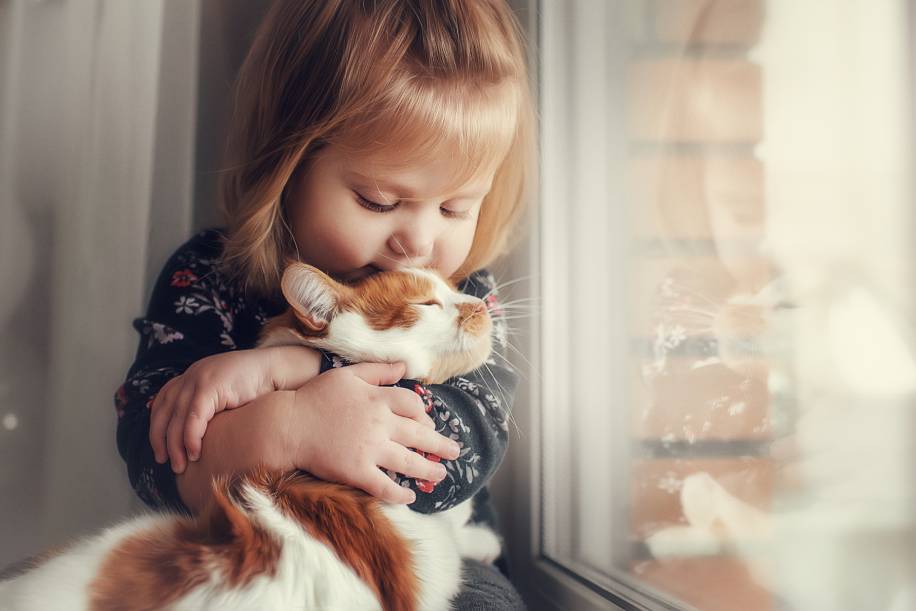
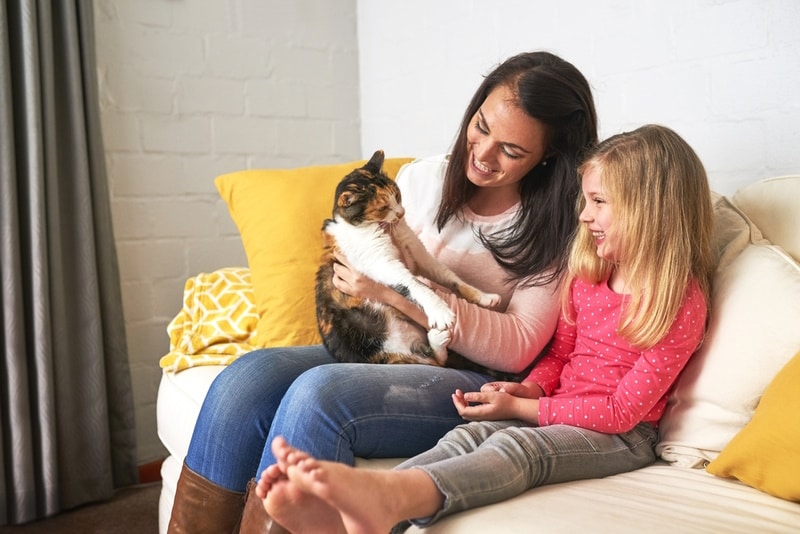
Cats can become beloved companions for children. However, every friendship between cats and children must begin with careful and considerate introductions and supervision. It usually takes a considerable amount of time for both cats and children to get used to each other.
Proper socialization will help increase the chances of cats bonding with children and decrease the likelihood of a cat running away every time they see a child. Here's how you can help your child learn to interact with and handle a cat correctly.

The 7 Tips for Teaching Your Kids How to Properly Handle a Cat
1. Supervise All Interactions

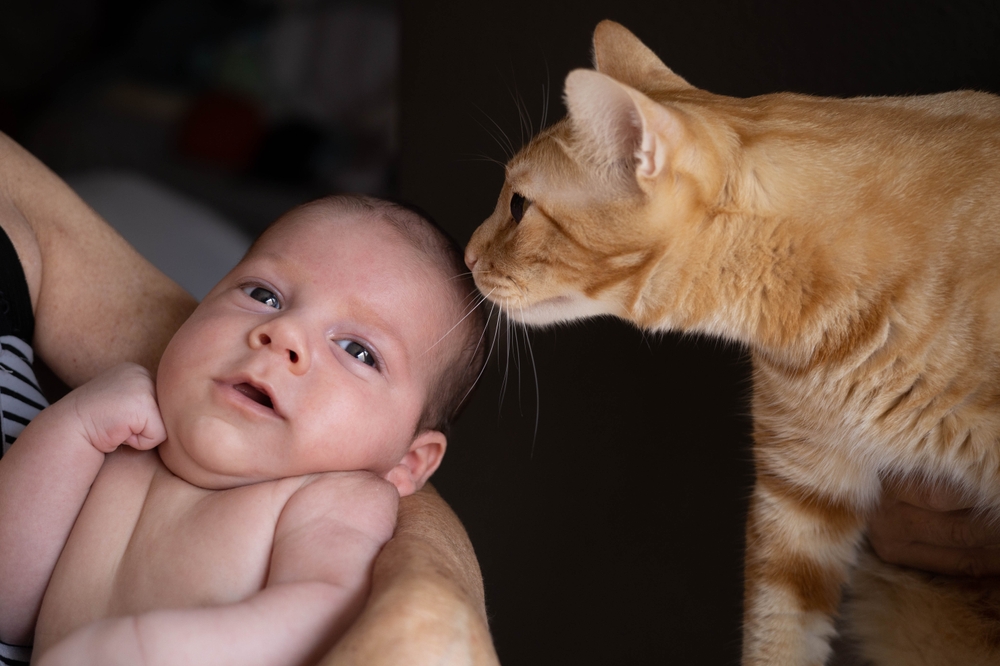
One of the most important things to do is to supervise all interactions your kids have with your cat, especially in the beginning. It can take a long time for your cat to get used to children, especially if they weren’t around children when they were kittens. It’s important to set clear expectations for your kids from the start. Petting should only be allowed when the cat approaches them for attention, and only when an adult is supervising.
Supervising all initial interactions between your child and your cat will prevent any accidents from occurring. Your cat may try to bite or swipe at your child as a means of retreating to safety. Negative experiences for your cat will also reduce the likelihood of them being open to being held by your child.
2. Schedule Interaction Time
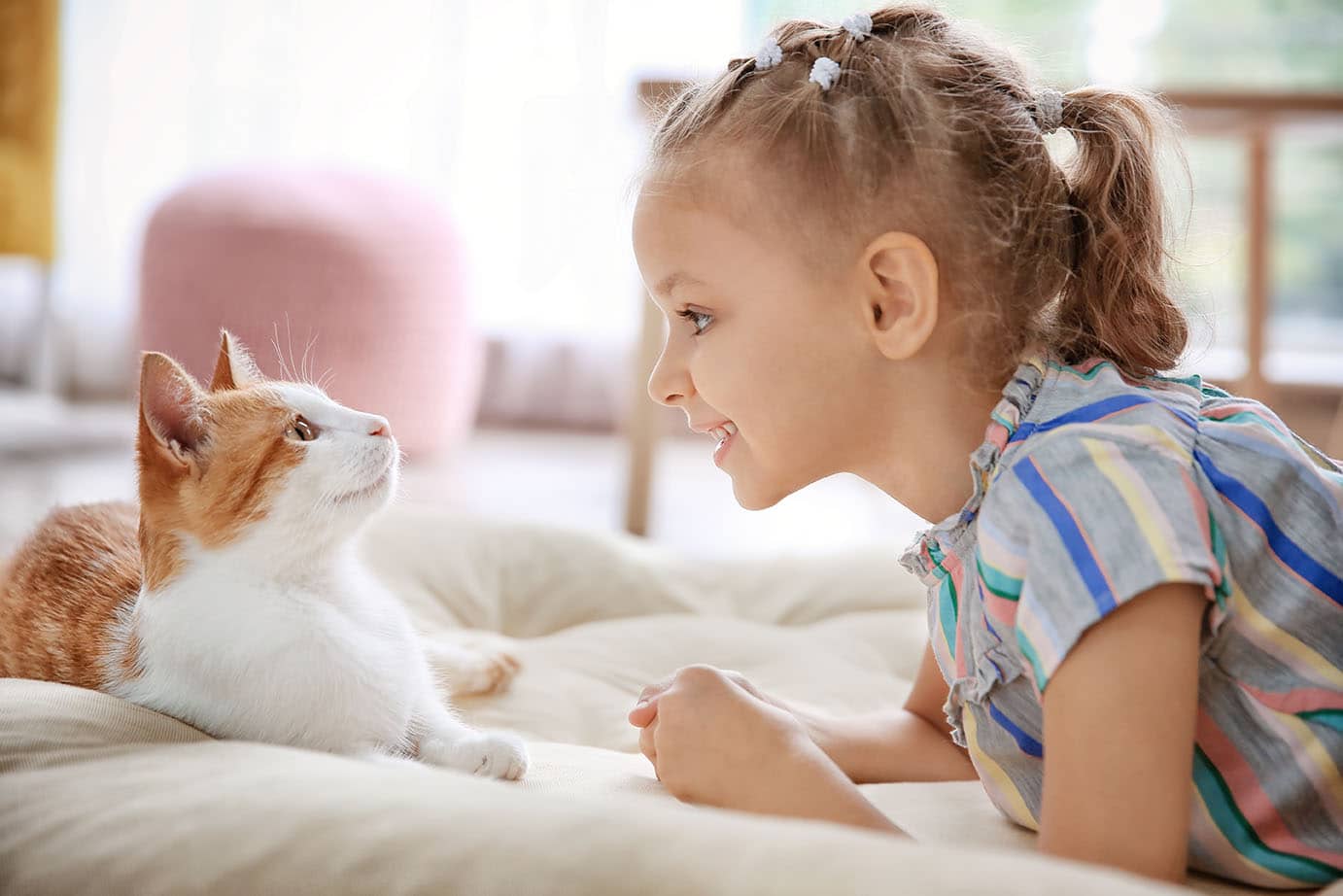
Scheduling interaction times can help establish healthy boundaries for your child and your cat. This allows cats to have their own space and take a break, and children can also learn to treat cats respectfully by respecting their space.
Interaction times will vary depending on your cat. Some cats may not mind interacting with children in frequent, short intervals. Others may only like being around children during certain parts of the day. So, make sure to pay attention to your cat’s preferences as you schedule interaction times.
Getting older children involved in caring for the cat such as feeding them, cleaning the water bowl, and offering treats, can also help your cat and child bond.
3. Show Appropriate Places to Pet Cats

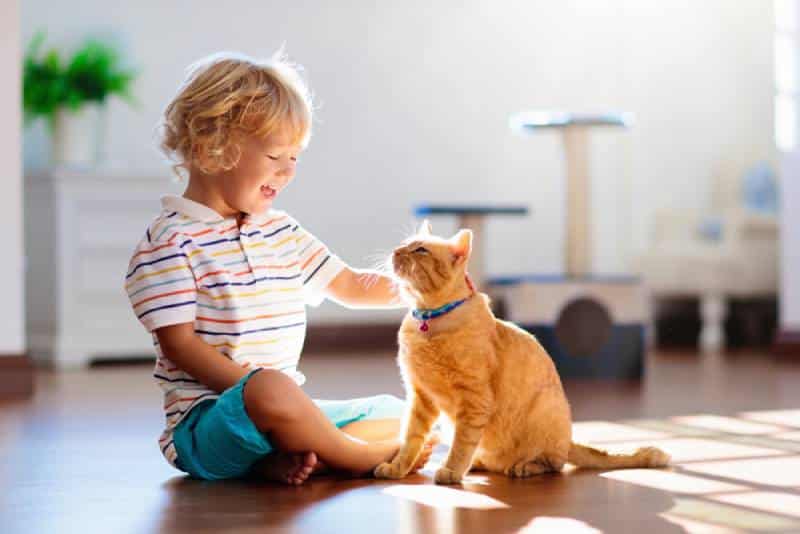
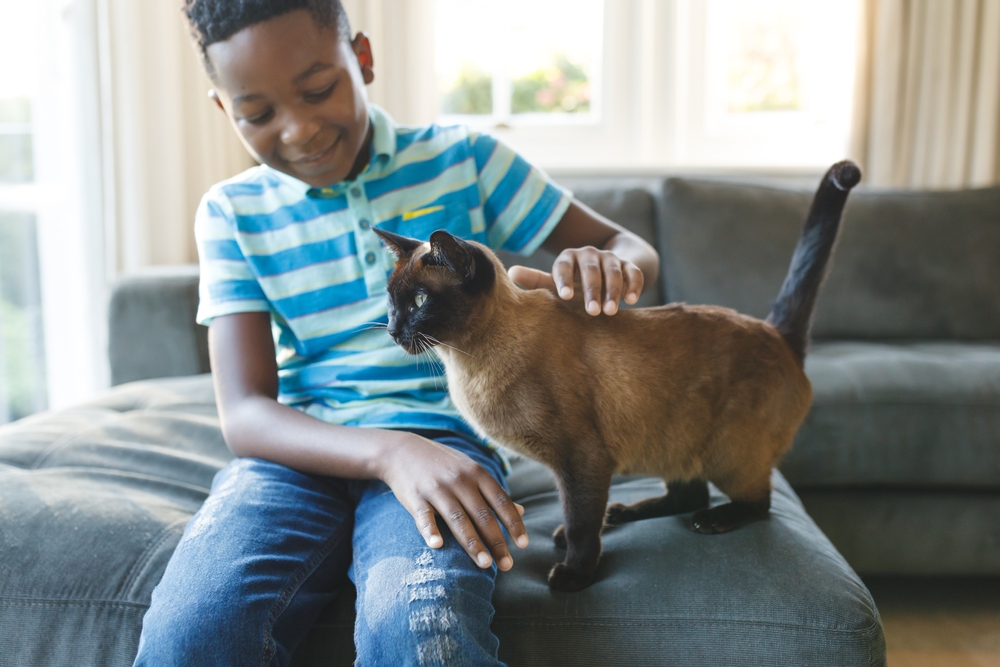
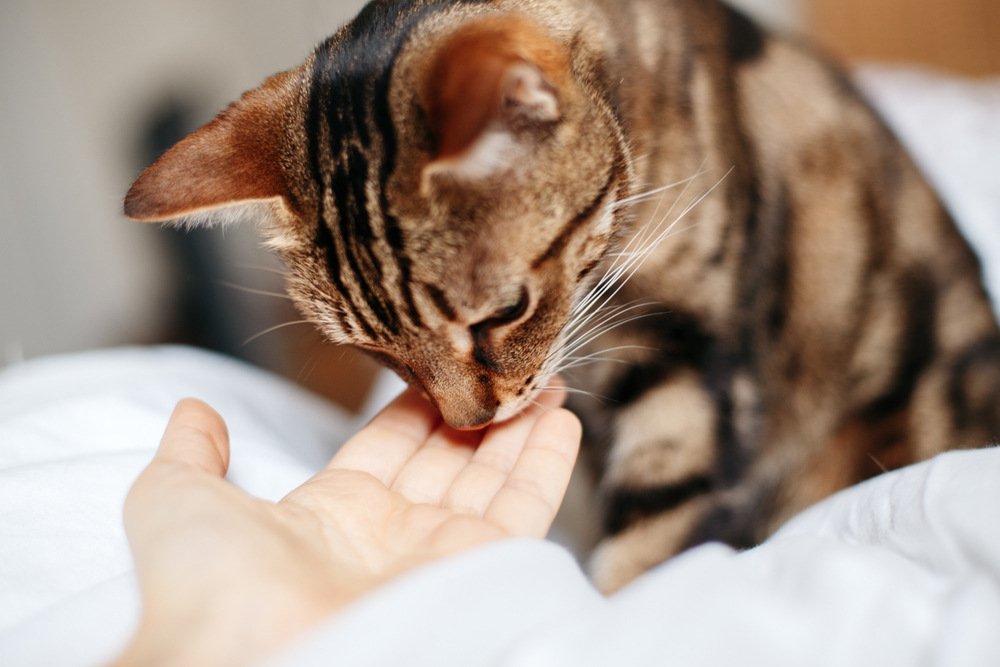
Before letting your child handle your cat, make sure to teach them how to approach them and treat them respectfully. Let them know safe spaces where cats can be petted. Children should also know not to pet a cat’s tail, belly, and paws, as these areas are very sensitive for cats. Most cats prefer to be stroked along their back, under the chin, or around their ears.
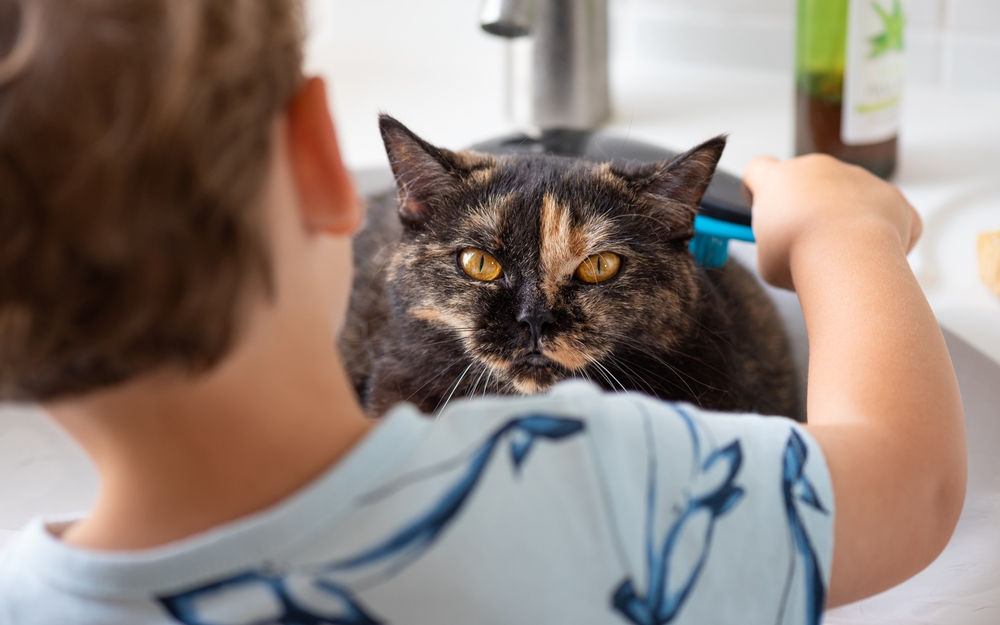
It’s also important to teach children to be gentle with their petting. Depending on the age of your child, it may be helpful to use a stuffed animal to practice before letting your child pet your cat.
4. Don’t Chase Cats
Children must learn never to chase cats. Cats can feel startled and fearful, even if your child is chasing them out of fun and with good intentions. This can cause the cat to feel aversion towards children, and some cats can start to develop an aggressive attitude towards them.
If your cat jumps out of your child’s lap or dodges being handled, allow the cat to retreat to a safe space and respect the distance they’ve created. You can let your child try to hold your cat again at a later time when your cat feels calm and relaxed.
5. Teach Children How to Properly Hold a Cat

Children should only pick up cats that are comfortable with them, and are tolerant of being picked up. The children must also be strong enough to support the cat's weight and be supervised.
Once your cat gets used to being petted by your child and enjoys the fuss, you may be able to move on and let your older child hold the cat. Children need to know how to hold cats correctly so that cats feel comfortable and can avoid injuries.
The most common way to hold a cat is to place your dominant hand underneath the cat’s chest, right behind their front legs. Your non-dominant hand should be placed under the cat’s hind feet to support their weight. Once your hands are positioned in the right places, you can gently and slowly pick up the cat. If the cat resists at all, make sure to let them go and try again at a later time.
6. Show Appropriate Times to Handle Cats
There are specific moments when cats shouldn’t be bothered. First, cats should be left alone when using the litter box. It’s also important to let children know not to disrupt cats when they’re napping or sleeping. Cats also don’t like being disturbed when they’re eating and may even bite or scratch others if they get too close to them while they’re enjoying their meal. If cats are being very playful, chasing toys, and doing zoomies, they may easily get overstimulated if a child or even an adult tries to hold them, and may scratch if unable to get away.
7. Identify Cat Body Language

It’s helpful for children to know when a cat is in the mood to interact. You can start to teach them to look for signs that indicate that your cat is open to being petted or handled. Cats that feel calm and relaxed usually lie stretched out on their side, and their eyes are half-open. They may also purr or approach you to rub their cheeks against you.
Cats that want to be left alone usually hide or retreat to a small space. They may curl up to appear smaller, while cats that feel scared may have their hair raised and try to make themselves look bigger. They can also hiss or yowl to warn people to stay away.
Do All Cats Like Being Held?
It’s important to note that not all cats will enjoy cuddling and being held, and this isn’t an issue. Some cats may prefer occasional pets or will only approach you when they want to be held. Therefore, there’s no guarantee that your cat will like being held, even if your child is being gentle and respectful. You may be able to train your cat to tolerate being held, but the boundary must be respected if your cat doesn’t particularly enjoy being touched.
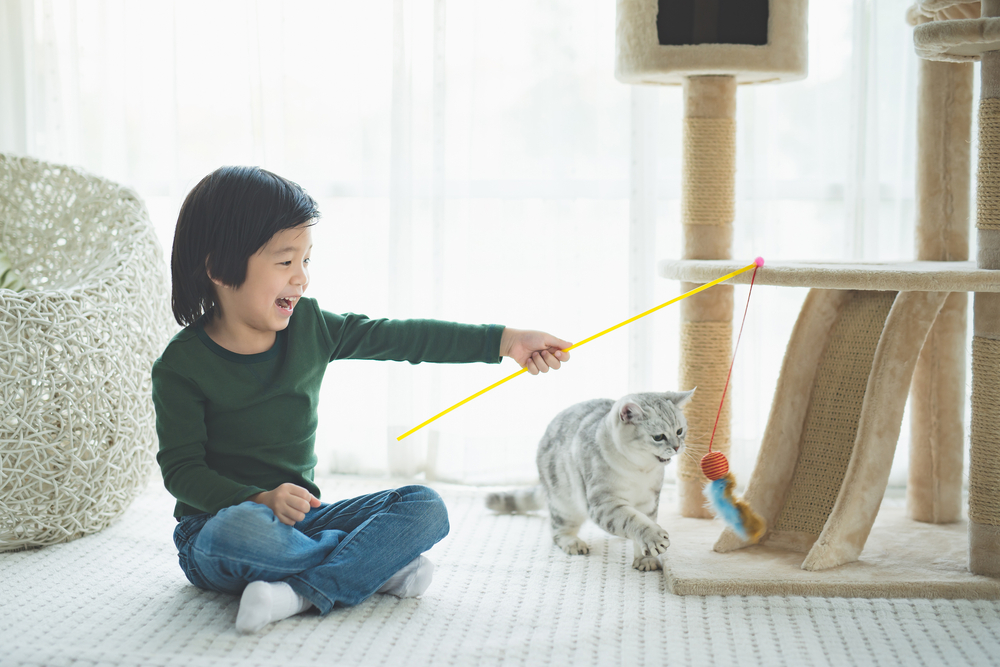
Letting kids play with the cat with wand-type toys can be a great way for them to interact with your cat if they don’t enjoy being physically handled.
Individual cats will also have differing levels of sensitivity to being around the noise and activity that usually comes with children, and need to be given safe spaces they can retreat to undisturbed if they feel overwhelmed.

Conclusion
It’s most likely going to take some time for your cat to become comfortable around children. Teaching children how to handle cats properly can help them feel comfortable around them more quickly. It’s also important to teach children to respect a cat’s boundaries and identify when a cat does and doesn’t want to be touched. Taking the time to go over these things with children will help your cat feel safe and start to build trust with them. With some time and patience, your cat and child can learn to become the best of friends.
Featured Image Credit: PeopleImages.com Yuri A, Shutterstock

Expert cat care, straight to your inbox
Vet-reviewed advice, behavior tips, and the best of Catster. Free, and you can unsubscribe anytime.
By signing up, you agree to our Terms & Conditions and Privacy & Cookies Policy.
Jessica is a freelance writer who spends most of her day researching and writing while her fluffy Cavapoo, Nora, naps beside her. She loves and appreciates pets and animals because there’s so much to learn from them, and they do so much for people. As a dog owner, she understands the special connection that pet owners form with their pets. She loves sharing helpful information that people can use to better understand their pets. When she’s not writing, you can find her walking dogs, tending to her plant babies, or drinking her nth cup of coffee.
Join the conversation
Ask a question, share your story, or send private feedback.