Will Certain Scents Calm Cats? With 6 Soothing Examples


In this article
We’ve all heard anecdotes about various things helping to calm down an anxious or hyperactive kitty, with lavender often topping the list. Lavender is known for its ability to soothe humans and promote sleep, but does it do anything for cats? Are there any scents that will help to calm your cat down?
In stressful situations, like during fireworks or when company comes over, you may be searching high and low to find the best scent to calm your cat down. Written below is everything you need to know about the scents capable of calming your kitties.
The good news for you and your cat is that some scents can have a calming effect on your feline, although they may not be the singular solution to your cat’s stress and anxiety.

Will Certain Scents Calm Cats?
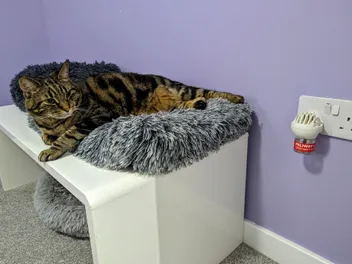
Lavender does seem to be a good option, but it is toxic if ingested. Essential oils, in general, are not recommended for any use around cats, including in diffusers, topically, and orally. This can make it difficult to find the perfect scent for your cat’s needs.
There are a variety of herbs that can have calming effects on your cat, and they are safe to sniff and consume. You won’t have to use strong scents to help calm your cat, either. Their sensitive sense of smell means that scents that are light to us can be quite strong for your cat.

Herbs & Plants for Calming Cats
Certain herbs are a great option for calming your cat with their scent because they are completely safe for your cat. These herbs can often be given to your cat in dried or fresh forms, but some herbs can even be used to brew a cat-safe tea to help calm your cat.
Just remember that any calming effects from herbs and other scents will likely be relatively short-lived, and you’ll likely need to create a low-stress environment for your cat in conjunction with pleasant scents.
1. Catnip
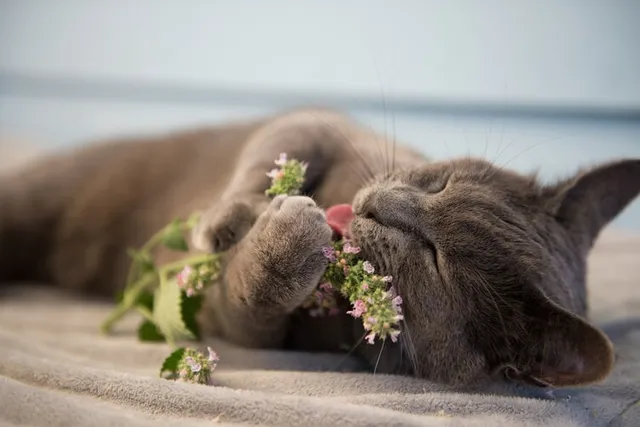
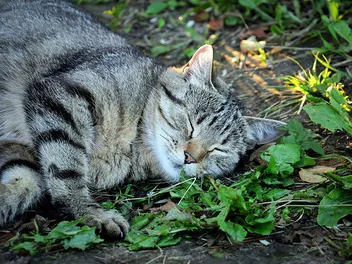
Catnip is an herb that we all know is safe for our kitties. While it can cause your cat to become more active and excitable, this is usually short-lived. Once the stimulant effects of catnip begin to wear off, many cats take a nap or find a quiet place to relax.
Catnip’s most available form is dried and crushed, and it’s widely available in pet stores. It’s so common that you’ll probably find catnip on the shelf in the tiny pet section of your local grocery store.
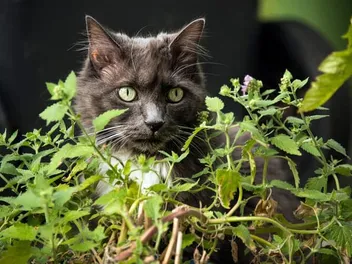
Catnip is easy to grow, often becoming weed-like in ideal conditions, so it’s easy to grow a constant supply of catnip for your feline pals. It can be used to make tea and is safe for ingestion instead of treats.
Next time you offer dried catnip to your cat, rub it between your fingers first. This helps release the oils in the leaves, increasing the scent and the positive effects for your cat.

2. Valerian
Valerian is less available than catnip, so you may struggle to find it. However, this herb has shown similar effects to catnip in many cats. The best part about valerian is that it is highly likely to make your cat sleepy. They may become active at first, like with catnip, but will quickly calm down.
For cats that aren’t affected by catnip, valerian may work better for them. You can give valerian to your cat in a similar way that you would offer catnip, with dried leaves being the most common form.
3. Silvervine
In one study, 80% of the cats1 showed an interest and a positive effect from this plant. Silvervine is becoming easier to find, which can be a lifesaver for anxious cats or those needing something a little different than catnip. In the same study, 75% of the cats that had no effect from catnip showed a positive effect from silver vine.
The primary issue with silvervine is that the highest efficacy comes from chewing on the sticks, while some cats enjoy playing with the galls of the plant. This means that your cat will have the best effect by gnawing and playing with the plant and not from the scent itself, like catnip.
4. Tatarian Honeysuckle
If this is one you haven’t heard of, you aren’t alone. Tatarian honeysuckle is uncommon and can be difficult to find, but it has shown the ability to calm some cats.
Interestingly, this plant is offered in the form of sawdust and wood pieces. The sawdust can be rubbed between your hands before offering it to your cat to help release the maximum amount of scent.

5. Chamomile
Much like lavender, chamomile is known for its calming properties for people, often being used as a tea to support sleep. Chamomile has a similar effect on cats, and it is safe for them.
You can offer chamomile tea to your cat, but you should avoid chamomile tea with other flavors or additives in it. You can also let your kitty sniff dry chamomile or rub it to release an extra scent to calm your cat.
6. Hops
If you’re thinking that “hops” sounds familiar, that’s because this is an important ingredient in beer making. Although beer isn’t at all safe for cats, the flowers of this plant are safe for your cat to sniff.
The smell of hops can help reduce anxiety and calm your cat, and they are safe if your cat decides to give them a taste. Dried hop flowers aren’t typically in pet stores, but they aren’t overly difficult to find in online shops.
How to Offer Herbs & Plants to Your Cat
We are primarily used to rubbing a little bit of dried catnip on our cat’s toys or scratchers, but there are a few preferred ways to give herbs and plants to your cat to help calm them with scents. The dried form of herbs is usually considered to be the most effective and safest way to offer them.
While it is not unsafe for your kitty to sneak a bite here and there of these plants and herbs if your cat is a known plant fiend, you may instead need to put them in a fabric bag or toy of some sort. This will still allow your cat to access the scents without consuming a large amount.
Teas are not the top pick, but they are generally a safe way to expose your cat to safe scents. Since you can dilute a tea as much as you’d like, you can easily control how much of a plant, herb, or specific scent your cat can access.
Alternatively, if you want to surprise your cat with something cool, check out the Hepper Hi-Lo Cat Scratcher. It's not just a scratcher; it's a piece of modern furniture that your cat can play on. It's got a curvy design that's perfect for stretching and moving, and it's built tough with strong birch plywood and thick B-flute cardboard. You can adjust it to three different heights, which keeps cats entertained. Plus, it won't break the bank! Our cats love it, and we do too.
At Catster, we’ve admired Hepper for many years, and decided to take a controlling ownership interest, so that we could benefit from the outstanding designs of this cool cat company!
Conclusion
There are lots of scents that can help to calm your cat and that are very safe for them. However, some cats have very sensitive respiratory systems, in which case olfactory calming interventions are not ideal. If you are unsure, ask your cat’s vet since they will know your cat’s medical history and risks.
Make sure to limit the consumption of herbs and plants to avoid stomach upset. Also, never offer any part of a plant or introduce any new scent to your cat without knowing that it is safe. There are a ton of toxic plants out there that can make your cat very sick.
Sources
Featured Image Credit: Alena Ozerova, Shutterstock
Expert cat care, straight to your inbox
News, insights, and useful advice, delivered to you.

No spam — unsubscribe anytime.
By signing up, you agree to our Terms & Conditions and Privacy & Cookies Policy.
How useful was this post?
Click a star to rate. You can leave written feedback afterwards. (We read all feedback.)
Brooke Billingsley, a former veterinary assistant for nine years, became a nurse in 2013. She lives in Arkansas with her boyfriend of five years, surrounded by her beloved pets: three dogs, two cats, five fish, and two snails. Brooke has a soft spot for special needs animals, caring for a three-legged senior dog and a widely known cat with acromegaly and cerebellar hypoplasia. She has developed a keen interest in fish keeping and is always learning how to provide the best environment for her aquatic pets. In addition to her passion for animals, Brooke enjoys gardening and maintains a vegetable garden during the summer. She stays active with yoga and received her 200-hour yoga teacher certification in 2020. Brooke also hosts a podcast that delves into folklore and myth, dedicating her spare time to research and writing. She embraces the philosophy that every day is an opportunity for learning and growth, continually working to acquire new skills and knowledge.