Why Is My Cat So Naughty? Vet-Approved Feline Misbehavior Explanation


In this article
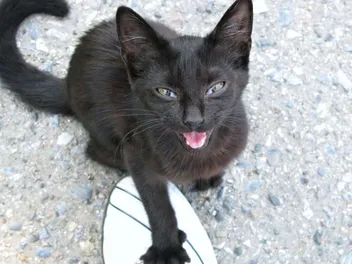
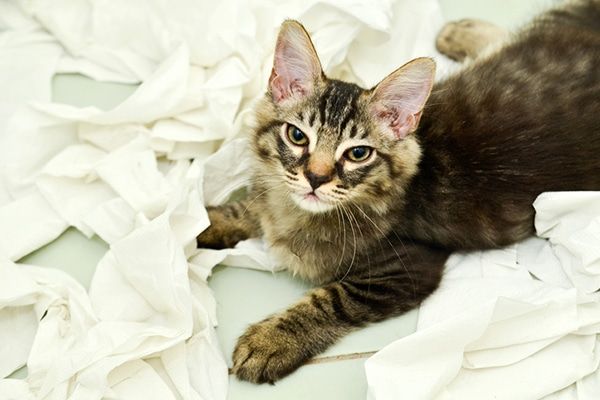
Cats may engage in tons of behaviors that seem “naughty” to us without actually being naughty. Often, this may be the result of a cat’s unique personality, but it can also just be a normal cat behavior. For instance, many cats may do things because they are playful, like pouncing, scratching, or batting at objects. This may be interpreted as naughty, but the cat is really just trying to hunt (in the form of play).
Similarly, cats may do things out of boredom to try and entertain themselves. Often, this may result in naughty behaviors, like playing with things they shouldn’t.

Common Naughty Cat Behaviors
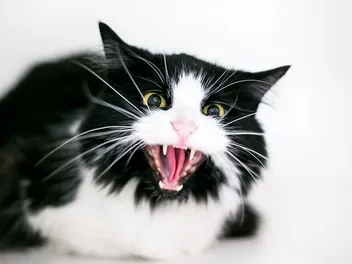
Cats are known for being fairly charming pets. However, there are quite a few behaviors that may be considered “naughty.” Often, these are the result of their natural instincts and communication. However, these are typically what we’re talking about when we say “naughty” behavior. It is important to note that these are merely our interpretations of these actions and not accurate with respect to our cat’s behavior.
1. Scratching Furniture

One of the most notorious cat behaviors is scratching things that they shouldn’t. Cats have an innate need to sharpen their claws and mark their territory, so scratching is more of a requirement than just something they want to do.
When they dig their claws into your favorite couch or chair, they’re not trying to be destructive; they’re simply following their instincts.
2. Knocking Objects Off Surfaces
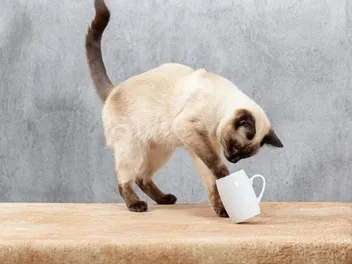
We’ve all seen the memes. Cats have this thing with knocking random objects off tables. While it may seem like your cat is doing this just to annoy you, it’s more likely that they’re just being curious and playful.
3. Biting or Scratching
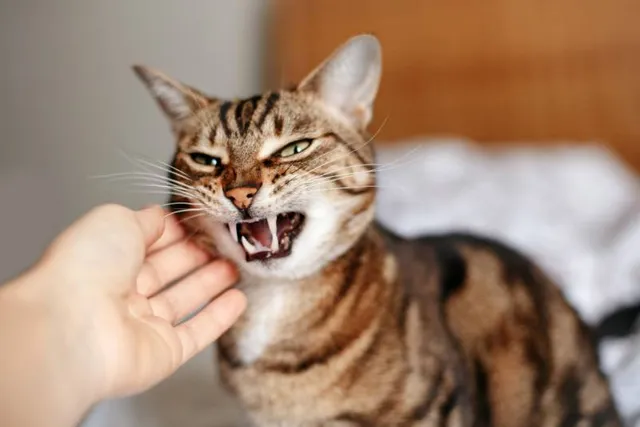
Cats will use their teeth and claws while playing. Preferably, this should be something that your cat is taught not to do at a very young age. However, some cats just take longer to get the message! It’s important to differentiate between playing and aggression, though this can be easier said than done.
4. Urine Marking

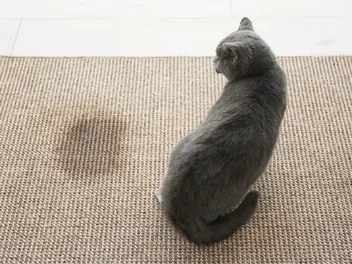
Urine marking, particularly outside the litter box, can be one of the most frustrating behaviors for cat owners. However, this is often a territorial instinct. Cats use scent marking as a way to establish their territory and communicate with other cats. Stress, changes in the home, or the presence of other animals can trigger this behavior.
While males stereotypically do it most often, females can do it too.
5. Nighttime Zoomies
Every cat owner has been awakened by their cat running around at top speed. While this may seem like an attempt to wake you up, it’s important to realize that it's not normal for cats to sleep all night. Therefore, this behavior is often done just to burn off pent-up energy.

The 6 Possible Reasons for Naughty Cat Behavior
There are many reasons behind these “naughty” behaviors. Understanding these reasons can help you figure out the why, which can help you solve the problem.
1. Playfulness and Energy
Cats are playful creatures by nature, and they have an abundance of energy to burn. When they engage in actions like pouncing on your feet or batting at objects, they’re often just trying to have fun. What we call play in cats is in fact cats honing their hunting skills!
Playfulness is a healthy and normal behavior in cats, but without appropriate outlets, it can sometimes lead to behaviors that we might find disruptive. Therefore, it’s important to give your cat the proper outlets so that they don’t have to be naughty just to run off some energy.
2. Boredom and Lack of Stimulation

A bored cat will often look for ways to entertain themselves. Often, this leads to them getting into things they aren’t supposed to. If they don’t have enough to do, they may resort to knocking things off shelves or scratching the furniture.
It’s important to provide your feline with toys and plenty of mental stimulation to avoid this. Cats need plenty of exercise and mental stimulation. Some cats are smarter than others and may need more mental stimulation. Interactive toys are great in this regard, as they can help keep your cat entertained even when you aren’t home.
3. Attention-Seeking Behavior
Cats crave attention from their human companions. If they feel neglected or left alone, they may resort to behaviors they know will get your attention (which may be the very things that you don’t want them to do). Even negative attention is attention, so cats may try to upset you just so you’ll pay attention to them.
Luckily, this is pretty straightforward to fix. You just need to introduce more playtime and attention into your schedule.
4. Stress
Stress can trigger disruptive behavior in cats. Major life changes or even relatively small changes can all cause stress, which can make your cat act in unusual ways. For instance, your cat may try to mark their “territory” to help alleviate this stress, which probably isn’t what you want them to do.
Cats may respond to stress by grooming excessively, too. This can cause skin irritation and even infections in severe cases. Contacting a veterinarian is a great way to identify the stressors and getting advice on how to deal with them.
5. Territorial Instincts
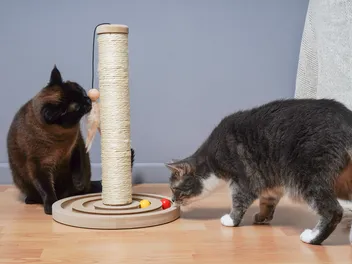
Cats are territorial animals, and they often display behaviors like scratching and urine marking to establish and maintain their territory. While this can be frustrating for you, it is a very natural part of their behavior. Therefore, you’ll need to provide them with designated scratching posts (and teach them to use them), as well as a clean litter box.
Cats that are neutered or spayed are less likely to spray when compared to intact pets.
6. Underlying Medical Issues
Sometimes, what appears to be naughty behavior may be a sign of an underlying medical problem. Pain or discomfort can lead to changes in behavior, such as aggression or reluctance to use the litter box.
If your cat suddenly starts acting strange, you should visit your vet for a full checkup. While this isn’t always a sign of an illness, cats are very good at hiding their issues.
Conclusion
There are many behaviors our cats may do that we might consider “naughty.” However, these often have a cause that makes complete sense if you know what to look for. For instance, cats love to scratch. Therefore, you need to supply scratching posts and teach your cat to use them!
Playfulness is the cause of many “naughty” cat behaviors. Therefore, we recommend that you purchase plenty of cat toys and even interactive toys.
Featured Image Credit: hwongcc, Thinkstock
Expert cat care, straight to your inbox
News, insights, and useful advice, delivered to you.

No spam — unsubscribe anytime.
By signing up, you agree to our Terms & Conditions and Privacy & Cookies Policy.
How useful was this post?
Click a star to rate. You can leave written feedback afterwards. (We read all feedback.)
Kristin is passionate about helping pet parents create a fulfilling life with their pets by informing them on the latest scientific research and helping them choose the best products for their pets. She currently resides in Tennessee with four dogs, three cats, two fish, and a lizard, though she has dreams of owning chickens one-day!