8 Common Munchkin Cat Colors (With Pictures)

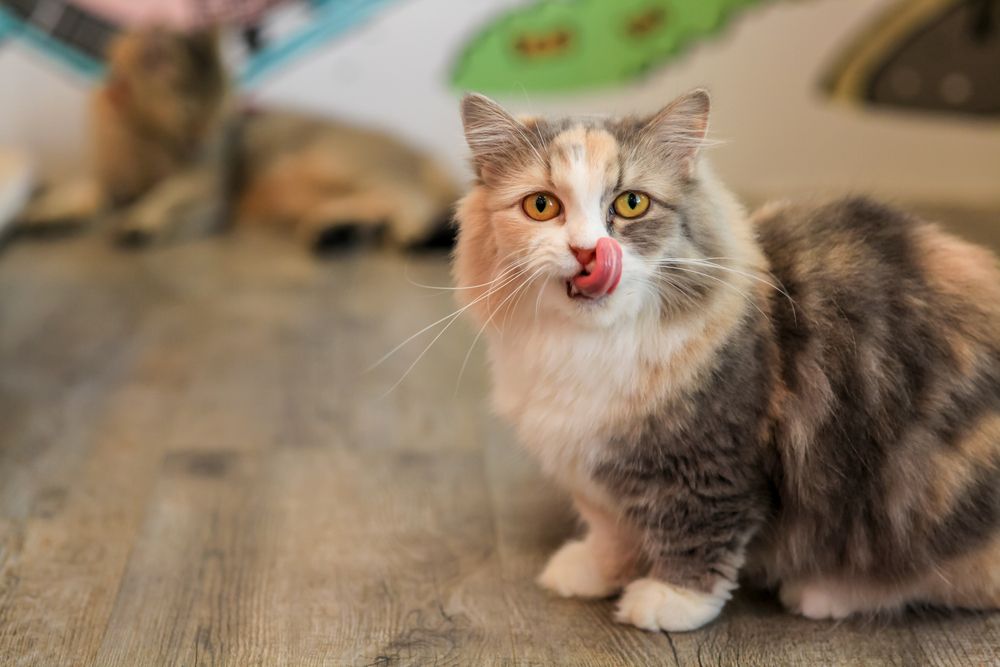
Munchkin cats are instantly recognizable thanks to their adorable, short little legs. Most have legs at least 3 inches shorter than what you see on average-sized cats. Munchkins tend to be on the small side for kitties, with most weighing between 5 and 9 pounds. Cats with short legs aren’t a new phenomenon. They’ve been documented over the years, including in the United Kingdom and Russia.
The short legs come from a genetic mutation, achondroplasia, which is also associated with dwarfism and several related health conditions. As a result, the breed has long been controversial due to ethical concerns.
While these kitties live just as long as other cats, 12–14 years on average, they suffer disproportionately from conditions such as arthritis and pancreatitis. There are short and long-haired variants that come in just about every possible color and color combination. Read on for more information about eight common munchkin cat colors.

The 8 Color Variations in Munchkin Cat
1. Calico

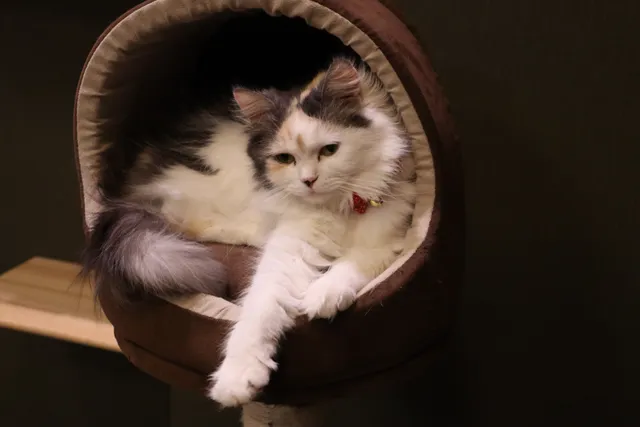
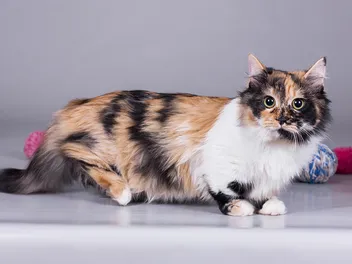
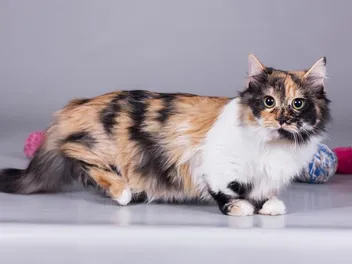
Munchkin cats come in several colors, including the ever-popular calico pattern. Calico cats have multicolored coats featuring a base highlighted by bold splashes of other colors. Common combinations include black, white, and orange. Most calico cats are female, as male calico kittens often don’t survive until adulthood.
Most male calicos are sterile, so the gene is passed through the maternal line. Other breeds that also feature this gorgeous color combination include the Manx, American Curl, and Japanese Bobtail cats. Calico cats are the official state cat of Maryland.
2. White

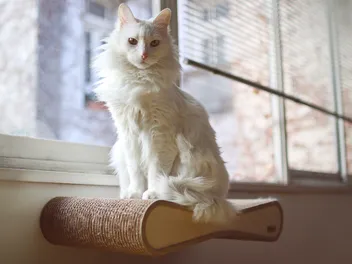
These short-legged cats often have gorgeous white coats. Unfortunately, white cats are often born deaf. White cats with one blue eye face an even higher chance of deafness. Up to 22% of white cats without blue eyes are born unable to hear. And as many as 40% of white cats with at least one blue eye can’t hear.
A stunning 65–85% of white cats with two blue eyes are deaf. Deaf cats usually do just fine and learn to rely on their other senses to navigate the world.
3. Black

Black is another common munchkin cat color. Black cats used to be associated with bad luck, the occult, and witches, and recent research has uncovered that these kitties actually do have a superpower! Scientists at the National Institute of Health discovered that the gene associated with black fur might protect cats from various common diseases, such as feline immunodeficiency disease. Also, black cats often live longer than other kitties! Black hair gradually takes on orange undertones when exposed to the sun. Most black cats have gold, orange, or green eyes.
4. Tabby

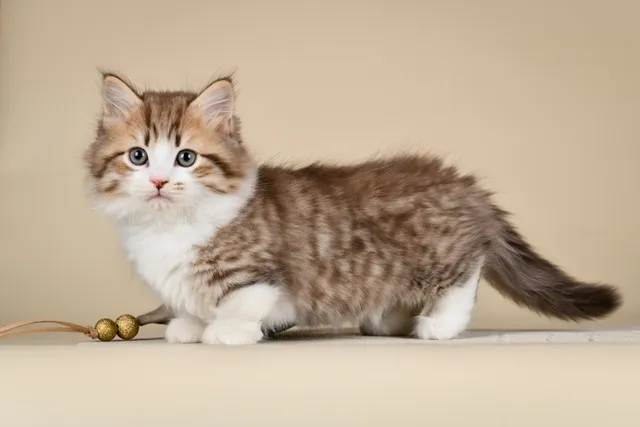
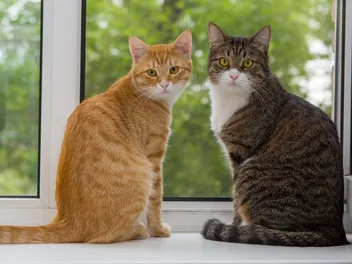
Tabby cats are some of the most easily recognizable in the feline world, with coats featuring subtle swirls and understated stripes. Most have ringed tails and an M on the forehead. But there are several distinct tabby patterns, including ticked, classic, and mackerel.
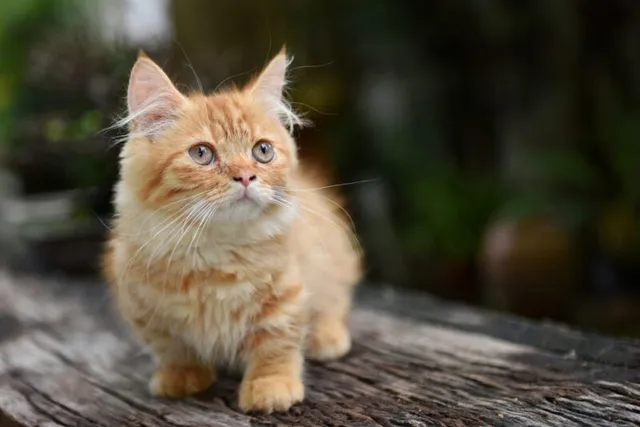
The tabby pattern can be seen in cats with gray, brown, and orange coats. Orange tabbies, in particular, are known for their easy-going personalities. They’re inclined to become highly attached to their favorite human. Orange tabbies are disproportionately male.
5. Bicolor

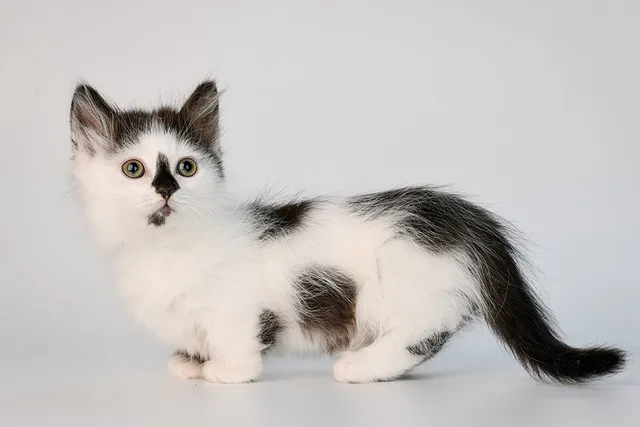
Bicolor munchkins feature two colors, most often white and another shade. Black and white bicolor cats are referred to as “tuxedos.” It’s common to see bicolor cats with white tummies, chests, and tail markings. Munchkin cats, including bicolor kitties, come in short and long-haired varieties.
Short-haired munchkin cats don’t require special grooming— just weekly brushings, daily teeth cleanings, and regular nail care. Long-haired Munchkins need a bit more attention in the grooming department, as they require daily brushing to prevent tangles and the development of itchy skin conditions.
6. Pointed

Pointed cats have solid coats set off by darker highlights around the ears and paws. Most also have a splash of the darker color at the tip of the tail. Siamese cats are the most famous pointed felines! The pattern is also found relatively frequently among Munchkin cats. Siamese-Munchkin mixtures feature rich pointed, creamy coats, and short legs.
Munchkin cats have been mixed with many breeds to create designer cats with distinctive characteristics. Napoleon is a Persian–Munchkin mix with long hair and a laid-back personality. The Bambino is a charming hairless Sphynx–Munchkin combination. It’s possible to find Munchkins featuring some of the most iconic attributes of several famous breeds, including Bengal and American Curl cats.
7. Tortoiseshell

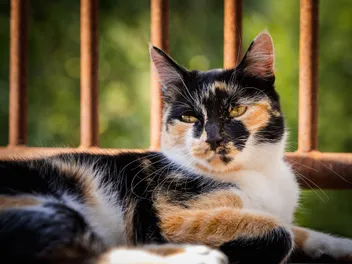
Tortoiseshell cats have complex two-toned coats that are said to resemble tortoise shells. They’re also known as “torties.” Tortoiseshell cats usually have red and back coats, but some feature soft white and golden-orange highlights. These beautiful cats are known for their outsized personalities, and they’re often described as having plenty of cattitude!
The majority of tortoiseshell cats are female. Male torties, if they survive gestation, tend to be sterile. There’s roughly one male tortie for every 3,000 females with the trait. But there’s nothing rare about the pattern, as it’s commonly found in feline populations worldwide.
8. Grey

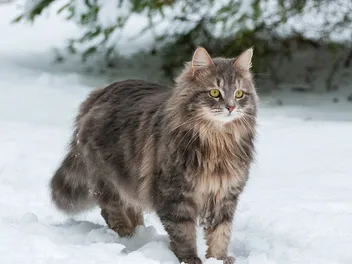
Gray cats are common, but they’re technically described as being blue. It’s possible to find cats that are solid gray as well as bicolor gray and white cats. Gray coats are a softened shade of black. Gray cats have two recessive genes that “soften” the intensity of the black in their coats.
The shade is found in several breeds, including Chartreux and Korat kitties. But it also regularly pops up among short-haired domestic mixes. Gray cats have a reputation for having gentle, calm personalities. There aren’t any specific health conditions associated with the coat color.
Conclusion
Munchkin cats come in several colors and patterns. They look just like other cats, except for their short legs. They tend to be energetic and sociable, often enjoying the company of people, dogs, and other cats. These close-to-the-floor cats love a good romp with a new toy and are known for their infectious curiosity. There are short and long-haired varieties, and even adorable mixes such as the Bambino.
Sources
Featured Image Credit: Twinsterphoto, Shutterstock
Expert cat care, straight to your inbox
News, insights, and useful advice, delivered to you.

No spam — unsubscribe anytime.
By signing up, you agree to our Terms & Conditions and Privacy & Cookies Policy.
How useful was this post?
Click a star to rate. You can leave written feedback afterwards. (We read all feedback.)
Lorre Luther is a writer who is firmly convinced that cats are smarter than humans. She left her law career in the United States and moved to the Netherlands to follow her dream of becoming a writer. Lorre currently lives in Rotterdam, she enjoys traveling and greatly appreciates the beauty of nature. Lorre has a spot for animals and admires the intelligence of cats.