Brown Munchkin Cat: Info, Pictures, Origin & Facts
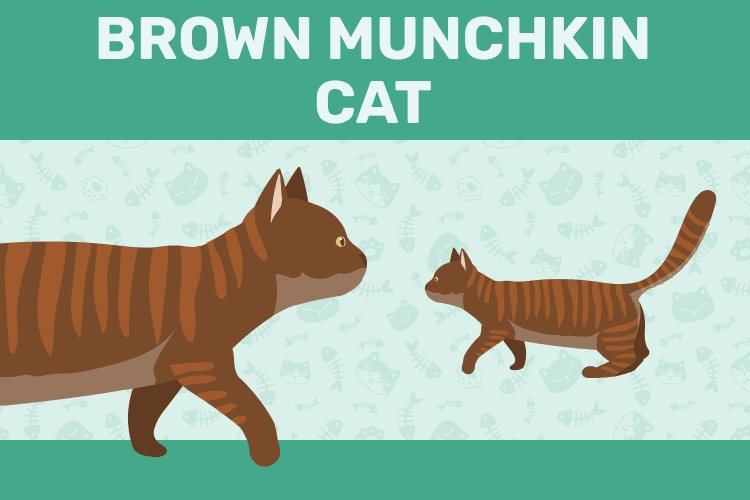
The Munchkin Cat was first intentionally bred in Louisiana, USA, in 1980, although domestic cats with short legs have likely been around for many centuries because the short legs are a result of a particular genetic mutation that can occur in almost any litter. It has become a popular cat breed since then because it is considered friendly and loving while having the unusual appearance of its short legs.
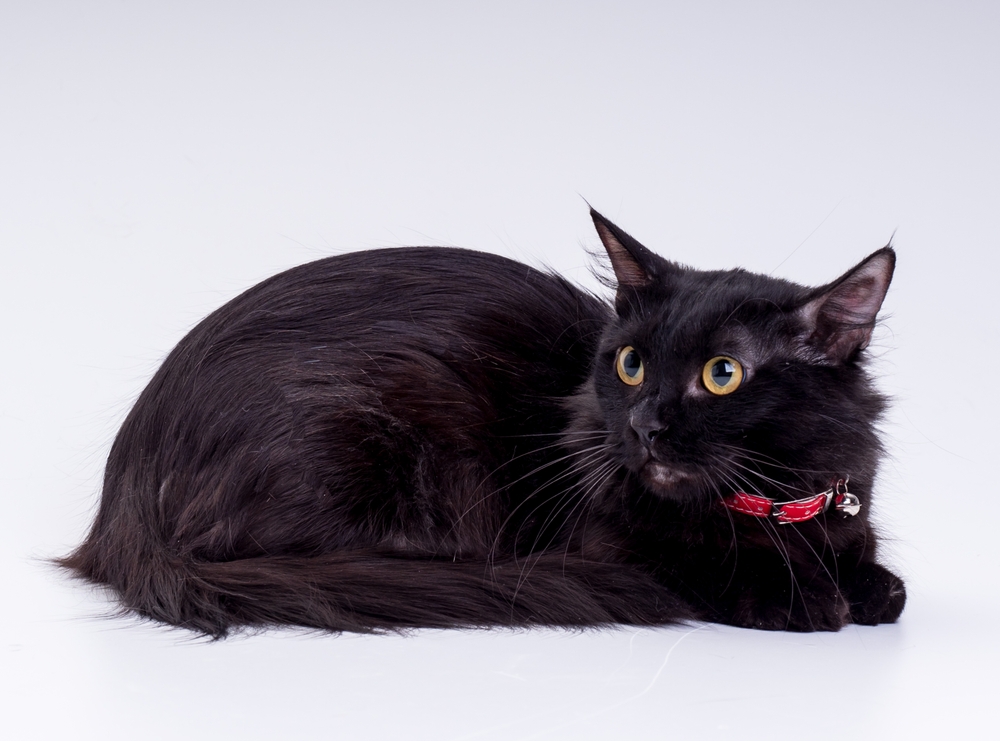
Brown is one of the recognized colors of the Munchkin breed, and it is recognized by most fancier groups and registries across the world, although not all groups recognize it.

The Earliest Records of Munchkin Cats
Cats with short legs, like the Munchkin, have existed for centuries because the short legs are caused by a genetic mutation that can occur in any litter of cats and result in some of the kittens from that litter being born with distinctive short legs. Although not all cats in the litter will be born this way.
However, it wasn’t until the 1980s that the Munchkin breed was intentionally bred. A music teacher in Louisiana rescued a dwarfed cat that gave birth to a litter of kittens—half of whom had the distinctive short legs of the modern Munchkin breed. Other than the short legs, the breed has the same physical characteristics as any other cat. The spine and other parts of the cat are the same.
How the Brown Munchkin Cat Gained Popularity
In 1991, the Munchkin breed appeared on a TV cat show held by The International Cat Association (TICA) and it grabbed the attention of potential owners. The breed itself is often referred to as the sausage cat, due to it having similar physical characteristics as the Dachshund breed of dog, which is commonly referred to as a sausage dog.
It is said to be friendly, intelligent, and loving, and this combination of traits, combined with its unusual look, means that the breed has some very keen followers, although it is still somewhat controversial because its appearance relies on intentionally breeding a genetic mutation.
Formal Recognition of Brown Munchkin Cats
Although the breed was first shown on TV in 1991, it wasn’t until 1994 that the Munchkin was officially recognized by TICA, however, following a recommendation by TICA’s Genetics Committee Chairperson who was, herself, a Munchkin breeder.
The acceptance of the breed was met with controversy because many people believed that the breed would suffer the same health and physical problems as the Dachshund due to its similar physical shape. Although TICA does recognize the breed, there are some groups and associations that do not. Most notably, the Cat Fanciers' Association refused to recognize the Munchkin.
Other associations that do not recognize the breed include the Federation Internationale Feline, the Governing Council of the Cat Fancy, and even the Australian Capital Territory.

Top 3 Unique Facts About Brown Munchkin Cats
1. Brown Is Just One of Many Colors and Markings
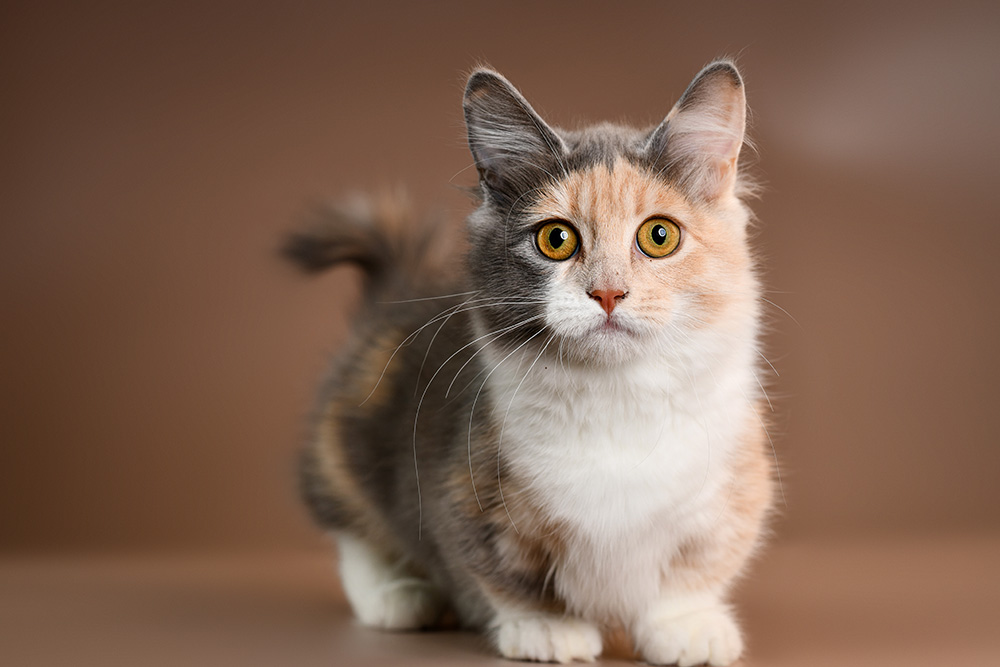
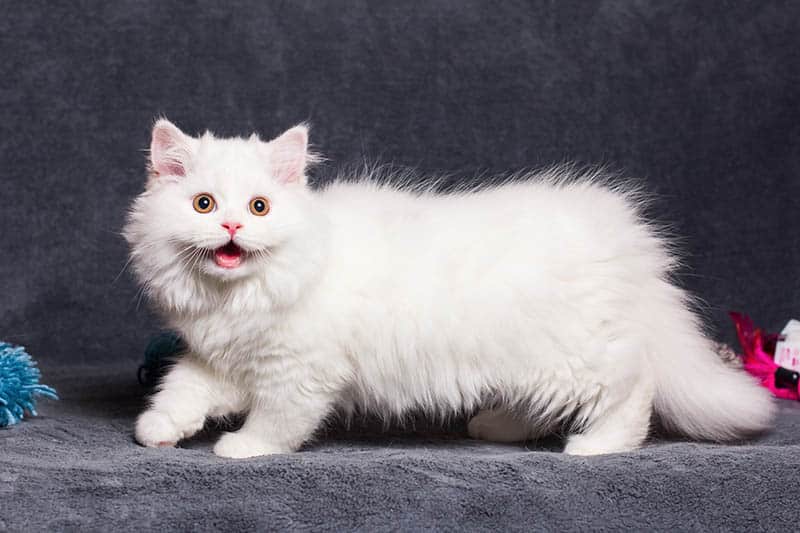
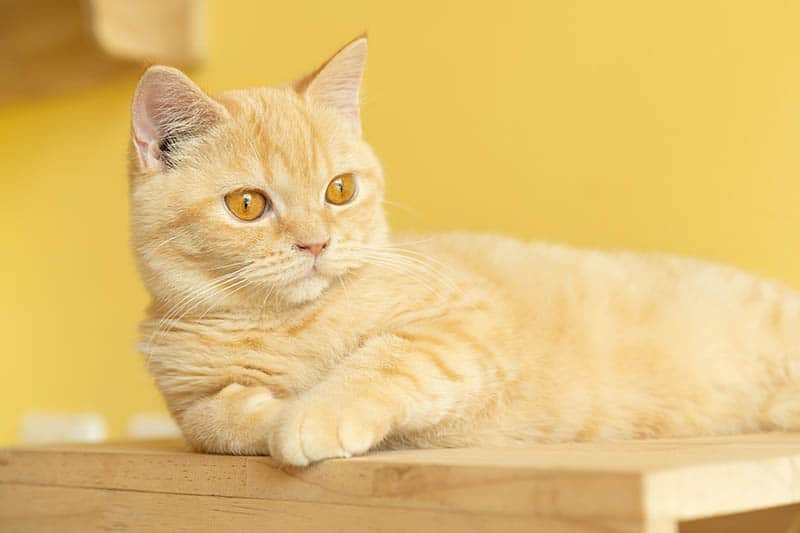
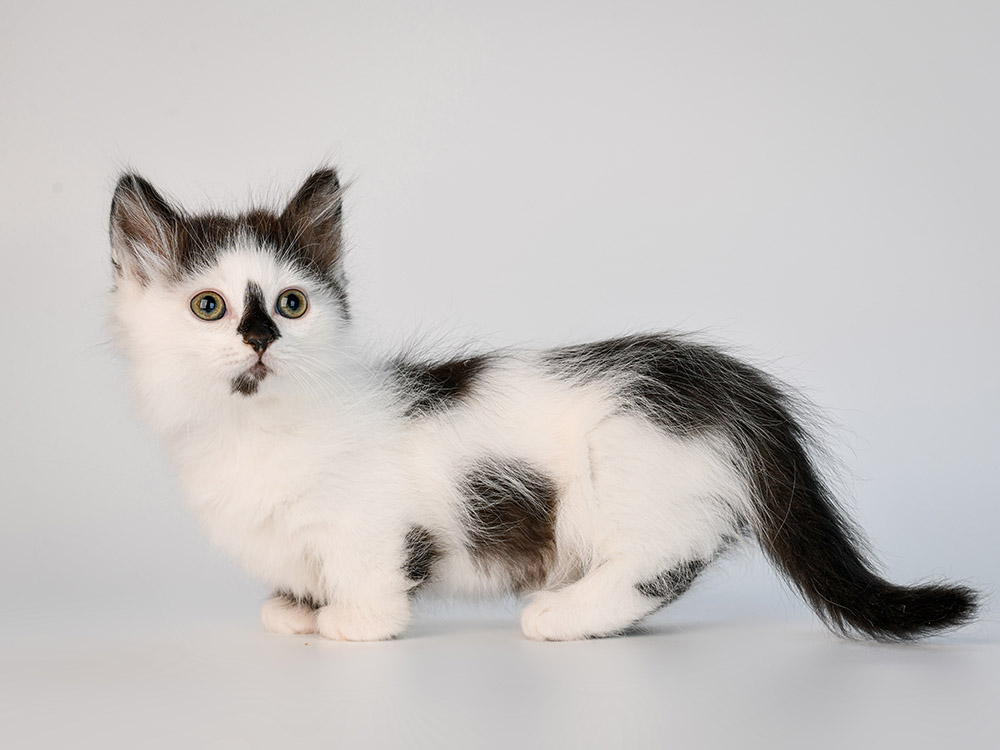
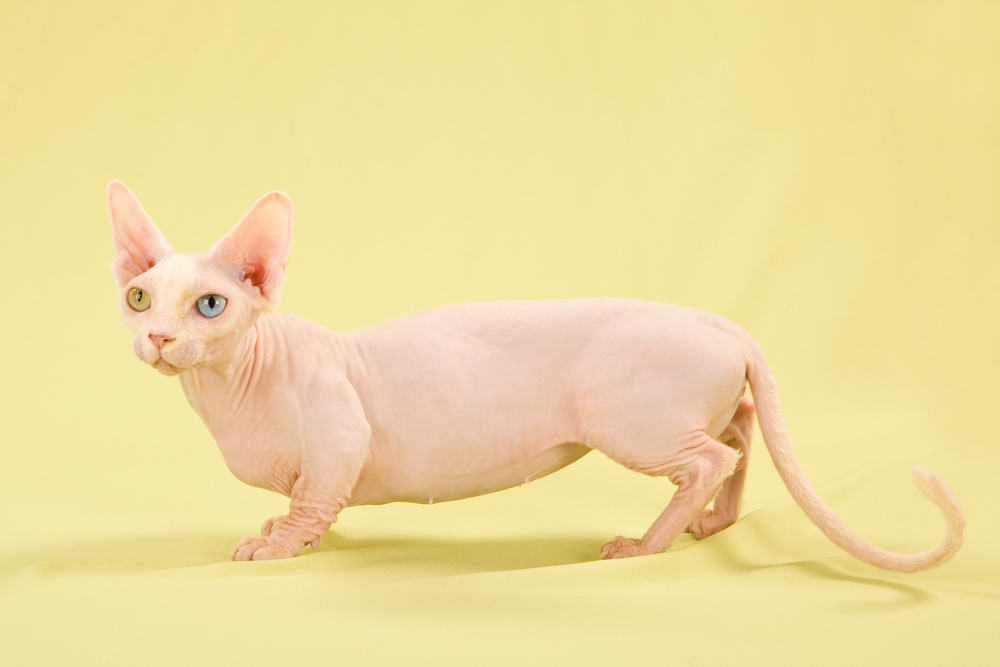
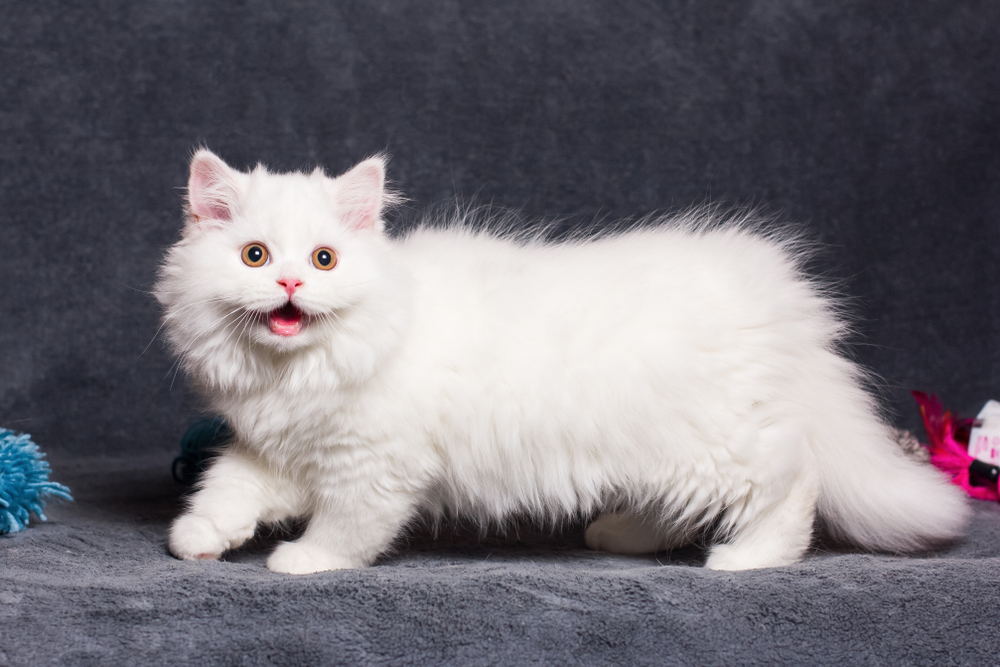
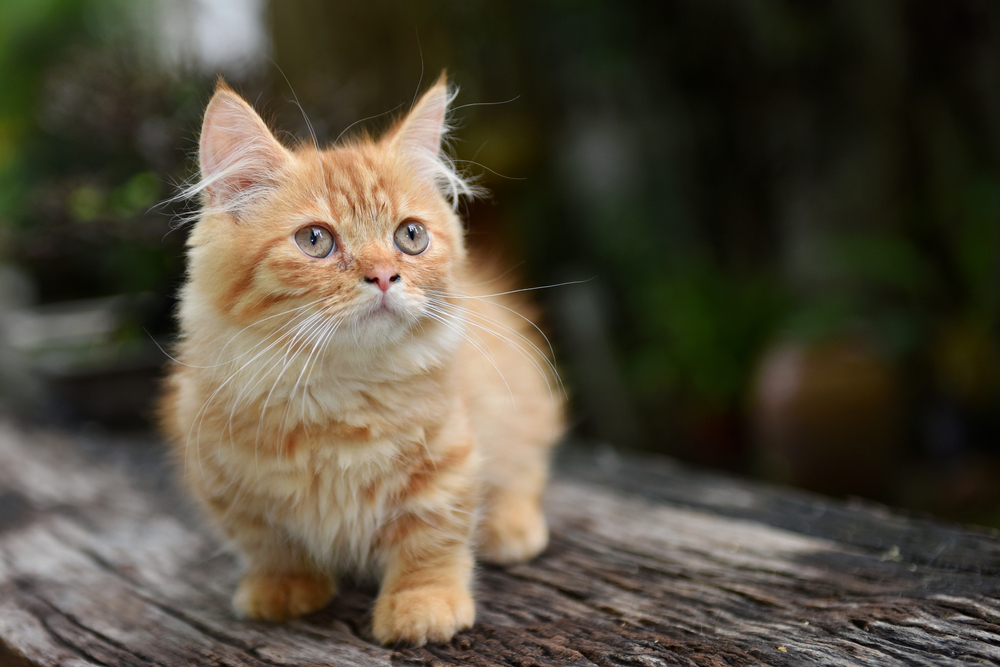
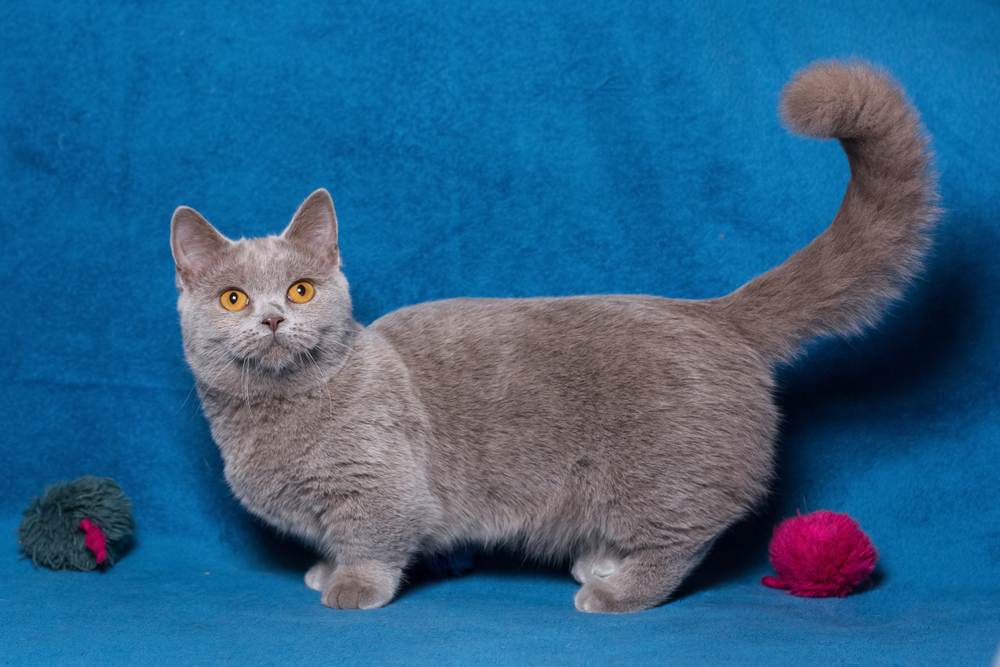
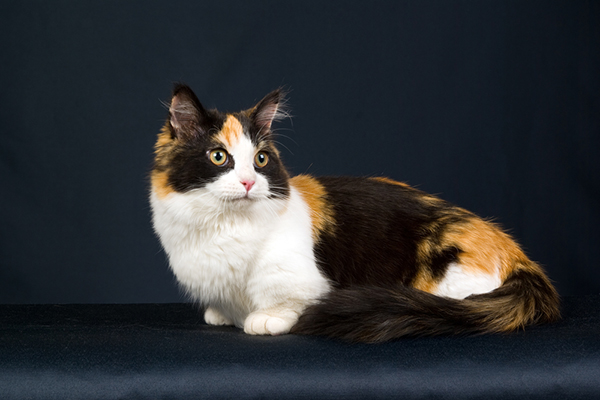
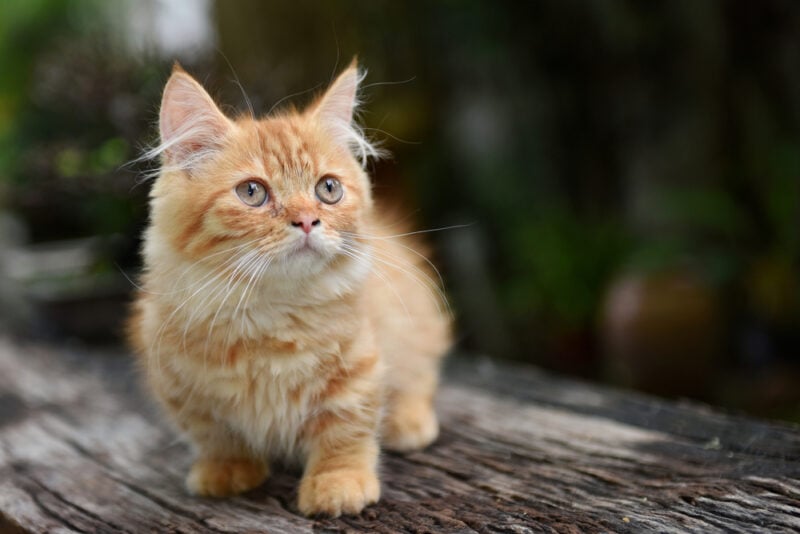
Munchkins are recognized and classified by their short legs. Typically, the front legs measure an average of 3 inches and the rear legs are either the same length or a little longer. However, the breed is not recognized for being a specific color and breeding requires a Munchkin cat and a cat that isn’t a Munchkin, so the resulting kittens can be any color or have any markings. White Munchkins are popular, and so too are tabbies, but brown is also a popular color of this unique breed.
2. The Munchkin Is a Record Breaker
It probably isn’t a surprise to learn that the Munchkin breed is the shortest cat breed. Individually, a Munchkin named Lilieput was officially recognized as being the world’s shortest cat, standing just 5¼ inches when it was recognized by Guinness World Records.
3. Two Munchkins Cannot Breed
The short legs of the Munchkin are a result of a genetic mutation and modern breeding techniques encourage the passing on of this gene. It is this that causes the controversy surrounding the breed and whether it should be recognized.
To breed Munchkins, one Munchkin cat must be bred with another cat that doesn’t have the Munchkin breed. The resulting litter will include Munchkin and non-Munchkin cats. The Munchkin gene is not sex-dependent, so either the mother or the father can be the Munchkin.
It is not possible to breed two Munchkins because this leads to a genetic mutation that usually proves fatal, which is another likely reason that a lot of fancier groups refuse the Munchkin breed.
Does a Brown Munchkin Cat Make a Good Pet?
Questions of genetic mutations and the efficacy of intentionally breeding cats to encourage those mutations aside, the Munchkin cat is known to make a good pet cat. It is a loyal and loving cat, and although it may not be able to jump to high surfaces, the mobility of the cat is generally not affected too badly by having short legs.
Although the breed is believed to be more likely to suffer some physical problems, it is not clear whether this is a result of its genetics, whether it is breed-specific or whether it is general health problems associated with multiple different breeds of cat.
Munchkins can be short- or long-haired, and while both varieties are generally low maintenance, the long-haired Munchkin will require more frequent grooming. Their short legs also mean that they do not have the same high-intensity energy requirements as some other breeds, but they do need to get ample exercise, especially to ensure that they do not become overweight.

Final Thoughts
The brown Munchkin is a color variant of the unique Munchkin cat breed, which is known for its short legs and often referred to as the sausage cat breed because of its similarity to the Dachshund, the sausage dog.
Although short-legged cats have been around for centuries, because they are a result of a genetic mutation, they were not intentionally bred until the 1980s. Having been first shown on TV in the early 1990s, they gained some popularity, but the intentional breeding of Munchkins is still somewhat controversial.
See Also:

Expert cat care, straight to your inbox
Vet-reviewed advice, behavior tips, and the best of Catster. Free, and you can unsubscribe anytime.
By signing up, you agree to our Terms & Conditions and Privacy & Cookies Policy.

Christian started writing for a local newspaper as a teenager, and he's been involved in the publishing industry for most of his adult life. Combining his love of writing with a passion for animals, he is currently the Director of Editorial at Pangolia and the Editor-in-Chief at Catster.
Christian lives in the Philippines with his wife, son, and four rescue cats: Trixie, Chloe, Sparky, and Chopper.
Join the conversation
Ask a question, share your story, or send private feedback.