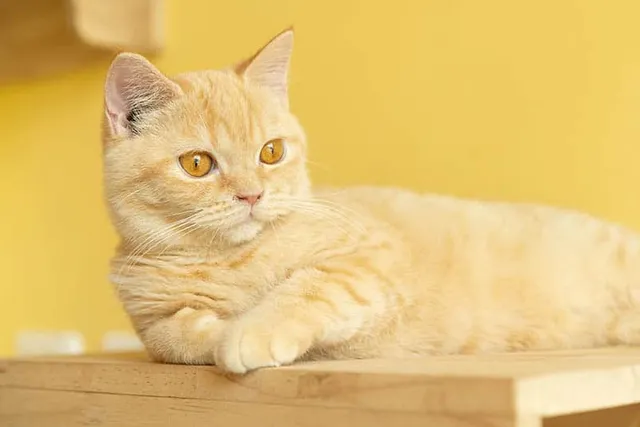
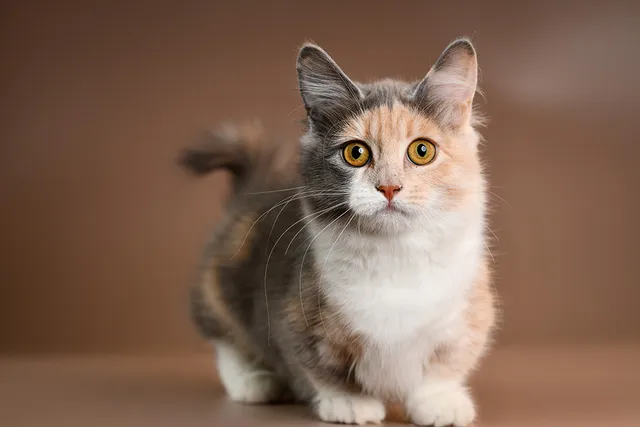
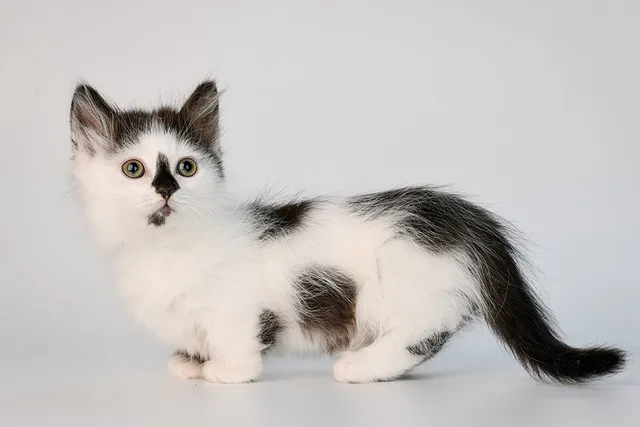
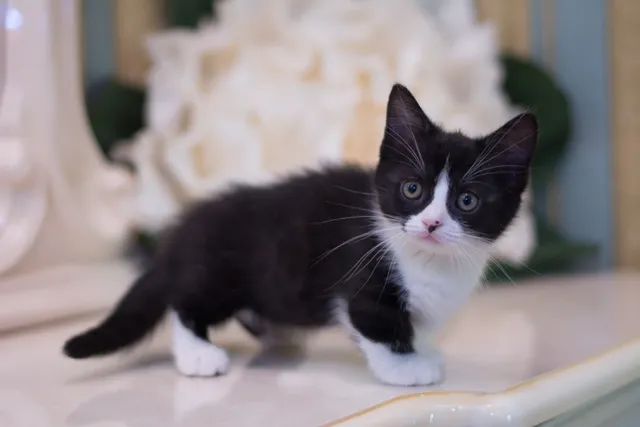
White Munchkin Cat: Info, Pictures, Facts & History
In this article
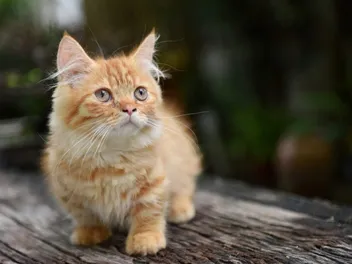
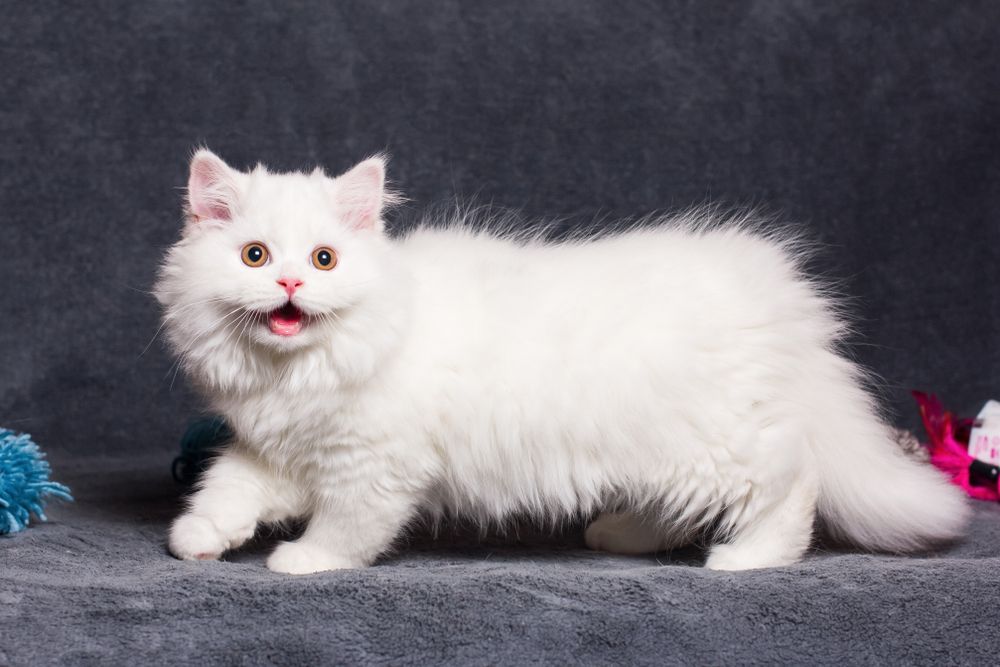
Owning a Munchkin cat is like owning a ferret and a cat simultaneously. They scurry around the house like little train carts, waiting to pounce on anything that catches their eye.
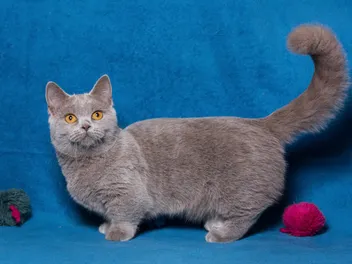
A unique genetic mutation causes dwarfism in these cats, which results in a stout but charismatic feline. The nice thing about these short-legged kitties is that the genetic mutation doesn’t hold them back. These cats pounce and play like any typical cat.
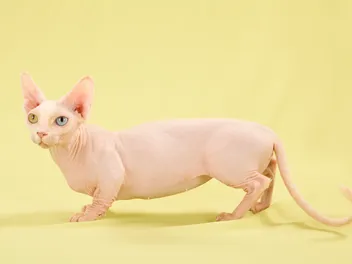
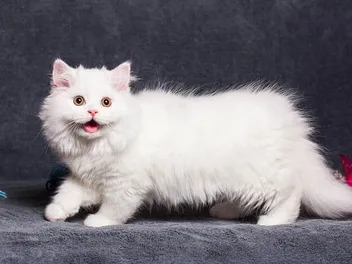
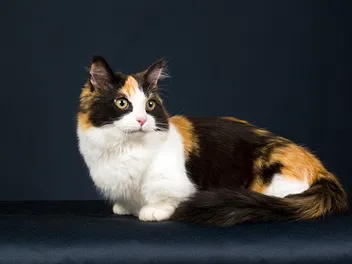
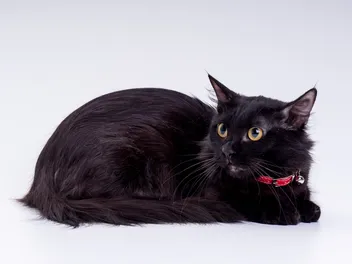
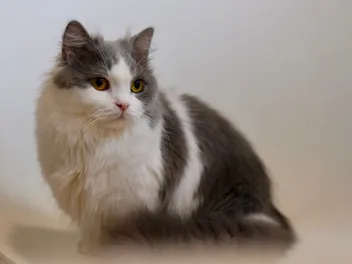
If you’re interested in owning a Munchkin cat, you can literally have your pick of the litter. They come in several coat colors and patterns, including all white, and are generally healthy if you buy from a reputable breeder.
That said, let’s get started with learning some facts and history about the white Munchkin cat.

The Earliest Records of the White Munchkin Cat in History
Munchkin cats aren’t exactly a new breed. Short-legged cats have existed throughout history worldwide, but documentation is scarce.
The first well-documented existence of a Munchkin cat was in 1944 by British veterinarian Dr. H. E. Williams-Jones. He listed four generations of short-legged cats, with one of those cats being a black 8-year-old cat. The other cats looked similar to her, and all were deemed healthy. The only difference between these four and normal cats was their short legs.

How the White Munchkin Cat Gained Popularity
The genetic mutation in cats causing dwarfism continued to pop up worldwide at different times and locations, but because of WWII, people didn’t track the mutation very well.
The few times it was recorded were in 1956 in Stalingrad, 1970 in New England, and again in Louisiana in the 1980s. It wasn’t until 1983 that the Munchkin cat started to gain popularity. Sandra Hockendel found a short-legged cat and named it Blackberry. She gifted one of Blackberry’s kittens to a friend, and the gene pool spread.
Eventually, white Munchkin cats came about from breeding white cats that carry the genetic mutation to maintain genetic diversity.
Formal Recognition of the White Munchkin Cat
The International Cat Association (TICA) accepted the Munchkin cat as a newly developing breed in 1994. All colors are accepted at this time. However, many cat associations refuse to recognize the Munchkin breed because of potential health concerns with its short stature.
Even so, the Munchkin cat achieved championship status with TICA in 2003 and the breed continues to grow in popularity.

Top 3 Unique Facts About the White Munchkin Cat
1. Munchkin cats love to run.
They may not be able to jump as high as other cats but don’t be fooled by their short legs. These racy cats love to chase and run faster than you’d think. Munchkin legs don’t hold these cats back!
2. Munchkin cats come with different leg lengths.
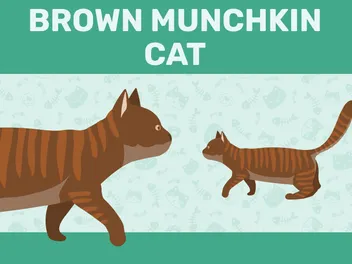
Munchkin cats have various leg lengths. Some legs are shorter than others, while some leg lengths can look close to normal cat legs. A Munchkin cat can still defend itself from predators with any leg length.
3. Napoleon cats come from Munchkin cats.
A Basset Hound breeder named Joseph Smith created the Napoleon Cat—a mix between the Munchkin and Persian cats.
Since the Munchkin Cat can have various leg lengths, he didn’t believe the breed differed enough from other long-legged breeds. So, in the mid-1990s, Smith created the Napoleon. He chose the Munchkin and Persian because their bone structure is solid, and they have beautiful coat colors.

Does the White Munchkin Cat Make a Good Pet?
Munchkin cats are well-known to have redefined the phrase “curiosity killed the cat.” These cats are highly sociable and love exploring the great unknown. There isn’t a nook and cranny in your house that your Munchkin cat won’t investigate. All of this exploration makes the Munchkin cat a very entertaining addition to the family.
Munchkin cats also do well around other animals and children. They’re cuddly, affectionate, and happily accept play invitations from other pets and people. As long as you find a Munchkin cat from a reputable breeder, your family will enjoy the company of a Munchkin cat, no matter their coat coloring.
Conclusion
These stubby-legged kitties are oohed and ahhed everywhere. We can’t blame people for wanting a Munchkin cat. These cats are adorable. Despite their short legs, Munchkins are like any other cat—self-assured, loving, and a little stubborn.
There is controversy about breeding Munchkin cats, so who knows what will happen to the breed in the future. We’re sure the breed isn’t going away any time soon. If you’re itching for a Munchkin cat in your life, source a reputable breeder to ensure your kitty's safety.
See Also:
Sources
Featured Image Credit: Sviatoslav Shevchenko, Shutterstock
Expert cat care, straight to your inbox
News, insights, and useful advice, delivered to you.

No spam — unsubscribe anytime.
By signing up, you agree to our Terms & Conditions and Privacy & Cookies Policy.
How useful was this post?
Click a star to rate. You can leave written feedback afterwards. (We read all feedback.)

Cassidy's journey from vet tech and professional pet sitter to pet writer showcases her lifelong passion for animals, both domestic and wild. Throughout the years, she has cared for many pets and enjoys writing about the animal-human bond. She and her husband have settled in Wichita, where they live with their German Shepherd, Raven, two cats, Lucy and Strudel, and a small flock of backyard chickens.