Munchkin Tabby Cat: Info, Pictures, Facts & History
In this article
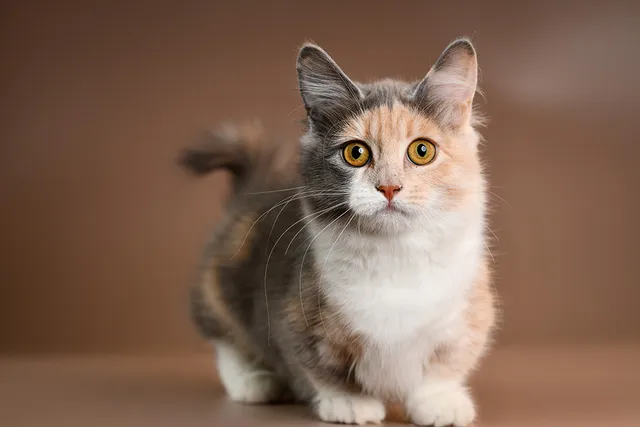
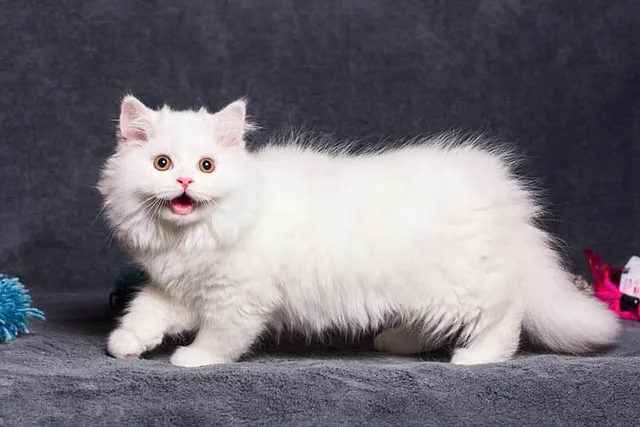
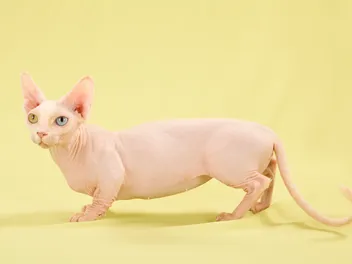
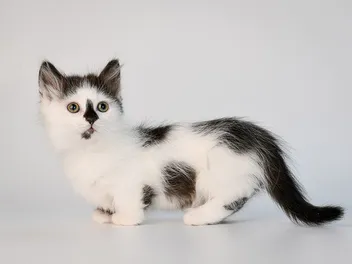
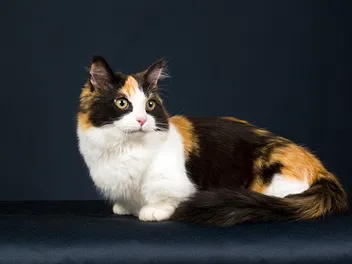
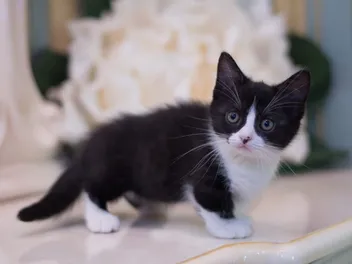
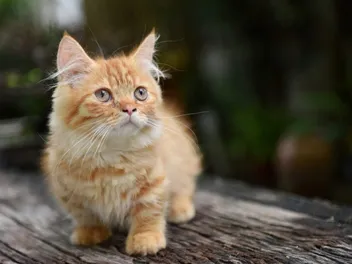
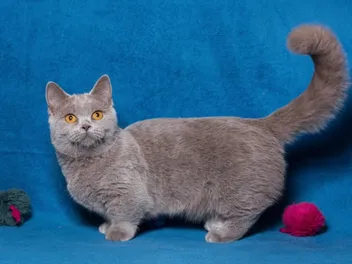
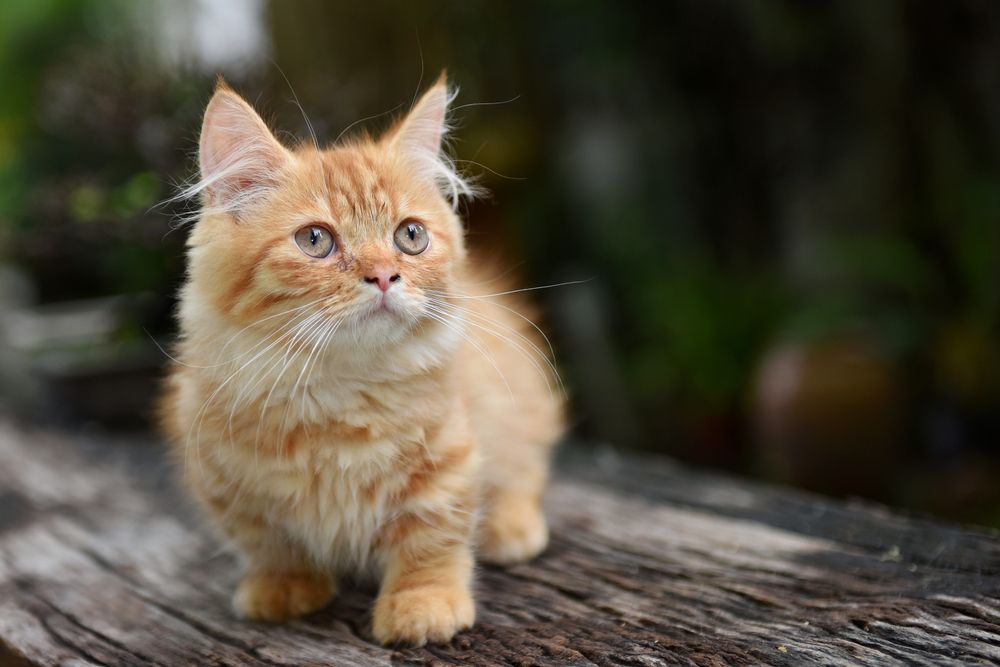
Munchkin cats are one of the most unique cat breeds; they’re also quite rare. They're actually a fairly new breed, having only been recognized in 1991. These cats are known for their small stature and short, stubby legs, which are actually caused by a genetic mutation. They’re often referred to as dwarf cats also. They have incredibly short muzzles and can have short or long coats.
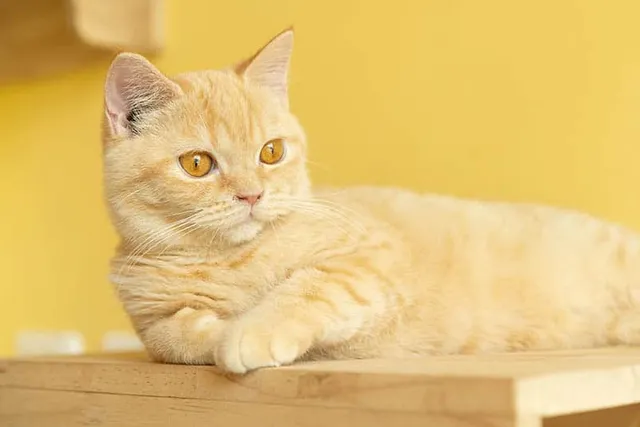
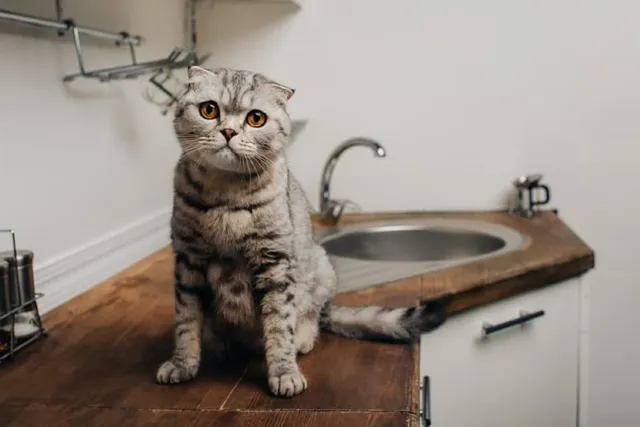
Munchkin cats have been gaining popularity over the past few years, and for a good reason; they’re a very sweet, sociable breed of cat that many people would love to have as a pet. The tabby pattern is one of the most common coat patterns among many cat breeds, including the Munchkin. If you want to know more about Munchkin tabby cats and their unique features, as well as facts and a breed history, keep reading.

The Earliest Records of Munchkin Cats in History
The Munchkin cat breed originates in the United States. The mutation that causes the Munchkin appearance was first discovered in 1983, although cats with short legs had been appearing as early as the 1940s.
After the first Munchkin cat was discovered, these cats started to be intentionally bred in an attempt to recreate the short-legged appearance. It’s important to note that the term “tabby” is used to refer to a cat’s coat pattern. So, it’s hard to say exactly when the tabby pattern first appeared within the Munchkin breed.
How Munchkin Cats Gained Popularity
Munchkin cats started to become popular when the breed was introduced to the public for the first time in 1991. People loved their unique appearance, and now these cats can be found all over the world. However, they are still a pretty rare breed due to being newer and because of some of the controversy surrounding these cats.
Because the gene that causes the Munchkin trait is dominant, people were concerned about breeding two Munchkin cats together and the potential for drastic health concerns. That being said, it was discovered that breeding Munchkin cats with other cat breeds doesn’t pose as many health risks. And because the trait is dominant, it still leaves a large number of kittens with short legs.
Breeding Munchkin cats with so many other breeds gave way to coat patterns and colors within the Munchkin breed. This is how Munchkin tabby cats were created.

Formal Recognition of Munchkin Tabby Cats
It took a lot of study and work by many different people to convince the public and cat lovers that the Munchkin breed was healthy as a whole. Their efforts paid off, and the Munchkin cat was first accepted by The International Cat Association (TICA) in 1994. It gained Championship Status from TICA in 2003. There are no requirements for the breed standard other than the short leg trait, which means that all coat patterns and colors are accepted, including tabby.
However, there are still concerns about the overall health of the breed resulting from the short legs, which lead many other international cat organizations to refuse to accept it. The Cat Fanciers Association, The Federation Internationale Feline, and The Governing Council of the Cat Fancy still don’t officially recognize Munchkin cats.
Top 5 Unique Facts About Munchkin Tabby Cats
1. The Munchkin name comes from The Wizard of Oz
The breed was named after the munchkins in this famous classic movie.
2. Early versions of this breed were known simply as “Mittens”
This is because they had short, stubby legs and short, stubby tails. Later versions of the breed were called “moggies” or “noddies” because they looked like little kittens.
3. They have long hair inside the folds of their ears
This happens even if the rest of their fur is short. This is done to help keep Munchkins warm when it’s cold out.

4. Munchkins are sometimes referred to as “sausage cats”
This is similar to Dachshunds being called “weenie dogs”
5. There are nine different tabby colors and patterns
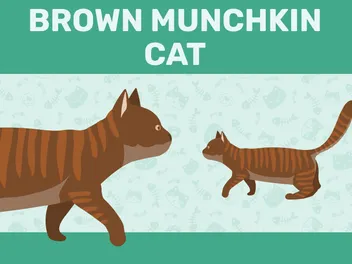
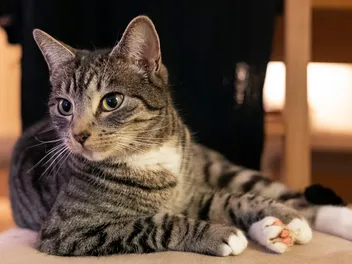
Many of which may be seen in the Munchkin cat. Some of the most common are the classic tabby, mackerel tabby, and spotted tabby.
Does a Munchkin Tabby Cat Make a Good Pet?
Munchkin tabby cats are the perfect choice for owners who want a small, quiet companion. These tiny felines can be found in a variety of colors and coat types, including gray, white, brown, and blue. They are also known for their inherent docility and love of human company. They’re also great around small children.
The Munchkin is a friendly breed that is known to get along fairly well with other dogs and cats. However, Munchkins should not be left outdoors, as it can prove difficult for them to navigate uneven terrain or escape from dangerous wildlife.
Essentially, they're indoor cats that love to hang around the home, playing and scratching on posts. But these tiny felines may not get along well with aggressive dogs and cats as they are pretty easy to intimidate and may stay hidden under beds and behind sofas in multi-pet homes.

Conclusion
The Munchkin tabby cat is a unique and beautiful cat breed. Their small stature is caused by a genetic mutation, and because of it, these cats require a very specialized diet regime and a watchful eye when they're small kittens. That being stated, they’re affectionate and friendly cats that make the perfect addition to any family. Munchkin tabby cats shouldn’t be that hard to find but be prepared to pay a lot for one if you do decide that one of these cats is right for you.
See Also:
Featured Image Credit: Phannasit, Shutterstock
Expert cat care, straight to your inbox
News, insights, and useful advice, delivered to you.

No spam — unsubscribe anytime.
By signing up, you agree to our Terms & Conditions and Privacy & Cookies Policy.
How useful was this post?
Click a star to rate. You can leave written feedback afterwards. (We read all feedback.)

Christian started writing for a local newspaper as a teenager, and he's been involved in the publishing industry for most of his adult life. Combining his love of writing with a passion for animals, he is currently the Director of Editorial at Pangolia and the Editor-in-Chief at Catster.
Christian lives in the Philippines with his wife, son, and four rescue cats: Trixie, Chloe, Sparky, and Chopper.