10 Munchkin Cat Facts: Origin, Appearance & More
If you are a first-time owner or someone that is just becoming familiar with the Munchkin cat breed, you may be curious about this much-loved breed. We already know they are adorable short-legged creatures, but are they playful? What about their origin and habits?
If you want to know more about this sweet feline, here are 10 incredible facts you may find interesting about Munchkin cats.

The 10 Munchkin Cat Facts
1. Munchkin Cats Have Unclear Origins
The most familiar Munchkin cat origin tale dates back to 1983 when Sandra Hochenedel of Louisiana found two pregnant cats under her car. She kept one, who she named Blackberry. Blackberry gave birth, and half the kittens had short legs, thus starting the Munchkin line.
However, according to The International Cat Association (TICA)1, Munchkin cats were first discovered toward the end of WWII. A British veterinarian described what could only be a Munchkin cat in a 1944 report. However, the cat did not have a litter, so supposedly, their line ended.
But in the 1950s, there were reports of Munchkin cats in Russia. However, there were no definitive reports of Munchkins later on.

2. They Have Small Legs but Big Personalities
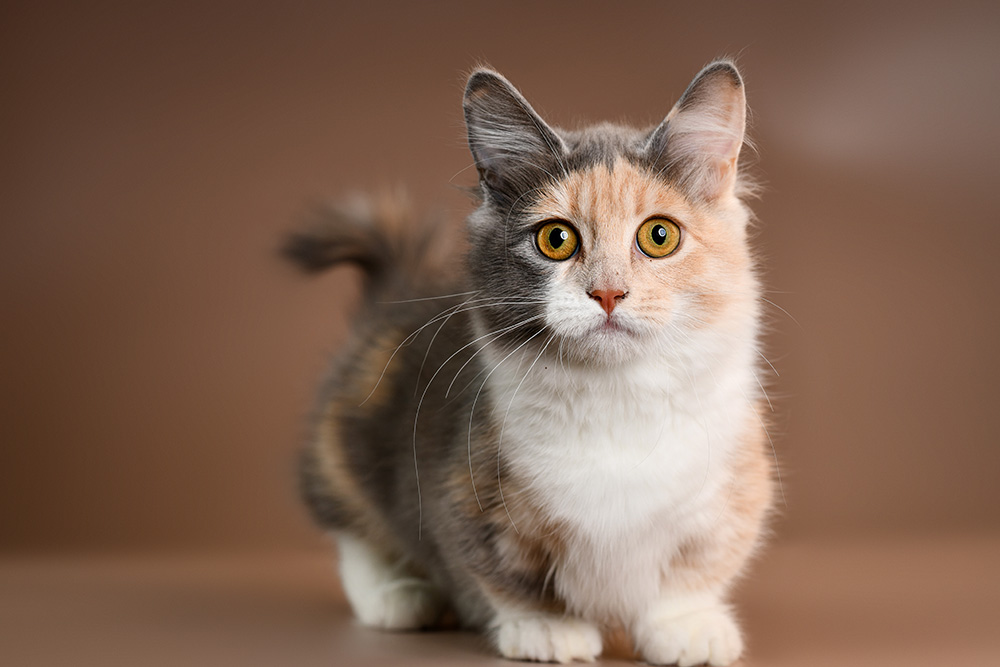
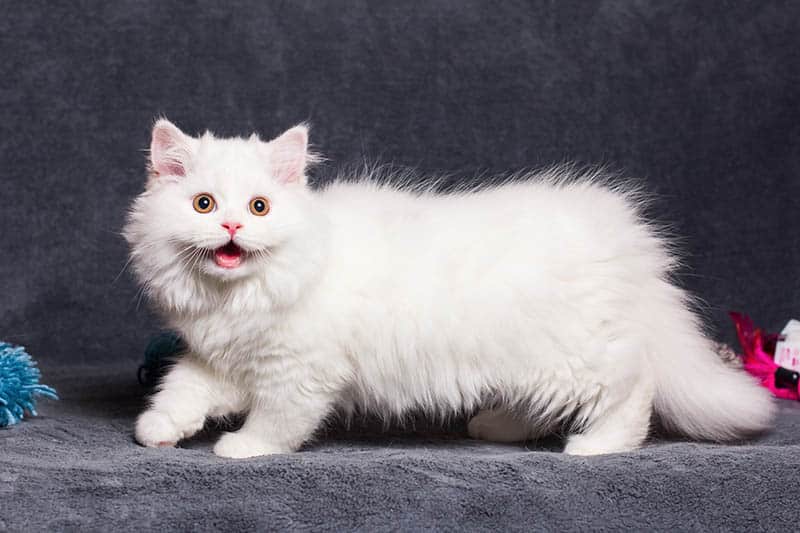
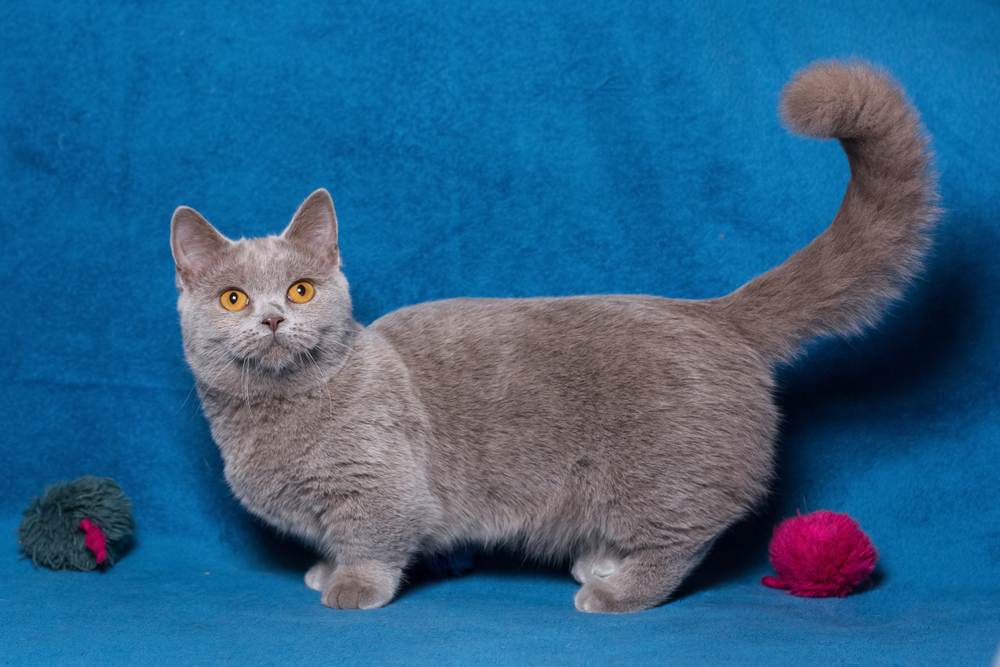
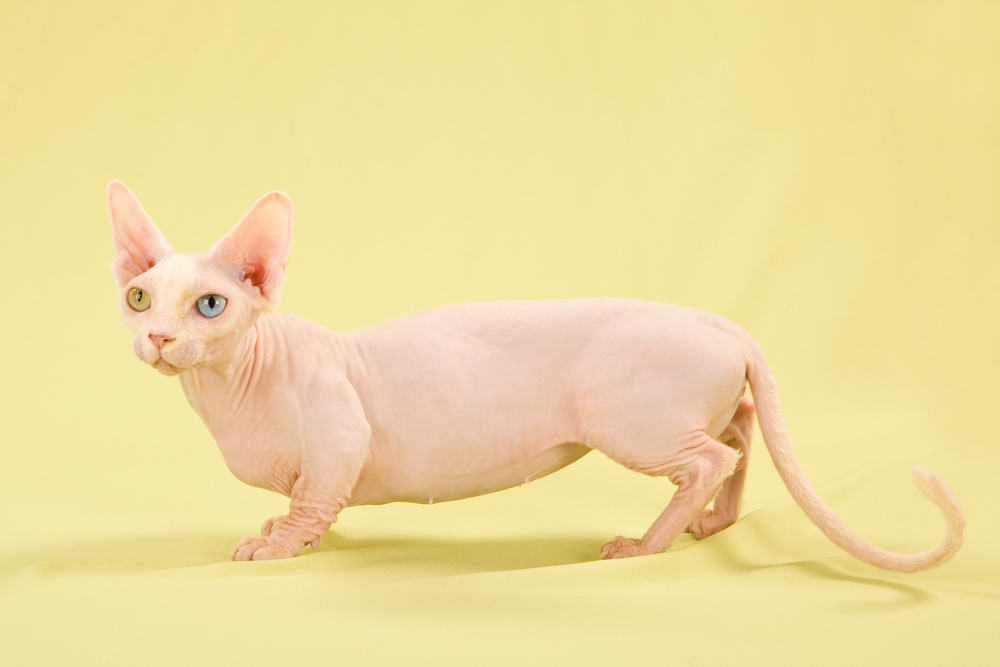
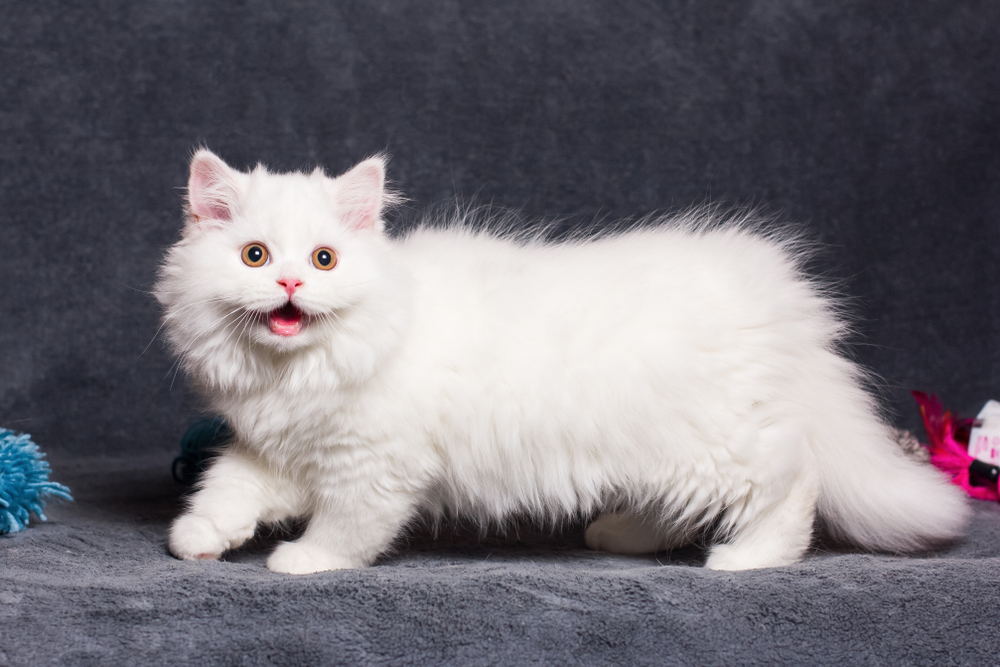
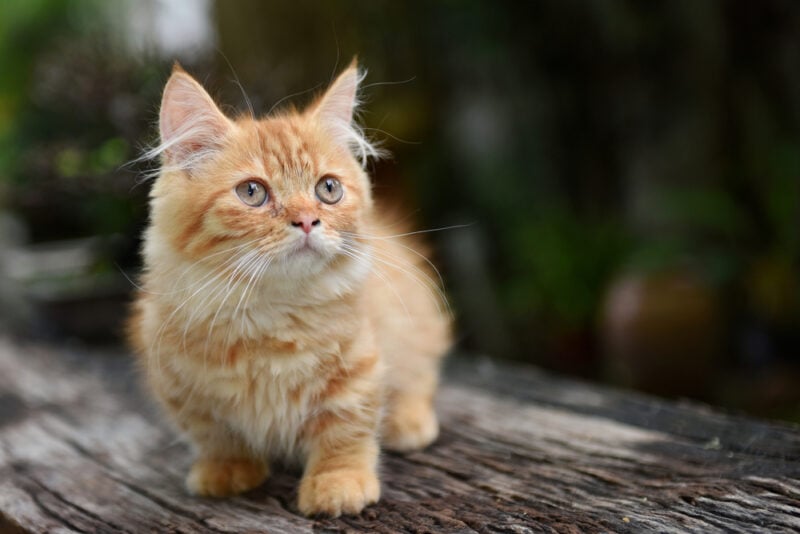
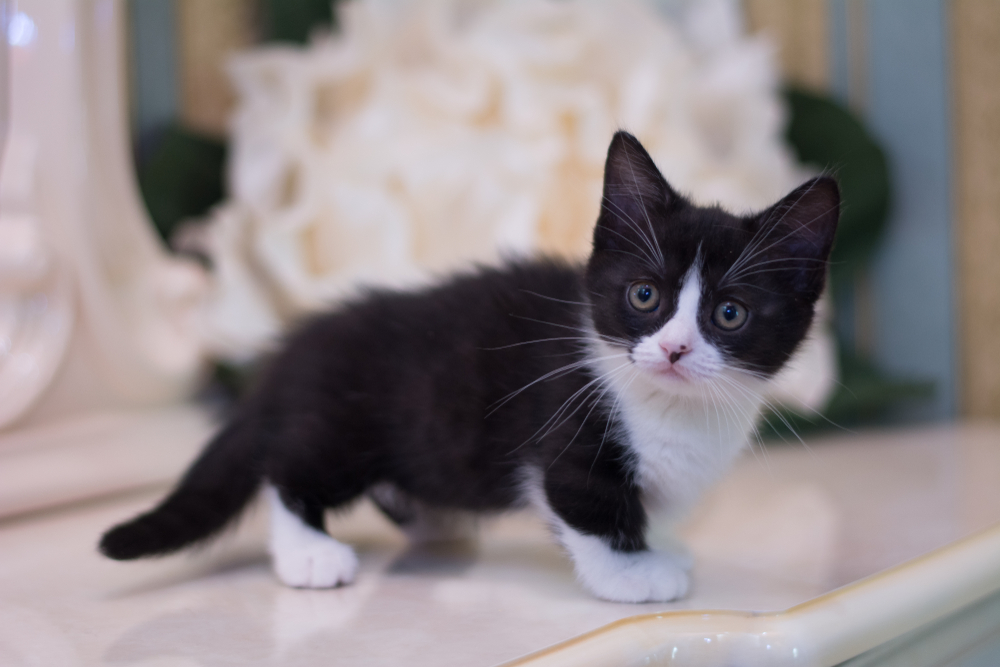
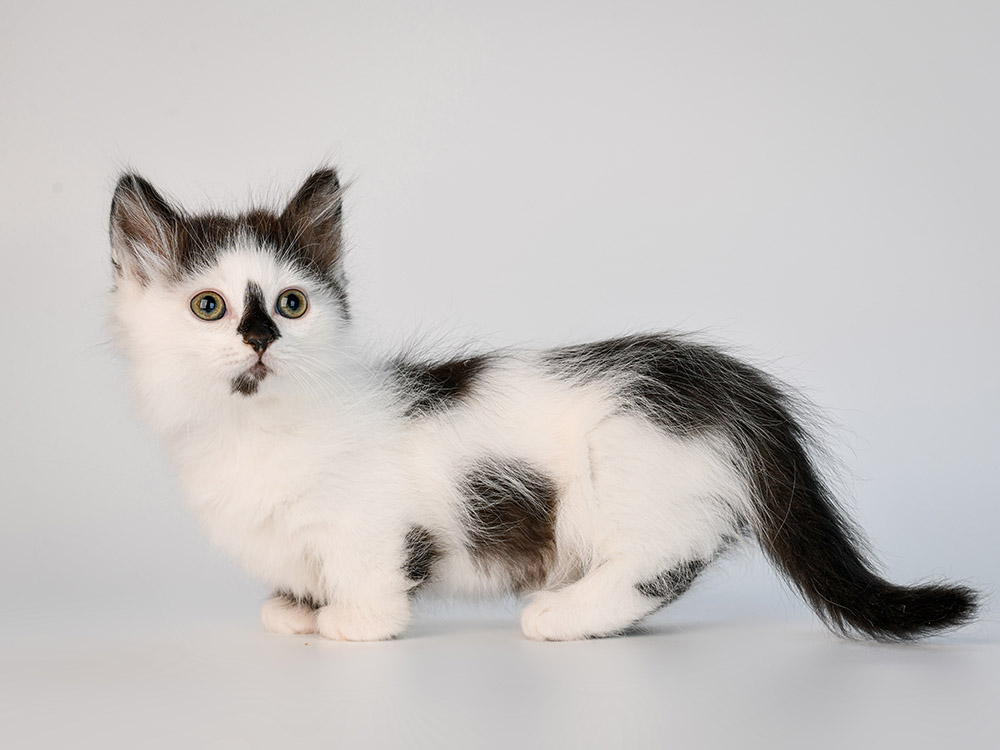
Like Corgis and Dachshunds, Munchkin cats have short, stubby legs. The cats are medium in size, with a trait that separates them from the rest, their cute stubby legs.
What they lack in leg size, they gain in personality. The felines have strong hunting instincts and like to hide treats and toys so they can hunt for them later. When they are not hiding treats and hunting, they can be found playing with other household pets, cuddling with their human, or taking a late morning nap.
3. Munchkin Cats Are Fast and Furious
Being short-legged cats doesn't mean that they are slow: the size of the legs does not affect the speed and agility of the Munchkin cat. They are exceptionally high energy, so they possess extraordinary speed. They hover close to the ground, so they have ample traction when they are running around. The breed's speed and ability to run around corners likens them to a race car, and the Munchkin cat can “round a corner like it is on rails.”

4. They're Not Good at Long Jumping
Although Munchkin cats can find a way to end up on your kitchen table or counters, their jump is not like a typical housecat. The extent of their jumping capabilities is limited. For instance, they may not be able to jump onto the tippy top of your kitchen cabinets or onto your bookshelves. However, if they want a drink of running tap water, they find a way to make it happen!
5. They Are Hoarders
Sometimes likened to that of a magpie, Munchkin cats like to hoard things that are shiny. They are known to steal, hide, and hoard shiny objects. If you have or plan to get a Munchkin kitty, hide your gold and silver. Munchkin cats are confident, have good taste, and like expensive things.

6. Munchkins Perch on Their Hind Legs
In the 1950s in Russia, Munchkin cats were referred to as “Stalingrad kangaroo cats” because of the way they perched on their back legs. Like bunnies, meerkats, and ferrets, Munchkins like to sit on their back legs. It gives them the ability to see whatever it is that has sparked their interest. Munchkins can perch up this way because their hind legs are longer than the front legs.
7. Their Curiosity Is Over the Top
One thing we know for sure is that cats inherited powerful survival instincts from their ancestors. The inherited trait makes them curious creatures. Munchkin cats are curious on another level, however. Their highly curious nature will have them exploring every nook and cranny in your home. When they set their sights on something, they need to investigate. It can be people, pets, or a box in the corner of the room. (hopefully not your jewelry box). Although their curiosity can be annoying at times, they are expressing their natural instincts to hunt and escape predators.

8. Munchkins Have Different-Sized Legs
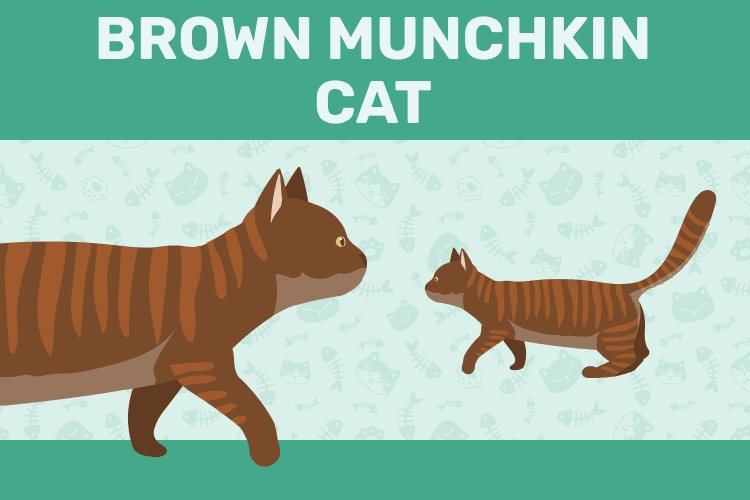
Munchkins are easily identified by their short legs, but not all Munchkin legs are created equal. Munchkin cats can have different leg lengths. They are the “rug-hugger,” which is the shortest and, to some, the cutest, the super-short, and the standard, which is the length of a normal leg.
They have been referred to by some as “midget cats” or “sausage cats” because of their small size.
9. They Are Award-Winning Cats
In 2013, a 9-year-old female Munchkin kitty named “Lilieput” won an award for the Shortest Cat in the World. Measuring 13.34 centimeters (5.25 inches), no other cat has broken the record to date. Lilieput was an adorable stray tortoiseshell Munchkin that was 2 years old when her owner adopted her.
This little cat wonder was also famous for escaping injury and death from an earthquake and living through a near-fatal pregnancy.

10. Two Munchkin Cats Cannot be Mated
Due to the complicated genetics of Munchkin cats, two Munchkins should not be mated. If two Munchkins are mated, the chances of the offspring dying is significantly high. For a Munchkin cat to produce healthy kittens, they should only be bred with cat breeds that have normal genetics and leg size.
The short legs of the Munchkin cat are the result of an autosomal dominant gene, also known as the “lethal gene.” In most instances, mating two cats with this dominant gene will result in a litter that cannot survive

Conclusion
Just reading about this little creature is enough to make you want to add one to your family. The adorable short-legged breed is fast, playful, and loveable. Although the feline's hoarding tendencies may have you searching for earrings from time to time, their curious personality will bring joy and happiness to your home for years to come.
See Also:
Sources
Featured Image Credit: MDavidova, Shutterstock

Expert cat care, straight to your inbox
Vet-reviewed advice, behavior tips, and the best of Catster. Free, and you can unsubscribe anytime.
By signing up, you agree to our Terms & Conditions and Privacy & Cookies Policy.

Christian started writing for a local newspaper as a teenager, and he's been involved in the publishing industry for most of his adult life. Combining his love of writing with a passion for animals, he is currently the Director of Editorial at Pangolia and the Editor-in-Chief at Catster.
Christian lives in the Philippines with his wife, son, and four rescue cats: Trixie, Chloe, Sparky, and Chopper.
Join the conversation
Ask a question, share your story, or send private feedback.