Get

In Your Inbox

Catster is reader-supported. When you buy via links on our site, we may earn an affiliate commission at no cost to you. Learn more.

Tortoiseshell Munchkin Cat: Info, Pictures, Facts & History

Share

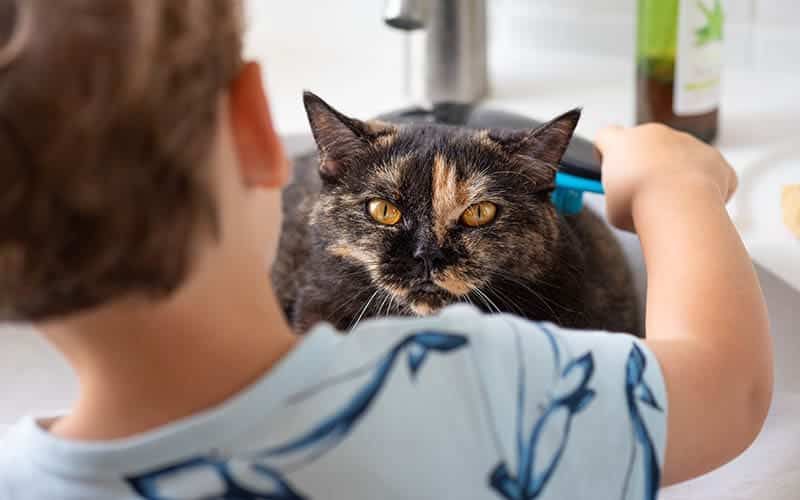
young child brushing a tortoiseshell british shorthair cat

The Tortoiseshell Munchkin cat is a unique and beautiful breed. While their short legs may make them appear dainty, these cats are actually quite hearty and full of personality. Note that tortoiseshell refers to a cat’s coat pattern, which is usually tricolor, and cats of almost any breed can have it. But if you’re considering adding a Tortoiseshell Munchkin to your family, read on to learn more about this special breed.

Breed Overview

Height:

6–9 inches

Weight:

6–9 pounds

Lifespan:

12–15 years

Colors:

Various coat colors and patterns

Suitable for:

Families with pets, families with older children, social lifestyles

Temperament:

Curious, friendly, intelligent, playful

Tortoiseshell Munchkin Cat Characteristics

Energy
+
A high-energy cat needs a lot of physical and mental stimulation to keep healthy and happy, while a low-energy cat needs minimal physical activity, but still needs mental stimulation. When choosing a cat, It’s important to ensure their energy levels match your lifestyle.
Trainability
+
Cats that are easy-to-train are more willing and skilled at quickly learning prompts and actions with minimal training. Harder-to-train cats are usually more stubborn or aloof and require a bit more patience and practice.
Health
+
Certain cat breeds are more prone to various genetic health problems, and some more than others. This doesn’t mean that every cat in those breeds will have these issues, but they do have an increased risk, so it’s important to understand and prepare for any additional needs they may require.
Lifespan
+
Due to their size or potential genetic health issues of a specific breed, some cats have shorter lifespans than others. Proper nutrition, exercise, mental stimulation, and hygiene also play an important role in your cat’s lifespan and quality of life.
Sociability
+
Some cat breeds are more social than others, both towards humans and other cats and animals. Cats that are more social have a tendency to rub up on strangers for scratches or jump on laps for cuddles, while cats that are less social shy away, hide, are more cautious, and even potentially aggressive. No matter the breed or gender, it’s important to socialize your cat and expose them to many different situations.

divider 2 cats

The Earliest Records of the Munchkin Cat in History

The Munchkin cat breed was believed to have been the result of a natural genetic mutation that gave them their characteristic short legs. According to The International Cat Association (TICA), the first short-legged cats were described by a British veterinarian in a 1944 report, with the only difference between these cats and normal cats was their short legs, but the line of cats described in this report ended in WWII.

Other short-legged cats were discovered in Stalingrad in 1956 and New England in 1970. But the Munchkin breed as we know it today originated in Louisiana in 1983 when a woman named Sandra Hockenedel found a pregnant short-legged cat.

She named the cat Blackberry and gave one of the male cats from Blackberry’s litter to her friend. These two cats were bred with normal domestic cats in order to diversify the gene pool. Blackberry and one of her kittens were the foundation for all Munchkin cats today.

Formal Recognition of Munchkin Cats

After almost 10 years of studying the cats’ pedigrees for consistency, genetics, and health, the Munchkin cat was officially recognized by the International Cat Association (TICA) in 2003. But many other organizations, including the Cat Fanciers’ Association, don’t recognize the Munchkin breed because of ethical concerns that come about from intentionally breeding Munchkin cats.

Characteristics of the Tortoiseshell Munchkin Cat

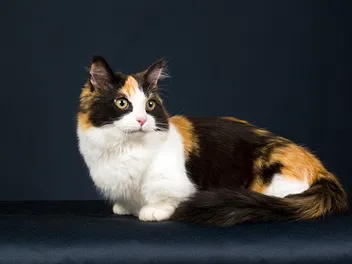
The characteristics of the tortoiseshell Munchkin cat are as follows:
  • Size — These cats are typically 9 to 12 inches long and 4 to 6 pounds in weight.
  • Head — The head is medium in size and is slightly rounded with a short, blunt muzzle. The eyes are large and wide-set. The ears are medium in size and are set high on the head.
  • Body — The body is medium in length and is muscular with short legs.
  • Coat — The coat can be of any length and is dense and soft.
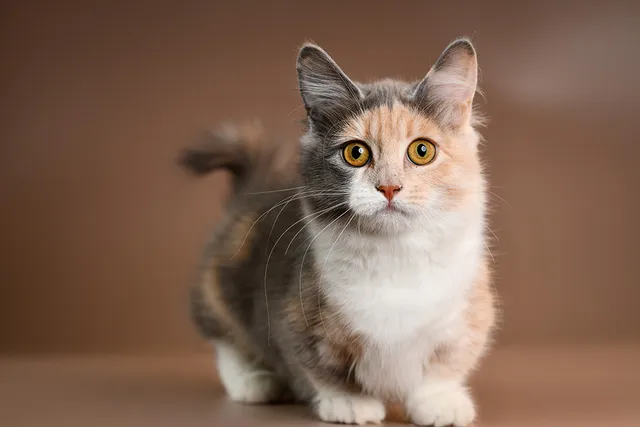
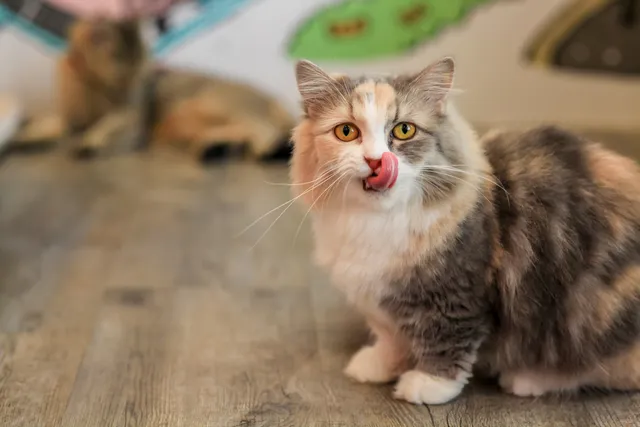
  • Pattern — The tortoiseshell pattern is created by patches of black and orange fur. Depending on who you ask, these cats may also have white markings on their chest, belly, and paws.
  • Temperament — Munchkin cats are typically active and playful. They are also known for being loving and affectionate with their family and friends.
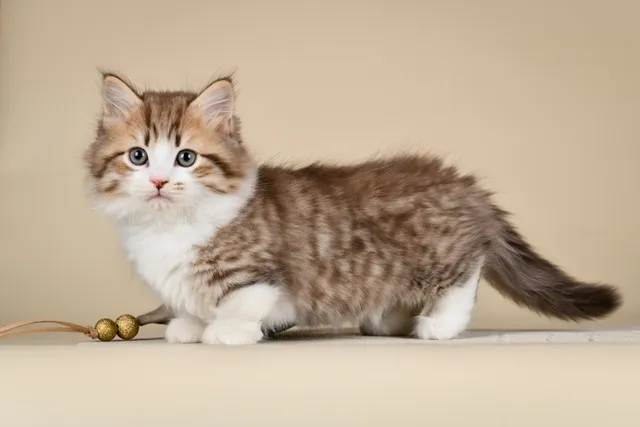
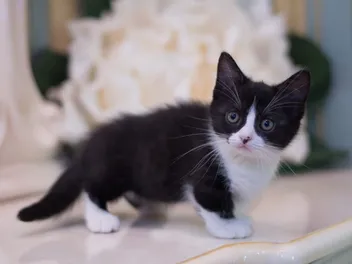
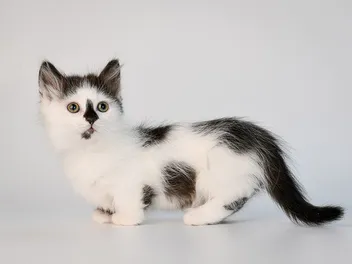
Lovely munchkin kitten playing
Image Credit: Sviatoslav_Shevchenko, Shutterstock

How Tortoiseshell Munchkin Cats Gained Popularity

The Munchkin cat gained popularity when they were introduced to the public in 1991 in Madison Square Garden. People loved their short stature and unique appearance. It is likely that tortoiseshell Munchkins are popular due to their coloring combined with their short stature, making them even more unique.

The Munchkin cat was accepted into TICA’s new breed development program in 1994.

divider 1 paws

Top 4 Unique Facts About Tortoiseshell Munchkin Cats

1. Tortoiseshell Munchkin cats are mostly female.

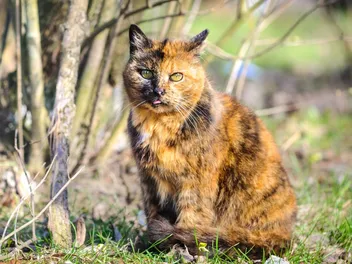
Tortoiseshell cats have fur that is a mixture of orange and black patches. Just as in the case of calicos, tortoiseshells are nearly always female.


2. Munchkin cats are named after their short legs.

The breed’s name was inspired by the Munchkin people in The Wizard of Oz. These cats typically have legs that are one-third to one-half the length of a normal cat’s legs.


3. Tortoiseshell Munchkin cats get their short legs from a genetic mutation.

The original genetic mutation is natural, and the original short-legged cats were accidental. But breeders took advantage of the mutation and started intentionally breeding cats with the mutation to create the Munchkin breed today.


4. Breeding Two Munchkin Cats Together Can Be Fatal for the Kittens

Breeding two cats with the Munchkin mutation can lead to non-viable embryos if they inherit the Munchkin trait from both parents, meaning the kittens will not survive because the Munchkin trait is dominant. Munchkin cats must be bred with a normal cat in order to produce viable and healthy kittens, but even then, not all of the kittens in a litter will have short legs. This is why many cat breed organizations won’t recognize the Munchkin cat, as there is a potential for health concerns when breeding them.

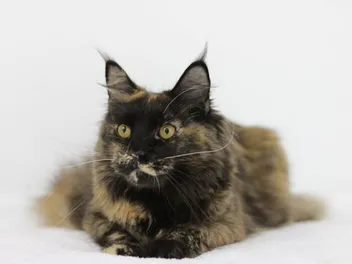
tortoiseshell cat
Image Credit: Mrdidg, Pixabay

divider 1 paws

Do Tortoiseshell Munchkin Cats Make a Good Pet?

Tortoiseshell Munchkin cats make excellent pets. They are affectionate, playful, and good with children. These cats do require some special care, however, due to their short legs. Tortoiseshell Munchkin cats should not be allowed to jump or climb too high, as this can cause injuries to their legs.

It is also important to keep an eye on their diet and make sure they get enough exercise. Tortoiseshell Munchkin cats are also susceptible to colds and respiratory infections, so it’s vital to keep them warm during the winter months.

Do Tortoiseshell Munchkin Cats Get Along With Other Pets?

Tortoiseshell Munchkin cats generally get along well with other pets. They are typically loving and affectionate with their family and friends. However, due to their short legs, it’s important to supervise them around other animals, as they may be injured if jumped or stepped on.


divider 2 cats

Conclusion

The tortoiseshell Munchkin has been capturing the hearts of cat lovers in the U.S. since the 1990s. These unique cats are known for their short legs, loving personalities, and beautiful coats. If you are considering adopting a Tortoiseshell Munchkin cat, be sure to find a reputable breeder who can provide you with a healthy kitten, and you’ll have a new best friend.

See Also: 


Featured Image Credit: Tommy Larey, Shutterstock

Want content like this delivered to you?

Sign Up For Our Newsletter

News, insights, expert advice, and everything cat

* By submitting, you agree to our Terms & Conditions and Privacy & Cookies Policy.


How useful was this post?

Click on a star to rate (you can leave written feedback after clicking submit)

Help us improve Catster for pet parents!

Your feedback really matters.

What did you like about this post? Also how can we improve it?

Join the conversation

Leave a Reply

You’re very welcome to leave a comment or question. Please know that all comments must meet our community guidelines, and your email address will NOT be published. Let’s have a positive and constructive conversation.


Talk With A Vet Online

Peace of mind,
anywhere, anytime

Affordable vet advice

The Cat Biting Mistakes Most Owners Make (And What Works Instead)

Cat bites sent more than 400,000 people to emergency rooms in the US each year.1 Not scratches. Bites. And the reason they’re so...

Do Cats Cause Schizophrenia? Scientists Find a Link – Here’s What It Means

Being a fierce advocate (and occasional recipient of) mental health support and awareness, the term ‘crazy’ is not one I like to fling...

One in 100 Cats Gets Diabetes – Here’s How to Catch It Early

One in every 100 cats develops diabetes.1 That’s not a rare, unlucky condition reserved for cats with obvious health problems. It’s common enough...

Dramatic Rescue Turns Into Dramatic Reunion

What started as a routine call for the RSPCA became a heroic, five-hour rescue featuring one trapped and traumatized cat, an emotional family...

More related

How to Get Your Cat Into Commercials: 5 Tips to Make Your Pet a Star

There’s no denying that any pet cat can be a wonderful companion. However, some have special star quality or possess a strong work...

Treating Ear Mites in Cats: Vet-Approved Tips & Tricks

Cats have incredible ears! Their hearing range is over 10 octaves, more than dogs or humans, and they have 32 muscles in each...

Donskoy Cat Breed: Info, Pictures, Temperament & Traits

If you’re a cat lover looking for a feline companion who’s charismatic and intelligent, the Donskoy breed might be the perfect fit for...

Oskar the Blind Cat Rallies for Special-Needs Pets: Interview with Mick Szydlowski

Editor’s note: This post was originally published in October 2016. We’re publishing this post again in memory of Oskar the Blind Cat, who...

Keep reading

8 Best Automatic Cat Feeders in Canada in 2026 – Reviews & Top Picks

Automatic cat feeders are a convenient way to feed your cat. They might seem like gadgets designed for lazy cat owners, but they can actually be very helpful. Cats do best when fed on a schedule, and automatic feeders can...

cat eating food from automatic feeder

Can Cats Eat Duck? Vet-Approved Nutritional Facts & FAQ

Cats are obligate carnivores, which means they need meat in their diets to get all the nutrients they need to survive, such as vitamins and minerals. Animal protein is essential for their overall well-being, but is all meat safe for...

Can Cats Eat Duck

My Cat Has Fleas! How Do I Clean My House? Vet-Approved Advice & Best Practices

No matter how much you may try to prevent it, sometimes cats get fleas. This can even occur if your cat doesn’t go outside. Fleas can get in through open windows, so if your cat likes to lounge in the...

vet holding magnifying glass searching cat fleas over a grey and orange cat

Is Human Lotion Safe for Cats? Vet-Reviewed Safety & Toxicity Explained 

If your cat has dry skin, you may be wondering if you can apply a bit of your own lotion to ease their discomfort. As much as you want to help your cat, human lotion and other personal care items...

Catster_Is Human Lotion Safe for Cats

Social Pets CBD Hemp Oil Review (2026): Pros, Cons & Verdict

Social CBD manufactures a variety of products containing cannabidiol (CBD), a natural plant compound that’s been in the news a lot in the last decade. CBD is the second most prevalent active ingredient in marijuana and is derived directly from...

Social Pets CBD Hemp Oil

Can Cats Eat BBQ Sauce? Vet-Reviewed Facts

Firing up your grill for a barbecue dinner, lunch, or snack is a delicious way to enjoy a meal. However, most barbecues typically involve cooking meat, which is likely to interest your cat. Most meat, particularly if it isn’t seasoned,...

Can Cats Eat BBQ Sauce

Is Schefflera Toxic to Cats? Vet-Verified Facts & Safety Guide

Schefflera are popular subtropical plants that are commonly grown indoors. These pretty houseplants feature oval leaves that appear to drop from a central stem. Some people think the leaf configuration resembles an umbrella. Hence this beautiful houseplant’s most common other...

Catster_Is Schefflera Toxic to Cats

How to Prevent Tick Bites on a Cat: 6 Vet-Approved Methods

The winter season will soon be winding down, and the warmer temperatures will descend. If you have a cat, you know that spring and summer are prime tick seasons. It’s no fun having to get a tick off your cat...

large kitten or cat getting tick or flea treatment

Love Cats? So Do We! Join the Catster Community

Stay informed with expert pet care insights delivered straight to your inbox! Discover professional guidance on animal behavior, feeding tips, trusted product picks, and much more.


Sign up for the Catster Email Newsletter

Stay informed with expert pet care insights delivered straight to your inbox! Discover professional guidance on animal behavior, feeding tips, trusted product picks, and much more.