Get

In Your Inbox

Catster is reader-supported. When you buy via links on our site, we may earn an affiliate commission at no cost to you. Learn more.

Tortoiseshell Persian Cat: Info, Pictures, Origins & History
Share

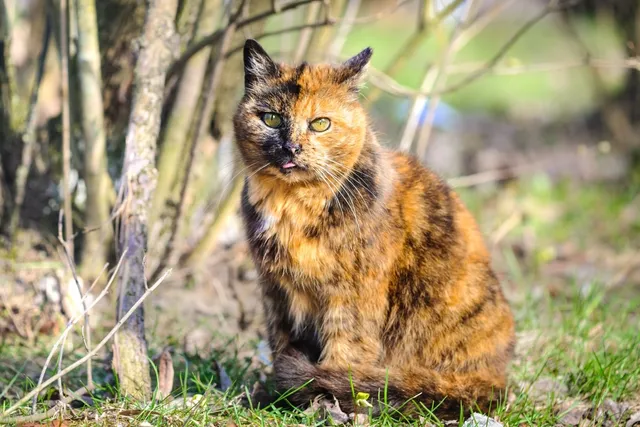
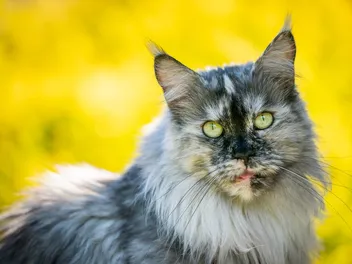
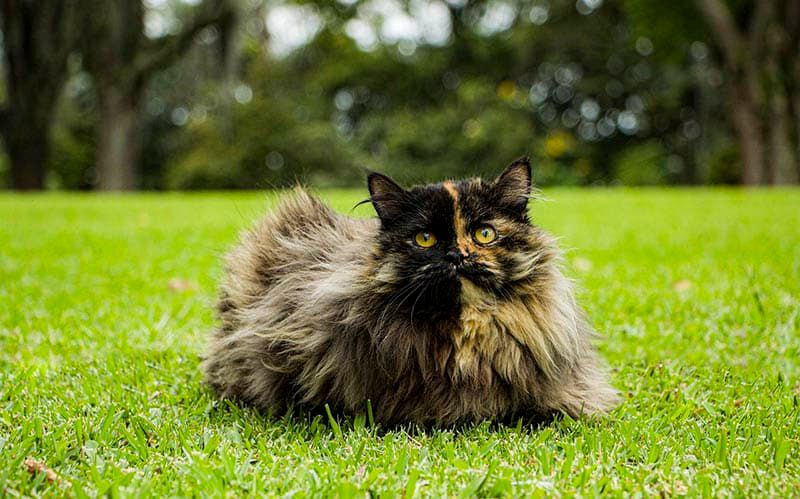
tortoiseshell persian cat on the grass

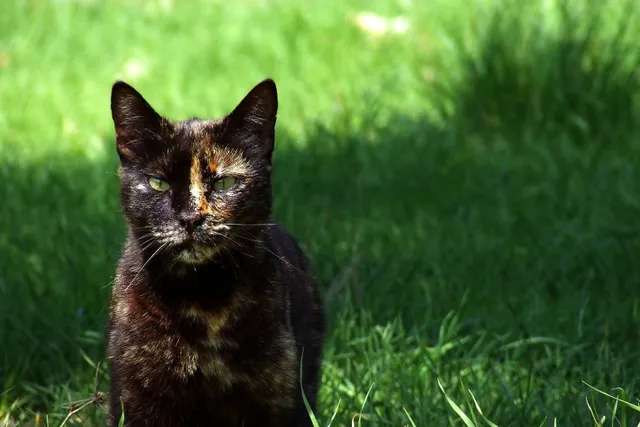
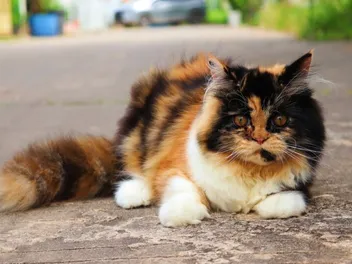
Tortoiseshell Persians are a unique variety of Persian cats named for their multi-colored coat that resembles a tortoiseshell. Known as “torties,” Tortoiseshell Persians have a stunning marble pattern on their long, fluffy coats, making them a popular choice for a purebred cat.

Breed Overview

Height:

10–15 inches

Weight:

7–13 pounds

Lifespan:

10–13 years

Colors:

White, red, cream, black, blue, chocolate, lilac, silver, golden, tortoiseshell, blue-cream, tricolor, sable, tortoiseshell, bicolor, tricolor, tabby, smoke, shaded, Himalayan

Suitable for:

Families or singles in a quiet household

Temperament:

Calm, affectionate, laidback, playful, gentle, quiet

Tortoiseshell Persian Cat Characteristics

Energy
+
A high-energy cat needs a lot of physical and mental stimulation to keep healthy and happy, while a low-energy cat needs minimal physical activity, but still needs mental stimulation. When choosing a cat, It’s important to ensure their energy levels match your lifestyle.
Trainability
+
Cats that are easy-to-train are more willing and skilled at quickly learning prompts and actions with minimal training. Harder-to-train cats are usually more stubborn or aloof and require a bit more patience and practice.
Health
+
Certain cat breeds are more prone to various genetic health problems, and some more than others. This doesn’t mean that every cat in those breeds will have these issues, but they do have an increased risk, so it’s important to understand and prepare for any additional needs they may require.
Lifespan
+
Due to their size or potential genetic health issues of a specific breed, some cats have shorter lifespans than others. Proper nutrition, exercise, mental stimulation, and hygiene also play an important role in your cat’s lifespan and quality of life.
Sociability
+
Some cat breeds are more social than others, both towards humans and other cats and animals. Cats that are more social have a tendency to rub up on strangers for scratches or jump on laps for cuddles, while cats that are less social shy away, hide, are more cautious, and even potentially aggressive. No matter the breed or gender, it’s important to socialize your cat and expose them to many different situations.

divider cat faces 2 oct 2024

The Earliest Records of Tortoiseshell Persian Cats in History

It’s unclear when long-haired cats first appeared in history. The African wildcat, an ancestor of domestic cats, has no long-haired specimens. The first documented ancestors of the Persian Cat were imported from Persia into the Italian Peninsula in 1620 and from Turkey into France around the same period. Known as Khorasan cats, these cats were gray- or white-coated.

The breed still gained popularity throughout Great Britain for its luxurious appearance. Genetic research indicates that modern Persian cats are related to the cat breeds of Western Europe, not the Near East like their predecessors.

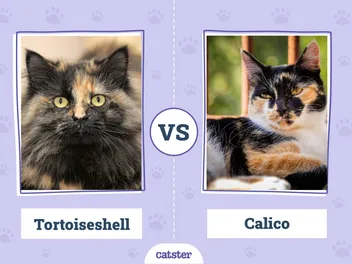
The Tortoiseshell markings have a murky history. Leonard Doncaster proved that tortoiseshell is a female heterozygote of orange and black at the start of the 21st century, but they appeared before then. Tortoiseshell patterns can appear in many breeds, but like calico markings, it’s almost always in females.

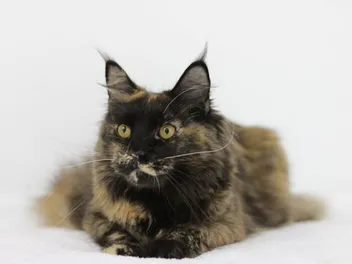
shell persian cat
Image By: Ewa Urban, Pixabay

How Tortoiseshell Persian Cats Gained Popularity

Persian cats quickly gained popularity for their distinctive and luxurious appearance. These cats became popular in the UK before expanding to North America. In 2008, the Persian was the most popular breed in the US. It now lags behind the British Shorthair, Ragdoll, Siamese, Maine Coon, and Burmese in the UK.

There are many popular color varieties in Persian cats, including pointed colors like seal, blue, and flame. Tortoiseshell is not one of the most popular varieties, but tortie point, a tortoiseshell point pattern, is. Overall, tortoiseshell is a desirable color for its unique look and relative scarcity, especially for male tortoiseshell cats, which are exceedingly rare.

Formal Recognition of the Tortoiseshell Persian Cat

The first Persian cat was presented at an organized cat show in 1871 in the Crystal Palace in England. The Persian became popular, leading breeders to differentiate the breed from the similar Angora. The first breed standard was issued in 1889 by Harrison Weir, a cat show promoter. He established the Persian as different from the Angora with its large head, less-pointed ears, fuller coat, and longer tail.

Tortoiseshell Persian cat staring up the camera
Image Credit: Dudakova Elena, Shutterstock

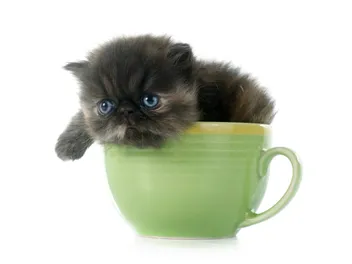
Since then, both Angoras and Persians have been crossbred, creating improvements in both breeds and a range of varieties. The Peke-face and ultra-typing Persians, like Pekingese dogs, were popular before their serious health issues were recognized. Himalayans, Exotic Shorthairs, Chinchillas, and toy and teacup sizes are also popular among cat owners.

Tortoiseshell Persians and some variants are recognized by The Cat Fanciers’ Association and other major cat associations like The International Cat Association.

divider 2 cats

Top 3 Unique Facts About Tortoiseshell Persian Cats

1. Tortoiseshell Cats Are Lucky

In the folklore of several cultures, Tortoiseshell cats are believed to be good luck. In Ireland, Tortoiseshell cats bring luck to owners, and in the US, these cats may be referred to as “money cats.” In Japan, they’re believed to bring good luck against shipwrecks. Other cultures interpret the Tortoiseshell cat as a sign of bad luck, however, such as England.


2. Tortoiseshell Owners Believe Their Cats Have “Tortitude”

One study found that Tortoiseshell cat owners believe their cats have “tortitude,” or increased attitude. There’s little evidence suggesting this is based in fact, however—it’s merely the perception of cat owners.

That said, a 2015 study from the University of California, Davis School of Veterinary Medicine established links between a tortoiseshell pattern and a cat’s likelihood to hiss, bite, chase, slap, or scratch. Another study in 2016 showed an association with increased aggression and prey drive. More research is needed to find a definitive link.

a tortie persian cat
Image By: coryr930, Pixabay

3. Persian Cats Are Frequent Art Models

The Persian cat has been featured in art for centuries. One of the most popular paintings of a Persian is “White Persian Cat” by artist Warren Kimble. The “World’s Largest Cat Painting” also sold at auction for nearly $1 million.

divider 2 cats

Does the Tortoiseshell Persian Cat Make a Good Pet?

Other than possible “tortitude,” the Tortoiseshell Persian cat makes a great pet. These cats are generally quiet, placed, and well-suited to apartments and mellow environments. Persian owners also consider their cats more affectionate and friendlier than other breeds but note that they’re vocal and fussy about food.

divider 2 cats

Conclusion

Tortoiseshell Persian cats are a beautiful variety of the popular Persian cat breed. Though Tortoiseshell patterns can appear on many cat breeds, the striking markings look particularly attractive on Persians because of their long and luxurious coats.

See also:


Featured Image Credit: andres felipe Aristizabal, Pixabay

Want content like this delivered to you?

Sign Up For Our Newsletter

News, insights, expert advice, and everything cat

* By submitting, you agree to our Terms & Conditions and Privacy & Cookies Policy.


How useful was this post?

Click on a star to rate (you can leave written feedback after clicking submit)

Help us improve Catster for pet parents!

Your feedback really matters.

What did you like about this post? Also how can we improve it?

Join the conversation

Leave a Reply

You’re very welcome to leave a comment or question. Please know that all comments must meet our community guidelines, and your email address will NOT be published. Let’s have a positive and constructive conversation.


Talk With A Vet Online

Peace of mind,
anywhere, anytime

Affordable vet advice

Do Cats Cause Schizophrenia? Scientists Find a Link – Here’s What It Means

Being a fierce advocate (and occasional recipient of) mental health support and awareness, the term ‘crazy’ is not one I like to fling...

One in 100 Cats Gets Diabetes – Here’s How to Catch It Early

One in every 100 cats develops diabetes.1 That’s not a rare, unlucky condition reserved for cats with obvious health problems. It’s common enough...

Dramatic Rescue Turns Into Dramatic Reunion

What started as a routine call for the RSPCA became a heroic, five-hour rescue featuring one trapped and traumatized cat, an emotional family...

Ask Dr. Paola – Help! How Do I Know if it’s Ear Mites! (May 4, 2026)

Welcome to our “Ask Dr. Paola” series, where every Monday we bring expert advice straight from Dr. Paola Cuevas (MVZ) to help our...

More related

Space Cats Florida: The Southeast’s Newest Cat Convention Launches This Weekend

Cat lovers, artists, and advocates in Florida are in for a treat this January with the launch of Space Cats Florida, a new...

Why I Allow Our Cats on the Countertops: Dr Karyn’s Perspective

Hi, I’m Dr. Karyn! Read my introduction to learn more about me and meet my five hilarious cats: Clutch, Cyril, Alex, Zelda, and...

Do You Get Too Attached to the Feral Cats in Your Care?

The relationships we form with feral cats can be quite intriguing. How do we help them without getting too attached to them? Ferals...

9 Best Cat Foods for Smelly Poop in 2026: Reviews & Top Picks

If you’re being chased out of the room every time your cat uses the litter box, it may not be their cat litter...

Keep reading

Can Cats Eat Jell-O? Vet-Approved Nutrition Advice

Cat parents are always on watch when it comes to what their kitties eat. As a responsible owner, you need to ensure that your feline eats nutritious meals that are intended to keep them happy and healthy. As anyone who’s...

Can Cats Eat Jell-O

Does Health Monitoring Cat Litter Work? Vet Reviewed Facts & FAQ

Approximately 46.5 million households in the United States own a cat, and if you’re part of this statistic, chances are you’ve stumbled across an advert for health-monitoring cat litter. The product changes color in response to the presence of specific...

Domestic ginger cat looking at litter box

How Do Cats Hunt Mice at Night? Vet-Approved Cat Behavior Guide

We all know the relationship between cats and mice. If a mouse is in your house, whether your cat is the world’s laziest hunter or the best, they will probably notice. Knowing of the relationship between cats and mice may...

black and white young cat looking at a mouse outdoor

How to Tell the Sex of a Kitten: Vet-Reviewed Guide (With Infographic)

While it’s exciting to meet a litter of newborn kittens, it can be tricky to tell which of your fluffy new friends are male or female. Despite knowing how to tell the gender of a kitten, even experts can have...

Domestic kittens

Dealing With an Aggressive Cat? 7 Vet-Verified Reasons Why Cats Become Aggressive

Even the most experienced cat caretakers can find themselves charged up on adrenalin when having to face a cat in the midst of a fit of aggression. But encountering a hissing, growling, screaming, and possibly even scratching and biting cat...

owner petting a hissing angry tabby cat

Can Cats Eat Steak? Vet-Verified Nutrition Facts & FAQ

Your cat is probably one of the most finicky eaters you know. She will turn up her nose at even the most decadent cat food. This begs the question, “Can I feed my cat steak?” As one of the most...

Can Cats Eat Steak

Can Cats Be Allergic to Dogs? Vet-Approved Facts & FAQ

Cats can be allergic to certain food ingredients, flea saliva, dust mites, molds, and even outdoor particles like pollen from trees, grass, and weeds. Itchy skin, gastrointestinal problems, and even difficulty breathing can all be caused by allergies. If you...

Jack russell terrier dog and irritated white cat on the bed

Can Cats Drink Bottled Water? Vet-Reviewed Types & Recommendations

Healthy cats need to drink around four ounces of water per five pounds of body weight daily. This amount will vary though, depending on their diet, activity levels and any underlying medical conditions. Unfortunately, some kitties are very picky and...

Can Cats Drink Bottled Water

Love Cats? So Do We! Join the Catster Community

Stay informed with expert pet care insights delivered straight to your inbox! Discover professional guidance on animal behavior, feeding tips, trusted product picks, and much more.


Sign up for the Catster Email Newsletter

Stay informed with expert pet care insights delivered straight to your inbox! Discover professional guidance on animal behavior, feeding tips, trusted product picks, and much more.