How Do I Know When My Kitten Needs to Pee or Poop? 5 Vet-Approved Signs to Look For!

In this article
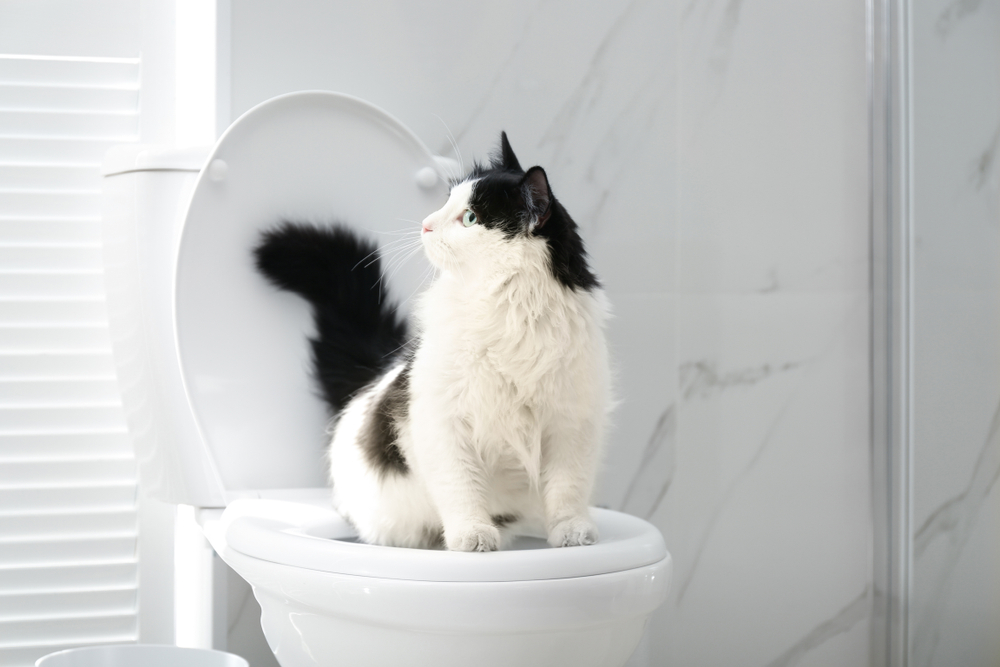
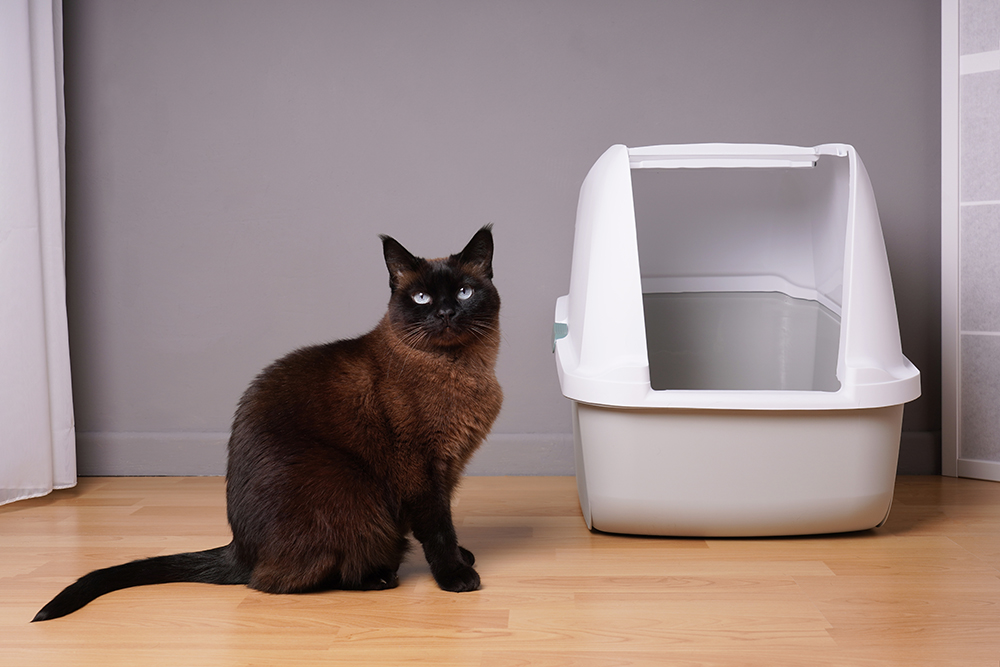
One particularity of cats is that felines’ bathroom habits are significantly different from ours. While you may have heard that some cats with great trainers as owners can learn to use an actual human toilet, this does not allow them to display their instincts, and cats prefer using a litter box. Even though using a litter box comes with instinct, kittens still need some guidance.
Knowing when your kitten needs to use the toilet is the key to toilet training. Find out more below.

The 5 Signs Your Kitten Needs the Litter Box
1. Routine
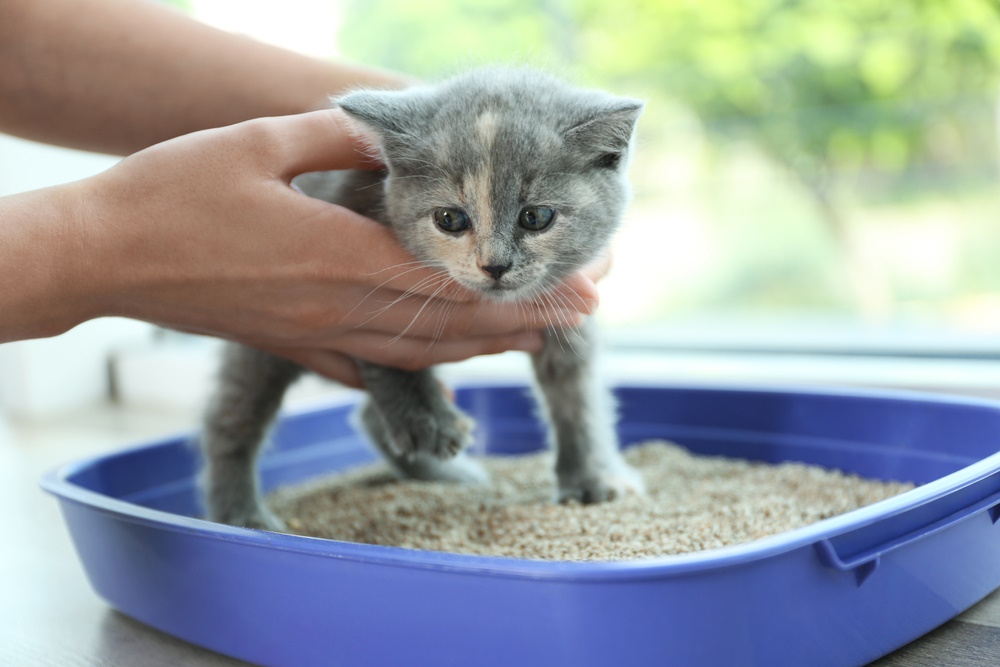
A kitten’s high metabolism not only fuels their growth and development but increases the rate of digestion and water processing. A kitten will need to use the toilet a few minutes after eating and drinking.
This kickstarts digestion and flushes out waste to make room to process new ingestions. After your kitten eats or drinks, take them to the litter box. This way, you pick up on their biological schedule and create a routine.
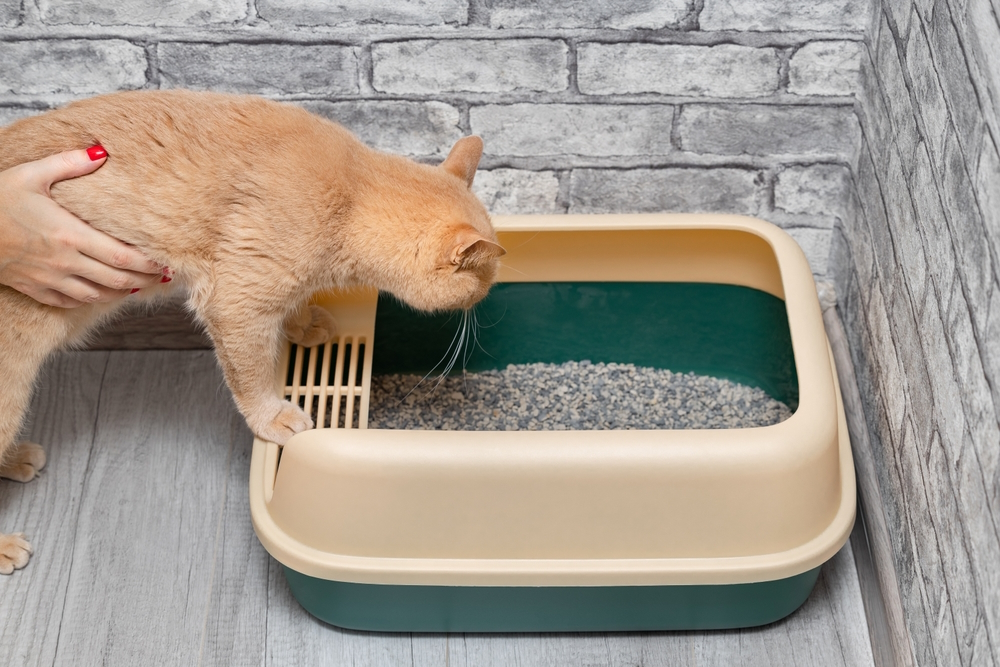
You should also take them to the litter box shortly after they wake up or when they begin to calm down after an intense play session. These intermediate moments are standard toilet times, so placing them in the litter box can ensure they are in the right place!
2. Scratching/Pawing
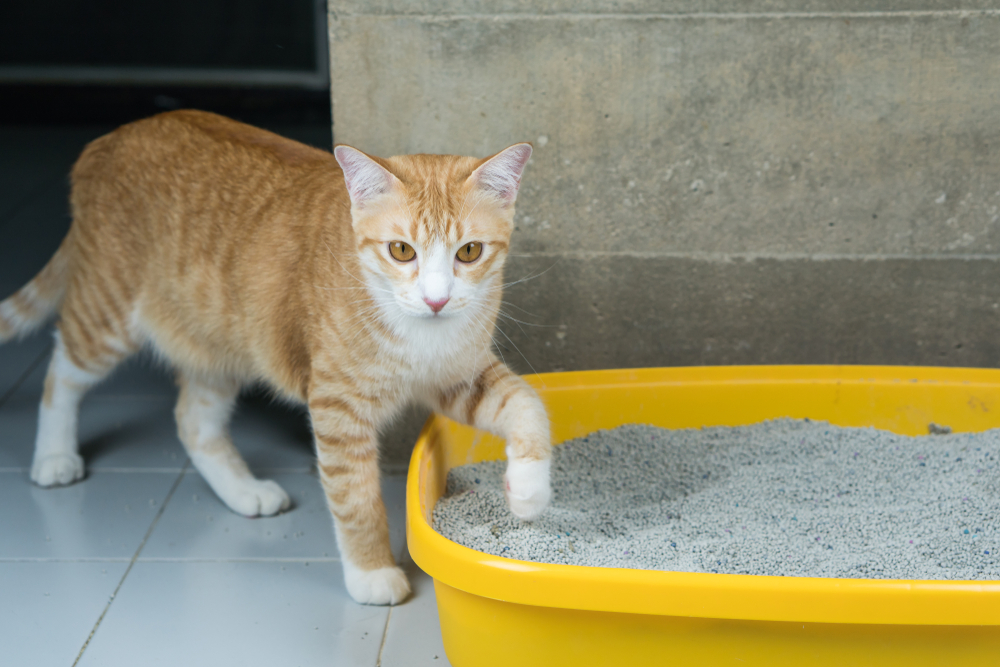
Cats will naturally bury their waste. This tactic avoids detection from predators. To make the burying process easier, cats will dig a hollow first, as it’s easier to cover their poop afterward. Cats may also cover their leftover food, so don’t confuse this behavior if they paw around their food bowl.
Inside the home, you might see pawing or scratching behavior. Your kitten pawing at the ground is a last-minute sign they are preparing to go to the toilet, so act quickly to get them to the litter box!

3. Restlessness
As you well know, the urge to defecate or urinate sends signals through the body. Your cat's biology is no different. Often this signal is delayed in kittens, so once they feel the need to go, they need to do so quickly.
Kittens search for an area to toilet in private. If your kitten stops what they are doing to dash behind the couch, make sure you are close behind them to direct them to the litter box.
4. Crying
Kittens won’t naturally want to poop out in the open of your living room. They like the safety of a private area and a substrate they can bury their waste in.
If they can’t find an area they’re comfortable in, they may vocalize. Your kitten may cry if they are blocked off from their litter box, can’t locate it, or want to go outside. This verbal cue can help you know when they need some direction.

5. Squatting
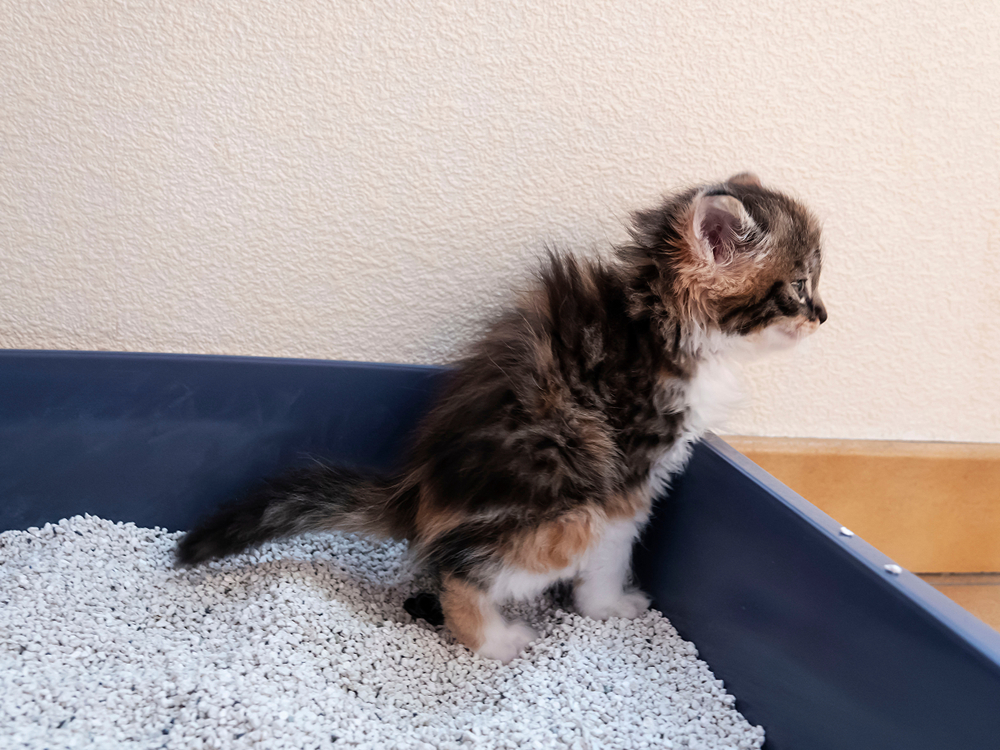
If you miss all the above cues, one thing will let you know that disaster is about to strike: Your kitten will “assume the position.” Cats will squat to align their bowels for “evacuation.” To aim urine away from the body, they will dip their pelvis toward the ground.
If you see this sign, you have mere seconds to relocate your kitten to the litter box.

Kitten Toilet Training Basics
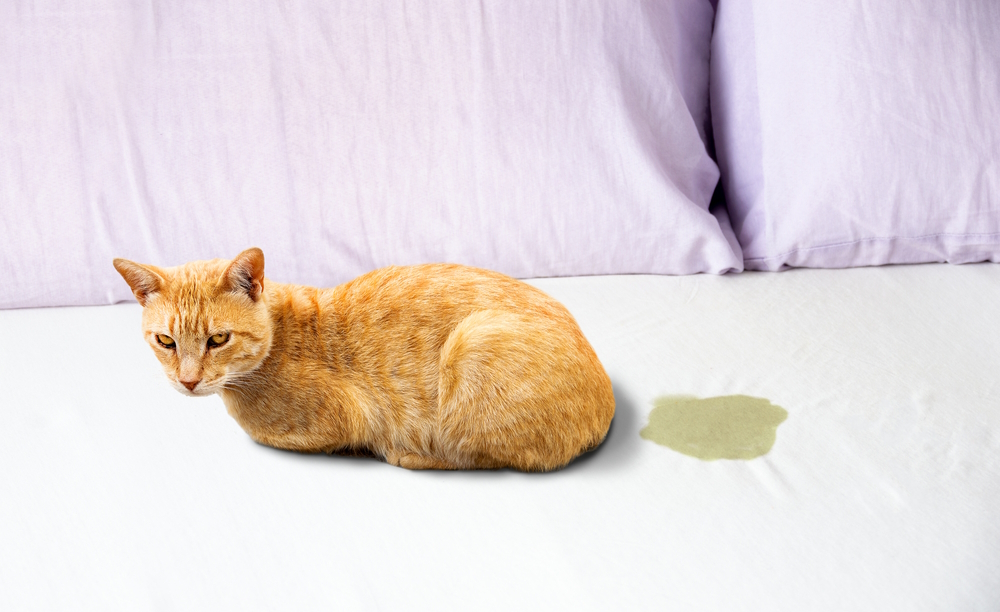
Fortunately for us indoor cat owners, cats will naturally strive to bury their waste. This makes the litter box the favorite place to go to the toilet, and adult accidents around the home are rare. However, a kitten should not be considered to have reliable litter box habits before 6 months of age. That being said, any toilet accidents in litter box-trained or adult cats should never be overlooked. Soiling in unusual places can be a sign of urinary problems and warrants a visit to the vet.
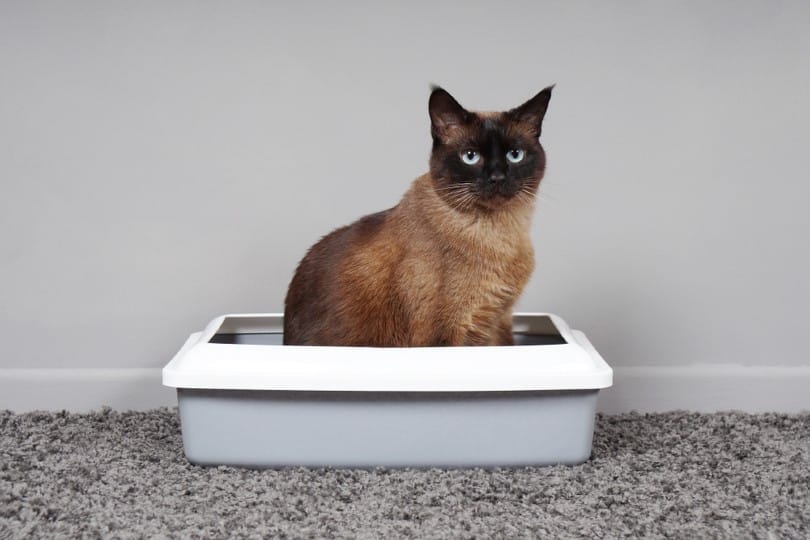
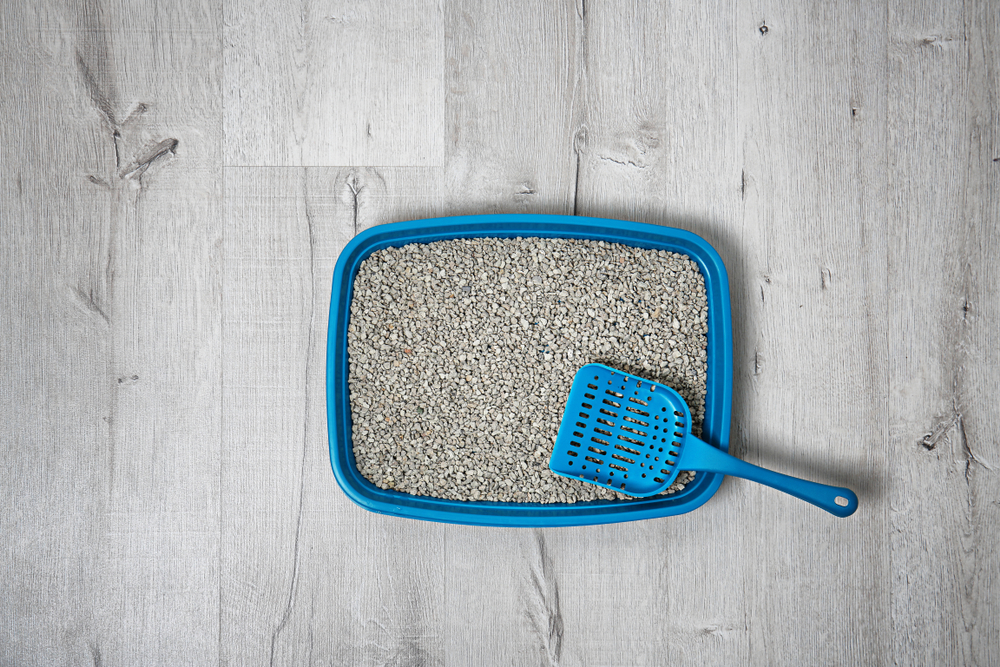
For kittens, litter box training tends to be an easy task. Make sure you provide different types of litter boxes and litter materials, keep excellent hygiene, and place litter boxes in different locations so that your kitten has the chance to develop their toilet routine and preferences.
Successful toilet training relies on two principles.
With these two things, your kitten will quickly learn when and where to go to the toilet and before you know it, their instincts will guide them to being fully housetrained. But, sometimes accidents still happen, so when it comes to kittens, it's always good to have a good enzyme spray on hand.
Our Favorite Enzyme Cleaner
The Hepper Advanced Bio-Enzyme Pet Stain & Odor Eliminator Spray is our favorite enzyme cleaner out there. It permanently removes even the very worst kitty stains and smells, leaving your home fresh and clean! Click here to learn more about this amazing product and get yourself a bottle.

- ADVANCED ENZYMATIC CLEANER - Penetrates the most stubborn smells and stains at the deepest molecular levels to dissolve any pet mess you encounter and lift it away at the source.
- FOR ANY MESS, ON ANY SURFACE - This pet odor eliminator cleans your carpets, floors, furniture, fabrics, and more. Whether it's urine, feces, vomit, or drool, you can erase all foul spots and smells!
- FRESH, NATURAL ODOR - Our unique formulation doesn't rely on dangerous or unpleasant chemical fragrances to get the job done. We eradicate smells and stains, not just cover them up.
At Catster, we’ve admired Hepper for many years, and decided to take a controlling ownership interest so that we could benefit from the outstanding products of this cool cat company!
Litter Boxes for Kittens


Final Thoughts
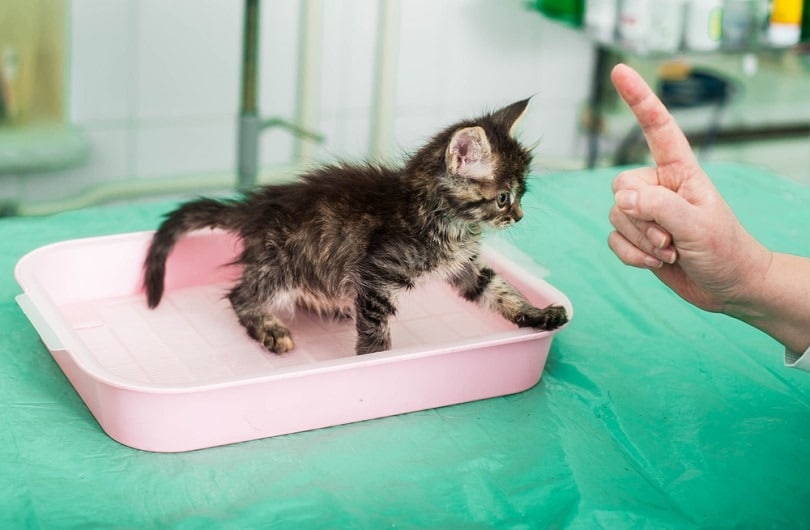
Most kittens pick up litter box training in a few days, while others may take weeks. The key is showing patience and watching them very carefully to detect any issues with the type of litter, type of litter box, its hygiene, or its location. Use consistent training practices and never punish your kitten for mistakes. Remember, your kitten is just a baby and is still developing.
Related Reads:
Featured Image Credit: Piqsels

Expert cat care, straight to your inbox
Vet-reviewed advice, behavior tips, and the best of Catster. Free, and you can unsubscribe anytime.
By signing up, you agree to our Terms & Conditions and Privacy & Cookies Policy.
Christian started writing for a local newspaper as a teenager, and he's been involved in the publishing industry for most of his adult life. Combining his love of writing with a passion for animals, he is currently the Director of Editorial at Pangolia and the Editor-in-Chief at Catster.
Christian lives in the Philippines with his wife, son, and four rescue cats: Trixie, Chloe, Sparky, and Chopper.
Join the conversation
Ask a question, share your story, or send private feedback.