How to Give a Cat a Head Massage: 4 Vet-Reviewed Tips & Benefits


In this article
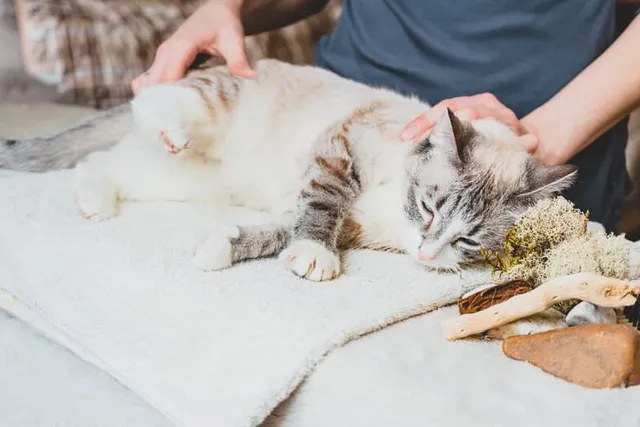
You wouldn’t think giving a cat a head massage would be something your feline would like, but you would be surprised. While not all cats are receptive to being massaged, for some, it helps them to relax, calm down after a stressful event, or feel loved and cared for.
If you’ve been considering giving your cat a massage, starting with the cat’s head and working your way down is best. You must be careful to ensure the cat is indeed enjoying the massage and never try to force your cat to lay still for one.
We’ll give you a few critical pointers for massaging your cat’s head and more in the article below.

The 4 Steps to Give Your Cat a Head Massage
1. Use Your Fingertips
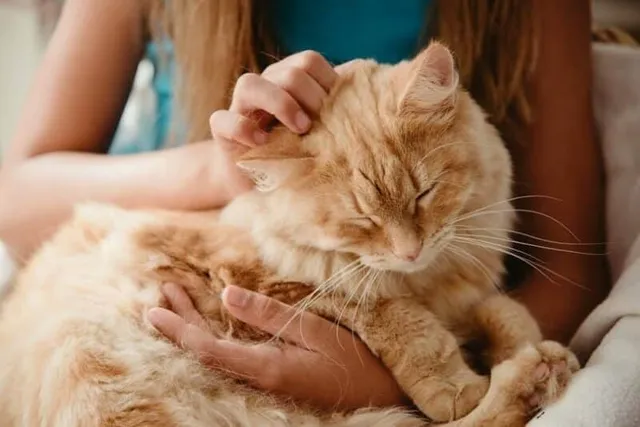
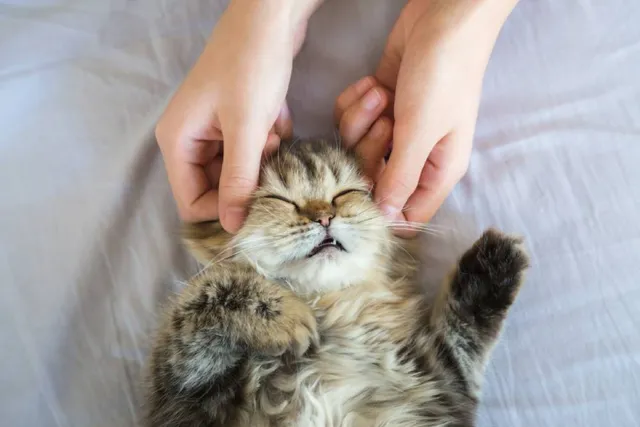
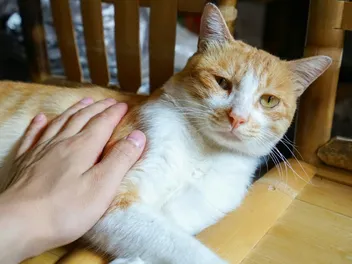
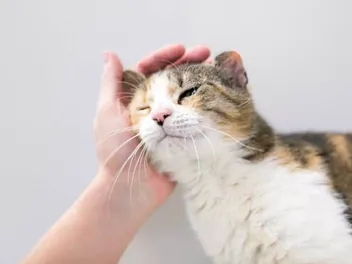
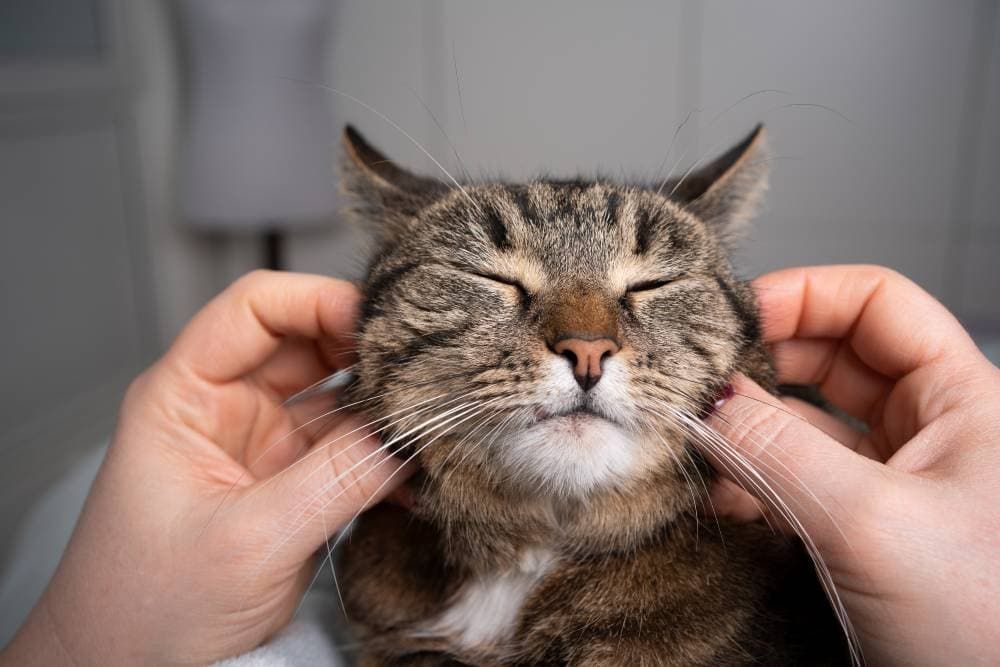
Most felines love to have their heads massaged. To begin, you can start at the top of your pet’s head; using a straight or a circular motion, move your fingertips and slowly massage the cat’s head. Gradually work your way down from the forehead to massaging the base of the head and the neck. Then continue using your fingertips to massage their ears. Some cats may also enjoy having their eyebrows massaged, from the base of the nose outwards.
It’s best to watch how your cat responds to you massaging their head, as some cats won’t enjoy it as much. If your cat acts anxious or like this is bothering them, it’s best to back off. If your cat acts anxious or tense when you’re massaging their head, try coming back to the head and moving onto the body to see how the cat reacts, but respect their preferences and give them a break if they choose so. If your cat seems to have facial pain, it’s important to get them checked over by a vet.

2. Massage Your Cat’s Neck and Chin
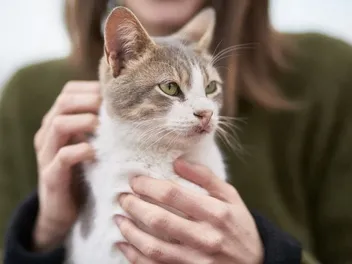
Once your cat is okay with you massaging their head, you can work down to the neck and chin. Make sure you rub under the cat’s neck slowly and gently. Make small circles with your fingertips up and down your feline’s neck.
Make sure not to press their neck too hard, or you risk hurting your cat. This is another area that the cat may be sensitive to you touching, so watch their reaction during this step of the massage to see how they act. If the cat is upset, it might be time to take a break and revisit the head massage later.
3. Massage Your Cat’s Face
Once your cat tolerates you massaging their head, neck, and chin, you can try and move to the cat’s face. Make small, straight, or circular motions on the cat’s cheeks and their forehead. Use your fingertips and be mindful not to apply too much pressure.
If the cat enjoys the massage, they may also let you massage around their eyes, nose, and whiskers, but make sure to be gentle and not overdo it to avoid overstimulating them. Since many cats hardly ever get touched on their faces, it might feel good for you to massage there, and the cat might relax and enjoy the sensation. This way, you can also soothe an itch that may be out of their reach or remove any clumps of loose of hair.

4. Monitor Your Cat’s Reaction
You’ll want to monitor your cat’s reaction throughout the entire process of giving your cat a head massage. If your cat constantly tries to get up and walk away, they may not be in the mood to lie down and be massaged.
On the other hand, if your cat is purring, looking dazed, or even starting to fall asleep, you can be assured that your feline pal is enjoying being massaged and pampered. If your cat tries to get away, scratches you or reacts badly, it’s best to stop the massage. You can try again in a few hours or a few days instead. If the area you tried to massage is painful, contains a wound, or there is any oral pain, bad breath or bleeding and inflammation of the gums, it’s important to get them seen by a vet promptly.
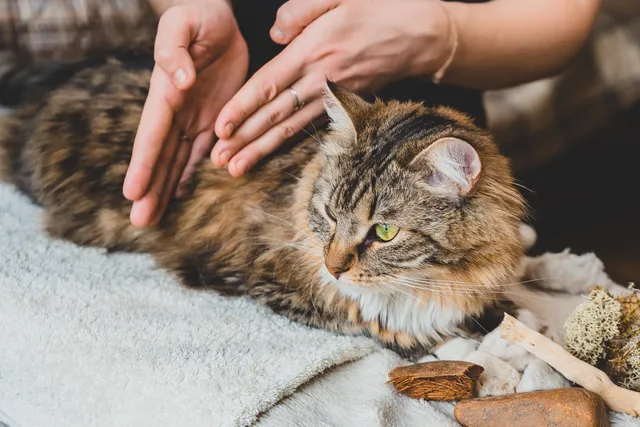
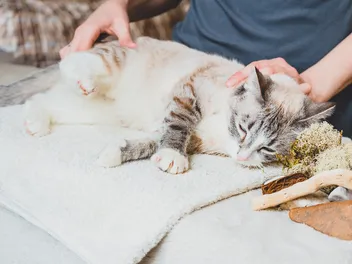
If you can successfully massage your cat’s head, you might get the cat to lay still long enough to do a body massage as well.

Things to Avoid When Massaging Your Cat
When it comes to massaging your cat, you should avoid a few things.
1. Applying Too Much Pressure
You never want to put too much pressure on your cat when massaging their head or body. You want the cat to be able to relax, so stroking too hard will have the opposite effect and could end up hurting your furry friend.

2. Do Not Press on the Stomach
Don’t press on your cat’s stomach when giving a body massage, especially if they just ate. At the least, it could make your cat throw up, and at the worst, you could easily injure your feline by pressing too hard. It’s also better to avoid massaging your cat when they’re in a bad mood, as that could result in you getting clawed.

Health Benefits of Massages for Cats
There are also a few health benefits associated with massaging a cat. These include improving circulation, stimulating their nerves, relieving joint pain, reducing anxiety, and reducing muscle pain and spasms, if performed correctly.
This is also the perfect way to bond with your cat. However, don’t force your cat to lie down for a massage. If this is the first time you’ve tried this, then it’s best to take it slow and see how the cat reacts. Once your cat is used to the head massage, you can move on to the body massage and see if the cat responds well to that, too.
Something Important to Consider
Please keep in mind that essential oils are toxic to cats. There is no need to use them in the first place when massaging your cat at home, as they will not benefit from them in any way and will instead suffer their toxic effects. Ask your veterinarian before applying or giving any product or remedy to your cat.

Conclusion
When giving a cat a head massage, you must be considerate that this is what your cat enjoys. Follow the pointers above for giving your cat a head massage, but don’t force the issue if your cat tries to get away or doesn’t want to lie still. Just because the cat doesn’t cooperate at first doesn’t mean they won’t if you try again in a few days.
Massaging your cat is a great way to provide relaxation and relief from anxiety, alongside other benefits. Give it a try with your cat but keep an eye out for signs that the cat isn’t happy. If the cat tries to leave, let them, and try again another day.
Featured Image Credit: Nils Jacobi, Shutterstock
Expert cat care, straight to your inbox
News, insights, and useful advice, delivered to you.

No spam — unsubscribe anytime.
By signing up, you agree to our Terms & Conditions and Privacy & Cookies Policy.
How useful was this post?
Click a star to rate. You can leave written feedback afterwards. (We read all feedback.)
Patricia is a pet writer and lifelong animal lover. She has two cats (Binx and Link) and one dog (Mystery). Binx was found as a kitten under her house and has been part of the family ever since! Patricia is also a published author under the pen name Skylar McKinzie. When she isn’t writing, Patricia enjoys volunteering at her local animal rescue.