Get

In Your Inbox

Catster is reader-supported. When you buy via links on our site, we may earn an affiliate commission at no cost to you. Learn more.

Do Cats Hate Having Their Whiskers Touched? Vet-Verified Facts & Info

Share

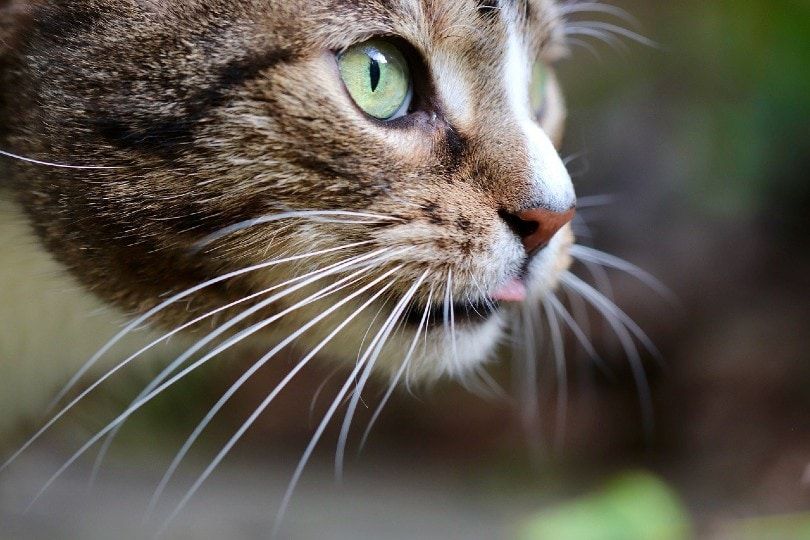
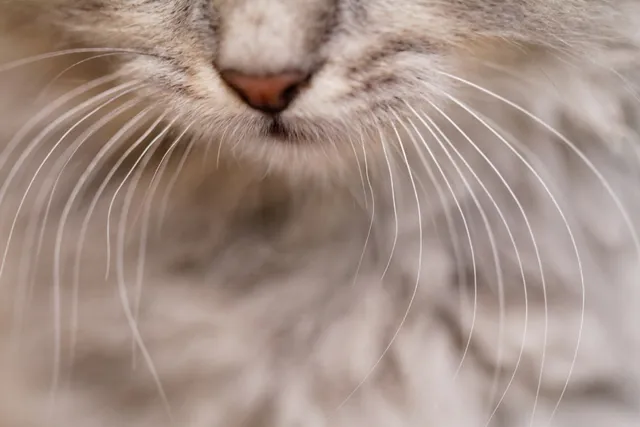
close up of cat whiskers

Whiskers aren’t just there to make your cat look cute. They act as an important sensory feature to pull signals from the environment into your cat’s brain and nervous system. Because their whiskers are so sensitive, some cats hate having their whiskers touched.

Curious to learn more? Read on about cat whiskers and why they don’t like to be touched too much.

divider 3 paws

What Are Cat Whiskers? What Are They For?

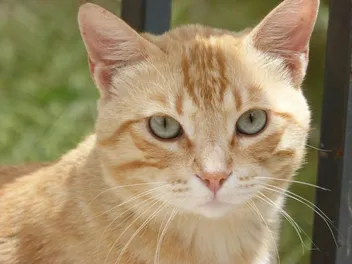
cat eyes
Image Credit: Annette Meyer, Pixabay

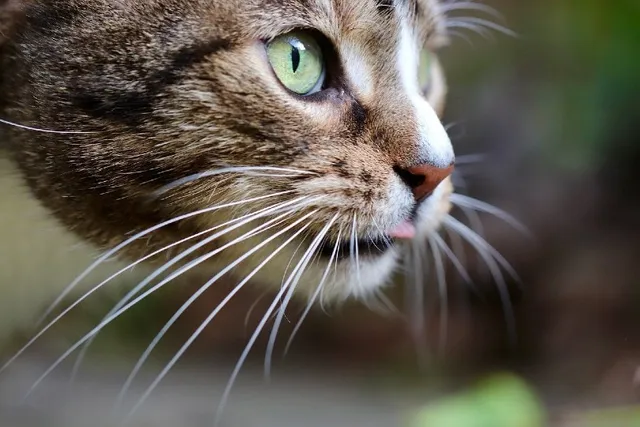
Cat whiskers have follicles like other hair, but they’re thicker, longer, and coarser than their body hair. In addition, their roots are embedded deeper in the skin and richly supplied with nerves and blood vessels, making them much more sensitive than regular hairs. In fact, cat whiskers are as sensitive as your fingertips.

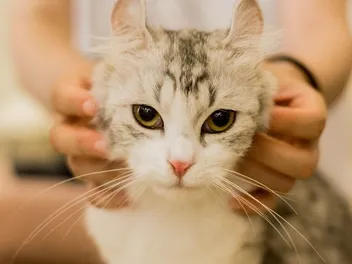
You’ll notice that your cat’s whiskers are strategically located on their chins and forelegs, above the eyes, near the ears, and above the upper lip. Different cat breeds have different arrangements, but many have 12 vibrissae that are arranged in four rows on their cheeks.

The location of the whiskers directly relates to their purpose. They are fine-tuned sensory devices that help a cat understand the world around it. When they feel air or an object against them, the sensitive hairs vibrate and stimulate the nerves in the hair follicles.

Cats also use their whiskers to keep their body in balance. They have special sensory organs called proprioceptors within the follicles, which send messages to the brain to understand the orientation of the body and limbs.

You are free to use this image, but we do require you to link back to Catster.com for credit

Why Don’t Cats Like Their Whiskers Touched?

Naturally, with so much sensory information coming into these hypersensitive hairs and organs, it can be overstimulating for your cat to have its whiskers touched.

Any time your cat is active, its whiskers take in information. The only time they get a rest is when the cat is also resting. Cats also understand how important whiskers are to their ability to navigate the world safely, so they’re naturally protective of them.

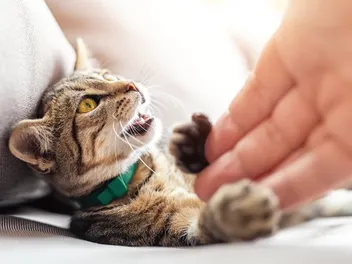
When you’re petting your cat, it’s important that you don’t pluck or pull on the whiskers! The root and nerves are so sensitive that this can be much more painful than tugging on a hair. It’s also important not to cut or trim the whiskers, which can cause confusion and affect your cat’s awareness of its environment.

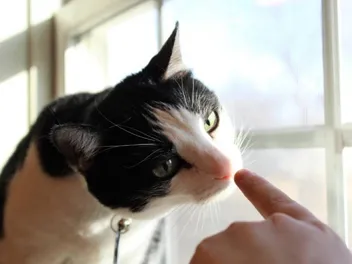
Some cats will tolerate light petting along the grain of the whisker, but not always. If your cat seems uncomfortable, it’s best to avoid touching the whiskers at all. Doing so could send unnecessary messages to its brain, which can be overwhelming.

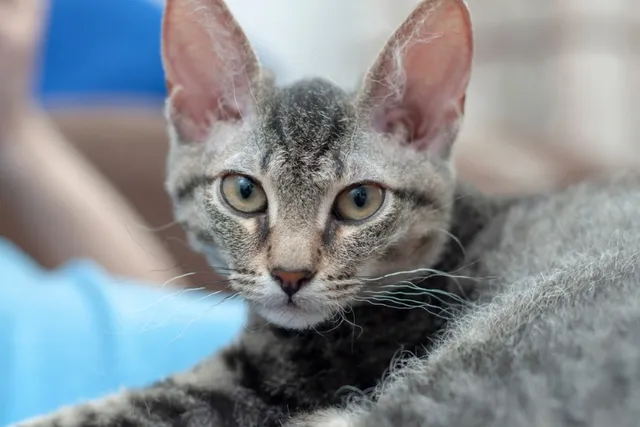
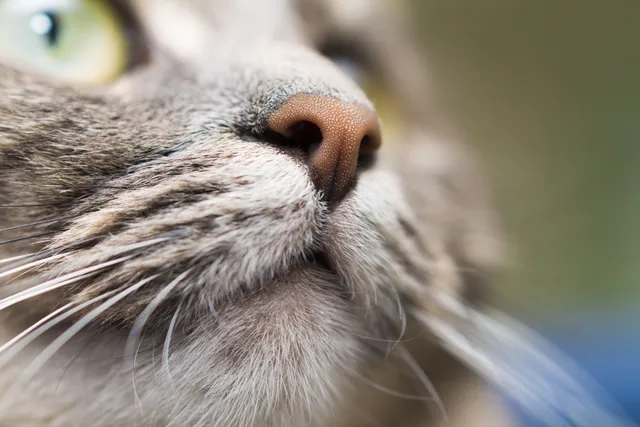
cat whisker
Image Credit: Alexas_Fotos, Pixabay

What Is Whisker Fatigue?

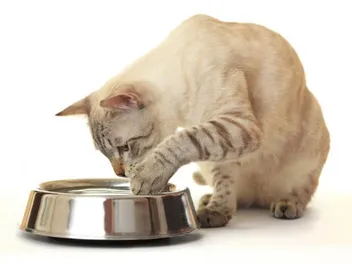
Though the name may sound like the cat’s whiskers are tired, it actually means that they’re stressed out from repeated stimulation of the sensory receptors. Often, whisker fatigue is most commonly discussed in relation to cats eating or drinking from deep or narrow bowls, causing their whiskers to rub against the sides.

Whisker fatigue is not universally recognized as a formal medical diagnosis but is considered a practical welfare concern by many veterinarians.

Depending on the severity, whisker fatigue can range from discomfort to pain, making the experience very unpleasant for your cat.

Fortunately, whisker fatigue is easy to prevent by providing a flat surface or a wide enough bowl for cat food and water that allows your cat to eat or drink without its whiskers touching the sides of the bowl. For this reason, many cats prefer to drink running water, such as a tap or fountain.

Similarly, you should avoid touching your cat’s whiskers. Even if your cat tolerates it, touching your cat’s whiskers too much can cause a similar sensory overload.

divider 3 paws

Conclusion

Now that you know more about your cat’s whiskers, it is understandable why many cats do not want them touched. We know it is hard to resist, but avoid touching them—even if you do it gently. And, of course, never pull and pluck at them.

Instead, choose a place where they will enjoy being petted or scratched. They will love you for it!


Featured Image Credit: Annette Meyer, Pixabay

Want content like this delivered to you?

Sign Up For Our Newsletter

News, insights, expert advice, and everything cat

* By submitting, you agree to our Terms & Conditions and Privacy & Cookies Policy.


How useful was this post?

Click on a star to rate (you can leave written feedback after clicking submit)

Help us improve Catster for pet parents!

Your feedback really matters.

What did you like about this post? Also how can we improve it?

Join the conversation

Leave a Reply

You’re very welcome to leave a comment or question. Please know that all comments must meet our community guidelines, and your email address will NOT be published. Let’s have a positive and constructive conversation.


Talk With A Vet Online

Peace of mind,
anywhere, anytime

Affordable vet advice

Do Cats Cause Schizophrenia? Scientists Find a Link – Here’s What It Means

Being a fierce advocate (and occasional recipient of) mental health support and awareness, the term ‘crazy’ is not one I like to fling...

One in 100 Cats Gets Diabetes – Here’s How to Catch It Early

One in every 100 cats develops diabetes.1 That’s not a rare, unlucky condition reserved for cats with obvious health problems. It’s common enough...

Dramatic Rescue Turns Into Dramatic Reunion

What started as a routine call for the RSPCA became a heroic, five-hour rescue featuring one trapped and traumatized cat, an emotional family...

Ask Dr. Paola – Help! How Do I Know if it’s Ear Mites! (May 4, 2026)

Welcome to our “Ask Dr. Paola” series, where every Monday we bring expert advice straight from Dr. Paola Cuevas (MVZ) to help our...

More related

Why Do Cats Like Watching Other Animals? Vet-Reviewed Feline Behavior

Cats spend a good portion of their day observing their environment. Other animals are of particular interest for felines, whether it is a...

How to Clean a Cat Tree in 11 Simple Steps

With a cat tree, you can keep your cat entertained, prevent your furniture from being scratched, and provide your cat with a high...

National Microchipping Month 2026: When & What It Is

The facts of lost pets tell a sad tale. Roughly 15% of cat owners will lose their pet within 5 years. Outdoor felines...

Can Cats Get High? Vet-Reviewed Facts on Effect and Safety

Marijuana may be legalized for recreational use throughout Canada, 23 U.S. states, and the Australian Capital Territory, but that doesn’t mean it’s something...

Keep reading

Can Cats Eat Nutritional Yeast? Vet-Reviewed Facts & FAQ

Nutritional yeast is usually healthy for cats in moderation. Unlike baking yeast—which is highly dangerous to felines—nutritional yeast is deactivated yeast, which means it won’t ferment and rise in your cat’s stomach. Nutritional yeast is healthy in and of itself...

Can Cats Eat Nutritional Yeast

How Long Do Maine Coon Cats Live? Vet-Verified Lifespan & FAQ

Considered the largest of domestic cat breeds, the Maine Coon holds a special place in the hearts of feline lovers worldwide. They tend to be laid back, intelligent, and friendly, and they share their warmth and joy with friends and...

male blue tabby maine coon cat

My Cat Won’t Eat: Causes, Feeding Recomendations & When To Worry (Vet-Verified)

Cats are pretty good at hiding it when they aren’t feeling well, and a sudden lack of interest in eating is a cause for concern. Cats can go off their food for many reasons, from stress to dental pain and...

Tabby cat eating food from white bowl

Can Cats Eat Oregano? Vet-Verified Toxicity Facts & What to Do

Oregano is a popular and versatile culinary herb that’s often used in cooking all over the world, as well as for medicinal properties. Many common cooking herbs are fine for cats, but what about oregano? Can cats eat oregano? Is...

Can Cats Eat Oregano

Do Cats Have a Clitoris? Feline Reproduction Facts & FAQ

If you’ve ever wondered if female cats have clitorises, the answer is yes; it’s an anatomical part shared by all female mammals! Fetuses all start with a structure called the genital tubercle that becomes a penis when exposed to fetal...

Curious cat

Vet Checklist: What to Bring to Your Cat’s First Visit (Vet-Approved)

Owning a cat is a huge responsibility. In addition to giving excellent care at home, you must also schedule regular vet visits to keep your cat healthy. If your cat’s first vet visit is approaching, the time to prepare is...

veterinarian giving cat's medical record to it's owner

Why is My Cat Breathing So Hard? 9 Vet-Approved Reasons & What to Do

Just like dogs, cats may breathe heavily and pant in certain circumstances. Because this behavior is much rarer in cats than in dogs, it is usually something to be worried about, especially if it persists for prolonged periods. Panting is...

close up white cat breathing

Can Cats Eat Lemon? Vet-Verified Facts & FAQ

If your cat gets into the fruit bowl, you may wonder what you should do. Can cats have lemons, or are they unhealthy for your furry friends? Unfortunately, lemons are considered toxic to cats. You’ll want to keep them out...

Can Cats Eat Lemon

Love Cats? So Do We! Join the Catster Community

Stay informed with expert pet care insights delivered straight to your inbox! Discover professional guidance on animal behavior, feeding tips, trusted product picks, and much more.


Sign up for the Catster Email Newsletter

Stay informed with expert pet care insights delivered straight to your inbox! Discover professional guidance on animal behavior, feeding tips, trusted product picks, and much more.