What Is a Cat Massage Therapist? Vet-Reviewed Facts, Procedures & Tips to Become One


In this article
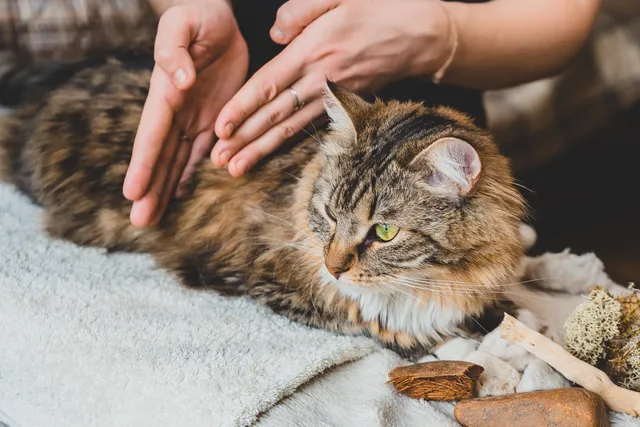
Animal massage therapy involves hands-on techniques to apply animal anatomy and physiology knowledge to improve pets' physical well-being, like your cat. Animal massage therapists specialize in a specific species since a horse’s physiology and anatomy differ from a cat's.
Cat massage therapy is designed to heal injuries, improve your pet’s muscular function, promote healing, improve your pet’s circulation, and even enhance the range of motion for your pet’s overall mobility. A cat massage therapist is an individual who is especially trained to perform a massage on a cat as part of a treatment or management program for a specific ailment or condition. If you want to learn more about cat massage therapy or become an animal massage therapist, keep reading!

What Is Cat Massage Therapy?
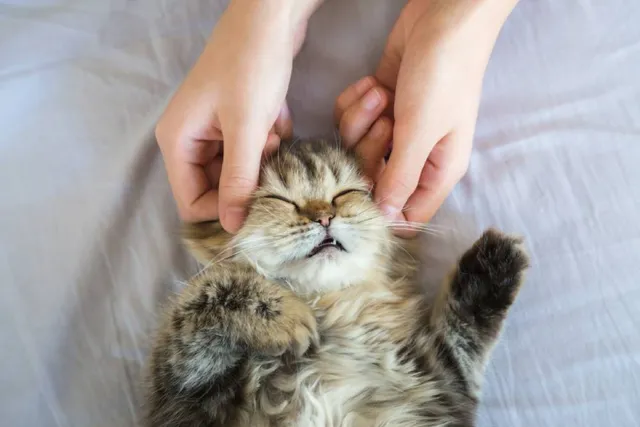
Cat massage therapy uses physical touch and the manipulation of muscles and surrounding tissue to benefit the overall health of your furry friend’s body. Massage therapy can be used in addition to other treatments or as part of physical therapy.
Manipulating muscle tissues during a massage reduces inflammation, helps promote healing, improves motion and overall flexibility, and helps your cat with blood circulation and lymph drainage.
In addition, regular massage therapy can decrease the build-up of scar tissue. Massages also allow a trained professional to notice changes in your cat’s body at earlier stages. The development of a tumor, lesion, or other abnormality is more detectable with regular massages.

Types of cat massage therapy include:
Massage therapy is not a substitute for veterinary care but is a potentially useful tool in rehabilitative pet therapy. At times, a veterinarian may prescribe massage therapy as a form of adjunctive therapy for your pet. This means that the massage isn’t intended to fix the issue on its own. However, it may help expedite the healing and recovery process for your pet.
How To Become a Cat Massage Therapist
If a career in helping animals through touch and physical therapy interests you, check out some of this information below. The path of becoming a cat massage therapist will vary from person to person, and specific requirements will depend on where you live and any previous experience or education.
A degree in biology is highly recommended if you plan on being a therapist for felines. Success in this field revolves around a solid knowledge of animal physiology and anatomy. Muscle groups and their functions are especially important.
At a minimum, anyone seeking to become a cat massage therapist must have a 2-year associate degree in animal massage therapy from an accredited institution. A massage therapy degree plus supporting coursework or a subsequent degree in animal sciences will double your chances.
The typical coursework for a massage therapist includes animal anatomy, physiology, medical terminology, hands-on clinicals, massage assessments, and an exam-based certification from the National Board of Certification for Animal Acupressure & Massage (within the US). Outside the US, it’s recommended that you look up regulations with regards to the requirements necessary to become an animal massage therapist.
While it is possible to meet these requirements via interning and volunteering, most professional cat massage therapists complete at least one certificate training program. In some states, a certificate is required. We recommend checking with your state’s local veterinary boards and health departments for your state-specific requirements.
How Feline Massage Works
Like us, our cats can experience arthritis, joint problems, torn and over-extended muscles, injuries, and surgery. Massage therapy can increase your cat’s flexibility and reduce the discomfort associated with these conditions.
Increased flexibility from massage therapy can prevent further injuries and relax any muscle strain. Most often, prescription massage (which is something a veterinarian prescribes and is performed by a professional) is intended to manage injuries or chronic conditions (such as arthritis).
Muscles affect each other like dominos; they work in conjunction with each other, and when one fails, the others strain and have an increased risk of failing, too. A muscle in your cat’s rear leg that has suffered trauma or strain will affect their muscles through their other rear leg, back, abdomen, front legs, and possibly their neck as well.
A muscle injury will change how your cat walks, stands, plays, and eats. Muscle irritations can change your cat’s behavior. Massaging can help heal muscle trauma and strengthen the muscles while reducing inflammation.

Massage Therapy Procedure in Cats
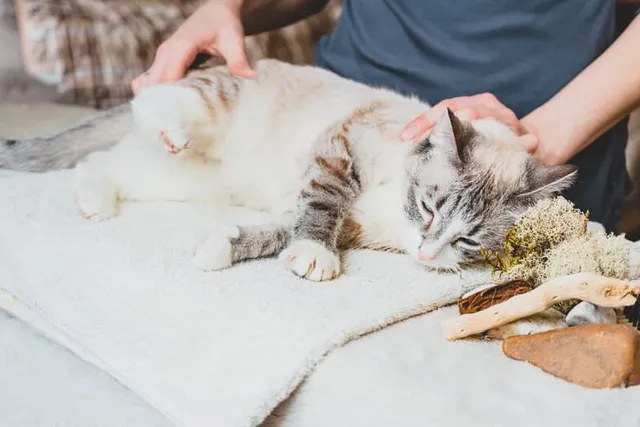
A certified massage therapist will first perform a massage on your cat, often at a veterinarian’s discretion or suggestion. This allows them to give an assessment and observe your cat’s movement, gait, and reactions. An evaluation allows the massage therapist to determine what is the best massage technique for your pet. It also allows them to work closely with the veterinarian to monitor your cat’s progress throughout the recovery process.
If your cat suffers from a condition that won’t benefit from massage therapy, the veterinarian will offer alternate treatment options for your pet. In some cases, massage therapy is not appropriate or beneficial for your cat, and the therapist may refuse.
On average, a massage therapy session will last anywhere from 30 minutes to 1 hour. Depending on your cat’s needs, sessions may be multiple times a week or at a reduced frequency as they progress through their treatment. During a massage session, the massage therapist will monitor for signs of distress and adjust their techniques accordingly.
Some Massage Techniques Your Cat’s Therapist May Use Include:
Final Thoughts
Becoming a cat massage therapist is only suitable for some people, just as a massage is only suitable for some cats. Massage therapy can help certain conditions, and a certified cat massage therapist will likely be working alongside a veterinarian to help your cat with their condition or injury. If you’re keen on becoming a massage therapist for cats, it’s best to begin with ensuring you have the correct education and training to be registered as one.
Massage therapy from a qualified therapist can help relieve inflammation and pain for your cat. It also will aid them in rebuilding their flexibility and mobility, especially after surgery or injury. Massage therapy can decrease the recovery time from surgery or a traumatic injury.
Sources
Featured Image Credit: Engin Akyurt, Pexels
Expert cat care, straight to your inbox
News, insights, and useful advice, delivered to you.

No spam — unsubscribe anytime.
By signing up, you agree to our Terms & Conditions and Privacy & Cookies Policy.
How useful was this post?
Click a star to rate. You can leave written feedback afterwards. (We read all feedback.)
Christian started writing for a local newspaper as a teenager, and he's been involved in the publishing industry for most of his adult life. Combining his love of writing with a passion for animals, he is currently the Director of Editorial at Pangolia and the Editor-in-Chief at Catster.
Christian lives in the Philippines with his wife, son, and four rescue cats: Trixie, Chloe, Sparky, and Chopper.